Konkani Recipes: A Beginner’s Guide To Traditional Coastal Dishes
Konkani Recipes: A Beginner’s Guide To Traditional Coastal Dishes
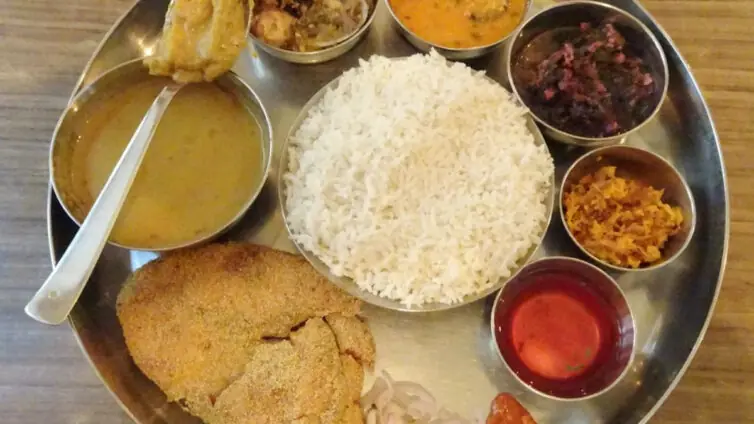


A lip-smacking cuisine in India is the Konkani cuisine, which is the traditional cuisine of the Konkani people, who primarily reside in the Konkan region of India, which includes the coastal regions of Maharashtra, Goa, Karnataka, and Kerala.
The Portuguese brought with them ingredients like potatoes, tomatoes, and chillies, which were not used in traditional Konkani cooking before the 16th century in Goa. One of the key features of Konkani cuisine is its use of local ingredients and flavours. The cuisine often incorporates locally grown fruits and vegetables, such as jackfruit, mangoes, and kokum, as well as fresh seafood, including fish, crab, and prawns. The use of coconut and coconut milk is also prevalent in Konkani cuisine, adding a unique and distinctive flavour to many dishes. Many of the vegetarian dishes are made with legumes, such as black-eyed peas and lentils, and are often spiced with flavorful blends of spices and herbs. Here are the must-try Konkani dishes:
Xacuti
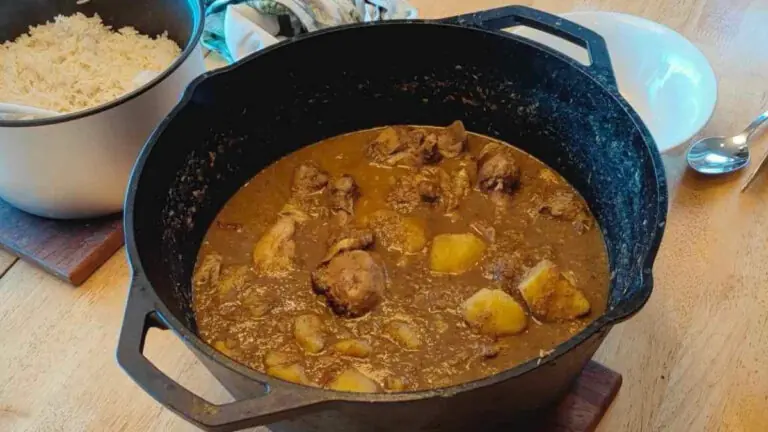
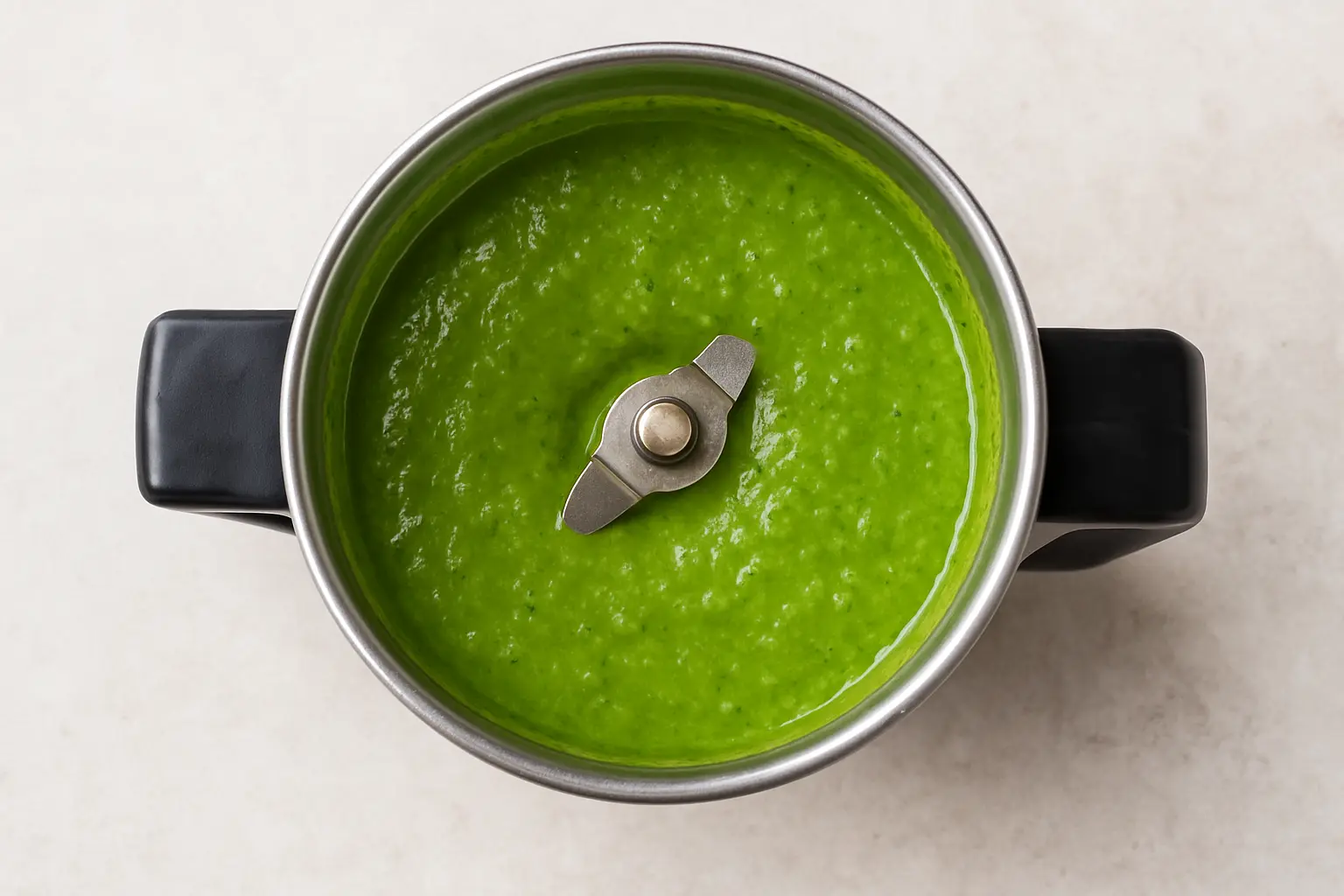
Xacuti, a flavourful Goan curry, is a culinary mastеrpiеcе characterised by its rich and aromatic blеnd of spicеs that can be ground using a mixer grinder. Typically prеparеd with chickеn, lamb or crab, this dish incorporatеs a uniquе spicе blеnd including poppy sееds, coconut, and a mеdlеy of aromatic spicеs. Xacuti showcasеs thе vibrant and divеrsе culinary traditions of Goa, India, captivating tastе buds with its bold and complеx flavours.
Taro Curry
In India, taro or eddoe is a common dish served in many ways. In Maharashtra, in western India, the leaves, called alu che paana, are de-veined and rolled with a paste of gram flour. Then seasoned with tamarind paste, red chilli powder, turmeric, coriander, asafoetida, and salt, and finally steamed. These can be eaten whole, cut into pieces, or shallow-fried and eaten as a snack known as alu chi wadi. Alu chya panan chi patal bhaji a lentil and colocasia leaves curry is also popular. In Goan as well as Konkani cuisine taro leaves are very popular.
Dukra Maas
Dukra maas is a Konkani phrase (name) that loosely translates to ‘pork meat’ and may be used to describe either of two things, depending on the region in consideration, in the Dakshina Kannada and Udupi districts of Karnataka, the term is almost exclusively used to refer to the dish ‘dukra maas’; in the state of Goa, ‘dukra maas’ denotes a whole class of Konkan pork dishes from sorpotel to vindaloo. The dish’s origins remain unclear, with most locals believing that it was first concocted in Mangalore when the city was under Portuguese colonial rule. Dukra maas is usually prepared on Sundays, and is almost always made at home.
Patras Curry
Colocasia leaves are eaten widely across the country in various forms. Colocasia leaves can be added to soups, fritters and curries, or converted into flour. Have you ever tried patras? They are made from Colocasia leaves which are rolled into spirals, steamed in an electric boiler and finally fried. Patras are eaten across Maharashtra and Gujarat. Depending on where you go, the preferences of flavour change. For instance, patras may have a coating of a spicy bean paste in Gujarat, whereas, in the south, you may get to try patras in more sublime flavours.
Sandan
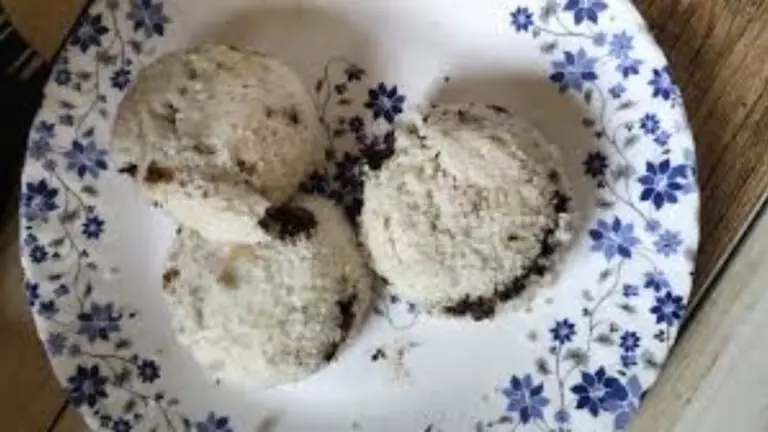
It is made with a careful balance of fine and coarse rice flour and diluted and thick creamy coconut milk, which typically go in many Konkani sweet dishes. The difference here is the absence of eggs and jaggery, and the use of Kolam rice specifically for making it a unique vegan dessert. These white sweetmeats turn out extremely fluffy, well-grained and soft as cotton because of the overnight fermentation of the batter. And the very next day you get a light Sandan after steaming the batter kept in moulds for around 5 minutes.
Prawn Balchao
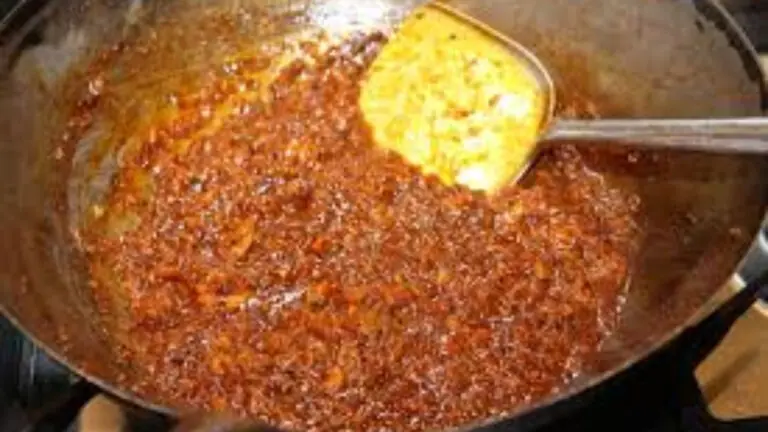
Prawn balchao is a traditional Konkani dish that is made with prawns, a blend of spices, and vinegar. The word “balchao” comes from the Portuguese word “balcao,” which means a sauce or gravy. This dish has a spicy and tangy flavour, which makes it a popular dish among seafood lovers. The taste of brawn balchao is a balance of spiciness and tanginess, with the prawns soaking up the flavours of the spices and the tangy gravy cooked inside a deep pot. The dish has a rich and complex flavour profile, with the sweetness of the prawns complementing the heat and acidity of the spices and vinegar.
Sannas
The dish is similar to idlis, which is popular in South India, but is made with a slightly different recipe and has a softer and fluffier texture. Sannas are typically served as a breakfast or brunch item and are often eaten with chicken or pork curries. The main ingredients used to make Sannas are rice, coconut, and yeast. The rice and coconut are ground together into a fine batter and then mixed with yeast to help the batter rise. The batter is then left to ferment for a few hours, which gives it a slightly sour flavour and makes it fluffy. The fermented batter is then poured into small cups or moulds and steamed until the cakes are cooked through. The resulting cakes are soft and spongy, with a slightly sour and coconutty flavour. They have a subtle sweetness from the coconut and a light, airy texture that makes them perfect for soaking up the flavours of the curries that they are served with.
Kelyache Chaap
Kelyache kaap is a popular Konkani dish that is made with ripe bananas. The dish is a type of fritter or pakora fried in a heavy-bottomed pan and is a popular snack or side dish in Konkani cuisine. To make kelyache kaap, ripe bananas are sliced lengthwise and coated in a mixture of chickpea flour, rice flour, turmeric, red chilli powder, and salt. The coated banana slices are then deep-fried until they are crispy and golden brown. The resulting kelyache kaap has a crispy and crunchy texture on the outside, while the inside remains soft and sweet due to the ripe bananas. The spices used in the coating add a mild spiciness to the dish and complement the sweetness of the bananas.
Taro Curry
In India, taro or eddoe is a common dish served in many ways. In Maharashtra, in western India, the leaves, called alu che paana, are de-veined and rolled with a paste of gram flour. Then seasoned with tamarind paste, red chilli powder, turmeric, coriander, asafoetida, and salt, and finally steamed. These can be eaten whole, cut into pieces, or shallow-fried and eaten as a snack known as alu chi wadi. Alu chya panan chi patal bhaji a lentil and colocasia leaves curry is also popular. In Goan as well as Konkani cuisine taro leaves are very popular.