Sweet Vs. Tangy: How To Choose The Perfect Raw Mango For Your Recipes
Sweet Vs. Tangy: How To Choose The Perfect Raw Mango For Your Recipes
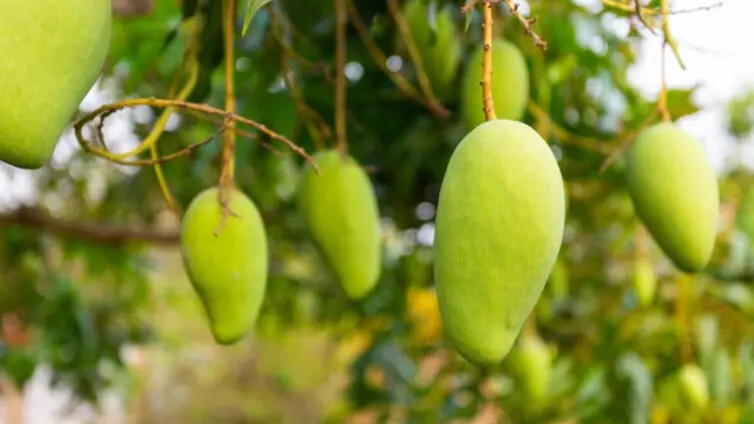


Summer in India officially begins when the first heavy crates of raw mangoes land at the local markets. For generations, dealing with this brief, green harvest has been an annual ritual that brings households together to chop, dry, and spice huge batches of fruit. Pickling isn't just a way to stop food from spoiling; it is a highly calculated art form dictated by local weather patterns and regional pantry staples.
The arrival of green mangoes in local markets marks the true beginning of the summer culinary season across the region. These unripe fruits are prized for their versatility, offering a spectrum of flavours that range from intensely sour to pleasantly sweet and floral. For anyone looking to recreate traditional family recipes, choosing the right type of raw mango is the most critical step in the process. A mistake in selection can completely alter the final balance of a dish, making a pickle too soft or a summer drink too sharp to enjoy. Understanding the subtle physical signs of a mango, such as the texture of the skin and the scent near the stem, allows a cook to predict the internal flavour before cutting it open. This knowledge forms the foundation of South Asian summer cooking, where green mangoes are used to add brightness to lentils, texture to salads, and a sour kick to chutneys.
Identifying The Intensely Tangy Varieties
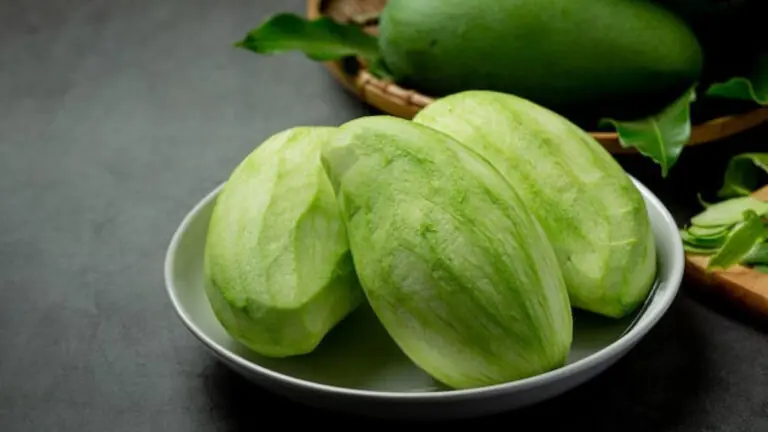
Certain recipes demand an intense, mouth-puckering sourness that can cut through heavy spices and oils. Varieties like the large Rajapuri or the fibrous Ramkela are traditionally chosen for their high acid content, making them ideal for long-term pickles. When looking for a truly tangy mango, the fruit must feel completely rock hard when given a gentle squeeze. The skin should be a deep, uniform green without any yellow blushing or soft patches near the stem. A sharp, resinous aroma at the stalk end is another good indicator of a high acid profile. Mastering the art of selecting these tart fruits is a core skill which will help avoid bitter or watery batches.
Spotting The Naturally Sweet Green Mangoes
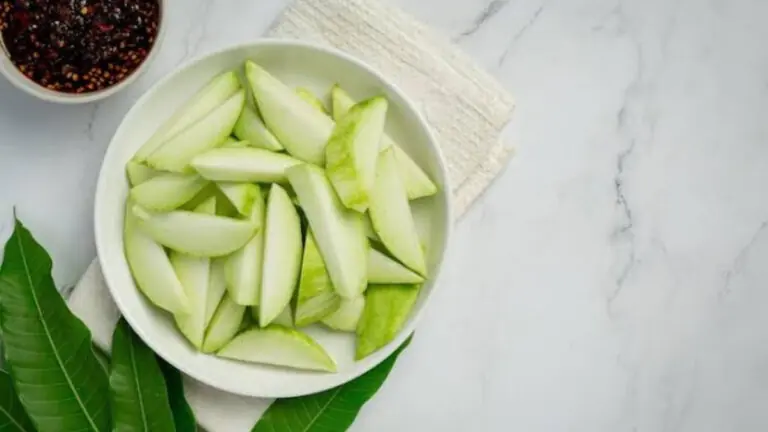
Not all green mangoes are destined to make your eyes water, as some varieties possess a gentle sweetness even before they fully ripen. The Totapuri mango, recognisable by its distinct parrot-beak shape, is famous for its mild, semi-sweet flavour and crisp texture. These mangoes are perfect for raw eating, tossed into salads, or used as a crunchy topping for street food. When selecting a sweet raw mango, look for a slightly lighter green shade or a faint yellow hue starting to develop on the skin. The fruit should have a very slight give when pressed, indicating that the starches are beginning to convert into natural sugars. This variety adds a refreshing crunch without overwhelming the palate with sourness, making it an excellent addition to light summer snacks and salads that require a subtle fruit element.
Cooking Applications For Tangy Mangoes
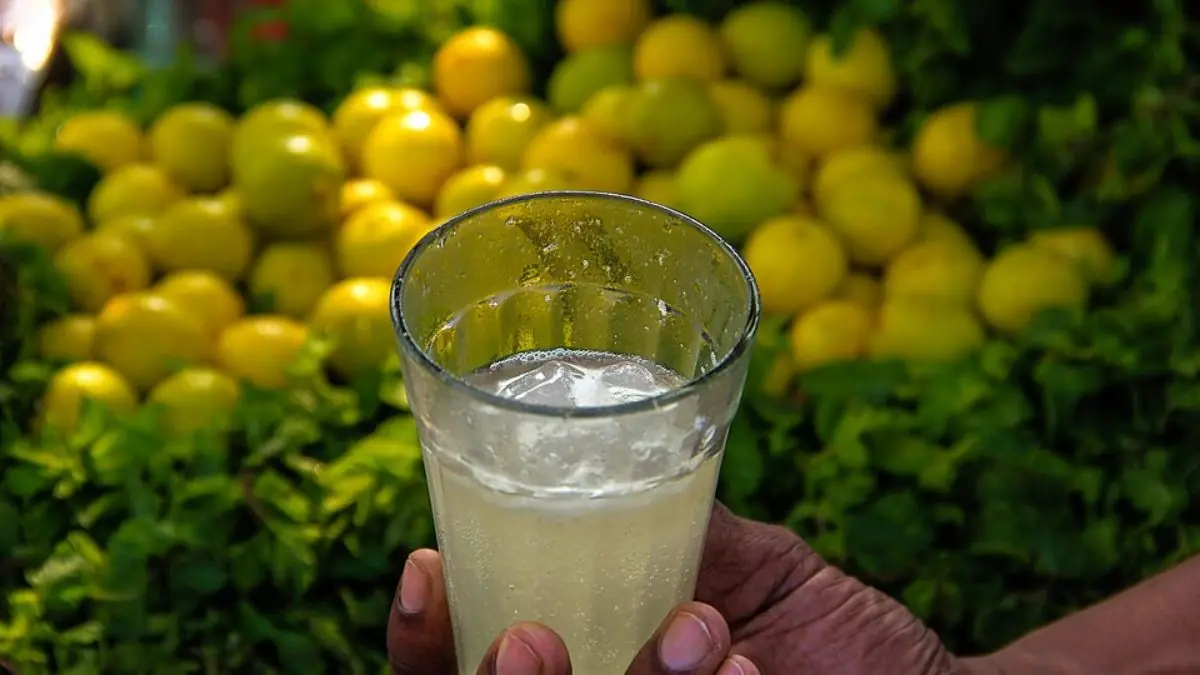
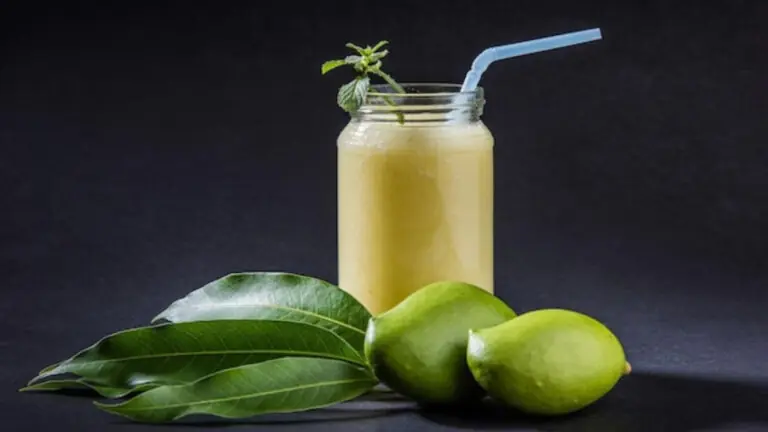
Very sour raw mangoes are the secret behind the most refreshing summer beverages and hearty main courses. For instance, making a traditional aam panna requires boiling tough, tart mangoes until the pulp becomes soft and easy to extract. The intense acidity of the fruit is balanced with roasted cumin, black salt, and sugar to create a highly effective cooling drink. Tangy mango slices are also dropped into hot dals during the cooking process to provide a clean, sour undertone that lifts the earthiness of the lentils. Using a high-quality stainless steel pressure cooker is the most efficient way to soften these hard fruits quickly without losing their vibrant flavour. This method ensures that the sour juices are fully integrated into the base of the dish, creating a balanced and comforting meal.
Best Uses For Sweet And Mild Mangoes
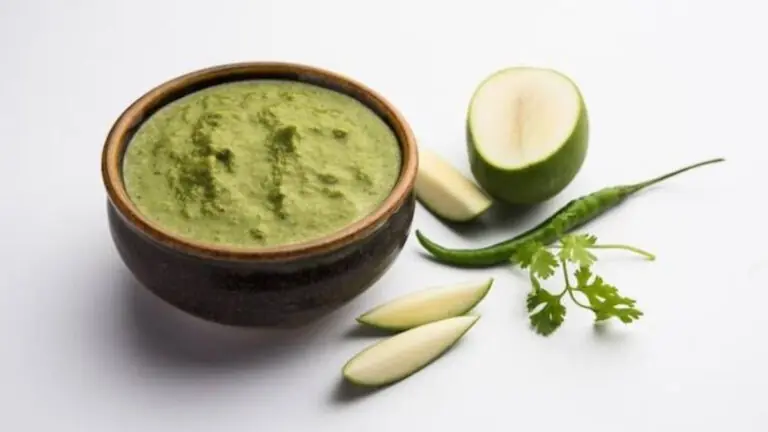
Mild and semi-sweet raw mangoes offer a completely different culinary experience, focusing on texture and aroma rather than raw sourness. These fruits are ideal for making instant chutneys where the mango is grated and mixed with grated coconut, green chillies, and a simple tempering of mustard seeds. They can also be diced finely and stirred into a warm bowl of upma or poha in the morning to provide a surprising burst of fruity freshness. This subtle sweet-tart balance helps to brighten standard morning meals without requiring a lot of extra sugar or spices. Exploring creative summer breakfast ideas shows how easily these versatile fruits can be used to add variety to a daily menu. The crispness of the flesh remains intact even when exposed to light heat, providing a delightful contrast to soft grains.
Storage Tips To Maintain The Perfect Profile
Once the perfect raw mango has been selected, storing it correctly is essential to preserve its intended flavour and texture. Extremely sour mangoes meant for pickles should be used as quickly as possible, or stored in a cool, dry place away from other ripening fruits. If left on the counter next to bananas or tomatoes, the natural ethylene gas will cause the green mangoes to ripen and soften, ruining their suitability for pickling. Semi-sweet varieties like Totapuri can be wrapped in a paper bag and kept in the refrigerator vegetable crisper to maintain their crunch for up to a week. Keeping a steady supply of correctly stored fruits makes it simple to try out a wide range of traditional regional recipes whenever the craving for a fresh, summery flavour strikes.