Mango Pickle Varieties: Regional Achaar Types You Have To Try This Summer
Mango Pickle Varieties: Regional Achaar Types You Have To Try This Summer
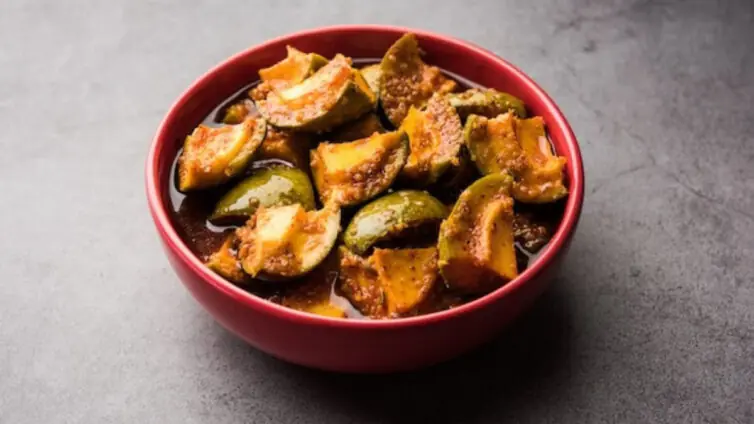


Summer in India officially begins when the first heavy crates of raw mangoes land at the local markets. For generations, dealing with this brief, green harvest has been an annual ritual that brings households together to chop, dry, and spice huge batches of fruit. Every region has its own specific signature method, resulting in an endless variety of textures and flavours that provide a sharp, welcome contrast to the comfort of simple daily meals.
The process of making mango pickle is a slow lesson in patience that reflects the shifting pace of the hot season. Pickling isn’t just a way to stop food from spoiling; it is a highly calculated art form dictated by local weather patterns and regional pantry staples. The fierce heat of the afternoon sun is actively used to slowly mature these preserves inside large glass or ceramic jars over several weeks. This slow process mellows the sharp, aggressive bite of unripe fruit, turning it into a complex, fiery condiment meant to last until the next harvest. Families rely heavily on specific techniques passed down through generations, where the exact thickness of a spice paste or the amount of salt used can make or break a batch. The magic relies entirely on the natural interaction between the acidic fruit juices, dry spices, and oil under the intense heat of the sun. This solar cooking concentrates the natural fruit flavours while creating an environment where bad bacteria simply cannot survive. Exploring these regional specialities reveals a deep, practical understanding of how specific spices interact with moisture and temperature. The resulting condiments are more than just side dishes; they are essential kitchen elements used to cut through the richness of heavy lentils or bring life to cold flatbreads.
Aavakaaya And The Art Of Spice Blending
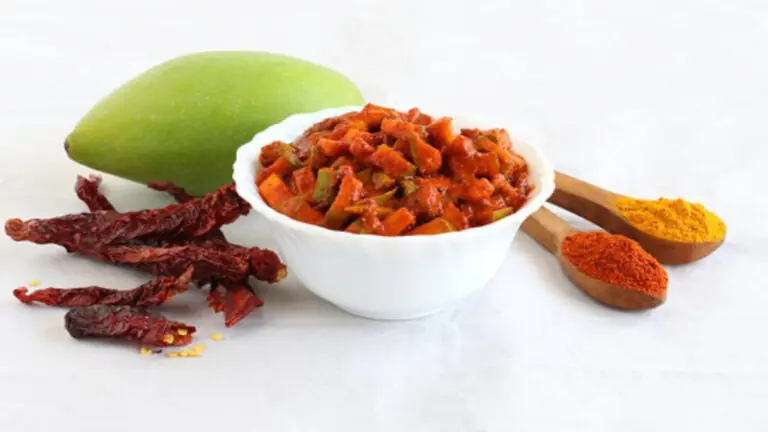
Down in the southern peninsula, the preparation of the famous Aavakaaya is treated with immense focus and precision. This recipe demands incredibly sour mango varieties that are cut into clean cubes with the hard inner wood shell left completely intact to prevent the pieces from turning to mush. The spice mixture relies on a bold combination of freshly ground mustard seeds and an almost overwhelming amount of bright, sharp red chilli powder. Cold-pressed sesame oil is used exclusively to bind the dry powder together, coating each mango chunk in a thick, dark red paste that seals out any stray moisture. As the days pass, the mustard powder undergoes a light, natural fermentation that releases a pungent, clearing aroma. It is a notoriously intense preparation where the sharp heat is designed to balance the fierce sourness of the fruit, making it an incredible companion when mixed into a plate of hot rice and fresh clarified butter.
Chhundo And The Science Of Solar Cooking
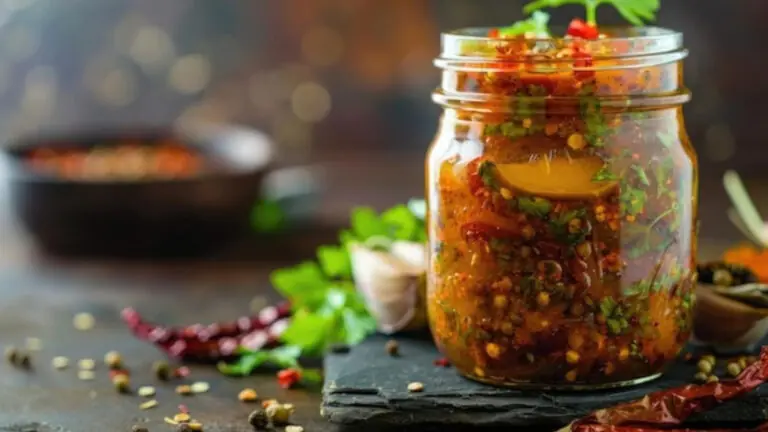
Heading towards the western coast reveals a completely different philosophy that prioritizes texture and natural sweetness over pure heat. Chhundo is a celebrated grated mango preserve that completely skips the kitchen stove, relying instead on the steady warmth of the sun to dissolve and set its syrup. The raw fruit is peeled and shredded into long, crisp strands before being mixed with a large quantity of sugar and set on sunny terraces for days. This slow, gentle solar heating dissolves the sugar completely, turning it into a thick, glossy syrup while the mango strands become beautifully translucent and chewy. A minimal addition of roasted cumin seeds and mild chilli powder is introduced towards the end of the process to provide a subtle, grounding savouriness. The final product is a sticky, sweet-tart preserve that pairs perfectly with hot theplas during quiet afternoon breaks.
Kadumanga And The Patience Of Whole Brining
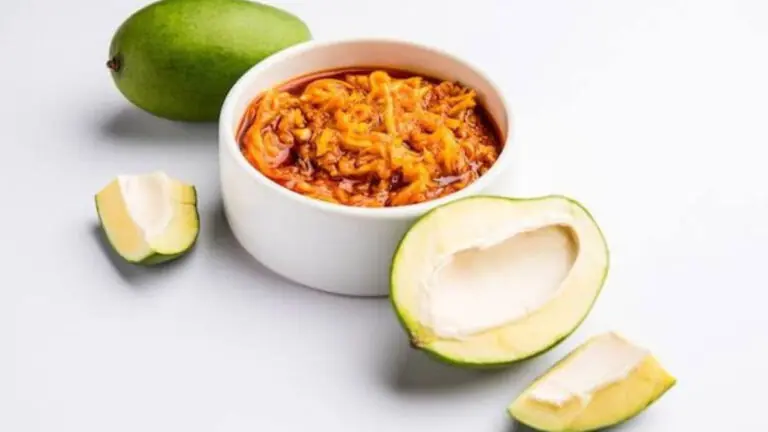
The coastal region of Kerala offers a fascinating variation that focuses on baby mangoes harvested early in the season before their inner stones have even begun to form. Known as Kadumanga achar, this pickle uses the whole miniature fruits intact, allowing the bitter skin and tender flesh to cure slowly together. These small green mangoes are submerged in a dark, highly concentrated brine packed with whole mustard seeds, turmeric, and bitter fenugreek. Over the weeks, the intense salt solution draws out the internal moisture, causing the baby mangoes to shrink and wrinkle as they slowly absorb the deep, aromatic flavours of the spices. This method requires a lot of restraint because it takes a long time for the brine to completely penetrate to the core of the whole fruit. When bitten into, the wrinkled mango gives a satisfying pop of salty, sour juice that is highly prized as a seasonal delicacy.
Mixed Pickles Of The Northern Plains
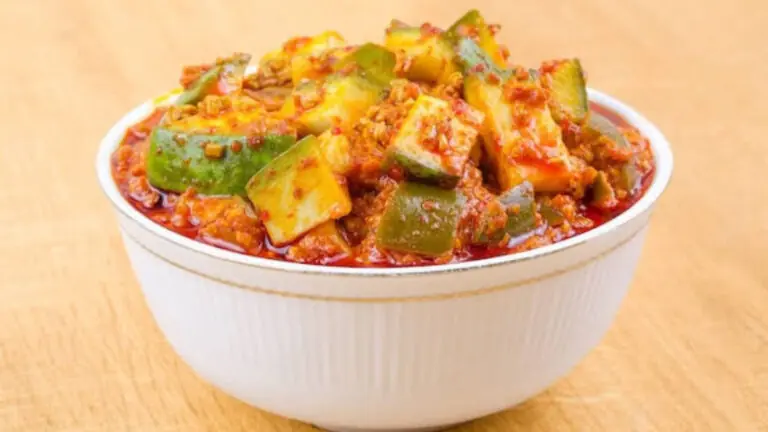
Up in the northern plains, the raw mango is frequently paired with other early summer harvest vegetables to create a diverse, multi-textural preserve. This mixed style uses the green mango as a natural souring base to flavor and preserve a colorful medley of tender carrots, turnips, and thick green chillies. The aromatic profile here is distinctly earthy, relying heavily on whole fennel seeds and dark nigella seeds to create a sweet, herbal scent. Pungent mustard oil is heated until it just begins to smoke, then cooled completely before being poured over the spiced vegetables to give the pickle its trademark nasal kick. Over time, the soft mango pieces break down slightly into a thick, acidic gravy that coats the crunchier root vegetables. It is a robust, hearty preparation built to withstand changing temperatures, providing a deeply satisfying tang that cuts through rich, buttery flatbreads.