Cheese Vs. Paneer: Understanding The Nutritional And Culinary Differences
Cheese Vs. Paneer: Understanding The Nutritional And Culinary Differences
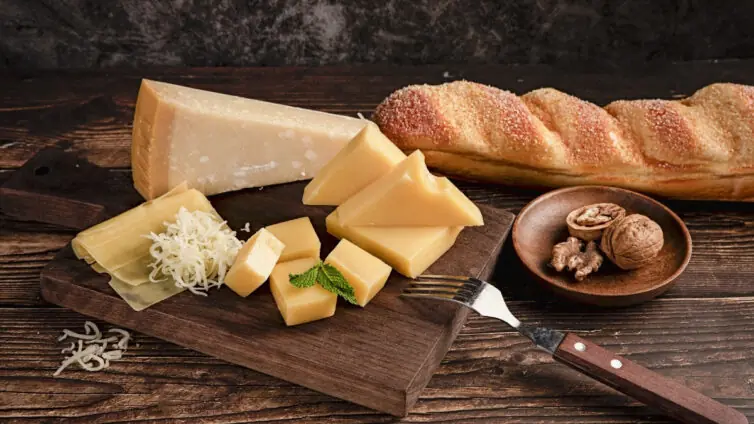


Even though cheese and paneer are made from milk, the two dairy products differ in many aspects, such as texture, nutritional value, and culinary uses. But isn’t it surprising how paneer and cheese can coexist in the same dish, like a pizza or salad and deliver different tastes? To understand the differences between the two most popularly used dairy products, here is an all-in-one guide you can refer to.
When you walk into a kitchen, at any place around the globe, you would most likely catch at least one form of dairy product sitting in the refrigerator. Be it paneer, milk, cheese, yoghurt, or cream, dairy products are always there to elevate the dishes. While the base is always milk, no two dairy products are the same.
Talking about paneer and cheese, both add a rich and creamy element to a dish; they behave differently when cooked. On the one hand, cheese is a global staple that is used in a range of recipes, enjoyed with a glass of wine, added to sandwiches, and so on. On the other hand, paneer is an indispensable part of Indian cuisine that has a firm texture and can be used to make sabzis, salads, fillings, and much more. To dive deeper into the key distinctions between the two ingredients, scroll down.
Preparation Method
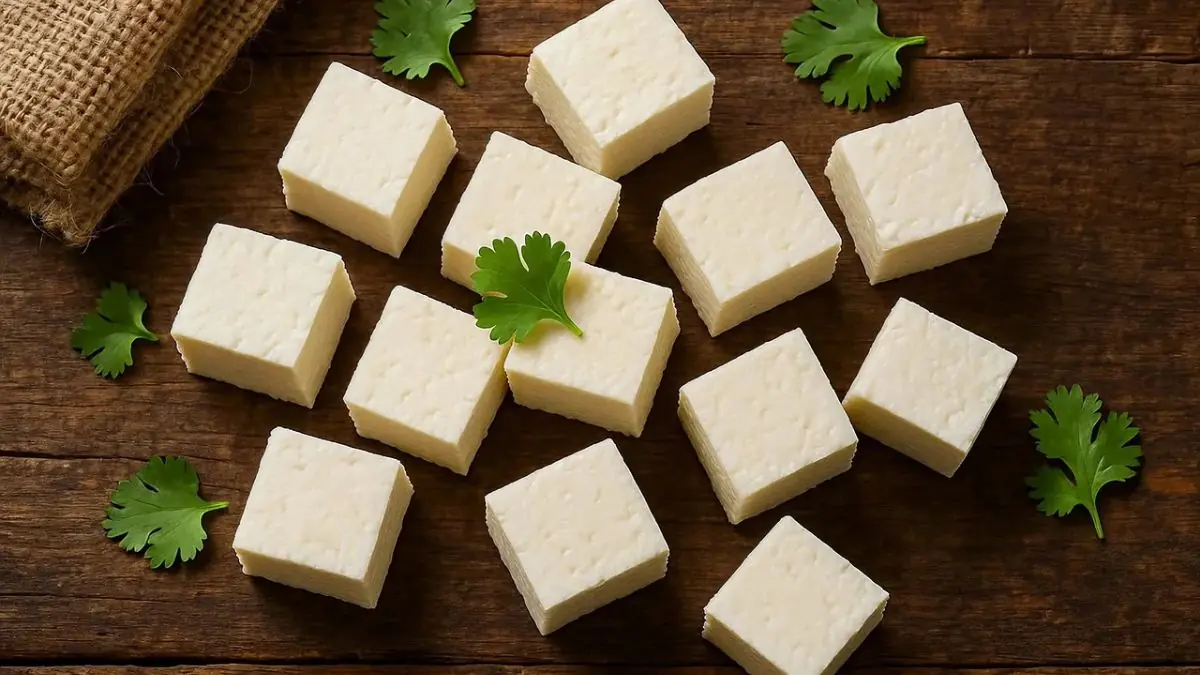
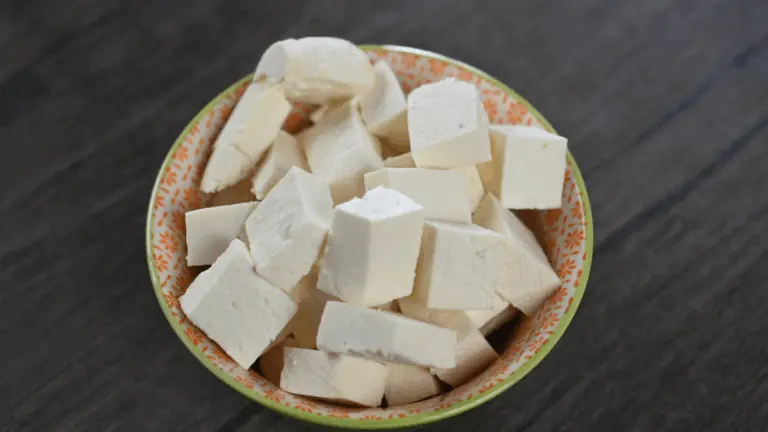
The preparation method of paneer and cheese is one of the biggest distinguishing features. Paneer is made by heating milk and adding an acidic ingredient like lemon juice, citric acid, or vinegar. The acid causes the proteins in the milk to coagulate and make it curd-like. The curds are then strained, pressed into a firm block, and you get fresh and spongy paneer.
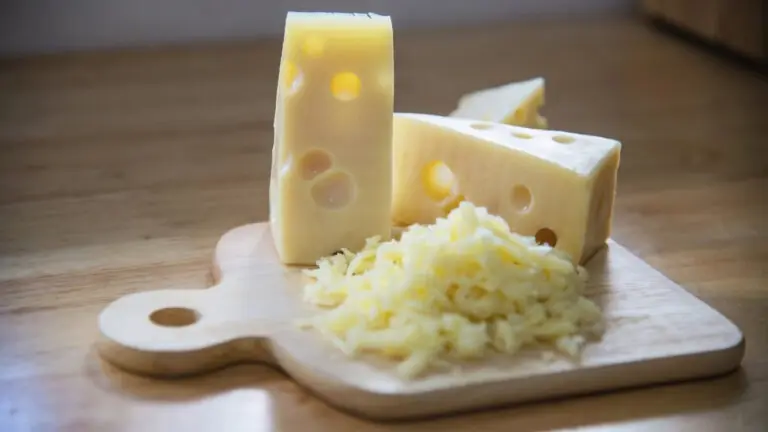
Cheese follows a more complex process. Most of the varieties start with bacterial cultures that coagulate milk proteins. Depending on the different types of cheese, the curds are salted, moulded, and aged. The ageing process also lasts for years, and that’s why you can observe a diversity of cheeses found around the world.
Texture And Mouthfeel
Since the methods of preparation of paneer and cheese are different, the way each tastes varies as well. The textures of cheese vary depending on the type and age. A Parmesan cheese has a crumbly texture, mozzarella cheese gives you that signature pull, and a brie has a soft, spreadable texture. On the other hand, paneer has a more predictable texture. It is firm, dense, and slightly spongy. Also, while cheese melts when heated, paneer turns chewy with crispy edges when grilled or fried.
Nutritional Composition
The nutritional composition of cheese and paneer depends on their fat content and the way each is processed. Since cheese has aged varieties, it is calorie-dense and has a higher fat and sodium content. It is also rich in protein and calcium, but portion control is mandatory when you’re cooking or eating cheese.
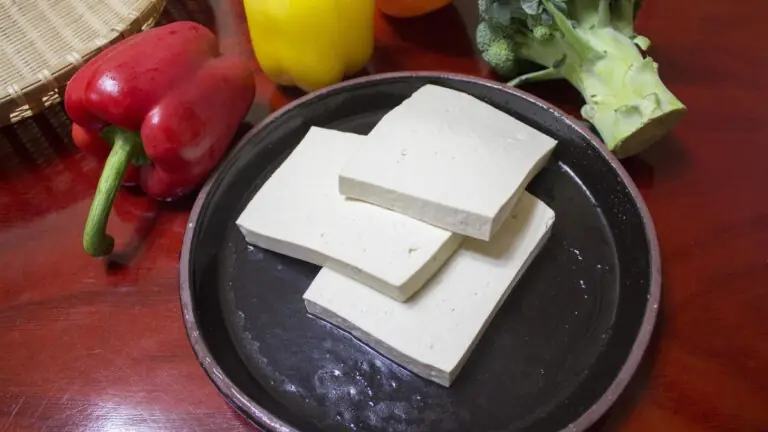
Paneer, being fresh and unfermented, has a cleaner nutritional profile. Since there are no added preservatives or excessive salt used to ferment, paneer is prized as a rich source of protein and calcium. Thus, paneer is one of the go-to options for vegetarians when they want to meet their protein requirements.
Culinary Applications
Cheese is highly versatile and is used in an array of Western and international cuisines. Melted over pizzas, layered in sandwiches, grated over a bowl of pasta, or served as is with crackers on a grazing board, cheese is enjoyed in many forms. Since cheese is easy to melt and blend, it is an impeccable ingredient to experiment with different cooking processes like baking, frying, blending, etc.
Paneer is more popularly used in South Asian cuisine. From deep-frying paneer to make pakoras to roasting for tikkas, cooking to make curries and sabzis, or tossing in salads, paneer makes any dish healthier. Thanks to its ability to hold its shape under heat, paneer is a go-to ingredient to make dishes like paneer bhurji, palak paneer, paneer salad, paneer paratha, and the list goes on.
Shelf Life And Storage
Due to the ageing process of cheese, shelf life is another major factor that differentiates between the two dairy products. Hard and aged cheese can last for months when stored properly since they are fermented and have added preservatives. Soft cheeses have a shorter shelf life, but still longer when compared to paneer.
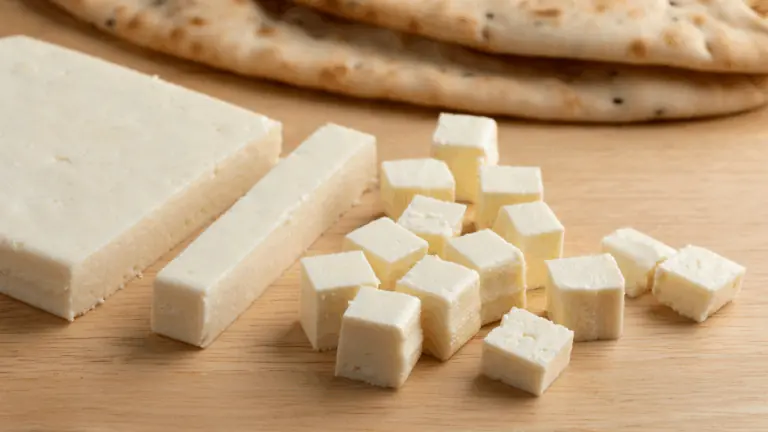
Since paneer is a fresh and unfermented dairy product, it has a shorter shelf life. Fresh paneer, if not frozen, only lasts a couple of days. While storing, you should also ensure that you keep paneer in an airtight container at a moisture-free spot. If you don’t want to consume paneer in under a week, you can deep-freeze it in an airtight container and increase its shelf life. However, it is still recommended to make a fresh batch of paneer to get that soft texture.