Is Tofu And Paneer the Same? Here’s The Real Difference
Is Tofu And Paneer the Same? Here’s The Real Difference
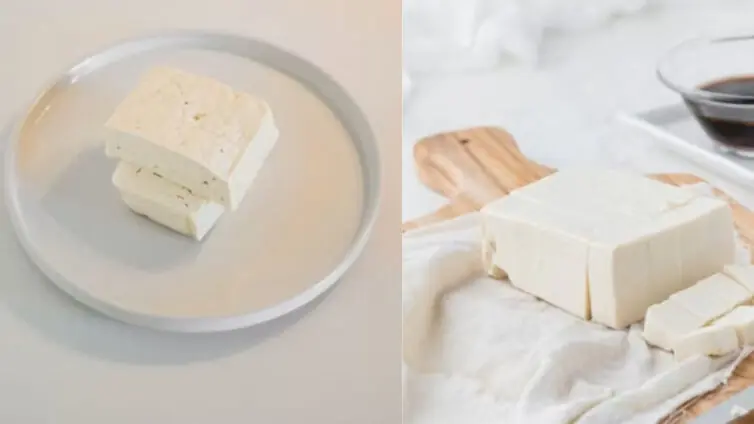


While tofu and paneer are both excellent sources of protein, they differ in their nutritional composition, including their carbohydrate content. Generally, tofu tends to have more carbs than paneer, though the latter is often favoured for its creaminess. If you’re till confused, here’s a breakdown on how to differentiate between the two.
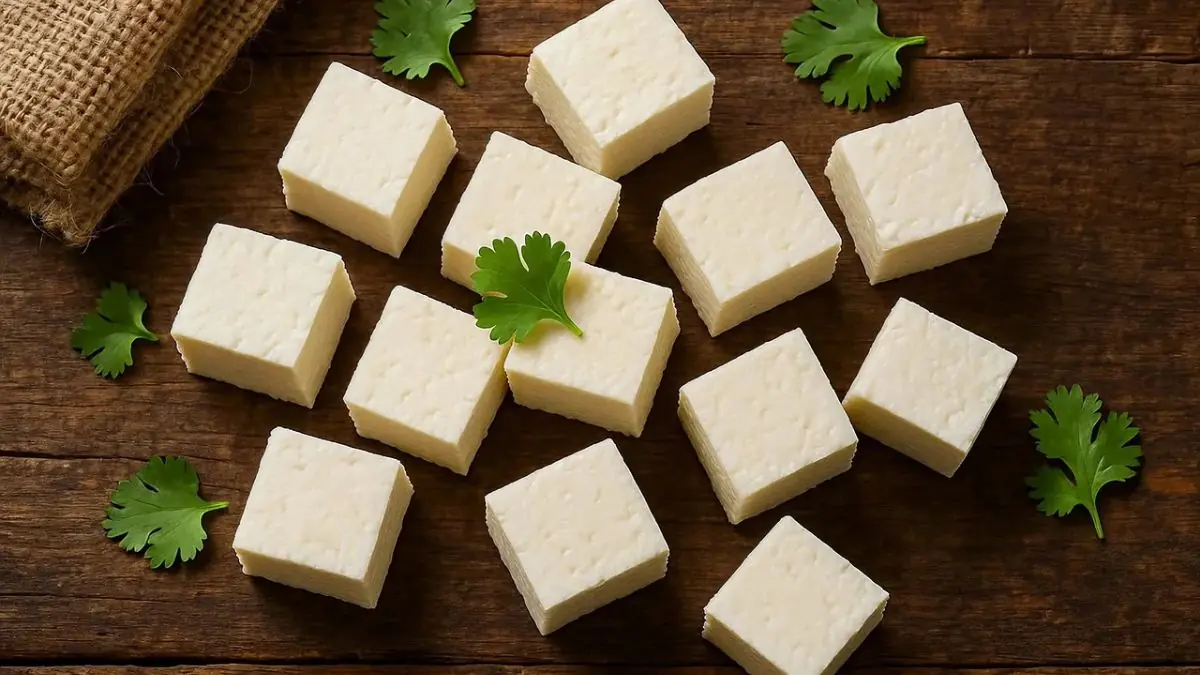
While tofu and paneer share a cube shape and a creamy complexion, calling them the same is like calling a sitar a guitar, vaguely insulting to both. One is born from soybeans, pressed and coagulated in the quiet traditions of East Asia, and the other is a love child of whole milk and lemon juice, curdled with pride in South Asian kitchens for centuries. One absorbs flavours like a sponge with an identity crisis; the other holds its ground, refusing to melt. Yes, they have the same silhouette but entirely different souls; don’t let the white fool you. If you still cannot understand the why and how of tofu and paneer, read this article, which takes a deep dive into what the real difference is between tofu and paneer.
The Type Of Milk Used
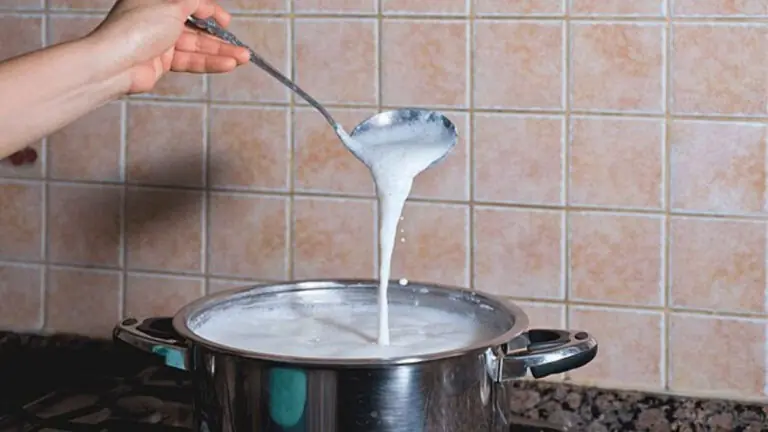
Tofu is manufactured from soy milk, also referred to as bean curd or soy paneer. The process involves coagulating the soy milk. Since the product is made entirely of plants, it is vegan. Given that it contains fewer calories than other foods, those who are vegan or trying to lose weight typically utilise it. A dairy product, paneer, is prepared from the milk of cows, goats, or buffalo and is sometimes referred to as Indian cheese or cottage cheese. Paneer is made by curdling milk with a sour component, such as lemon juice. It is a fresh ingredient that is creamy white in hue and a staple in India. Numerous Indian recipes, including shahi paneer, kadhai paneer, paneer tikka, and palak paneer, call for it.
Preparation
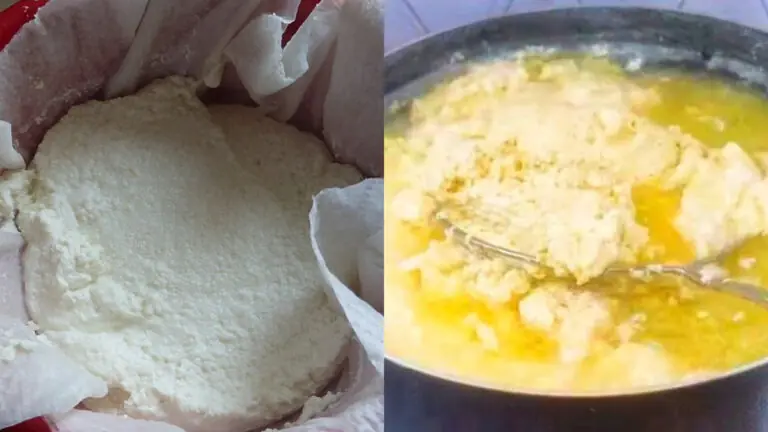
The method of preparation is the primary distinction between paneer and tofu. Bean curd, or tofu, is produced from soy milk. With the use of calcium or magnesium salt, soy milk is coagulated before being squeezed into blocks. High in protein and vegan, tofu is a healthy food. Whereas paneer is a soft cheese that is created from animal milk (goat, buffalo, or cow) that has been curdled. Indian cottage cheese, or paneer, is made from curds, which are made of water and milk solids, separated from the liquid portion, called whey. After that, the curds are dried and compacted into blocks. As a result, paneer becomes a firm block of curdled milk.
Texture & Taste
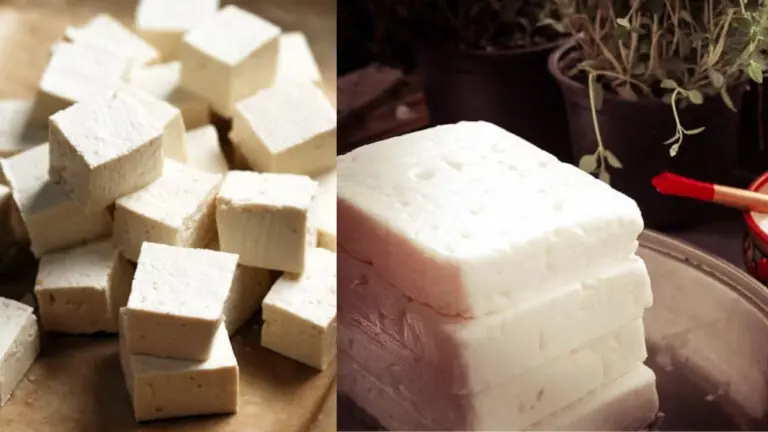
The texture of paneer is crumbly, whereas tofu is soft and spongy. In contrast to paneer, which is usually grilled or pan-fried, tofu can be prepared in a number of ways, including frying, boiling, or steaming. While paneer has a somewhat sweet and tangy flavour, tofu has a neutral flavour. Tofu is capable of absorbing flavours from marinades and sauces, but paneer can be spice-marinated to improve its flavour.
Differences In Nutritional Value
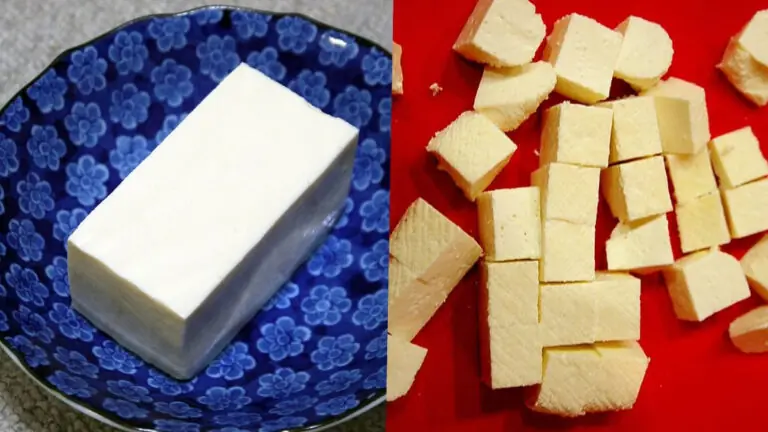
Tofu and paneer are both great protein sources. Vitamins B12 and D, as well as calcium and phosphorus, are abundant in paneer. It has very few carbs and good fats as well. Conversely, tofu has no cholesterol and little saturated fat. Additionally, it is an excellent source of magnesium, calcium, and iron. Because of its complete amino acid profile, those who follow a vegan diet often choose tofu. Paneer packs more protein than tofu overall.
Culinary Uses
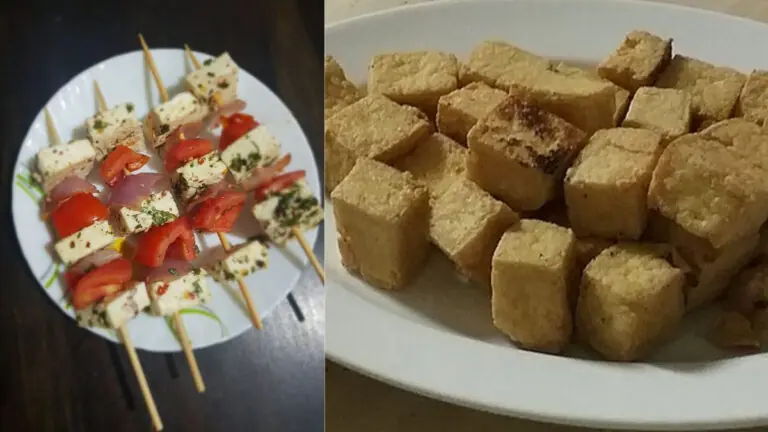
It is possible to use paneer and tofu in a variety of dishes due to their versatility. Palak paneer and paneer tikka masala are two popular Indian dishes that contain paneer. You can crumble it into salads and wraps, or grill or pan-fry it. Stir-fries, soups, and salads frequently use tofu because of its flavour-absorbing capacity. It can be added for more protein to smoothies, you can marinade, bake, grill, or bake it. Infinite culinary options abound when it comes to combining paneer and tofu. Both of them can also be used to make sandwiches, wraps, and desserts.
Alternative To Meats
Another remarkable aspect of both tofu and paneer is their suitability as meat substitutes. Their high protein content and ability to absorb flavours make them popular choices for vegetarian or vegan dishes that aim to replicate the texture and taste of meat. Tofu can be marinated and grilled as a substitute for grilled chicken or added to stir-fries instead of meat. Paneer can be used as a replacement for meat in curries or grilled as a vegetarian alternative to kebabs. These versatile ingredients provide satisfying options for those looking to incorporate plant-based protein into their diet.
Shelf-Life
One of the less-noticed distinctions between tofu and paneer is their shelf life. Tofu is frequently marketed in sealed, water-filled packaging, which allows it to remain fresh for longer when refrigerated and unopened. Once opened, keep it in fresh water and eat within a few days. Paneer, on the other hand, is a fresh dairy product that has a limited shelf life. Paneer, whether homemade or bought fresh, should be consumed within two to three days and kept refrigerated at all times. Paneer, which is dairy-based, may degrade quickly if not stored correctly.