Natto And Other Fermented Soybean Foods Explained For Beginners
Natto And Other Fermented Soybean Foods Explained For Beginners



Fermented soybean products often intimidate newcomers due to their pungent aromas and unusual textures. This guide breaks down five essential Asian staples, explaining how traditional fermentation transforms simple beans into nutrient-rich, flavourful ingredients that any home cook can learn to appreciate.
Fermentation is one of the oldest and most practical culinary traditions in the world, born out of the absolute necessity to preserve harvests long before the advent of modern refrigeration. While many cultures historically relied on fermenting dairy or seasonal vegetables, the culinary traditions of East and Southeast Asia achieved something truly remarkable by applying wild yeasts, beneficial moulds, and bacteria to the humble soybean. In its raw or simply boiled state, the soybean is notoriously difficult to digest and possesses a rather flat, starchy profile that offers very little culinary excitement. However, the introduction of specific microscopic cultures kicks off a complex chemical breakdown that completely alters the physical and nutritional structure of the bean. Over days, months, or even years, these microscopic workers dismantle complex proteins into free amino acids, primarily glutamate, which is the exact chemical source of the deeply satisfying taste known as umami. For a beginner stepping into this world for the first time, the initial olfactory and visual experience can be undeniably shocking. Pungent aromas that mimic aged cheese, sticky textures that stretch into fine webs, and deep, earthy colours can easily cause hesitation at the dinner table. Yet, understanding that these unique sensory traits are merely signs of a successful, healthy transformation is the first step toward unlocking an entirely new dimension of taste. Once you look past the initial funk, you quickly realise that these foods are not just historical curiosities but highly functional kitchen staples. They are designed to bring unparalleled depth, complexity, and gut-healthy benefits to daily cooking without requiring hours of complicated preparation.
Natto And The Art Of The Sticky Stir
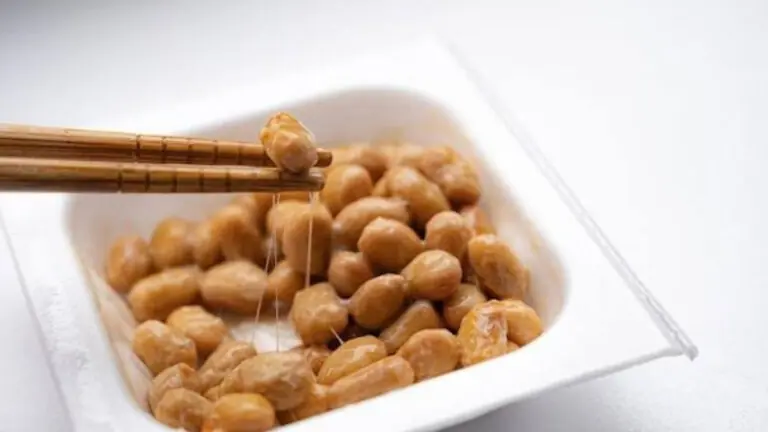
Natto is perhaps the most famous and intimidating fermented soybean dish, hailing from Japan. It is created by fermenting boiled soybeans with a specific bacterium called Bacillus subtilis, which produces a highly pungent, ammonia-like aroma reminiscent of aged cheese. The defining characteristic of natto is its incredibly sticky, stringy texture that creates long webs when lifted with chopsticks. Beginners should stir the beans in a pan vigorously with a splash of soy sauce and hot mustard until the mixture becomes pale and frothy, then spoon it over hot, steaming rice. The heat from the rice softens the intense aroma, revealing a deeply savoury, nutty flavour that becomes surprisingly addictive once you get used to the unique mouthfeel.
Tempeh And The Firm Indonesian Block
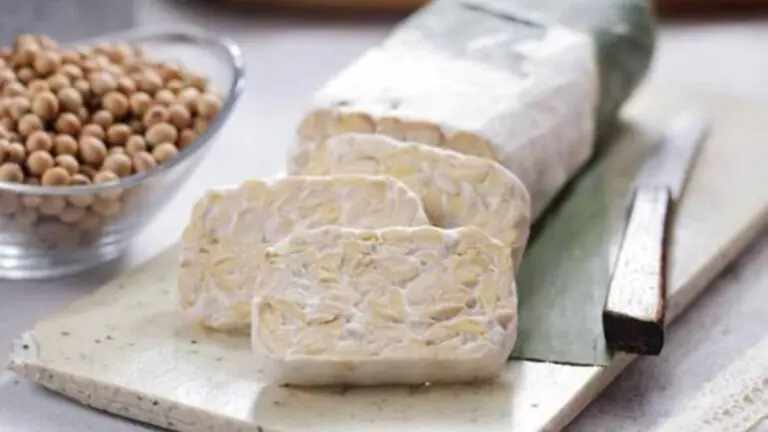
For those who want to avoid sticky textures entirely, tempeh offers a completely firm, sliceable alternative from Indonesia. It is made by inoculating cooked soybeans with a beneficial fungus, which grows over a couple of days to bind the beans into a solid, compact cake. The white mycelium completely blankets the soybeans, giving the block a clean, earthy scent that smells a bit like fresh mushrooms or toasted nuts. Because it holds its shape perfectly, tempeh can be sliced thinly, marinated in garlic and coriander, and pan-fried until it achieves a beautifully crisp exterior. It is an incredibly versatile ingredient that absorbs surrounding flavours easily, making it the perfect entry point for anyone nervous about diving into fermented foods.
Miso And The Deep Warmth Of Koji Paste

Miso is a rich, thick Japanese seasoning paste created by fermenting soybeans with salt and a specific grain culture known as koji. The fermentation process can last anywhere from a few weeks to several years, completely transforming the protein structure into pure umami. Beginners will usually encounter light white miso, which has a milder, sweeter flavour because it is fermented for a shorter time with a higher ratio of rice. Darker red misos are fermented much longer, developing a sharp, salty punch that works brilliantly in heavy winter stews and marinades. A simple spoonful dissolved into warm water creates an instant, comforting broth that supports digestion and provides a deep, savoury foundation for daily meals.
Doenjang And The Funky Depth Of Korean Stews
Moving to the Korean peninsula, doenjang is a traditional soybean paste that delivers a much coarser texture and sharper funk than its Japanese counterpart. It is made by pressing boiled soybeans into solid blocks, drying them in the sun, and allowing wild yeasts and bacteria to colonise the surface before aging them in large earthenware jars with brine. This open-air fermentation gives doenjang a deeply complex, rustic flavour profile that is incredibly earthy and noticeably salty. Instead of being used as a smooth finishing seasoning, it is typically simmered for long periods in hearty stews along with tofu and vegetables. The prolonged cooking time actually helps to mellow the raw, pungent edges of the paste, leaving behind a rich, comforting broth that forms the backbone of Korean home cooking.
Sufu And The Creamy Chinese Cheese Alternative
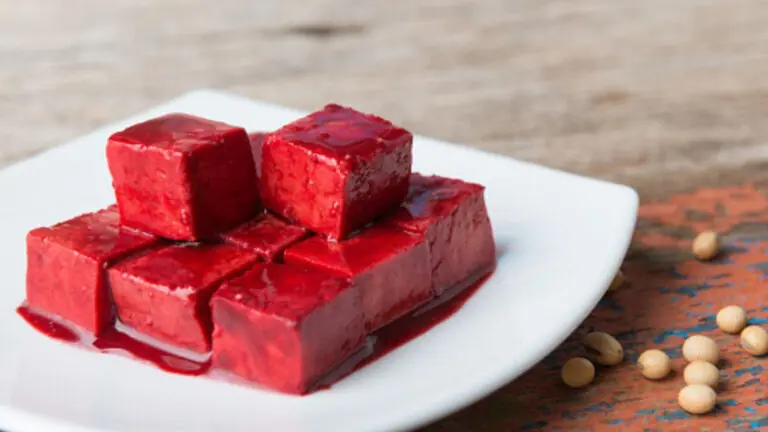
Sufu, often referred to as Korean peninsula, is a traditional Chinese condiment that possesses a creamy texture very similar to a soft dairy cheese. Small blocks of dried tofu are exposed to specific molds and then submerged in a jar filled with rice wine, salt, and various spices like chilli or red yeast rice. Over months of aging, the enzymes break down the firm tofu into a remarkably smooth, spreadable consistency with an intense, salty-sweet tang. Because the flavour is incredibly concentrated, beginners should treat it like a strong condiment rather than a main ingredient. A tiny scrape of a cube mashed into a bowl of plain rice porridge or stirred into a hot stir-fry of green vegetables is all that is needed to elevate a simple meal.