How Does An Induction Cooktop Work? Mechanism And Tips To Maintain Explained
How Does An Induction Cooktop Work? Mechanism And Tips To Maintain Explained
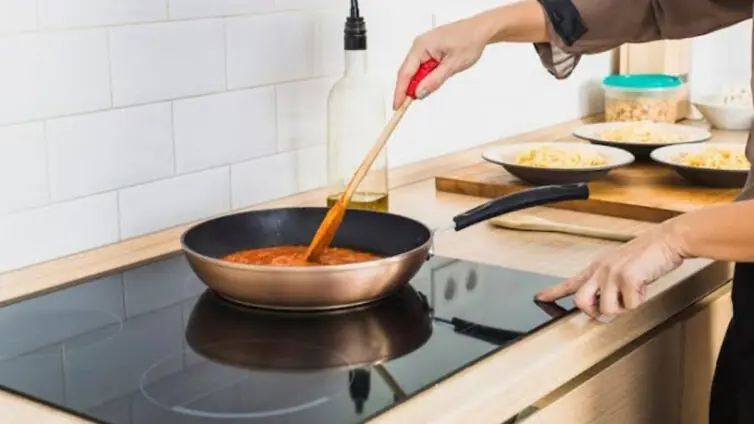


This guide breaks down the science behind electromagnetic induction cooking by explaining how invisible magnetic fields turn your cookware into the heat source itself. It also outlines essential maintenance habits to keep your glass cooktop running efficiently for years.
There is a fascinating bit of culinary misdirection that happens every time you turn on an induction stove. Unlike traditional gas burners that wrap a pan in open flame, or electric coils that slowly glow red with thermal heat, the cooktop surface itself remains completely cold to the touch. It feels entirely counterintuitive because the water inside your pot is rapidly boiling while the glass surface just millimetres beneath it is not generating an ounce of heat on its own. This invisible transfer of energy is why modern kitchens are rapidly upgrading to appliances like an induction cooktop, which swaps out crude thermal conduction for the clean, silent precision of electromagnetism. Understanding the physics behind this process not only makes you a more appreciative cook but also reveals exactly how to care for these sleek glass surfaces so they perform flawlessly over time.
The Science Of The Coil: How Induction Works
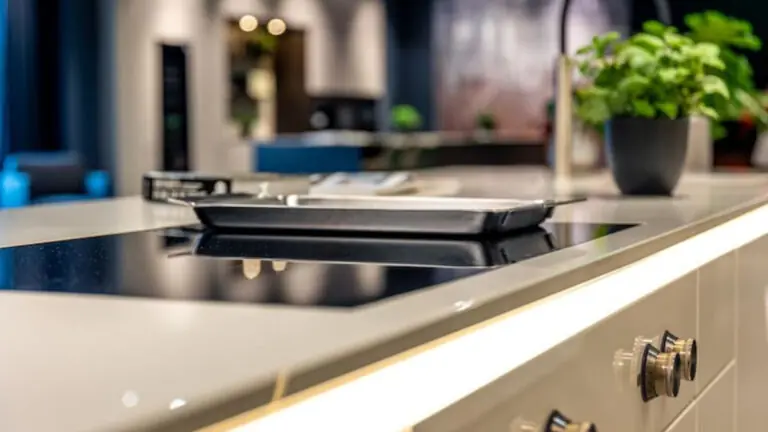
At the heart of the machine, buried just beneath the smooth ceramic glass surface, sits a tightly wound coil of copper wire. When you turn the power on, the induction cooktop draws an alternating current from your wall outlet and passes it directly through this copper coil. This flow of electricity creates a rapidly oscillating magnetic field that projects upward, passing right through the glass surface without losing any of its energy. This magnetic field is completely useless on its own and requires a partner to complete the loop, specifically a pot or pan made of a magnetic material such as cast iron or stainless steel. When you place a compatible pan onto the active zone, the oscillating magnetic field penetrates the metal base of the cookware, forcing the free electrons inside the metal to swirl frantically in tiny circular loops known as eddy currents. Because the iron or steel base of your pan has a high level of electrical resistance, these frantic currents struggle to move through the metal, converting that electrical friction directly into intense heat. In short, the pan itself becomes the heating element, cooking your food from the inside out while leaving the surrounding glass cooktop remarkably cool.
Why Cookware Compatibility Matters
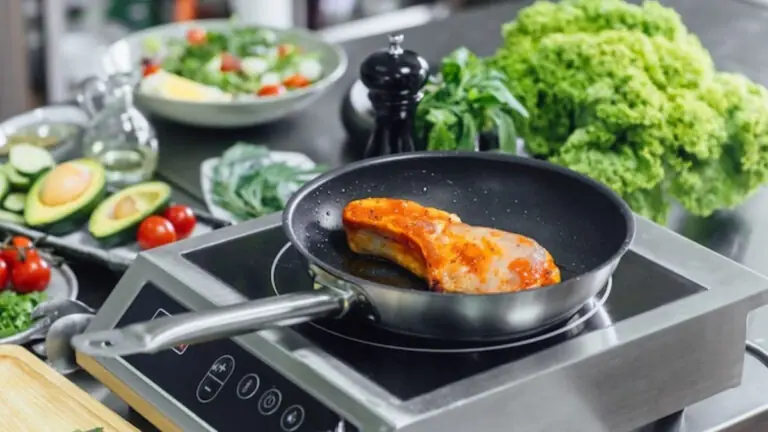
Because the entire heating mechanism relies on creating a magnetic loop, the material of your cookware is non-negotiable. If you try to use copper, aluminium, or glass pans on an induction surface, the magnetic field will simply pass through them without inducing any eddy currents, and the cooktop will refuse to heat up at all. The easiest way to check if your existing pots will work is the magnet test. Take a simple fridge magnet and press it to the bottom of your pan. If it clings firmly, the pan is ferromagnetic and ready for induction cooking, but if it falls off, you will need to invest in induction-compatible cookware with a magnetic iron base.
Maintaining Your Induction Cooktop: Best Practices
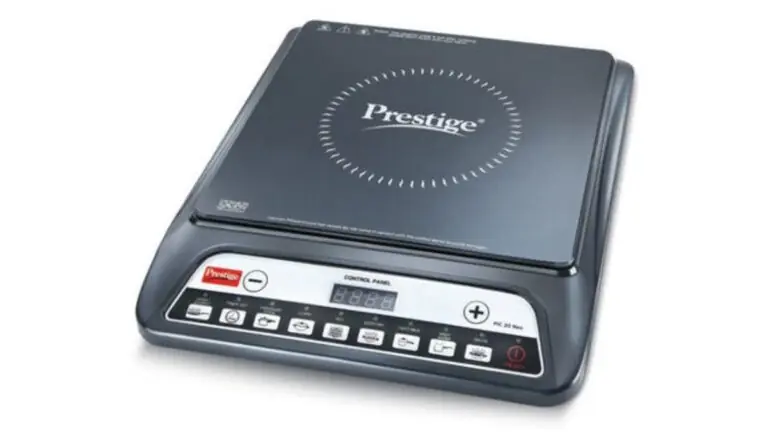
Since an induction stove relies on a pristine glass-ceramic surface to transfer its magnetic field evenly, maintaining the cleanliness of the cooktop is vital for both safety and efficiency.
- Clean Spills Immediately: While food won’t burn onto the surface as easily as it does on a hot electric stove (since the glass only gets warm from the pot’s residual heat), sugary spills can still pit or damage the glass if left to sit. Always wipe up spills with a damp microfiber cloth once the cookware is removed and the surface has cooled.
- Avoid Abrasive Scrubbers: Never use steel wool, rough scouring pads, or harsh chemical cleansers on the glass. These can leave tiny micro-scratches that weaken the glass over time and interfere with the magnetic connection. Stick to specialised cooktop cleaners or a simple mixture of baking soda and vinegar.
- Lift, Don’t Slide: Dragging heavy cast iron or stainless steel pots across the smooth glass surface is the quickest way to cause deep scratches. Make a habit of lifting your pans completely when moving them around the cooktop.
- Keep the Vent Paths Clear: Induction cooktops contain powerful internal fans designed to keep the copper coils cool during heavy use. Ensure that the air vents at the bottom and back of the appliance are completely free of dust, grease, and paper to prevent the internal electronics from overheating.
Preventing Physical Damage And Overheating
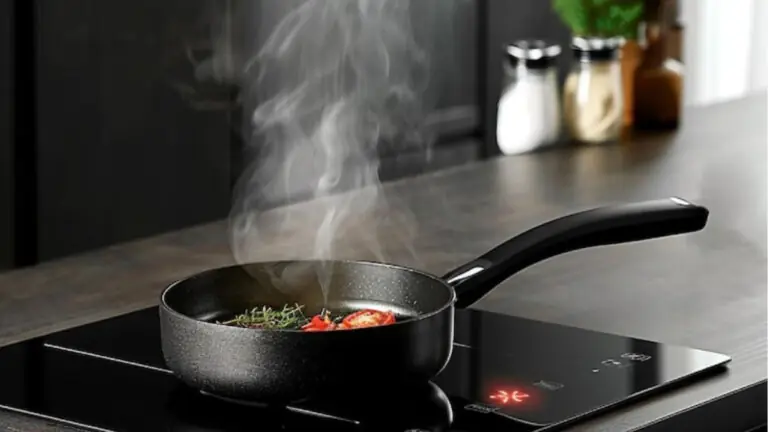
Beyond everyday cleaning, protecting the glass from physical impact and ensuring proper ventilation will extend the lifespan of your appliance significantly. Dragging heavy cast-iron or stainless-steel pots across the smooth glass surface is the quickest way to cause deep scratches, so you should make a habit of lifting your pans completely when moving them around the cooktop. Additionally, induction cooktops contain powerful internal fans designed to keep the copper coils cool during heavy use. You must ensure that the air vents at the bottom and back of the appliance are kept completely free of dust, grease, and loose paper to prevent the internal electronics from overheating and shutting down prematurely.