Paturi 101: The Bengali Steaming Technique Explained
Paturi 101: The Bengali Steaming Technique Explained
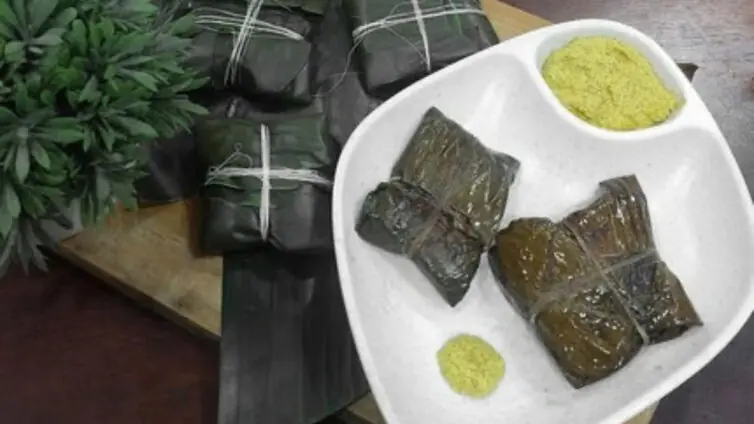


Bengali paturi gets its distinctive flavour from a simple but clever cooking method: wrapping fish or vegetables in banana leaves with a punchy mustard marinade before cooking them gently. The leaf keeps the filling moist while allowing the mustard, chillies and spices to work their way through. Here’s how this traditional technique comes together and what makes paturi so special.
There is a distinct theatrical joy in being served Paturi. A small, charred green parcel tied neatly with cotton thread arrives on your plate. As you snip the string and unfold the warm banana leaf, a cloud of steam escapes, carrying the sharp, eye-watering scent of raw mustard oil and cooked fish. This method of cooking food wrapped in leaves is an ancient indigenous technique designed to protect delicate ingredients from harsh direct heat while sealing in every drop of their natural moisture.
While the technique can be applied to paneer, mushrooms, or lentils, it is most famously paired with fresh Bhetki (barramundi) or Ilish (hilsa). Perfecting Paturi at home requires understanding three distinct elements: the chemical balance of the mustard paste, the physical preparation of the banana leaf, and the careful regulation of heat during cooking. Getting these steps right transforms a simple piece of fish into a velvety, aromatic delicacy that melts instantly in the mouth.
The Anatomy Of A Perfect Mustard Marinade
The soul of any Paturi lies in its marinade, known locally as shorshe bata. A common mistake when making this paste is using only black mustard seeds. Black mustard is highly pungent and can quickly turn bitter when ground. To create a balanced, creamy marinade, you must blend black mustard seeds with milder yellow mustard seeds in a one-to-one ratio.
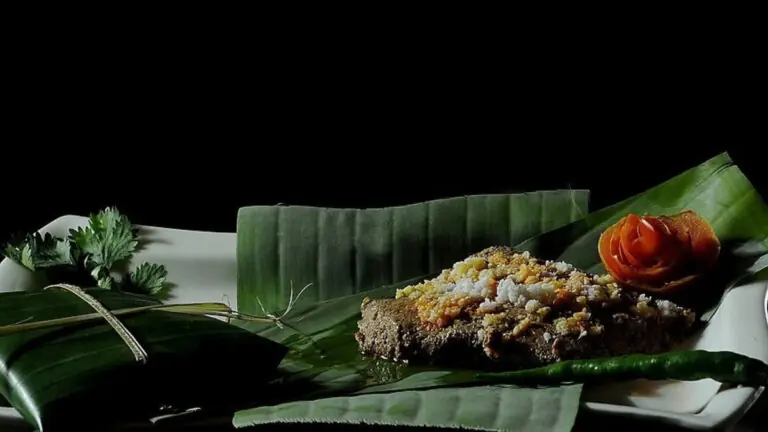
Grinding these seeds requires a specific technique to prevent the release of bitter compounds. You should always soak the seeds in warm water for fifteen minutes and grind them with a generous pinch of salt and a fiery green chilli. The salt acts as a buffer against bitterness. To add volume and a rich sweetness that cuts through the sharp mustard, fresh grated coconut and a spoonful of poppy seed paste (posto) are folded into the mix. The final and most crucial addition is a heavy drizzle of pungent, raw mustard oil. This oil acts as the primary cooking fat inside the leaf and provides the signature sharp kick that clears the sinuses.
Preparing The Canvas: Wilting The Banana Leaf
You cannot simply cut a fresh banana leaf from a tree and fold it. Raw banana leaves are full of water and have a rigid, brittle cellular structure. If you try to bend a fresh leaf around a piece of fish, it will immediately snap along its veins, allowing all the precious marinade to leak out into the pan.
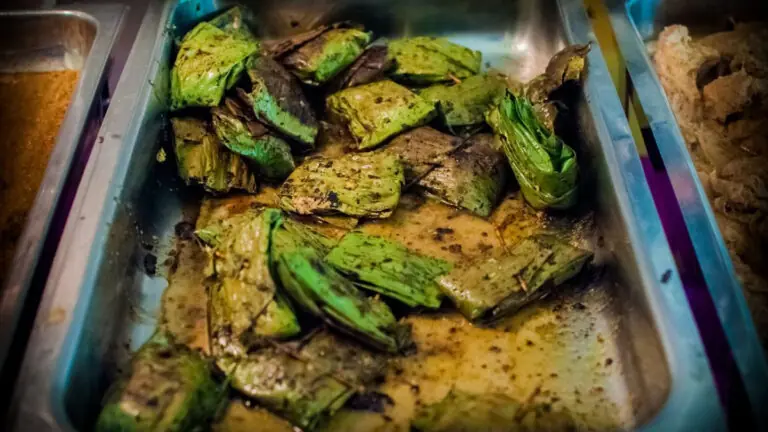
To make the leaves pliable, they must be wilted. First, you cut the broad leaf into neat rectangles and carefully slice away the thick, stiff midrib running down the centre. Then, you hold each leaf piece a few inches above a direct open gas flame, moving it swiftly back and forth. Within seconds, the heat expands the moisture inside the plant cells, and you will see the bright green colour darken to a glossy, deep emerald. This quick thermal shock breaks down the stiff structure, transforming the leaf into a soft, flexible material that handles like a piece of cloth.
The Art Of The Fold
Wrapping the marinated fish is a delicate operation designed to create a completely sealed cooking environment. You place a generous spoonful of the thick mustard and coconut paste in the centre of your wilted leaf. You lay the fish fillet on top of the paste, then cover the fish completely with another spoonful of marinade and a single slit green chilli.
The folding must be tight. You bring the top and bottom edges of the leaf over the fish to overlap, followed by folding in the left and right sides, creating a neat rectangular envelope. To keep the parcel from springing open during the cooking process, you tie it securely like a small gift box using simple cotton sewing thread. You must never use synthetic strings like nylon, as they will melt instantly when they touch a hot pan.
The Cooking Process: Slow Roasting For Even Heat
Once your parcels are tied, the final challenge is cooking the fish thoroughly without burning the leaf to ash. Because the fish is completely hidden, you cannot rely on visual cues to know when it is done. The heat must penetrate the thick layers of the banana leaf, bring the mustard oil inside to a boil, and gently steam the fish in its own trapped juices.
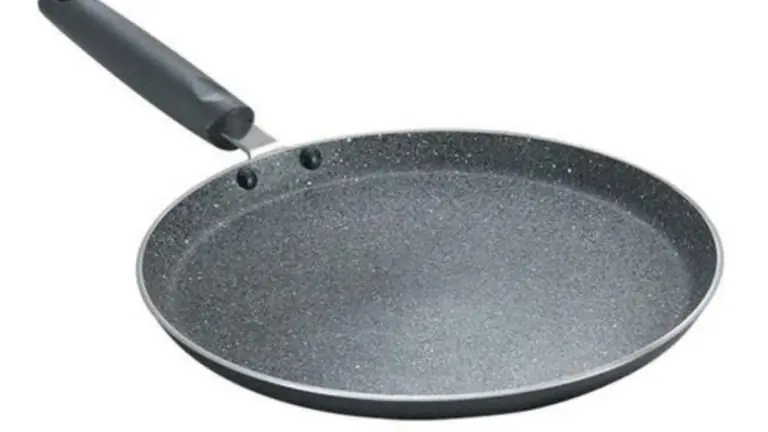
This requires a heavy, flat cooking surface that holds heat steadily. Placing the parcels on a Granite Tawa is the ideal approach. The thick, flat base of the tawa radiates a gentle, even heat across the entire surface of the leaf. You brush the tawa with a little mustard oil and place the parcels seam-side down to seal the folds.
Cooking them on a medium-low flame for about seven to eight minutes on each side is usually perfect for a standard Bhetki fillet. You want the banana leaf to char and turn slightly black on the outside. This charring is essential because it imparts a subtle, smoky aroma to the fish inside. As the parcels cook, the leaf changes colour and the kitchen fills with the scent of roasted banana leaf and warm mustard.
The Unveiling
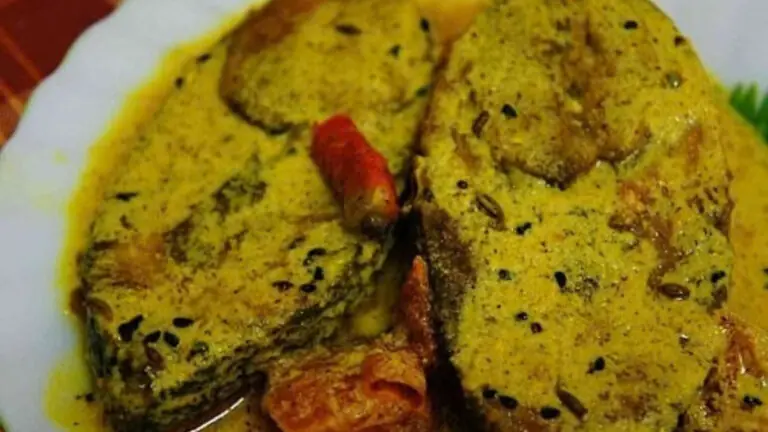
Paturi is meant to be served piping hot, straight from the pan to the dining table. The traditional way to eat it is alongside a mound of steaming hot, plain Gobindobhog or Basmati rice. The diner cuts the cotton thread themselves, opening the leaf to reveal the golden, mustard-coated fish resting inside a pool of its own rich, spiced oil. The combination of the smoky leaf aroma, the sharp bite of the mustard, and the incredibly tender, flaky fish creates a dining experience that feels entirely unique to the region.