Sweets Made With Khoya For Festival Season
Sweets Made With Khoya For Festival Season
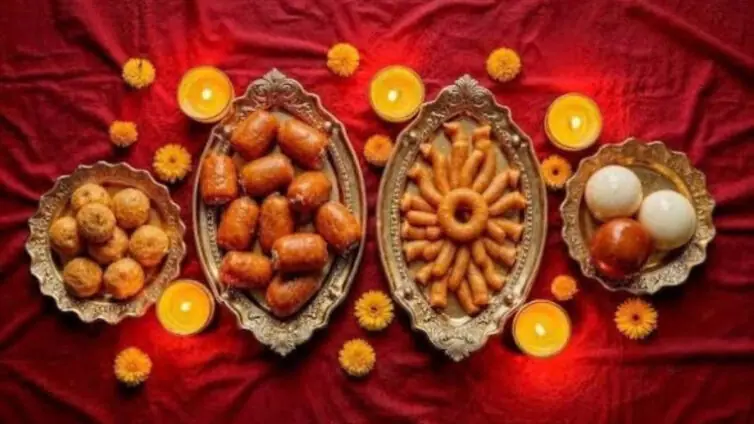


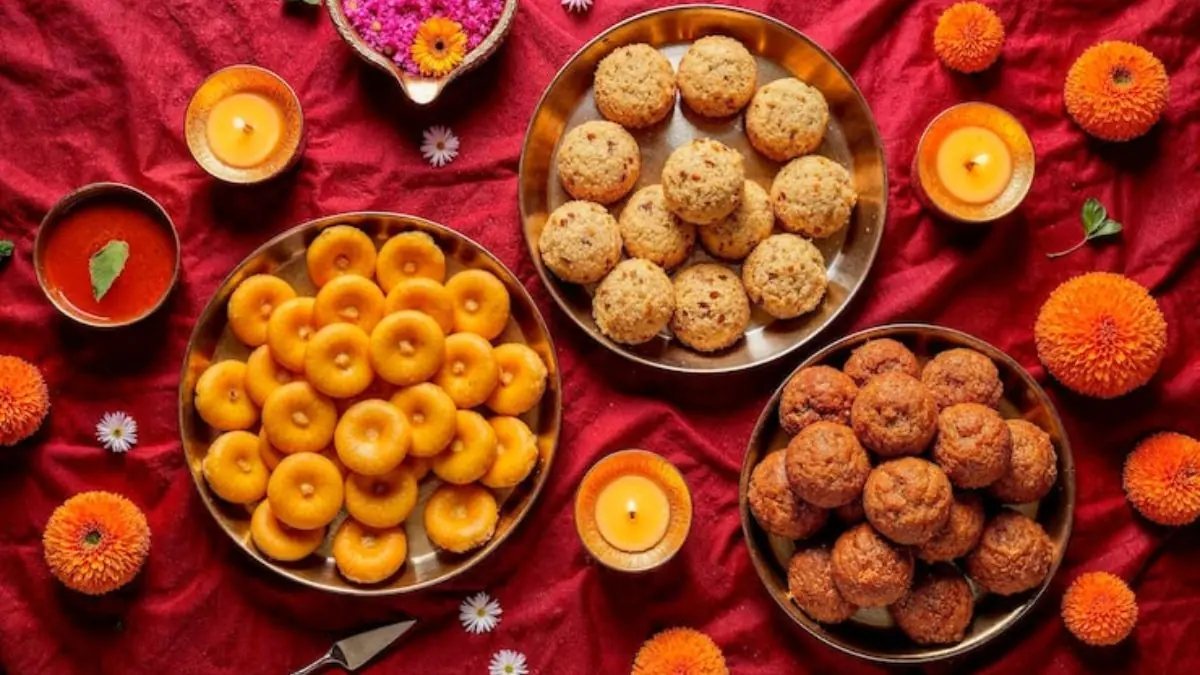
Khoya, or mawa, is behind some of the most loved festive sweets across South Asia. From soft gulab jamuns and crisp mawa gujiya to Mathura peda, khoya barfi and grainy kalakand, this rich milk solid adds depth and richness to countless traditional treats. Here’s a look at how khoya is made and the different ways it turns into festive favourites.
As the festival season approaches, Indian homes fill with the comforting, sweet scent of milk solids slowly roasting in heavy pans. At the heart of this seasonal celebration is khoya, also known as mawa. Prepared by slowly simmering full-fat milk in wide pans until the water completely evaporates, khoya concentrates the natural sugars, proteins, and fats of milk into a rich, velvety solid. It is the primary base upon which generations of halwais and home cooks have built the Indian sweet-making tradition.
Mastering festive sweet making with khoya requires an understanding of how different grades of mawa behave under heat. Whether you are aiming for the pillowy softness of Gulab Jamun or the rich, dark caramel notes of a Mathura Peda, managing temperature and moisture levels is critical. Using reliable, heavy-bottomed cookware like a cast iron pan ensures that delicate milk fats brown evenly without scorching, giving your festive sweets a clean, professional finish.
Decoding The Three Grades Of Khoya
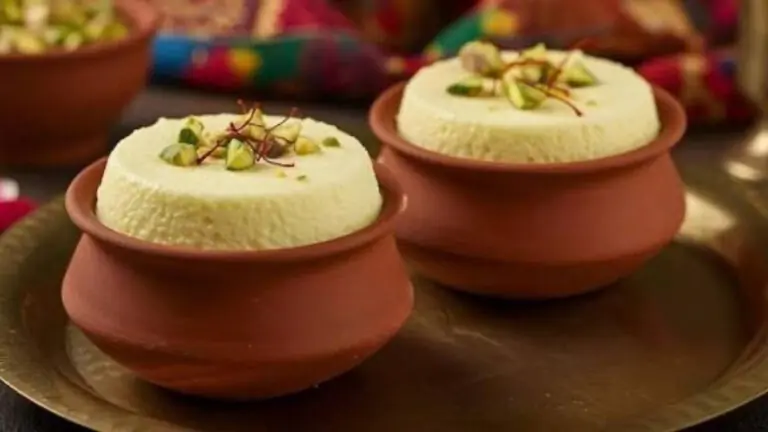
Before stepping into the kitchen, understanding which type of khoya suits your chosen sweet is essential. Commercial sweet makers categorise khoya into three distinct varieties based on moisture content and texture:
- Chikna or Hariyali Khoya: This variety contains the highest moisture content, making it soft, sticky, and smooth. It is specifically used for sweets that require smooth binding and deep frying, such as Gulab Jamun, Kala Jamun, and Pantua.
- Batti Khoya: This is the firmest and densest form of khoya, reduced until it hardens into a solid block. Because of its low moisture content, it can be grated easily. It forms the base for classic Khoya Barfi, Peda, Laddoo, and rich halwas like Lauki or Gajar Halwa.
- Danedar Khoya: Curdled slightly during the reduction process using a splash of acid, this grade has a granular, curd-like texture. It is used exclusively for sweets that demand a grainy mouthfeel, such as Kalakand, Milk Cake, and Granular Mohanthal.
Golden Mawa Gujiya: The Crisp Festive Pocket
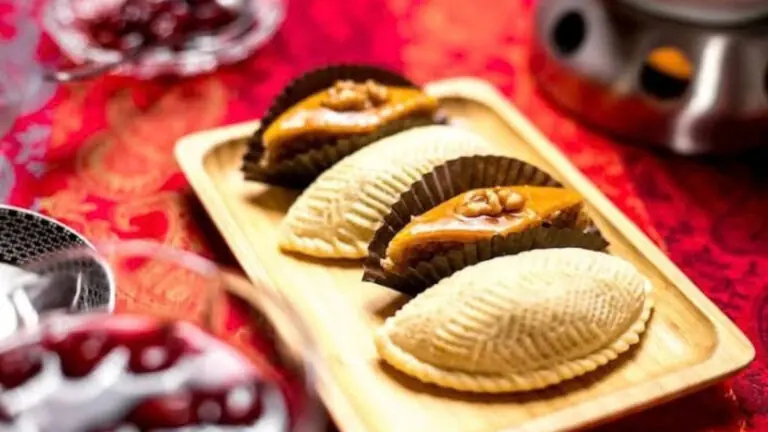
A staple of Holi and Diwali celebrations across Northern and Central India, Gujiya is a golden, half-moon turnover stuffed with a rich khoya filling. The outer pastry shell is crafted from refined flour rubbed with ghee (moyan) and kneaded into a firm dough. The filling combines grated Batti khoya roasted until golden, tossed with green cardamom powder, desiccated coconut, powdered sugar, and a generous mix of chopped nuts.
Prepping the dry fruit filling requires fine, uniform pieces that will not pierce the delicate pastry dough during folding. Running almonds, cashews, and pistachios through an Electric Vegetable Chopper produces a clean, finely minced texture in seconds. Once stuffed and crimped, the gujiyas are shallow-fried over a steady, medium-low flame. Maintaining a stable oil temperature is vital so the crust cooks down to a pale, shattering crisp without bubbling prematurely or burning the rich filling inside.
Melt-In-The-Mouth Gulab Jamun And Kala Jamun
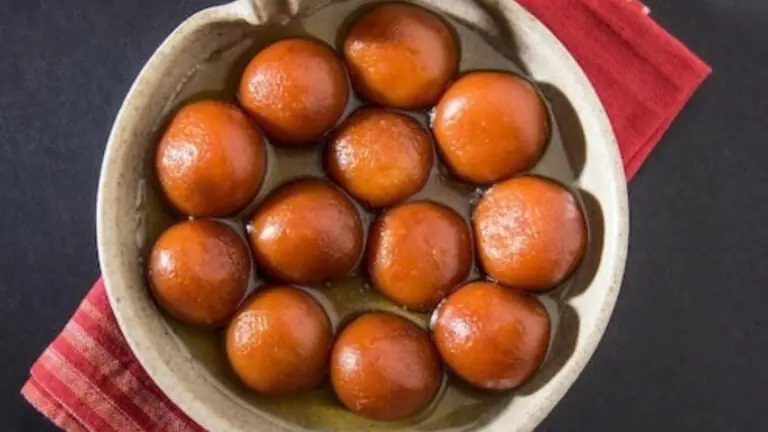
Gulab Jamun remains the undisputed monarch of the festive sweet platter. Achieving that perfect, cloud-soft texture requires combining soft Chikna khoya with a small amount of fresh chena (cottage cheese) and a pinch of refined flour for binding. The secret to a non-chewy jamun lies in light handling; the dough must be brought together gently without aggressive kneading, which would over-develop the gluten and yield dense, heavy centres.
The frying process demands absolute patience. The rolled dough balls must be lowered into warm, low-temperature ghee or oil. If the oil is too hot, the exterior darkens instantly while the core remains raw and doughy. As the balls slowly expand and float, they are gently rotated until uniformly golden. For Kala Jamun, the milk solids are cooked for slightly longer at a slightly higher temperature, allowing the natural sugars in the khoya to deeply caramelise into a dark mahogany finish. Soaking the warm jamuns in a saffron and cardamom-scented sugar syrup ensures every sphere absorbs liquid right to its centre.
Caramelised Mathura Peda And Classic Khoya Barfi
Originating from the holy city of Mathura on the banks of the Yamuna, Mathura Peda is famous for its distinct amber hue and earthy, caramelised flavour. Unlike pale white pedas, the khoya for Mathura Peda undergoes a rigorous bhunao (slow roasting) process alongside a spoon of ghee until the milk proteins turn a dark, golden brown. Once cooled slightly, the mixture is combined with tagar or boora (coarsely powdered unrefined sugar) and hand-rolled into rustic, uneven discs.
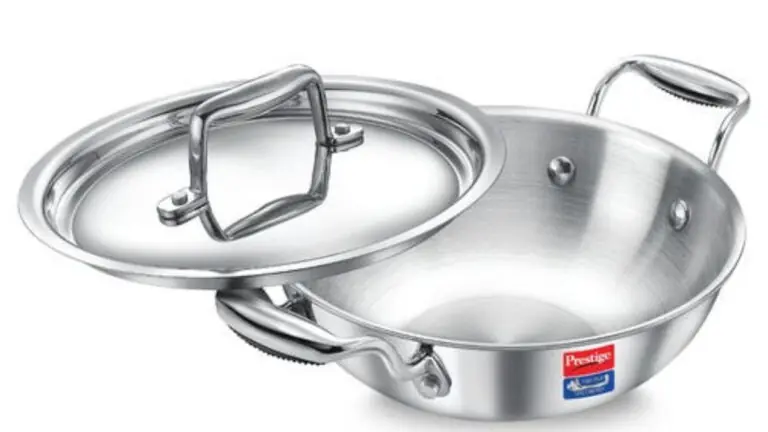
For a classic Khoya Barfi, grated Batti khoya is warmed in a pan with fine sugar until the sugar melts and hydrates the milk solids. The mixture is stirred continuously until it leaves the sides of the pan and forms a soft, glossy mass. Cooking this sticky mixture requires consistent, even thermal distribution so the dairy fats do not scorch. Using a Tri-Ply Kadai ensures the heat spreads uniformly across the base and sides, preventing hot spots and yielding a silky, fudge-like set once poured into a tray and garnished with silver vark and slivered pistachios.
Grainy Danedar Kalakand And Milk Cake
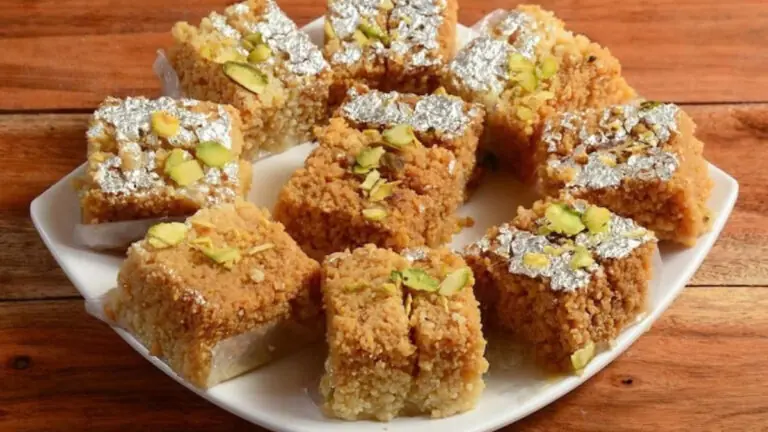
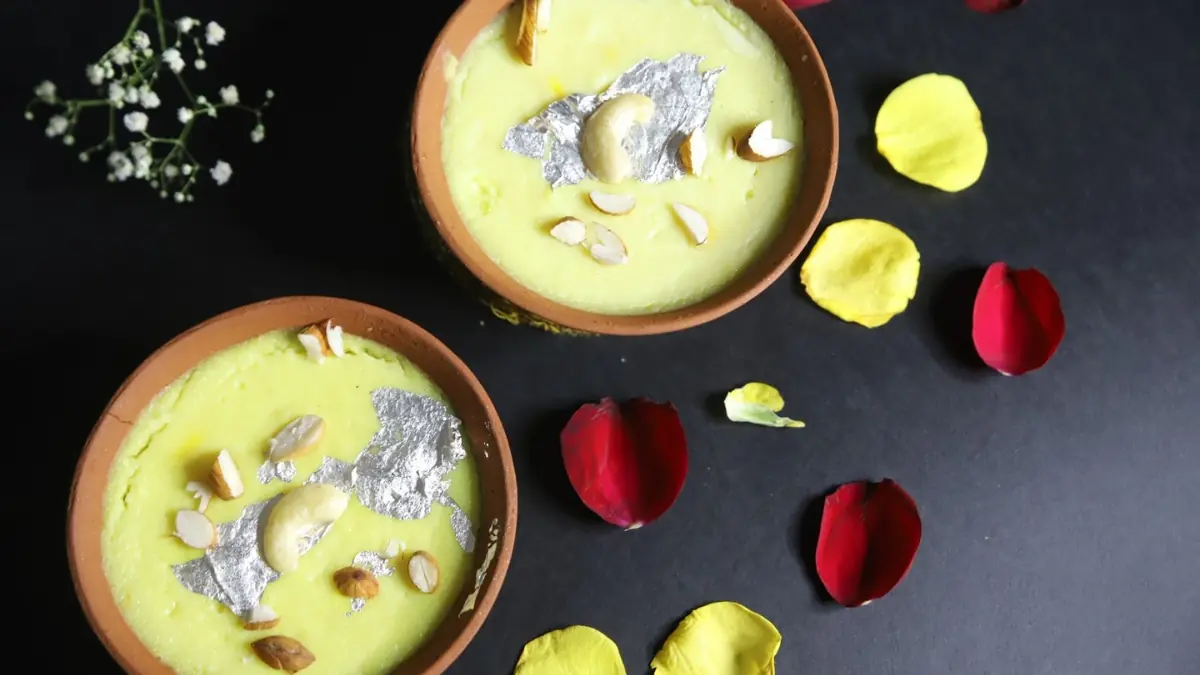
Celebrated for its moist, melt-in-your-mouth texture, Kalakand relies on Danedar khoya or a blend of reduced milk and fresh chena. The beauty of this sweet lies in its subtle sweetness and pronounced milky flavour, elevated only by a dusting of green cardamom and crushed pistachios. The mixture is cooked down gently until it holds together loosely, then transferred into a greased tray to set into soft, juicy squares.
Milk Cake takes this granular profile a step further by utilising prolonged heat trapping. Once the sweetened, grainy milk solids reach a deep golden stage, the pan is wrapped in thick cloth or placed in an insulated container. This slow cooling process traps residual heat within the dense centre, continuing the caramelisation process overnight. When sliced, the milk cake reveals a beautiful two-tone gradient with a dark, caramelised core wrapped in a lighter outer layer.