5 Bengali Puja Foods You Must Try This Durga Puja
5 Bengali Puja Foods You Must Try This Durga Puja


Durga Puja brings plenty of food to the table, with traditional Bengali dishes taking centre stage alongside the celebrations. From fragrant Gobindobhog rice and pungent mustard oil to the familiar warmth of panch phoron, these five festive favourites capture the flavours of Bengali cooking and the comfort of a proper Puja feast.
The arrival of autumn brings with it the unmistakable rhythm of the dhak and the vibrant energy of Durga Puja. For five days, the festival transforms cities into sprawling carnivals of art, devotion, and above all, food. In Bengali culture, eating during Puja is not just a necessity but a communal joy. Whether you are navigating crowded food stalls outside a pandal or sitting down for a traditional community meal, the flavours of this festival are deeply nostalgic. Recreating this magic at home allows you to experience the rich textures and aromas of Bengal in your own dining space.
Preparing a full festive spread requires careful timing and the right equipment to handle deep frying, slow braising, and pressure cooking simultaneously. Relying on durable kitchen companions ensures that heavy milk reductions and thick gravies cook evenly without catching at the base. From the sacred temple offerings to the rich meat curries of the final days, these five quintessential dishes capture the true spirit of Durga Puja, bringing the heart of the celebration right to your dining table.
Bhoger Khichuri
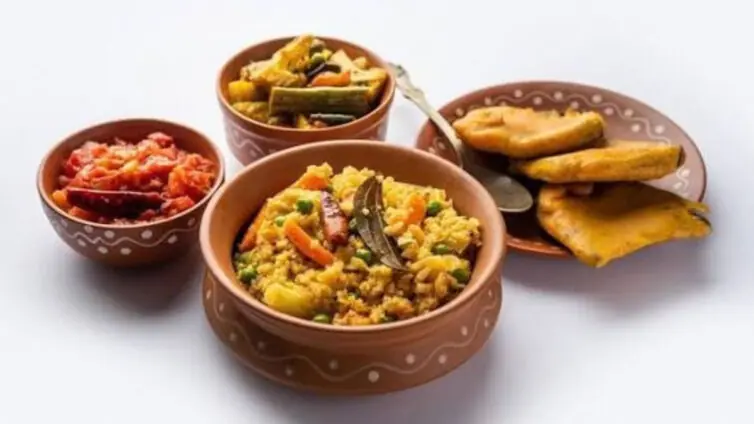
The heart of Ashtami day is the sacred Bhoger Khichuri. Unlike everyday khichdi, this version is intensely aromatic and entirely vegetarian, made without onions or garlic. The secret to its distinct flavour lies in dry roasting the yellow moong dal until it turns golden brown before cooking it with fragrant Gobindobhog rice. The dish is tempered with pure ghee, cumin seeds, bay leaves, dry red chillies, and whole garam masala, yielding a rich, thick porridge that tastes remarkably luxurious.
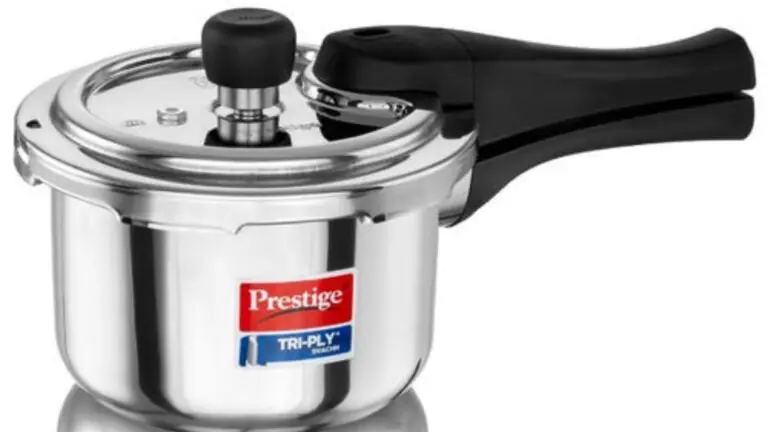
Cooking this hearty dish requires the grains and lentils to melt together perfectly without turning into a mushy paste. Using a Pressure Cooker allows you to achieve that velvety texture in minutes. Its unique lid design ensures the starchy water stays safely inside the pot instead of bubbling over your stove, keeping your kitchen clean while the spices infuse deeply into the rice and lentils.
Niramish Labra
No serving of Bhoger Khichuri is complete without a generous side of Labra. This traditional vegetable medley brings together seasonal produce like yellow pumpkin, sweet potatoes, radishes, ridge gourd, and eggplant. The vegetables are cooked in pungent mustard oil and tempered with panch phoron, a classic Bengali five-spice blend consisting of cumin, fennel, fenugreek, black mustard, and nigella seeds.
As the dish simmers, the vegetables release their natural juices and slowly meld into a sweet and spicy mash that balances the richness of the khichuri perfectly. Chopping such a vast array of hard root vegetables can take hours, but using an Electric Vegetable Chopper cuts the preparation time drastically. It gives you uniform pieces that cook down evenly into the rich mustard oil base, ensuring every bite is perfectly tender.
Phulko Luchi And Cholar Dal
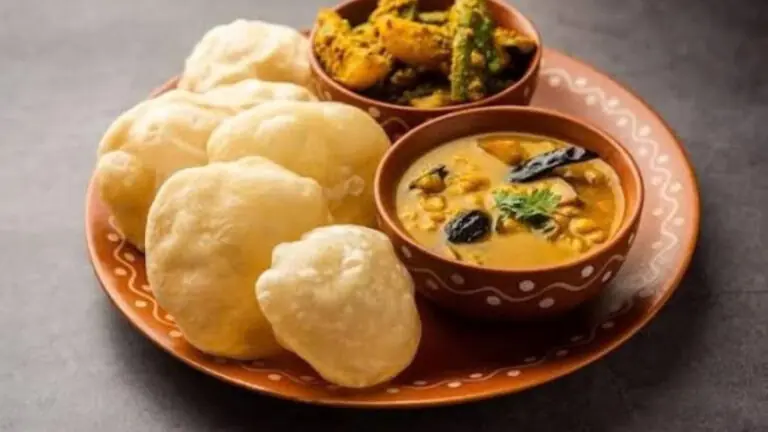
Mornings during the festival are synonymous with plates of piping hot, puffed Luchi and sweet, coconut-studded Cholar Dal. Luchi is a deep-fried flatbread made entirely from refined flour, giving it a pristine white colour and a shatteringly crisp, flaky texture. The accompanying Bengal gram dal is cooked with fried coconut bits, raisins, and a hint of sugar to balance the subtle spices of ginger and cumin.
Frying perfect luchis requires maintaining the cooking oil at a precise, steady temperature so the dough puffs up instantly without absorbing excess grease. A Hard Anodised Fry Pan holds thermal energy beautifully, ensuring your oil stays consistently hot batch after batch. This steady heat delivery guarantees perfectly golden, airy breads every time, allowing you to serve them straight from the pan to the plate.
Kosha Mangsho
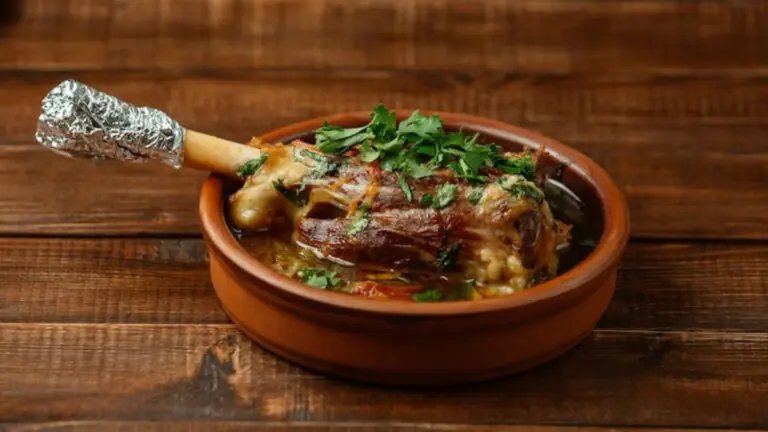
As the festival progresses into Nabami, the menu shifts from light vegetarian fare to rich, celebratory meat dishes. Kosha Mangsho is a legendary slow-cooked mutton curry known for its dark, velvety gravy and melt-in-the-mouth meat. The word “kosha” refers to the technique of continuously frying the meat and spices over a low flame for a very long time. The mutton is marinated in thick yoghurt, mustard oil, and ground spices, then braised slowly with caramelised onions until the oil separates and the gravy turns a deep, mahogany brown.
Because the meat cooks in its own juices for hours, it requires a heavy vessel to prevent the dense spice paste from burning. Preparing this masterpiece in a Tri-Ply Kadai ensures uniform heat distribution right up the sides of the pan. This allows the rich flavours to develop safely over a gentle, steady flame, ensuring the meat tenderises beautifully without the gravy catching at the bottom.
Gobindobhog Chaler Payesh

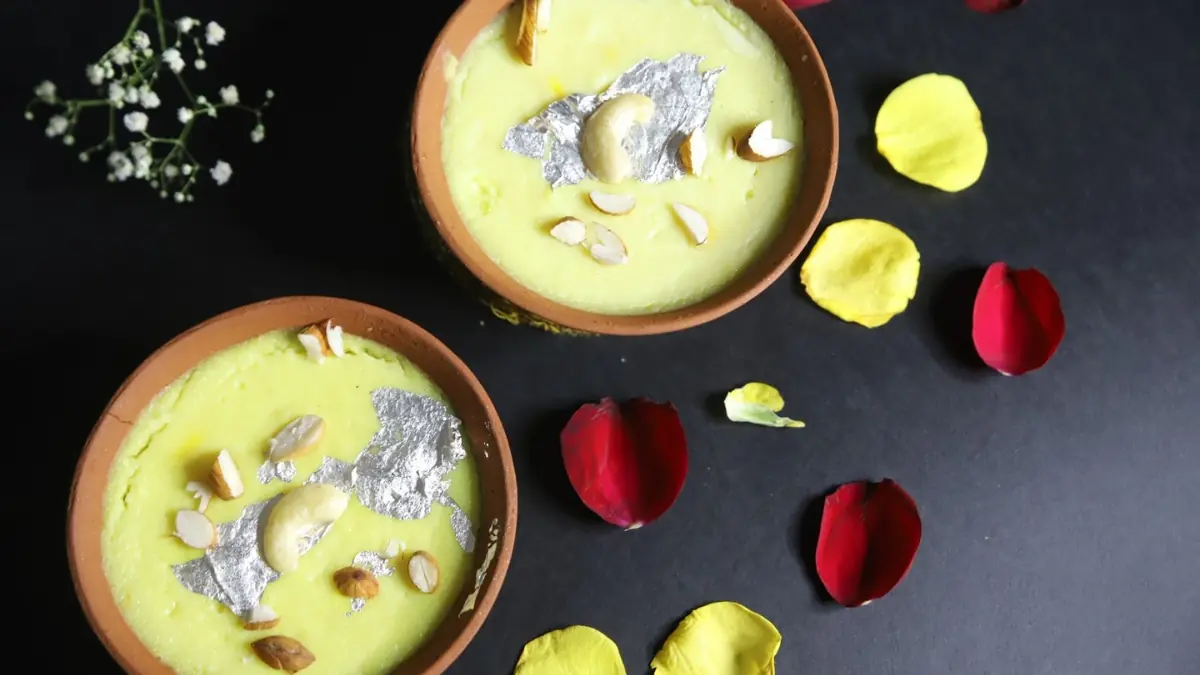
Every Bengali celebration concludes with a bowl of Payesh, a rich and creamy rice pudding. The festive version specifically uses Gobindobhog rice, a short-grain, highly aromatic rice native to Bengal. The rice is simmered slowly in full-cream milk until the liquid reduces by half, absorbing the delicate scent of the grains. It is then sweetened with sugar or, if available, the early seasonal drops of date palm jaggery, and garnished with roasted cashews and raisins. Boiling milk for extended periods is a delicate process that requires constant vigilance. Using a heavy-bottomed pan or relying on the steady, low heat of a Multi-Cooker keeps the milk simmering gently without scorching the bottom. This slow reduction results in a flawless, caramelised pudding that captures the sweet essence of the festival, offering the perfect finish to your grand Durga Puja feast.