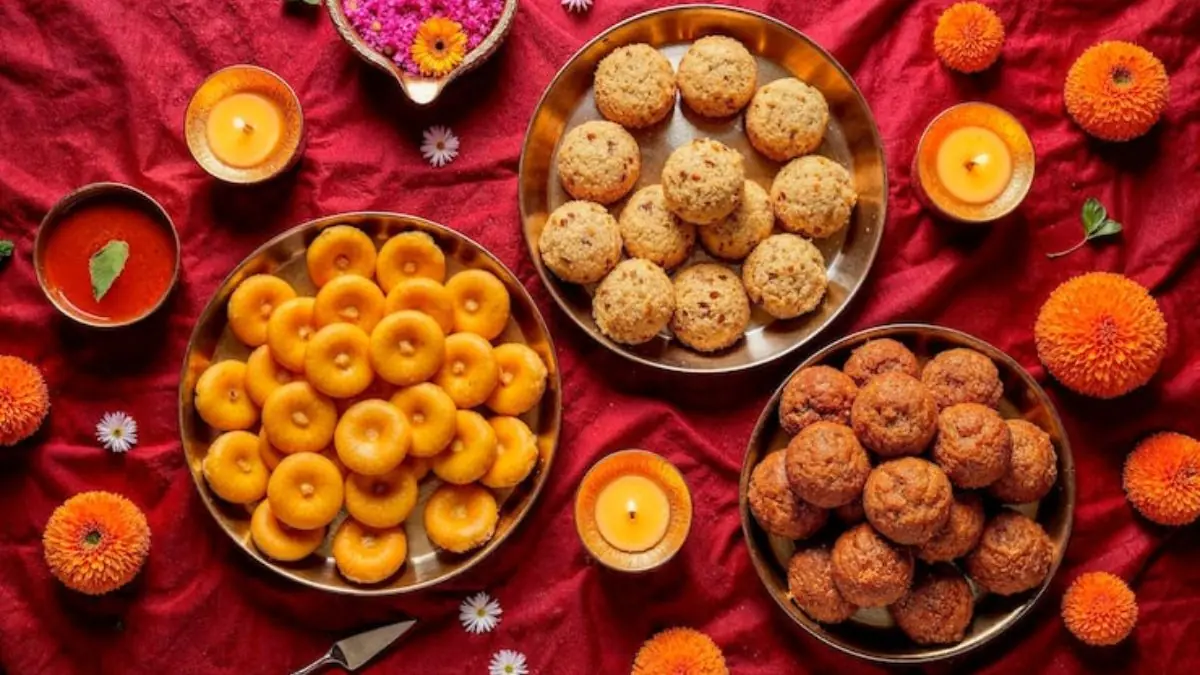
Navratri Diet Plan: Healthy Fasting Without Weight Gain
Navratri Diet Plan: Healthy Fasting Without Weight Gain


Fasting during Navratri often backfires because "vrat food" turns into an excuse for fried snacks and sugar-loaded sweets. This Navratri diet guide offers a practical approach to traditional fasting without risking unwanted weight gain.
Navratri means the nine nights of garba, playing dandiya, lighting diyas, and fasting rules that devotees swear by. However, when a plate of deep-fried sabudana vadas shows up, which comply with the vrat rules, the idea of actually fasting goes out of the window. And more often than not, by the end of Navratri, when people step on the weighing scale, the fasting period actually makes them gain a few extra kilos.
It’s important to note that neither fasting nor vrat-friendly ingredients is the problem here. If planned properly, a Navratri diet can help you cut refined grains and processed snacks, thus helping your gut feel at ease. You only risk gaining weight when you give in to deep-fried vrat-friendly snacks, sugar-heavy sweets, and ghee-laden foods at odd hours. Replace the marketed vrat foods with millets, fresh fruits, and vegetables and see what it does to your body.
Navratri Vrat-Friendly Foods And How To Eat Them
The fasting rules usually involve abstaining from whole-wheat flour, rice, onion, garlic, table salt, lentils, etc. The swaps for these are simple: millet flours, dairy products, nuts, fruits, and fresh vegetables. However, how you add the vrat-friendly ingredients to your plate makes a difference.

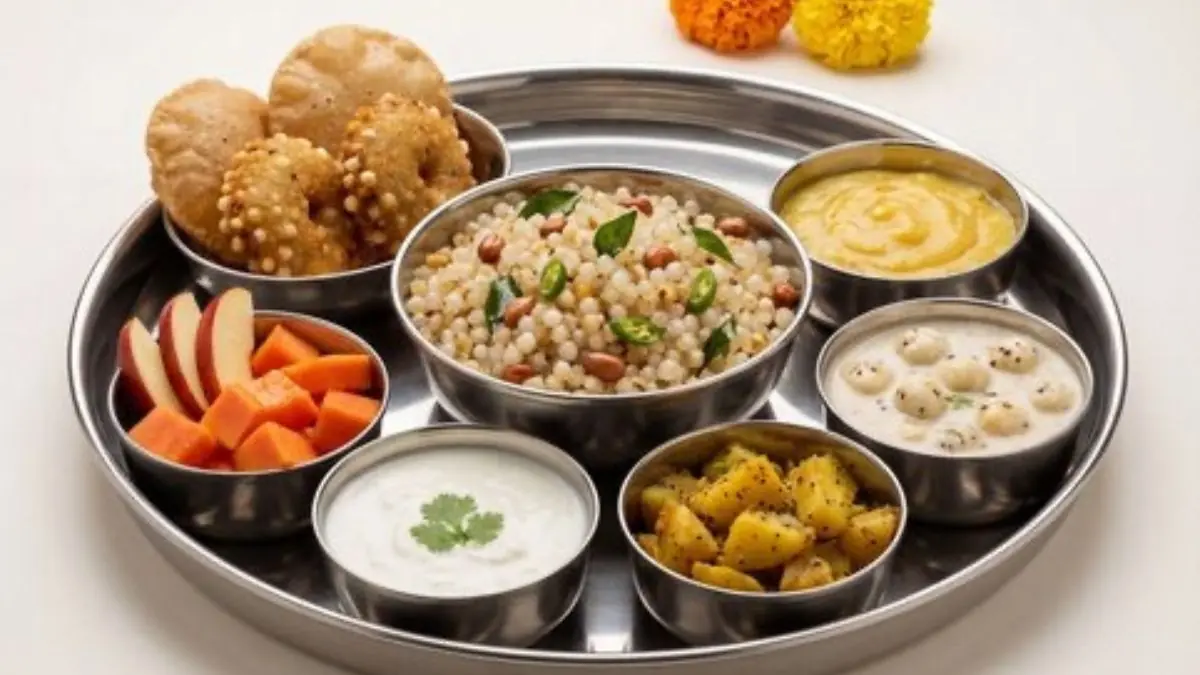
A single thali of fried puris, sabudana vada, and halwa can hit 1,500-2,000 calories in one sitting, which is close to a full day’s intake for most people, eaten in twenty minutes. Knowing exactly which version of the fast you’re following, and where there’s room to adjust it, is the first real step toward a Navratri diet that doesn’t work against you.
Building A Healthy Navratri Thali
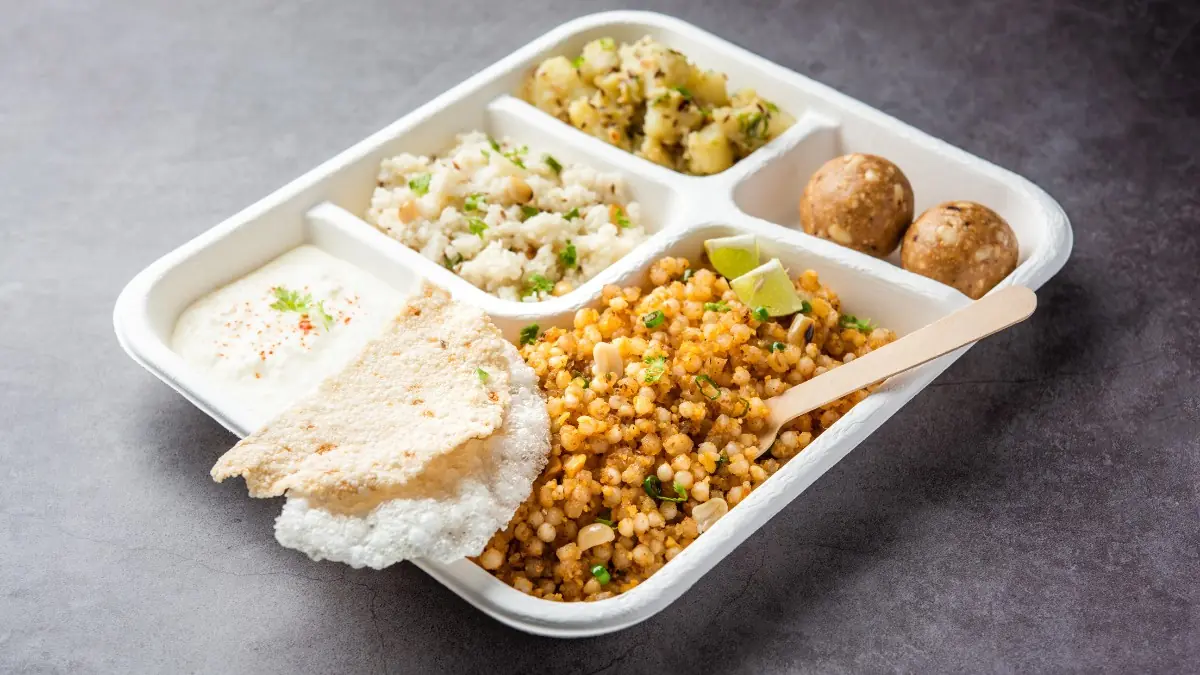
A vrat thali needs the same things any other meal needs: protein, fibre, some fat, and carbohydrates that don’t spike and crash. Swap puri for a kuttu or singhara roti, and pair it with a vegetable curry made from pumpkin, lauki, or arbi, cooked in a small amount of oil with cumin and rock salt. Add curd or paneer for protein. It also slows digestion, which keeps hunger at bay.
Skip fried sabudana in favour of the roasted or lightly sautéed version. A handful of soaked makhana or a few almonds and walnuts adds fat and crunch without much extra work. Cucumber or a plain salad on the side adds volume for almost no calories. There’s nothing complicated about this plate. It follows the same logic as any balanced meal, just built from ingredients that are vrat-approved.
Fasting Foods Worth Eating
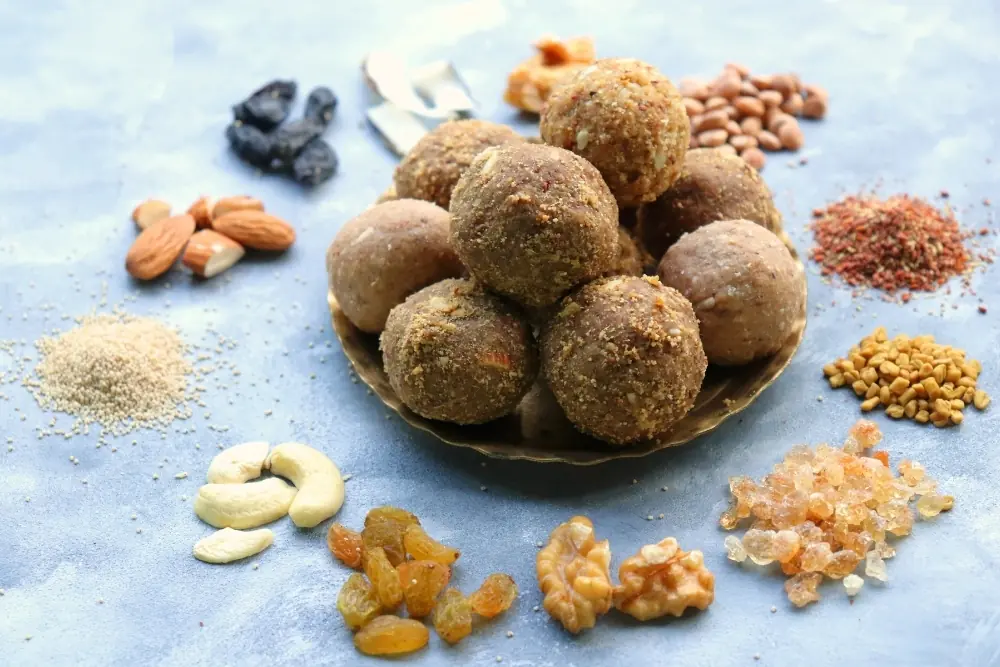
A few Navratri staples do real nutritional work. Rajgira is high in protein, calcium, and iron, which makes it worth using in rotis or laddoos, sweetened lightly with jaggery rather than sugar syrup. Singhara flour is low in fat and carries a decent amount of potassium, useful for keeping electrolytes steady during fasting. Kuttu isn’t a wheat relative despite the name; it’s a gluten-free grain with fibre and magnesium that helps keep digestion moving.
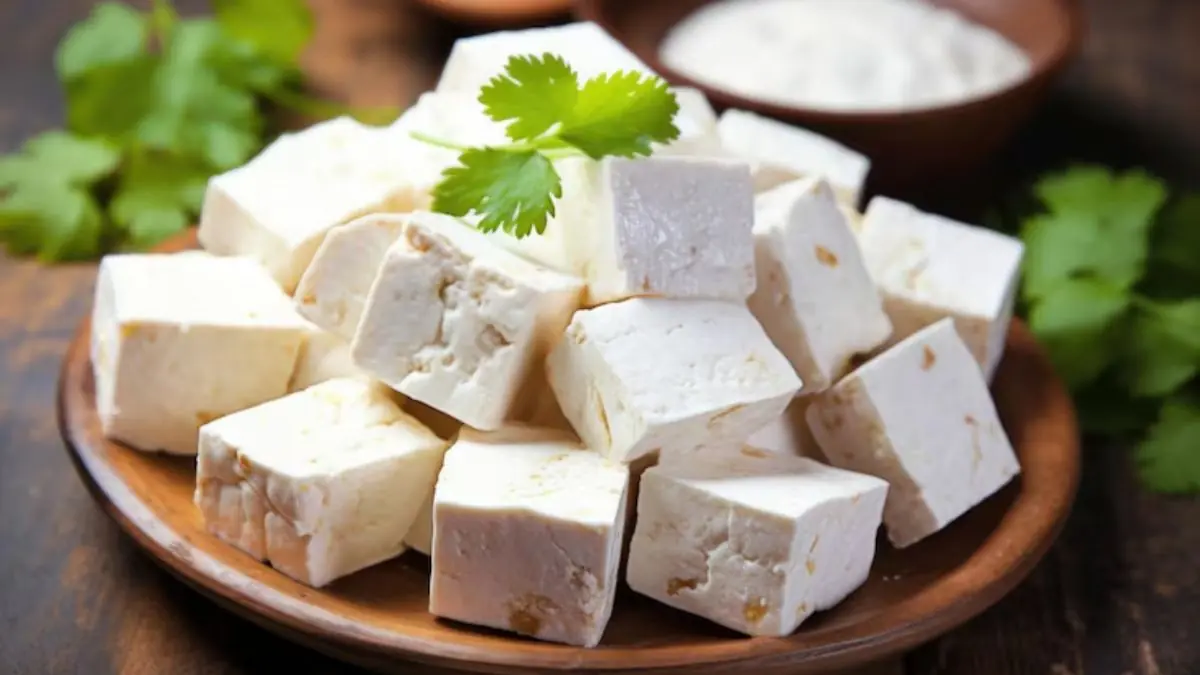
Fruit does a lot of the heavy lifting here, too. Bananas, apples, papaya, and pomegranate bring natural sugar, fibre, and water content, and they work well as a mid-morning or evening snack when hunger starts creeping in. Milk, yoghurt, and paneer fill in the protein gap left by cutting out regular lentils. Pumpkin seeds, almonds, and walnuts, kept to a small handful rather than a bowlful, add healthy fat and buy enough time between meals that overeating later becomes less likely.
Stay Hydrated Throughout The Day
Hydration gets ignored more than anything else during Navratri, and it shows up fast in headaches, low energy, and skin that looks tired by day four. Rock salt doesn’t carry the same mineral mix as regular table salt, and fewer meals often mean less fluid intake without anyone noticing. Eight to ten glasses of water a day, along with coconut water, chaas, and fruit-infused water, help keep things steady and support digestion during the fast.
Cut Down The Oil While Cooking

Most of the reputation Navratri food has for being unhealthy comes down to cooking method, not ingredients. Sabudana khichdi, sautéed with a bit of oil, peanuts, and curry leaves, is a genuinely light dish. Deep-fry it into vada, and it becomes something else entirely. A non-stick pan with a teaspoon of ghee does almost the same job as a deep fryer. An air fryer gets kuttu puris and sabudana vadas most of the way to their usual crunch with a fraction of the oil. Roasted makhana in a dry pan with rock salt and black pepper satisfies the craving for something crispy without frying.
Sample Meal Plan For Navratri
After waking up, start your day with a glass of warm water followed by a handful of soaked almonds. For breakfast, you can have a gut-friendly meal like fruit chaat, roasted peanuts, and a glass of lassi or a smoothie. Before you move on to lunch, you can keep yourself hydrated by adding some coconut water or a cup of herbal tea while working or finishing chores.
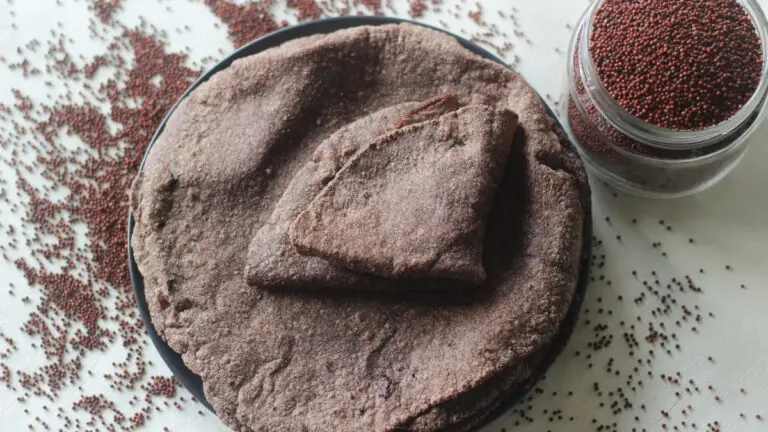
Build your lunch thali with lauki ki sabzi, kuttu ki roti or a small portion of samak ke chawal with a bowl of raita and a side of fibrous salad. For a quick evening snack to pair with your chai or coffee, have roasted makhana or a trail mix made without table salt. Keep the dinner light with options like sabudana khichdi or grilled paneer with curd. Add fruits and nuts to your plate. Have a warm glass of spiced milk before going to bed, and you’ll have a good night’s sleep.