Lesser-Known Indian Sweets Every Dessert Lover Should Try
Lesser-Known Indian Sweets Every Dessert Lover Should Try
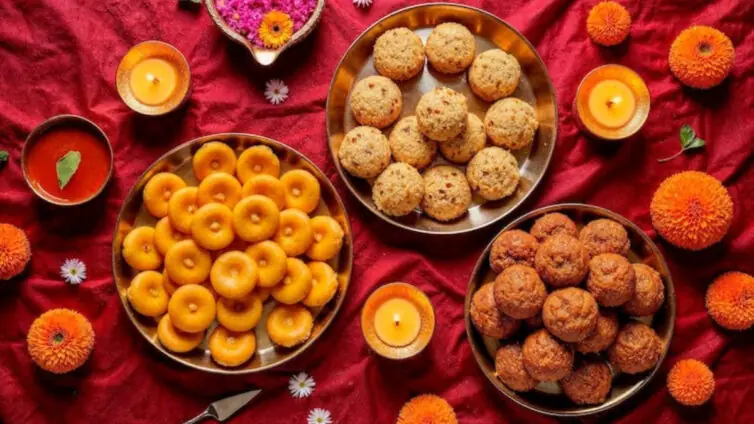


Indian confectionery extends far beyond popular festival staples like jalebi or laddoos, featuring a vast repository of regional, milk-based and flour-rich delicacies. Exploring five lesser-known traditional sweets reveals how micro-climates, ancient fermentation techniques, and hyper-local ingredients shape a remarkably diverse dessert heritage.
When exploring Indian sweets, conversations usually gravitate toward universally recognised treats like gulab jamun, barfi, or kaju katli. However, India’s culinary landscape harbours countless micro-regional desserts that rarely make it onto restaurant menus or commercial shelves. These lesser-known sweets are deeply tied to local agricultural practices, seasonal milk yields, and centuries-old domestic techniques. Crafting these regional specialties often demands extreme precision, particularly when handling delicate milk reductions, subtle acid fermentations, or precise sugar syrups that crystallise at exact temperatures. Using advanced kitchen tools like the Prestige PIC Series Induction Cooktop helps maintain the stable, controlled low heat required for these temperamental preparations, eliminating the risk of scorching. These five hidden gems of Indian confectionery offer extraordinary textures and complex flavour profiles that every dedicated dessert lover should experience.
Chhena Poda
Hailing from the coastal state of Odisha, Chhena Poda translates literally to “baked cheese,” representing one of the few traditional Indian desserts that relies on a baking technique rather than stove-reduction. The process begins with fresh, unstrained cottage cheese, or chhena, kneaded thoroughly with semolina, sugar, and dark caramel. This dense mixture is packed into a container and baked slowly over hours until the exterior forms a deeply caramelised, dark crust while the interior remains remarkably moist and spongy. Achieving that signature deep brown exterior without burning the sugar requires a steady, ambient heat source. Utilising a heavy vessel on an induction cooktop allows you to replicate this slow baking environment effectively. The rich, smoky sweetness of the caramel combined with the warm notes of cardamom makes it an unforgettable dessert experience.
Dharwad Peda
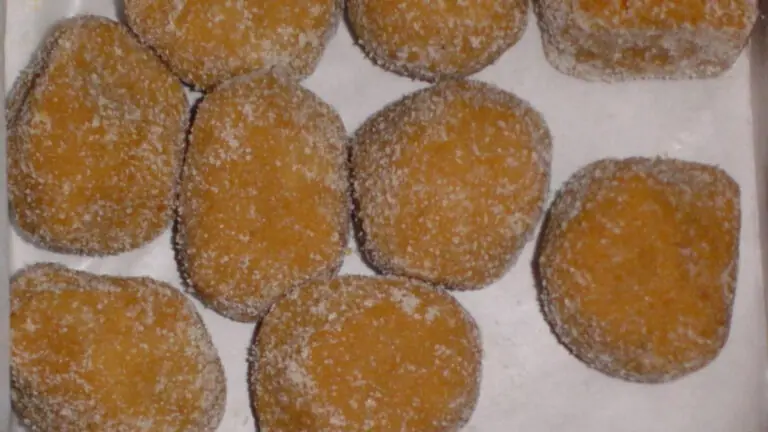
Unlike the soft, melt-in-the-mouth pedas found across North India, the famous Dharwad Peda from Karnataka features a deeply textured, chewy bite and a rich, coffee-coloured appearance. The secret lies in a rigorous, multi-hour reduction of buffalo milk mixed with sugar until it darkens naturally through caramelisation rather than added colourings. The reduced mass is then crumbled, rolled in fine sugar, and aged slightly to develop its signature complex flavour profile. This process demands constant, uniform stirring over hours to prevent dairy solids from sticking to the pan. Preparing this sweet using a heavy-bottomed pan on an induction cooktop provides the consistent thermal control necessary to caramelise the milk solids evenly, resulting in a sweet that bridges the gap between fudge and caramel.
Mysore Pak
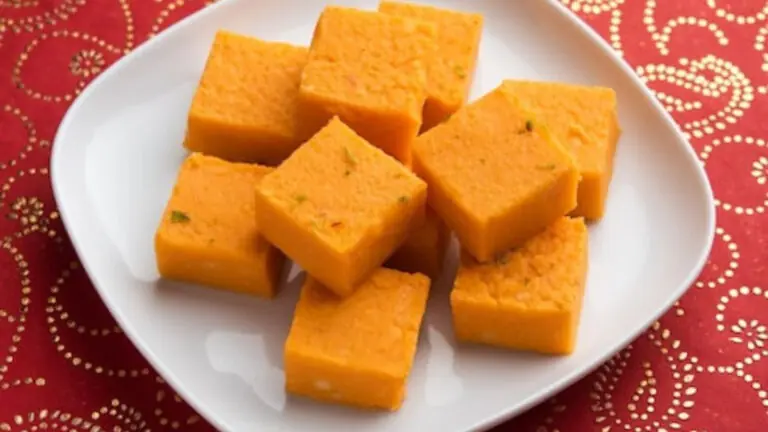
Mysore Pak is legendary for its rich, buttery decadence, yet many home cooks avoid attempting it due to its reputation for difficulty. The authentic traditional version relies on an exact ratio of chickpea flour, sugar syrup, and a staggering amount of foaming ghee. The magic happens when hot ghee is ladled into the bubbling besan and sugar mixture, causing the proteins to froth up and create a porous, honeycomb structure inside while remaining dense and fudgy at the core. Temperature management is the absolute key to success; if the heat is too high, the flour burns instantly, and if it is too low, the mixture becomes a heavy paste. Using a Fry Pan provides the precise heat regulation required to manage the foaming ghee and bubbling syrup safely, ensuring your Mysore Pak achieves that perfect balance of crisp edges and a melting center.
Sitaphal Rabri
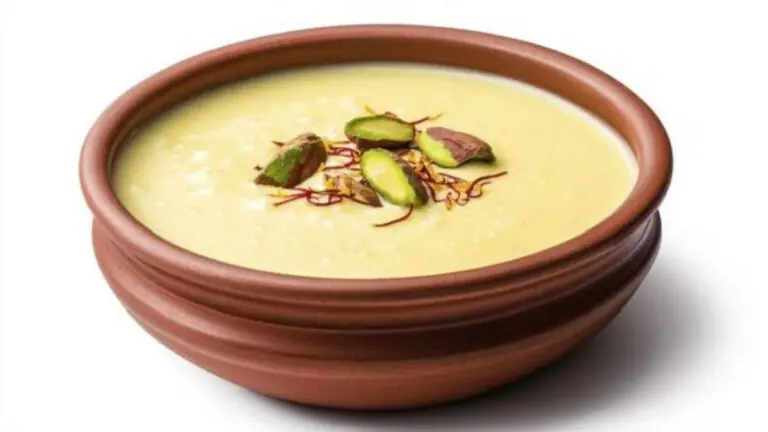
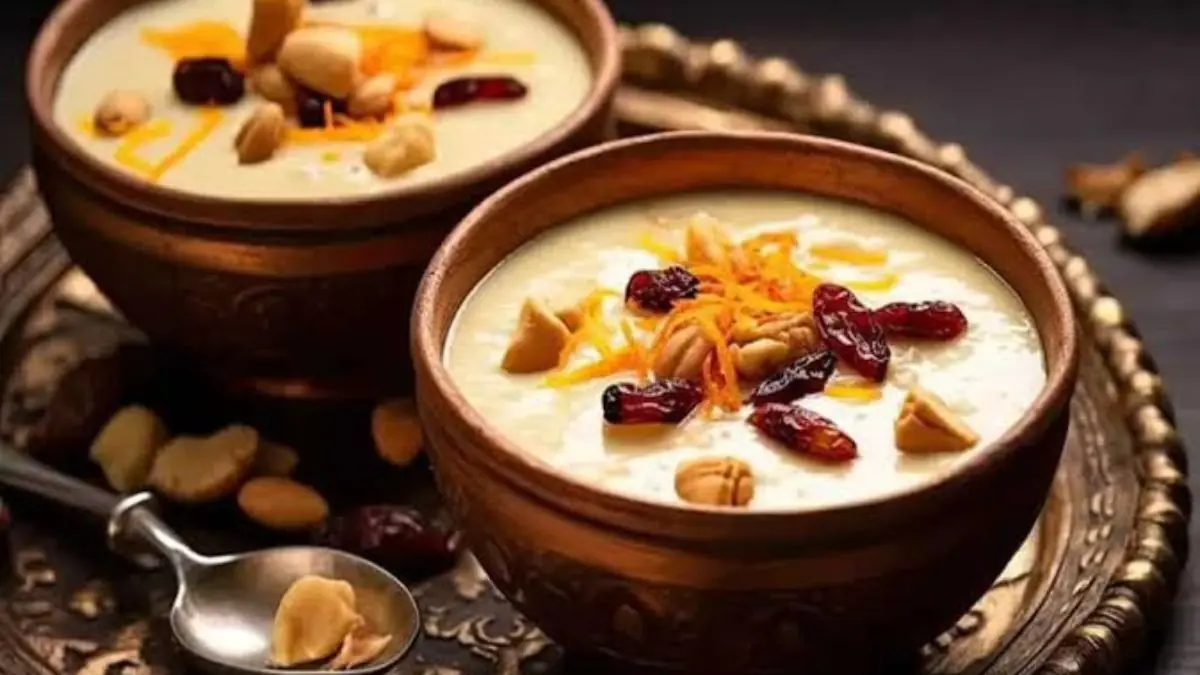
While standard rabri involves slowly boiling milk until layers of cream can be collected, Sitaphal rabri elevates this classic technique by folding in the lush, custard-like flesh of fresh custard apples. The natural sweetness and distinct tropical grain of the fruit transform the reduced milk into a luxuriously thick dessert without requiring excessive added sugar. Because custard apple flesh can easily turn bitter if overheated, you must fold the fruit in only after the reduced milk has cooled down completely. Preparing the milk base on an induction cooktop allows you to maintain a gentle, even simmer that builds those prized creamy malai layers without scorching. Garnished with slivered pistachios and chilled before serving, this seasonal sweet highlights how indigenous fruits can elevate simple dairy bases.
Shufta

Shufta is a rich, royal dry fruit confection from Kashmir that departs entirely from the milk-and-flour formula dominating most Indian sweet traditions. It consists of a dense assortment of premium dry fruits, including paneer cubes, lotus seeds (makhana), dates, almonds, walnuts, and raisins, bound together in a thick, sticky syrup flavoured with dry ginger, cardamom, and saffron. Every single ingredient is traditionally fried lightly in pure ghee before being folded into the warm, honey-like sugar reduction. Preparing shufta requires careful attention to the syrup stage, as it must coat every nut completely without hardening into a brittle candy. Utilising a precise heat setting on an infrared cooktop ensures the syrup reaches the exact thread consistency needed, resulting in a deeply warming, intensely energising dessert that celebrates the rich dry fruit heritage of the northern mountains.