The Best Indian Sweets: 6 Traditional Delicacies From Across the Country For The Festive Home Chef
The Best Indian Sweets: 6 Traditional Delicacies From Across the Country For The Festive Home Chef


Are you one of those culinary enthusiasts who dons the apron only when it is time to prepare festive feasts? Within Indian cuisine lies a huge repository of desserts and sweet treats that can be served, come the celebratory season, to mark festive wonders. These are delights perfect for the home chef, who is enthusiastic enough to execute elaborate recipes tirelessly and with a lot of effort, all to mark the festive season.
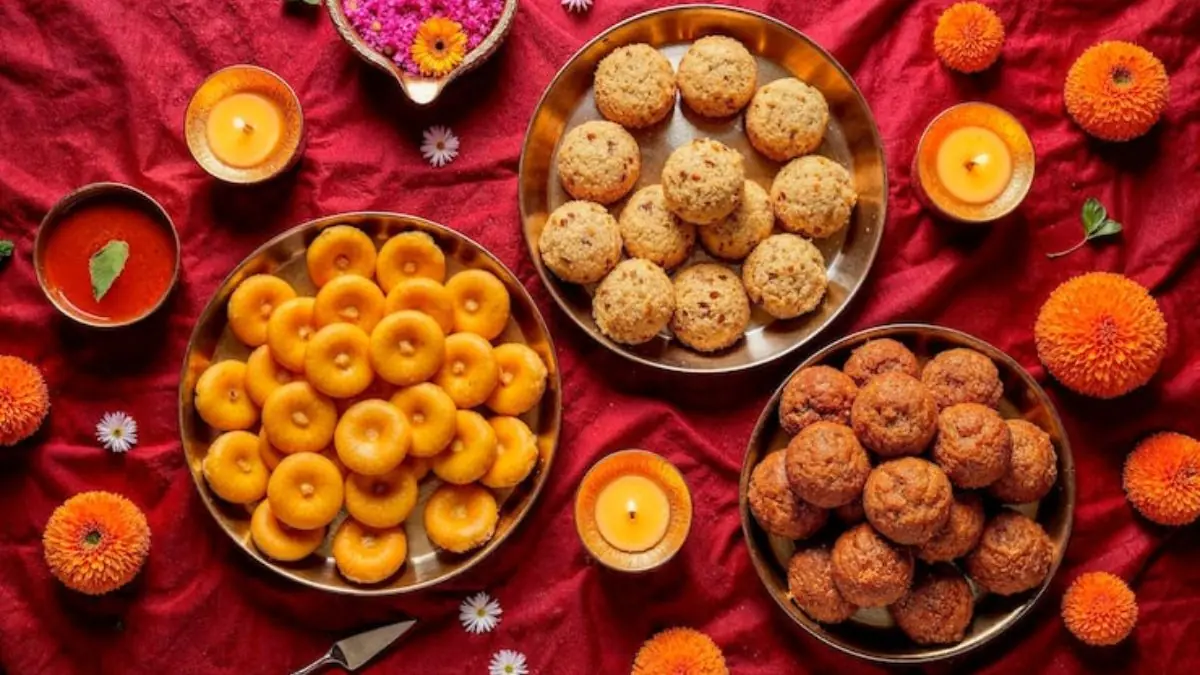
Indian sweets, spread across so many diverse regions of the subcontinent, have a lot of different stories to tell. While some of them are bright and colourful, others are sweet and dense. Each one carries a rich history and legacy of its own, that continues to imbue a cultural depth into festive preparations. Come the holiday season, if you turn into the festive home chef eager to curate feasts comprising delicious sweet treats then these traditional Indian delicacies prepared around the country could be suitable choices. The festive home chef keen to put thought and effort into their dessert game can work on these recipes with utmost care and rather meticulously too, to end up producing top notch delicacies that will undoubtedly be the star of the festive season.
Mysore Pak
Traditionally prepared in Karnataka, mysore pak brings together besan, ghee and sugar in a heady and dense mixture of deep flavours. This is a rich, fudge-like sweet dish that can be served as a sweet accompaniment in a festive meal. Mysore pak can be prepared at home by mixing simple syrup and besan together, stirring this continuously in a kadai on low heat, until both the ingredients integrate fully into each other. The sweet dish can then be poured onto a platter to make small, barfi-like pieces that are easier for serving. In many regions, mysore pak is also prepared in such a way that the barfi acquires a honeycomb-like texture on account of the ghee and sugar coming together. This produces an even more luxurious effect into the dish, befitting a festive occasion.
Rasgulla
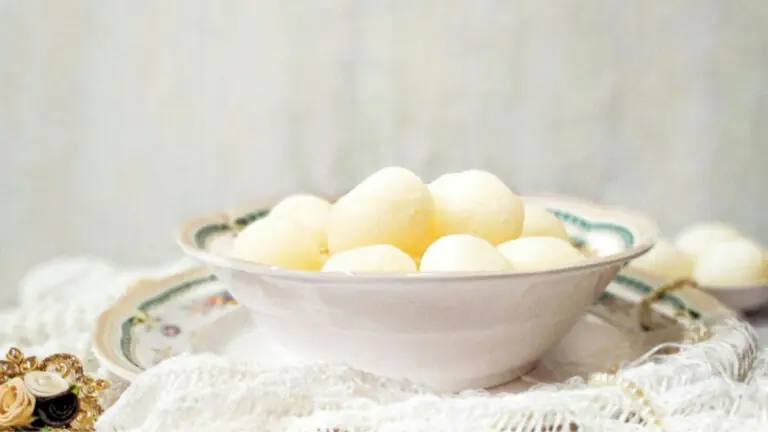
These soft, white chenna balls hardly need an introduction. Utterly sweet because they are after all dipped in a sugary syrup, the rasgullas are classic treats from West Bengal and Odisha, an inseparable part of the cuisine of eastern Indian regions. As beautiful and straightforward as they look in their snow-white form, rasgullas are deceptively simple desserts. Getting them right requires a lot of culinary expertise because the chenna balls must come out light and spongy every time, so one can bite into them without feeling thoroughly stuffed. A plateful of rasgullas garnished with just a few errant saffron strands can be one of the finest and most elegant dessert plates laid out at a festive party.
Modak
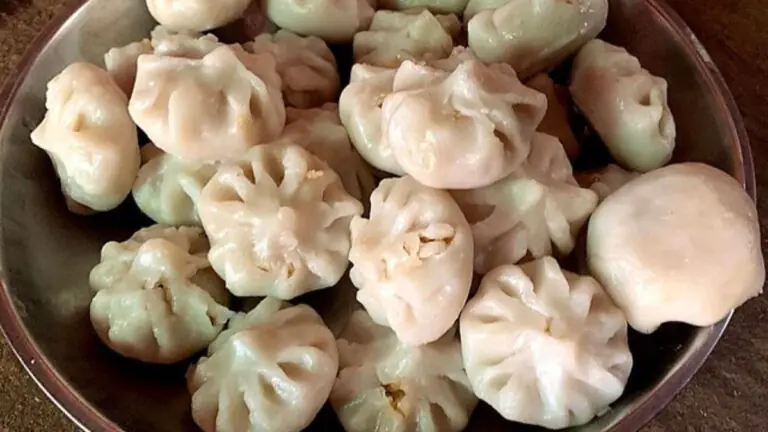
While modak are traditionally prepared during late monsoon, the festive home chef can give them a wintry spin by steaming the coconut-stuffed sweet treats in a double boil. The ukad or the rice flour dough that is used to prepare the outer coating of the modak requires a lot of preparatory skill. The dough must be loose enough to be malleable, yet not so sticky that it turns into mush. Getting the ukad right is the finest hack to make a delicious, sumptuous plate of this Maharashtrian dessert. Delicate, fragrant and filled with a coconut and jaggery filling, modak are a staple during the festive season and can be prepared easily at home once you master the art of folding the dough into the dainty modak shape, with graceful crevices and a conical top.
Kheer Or Payasam
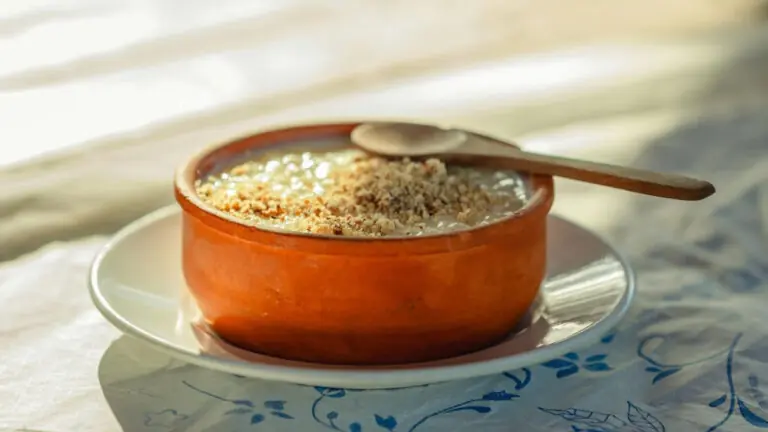
Known as kheer in northern Indian regions and payasam in the southern parts of the subcontinent, this creamy, warm and comforting dessert remains an all-time favourite across borders. Payasam is generally made as a rice, milk and cream mixture laced with the aromatic nuances of cardamom. Yet, in its modern form, kheer or payasam are reproduced using lentils or vermicelli as more dessert-friendly options, that can be served after a full meal. Garnish the kheer with crushed dried fruits like cashews and almonds and with a few saffron strands for that extra colour pop. Interestingly, payasam also tastes great when chilled, so serve it at a festive feast according to the preferences of those gathered.
Ghewar
Doused in ghee and made delicately intricate because of its honeycomb-like structure, ghewar is a classic crispy, sweet disc hailing from Rajasthan’s dunes. Lathered in the dense flavours of ghee and complete with a dramatic touch, the festive home chef can try their hands at making the perfect ghewar in a small saucepan, because they are so well-suited to the celebratory season. Start making ghewar as small-batch treats because they are extremely technique and proportion driven and require a little bit of knack, to make that honeycomb texture come through.
Peda
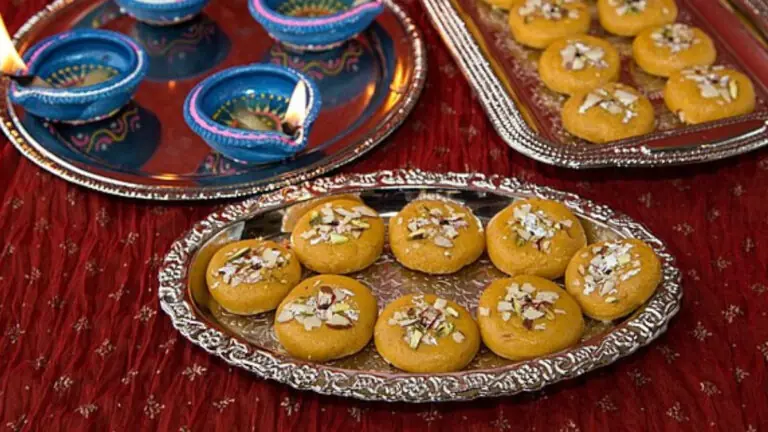
One of the most indulgent sweet treats to emerge from Indian culinary cultures, the peda, from Mathura to Dharwad, takes everyone’s taste buds by storm. When gorging on a peda, it is impossible to stop at just one. There will always be seconds and thirds of this sweet treat, popped in the mouth for experiencing its rich and fragrant flavours. Different kinds of pedas are in vogue: right from the traditional yellow-coloured treat made from khoya to the ones coated in sugar. Yet the malai peda or the white peda garnished with pistachios is the one that reigns supreme among all, and is so often preferred by guests and hosts alike. If you are transforming yourself into a home chef this season, know that making the pedha is hardly as complicated as it looks. With just a bit of effort, it is possible to perfect making peda in a round kadai, laced with the soft, festive, spiced aromas of cardamom.