Indian Diwali Sweets You Can Make At Home Using A Food Processor
Indian Diwali Sweets You Can Make At Home Using A Food Processor
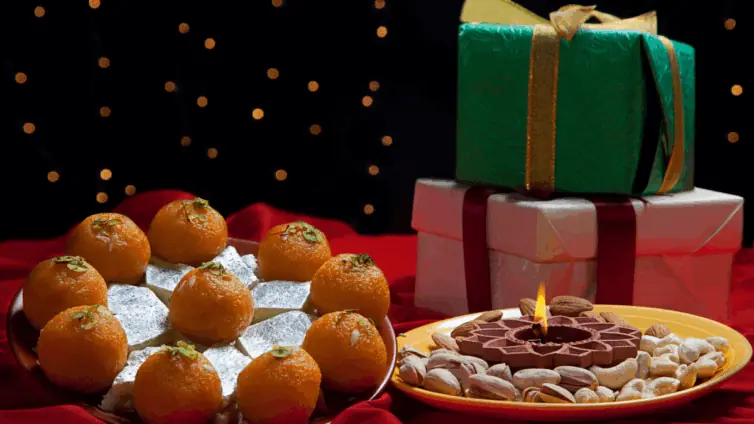


Synopsis: Making sweets at home for Diwali sets the festive mood. However, with time constraints and busy schedules, making mithai from scratch can be quite cumbersome. Now, since modern problems have modern solutions, a food processor can make your prep much faster. Here are some traditional Diwali sweets that can be quickly whipped up using a food processor.
Diwali is one of the most-awaited festivals in the entire year. With diyas, rangolis, fairy lights, and mithai, the festivities carry on for a whole month. Whether you make sweets as a household tradition, welcome guests while exchanging gifts, or just want to avoid buying mithai from a sweet shop, a food processor is one of the best modern appliances to help you with the manual work.
You can smartly cut short the time required for grating coconut, kneading dough, grinding nuts, and much more. If you’re a beginner or someone who’s working on a tight Diwali schedule, here’s your cheat code to crack the festive season. Scroll through this guide and make your favourite mithais using a food processor, set the Diwali spread, and save the manual labour and time.
Kaju Katli

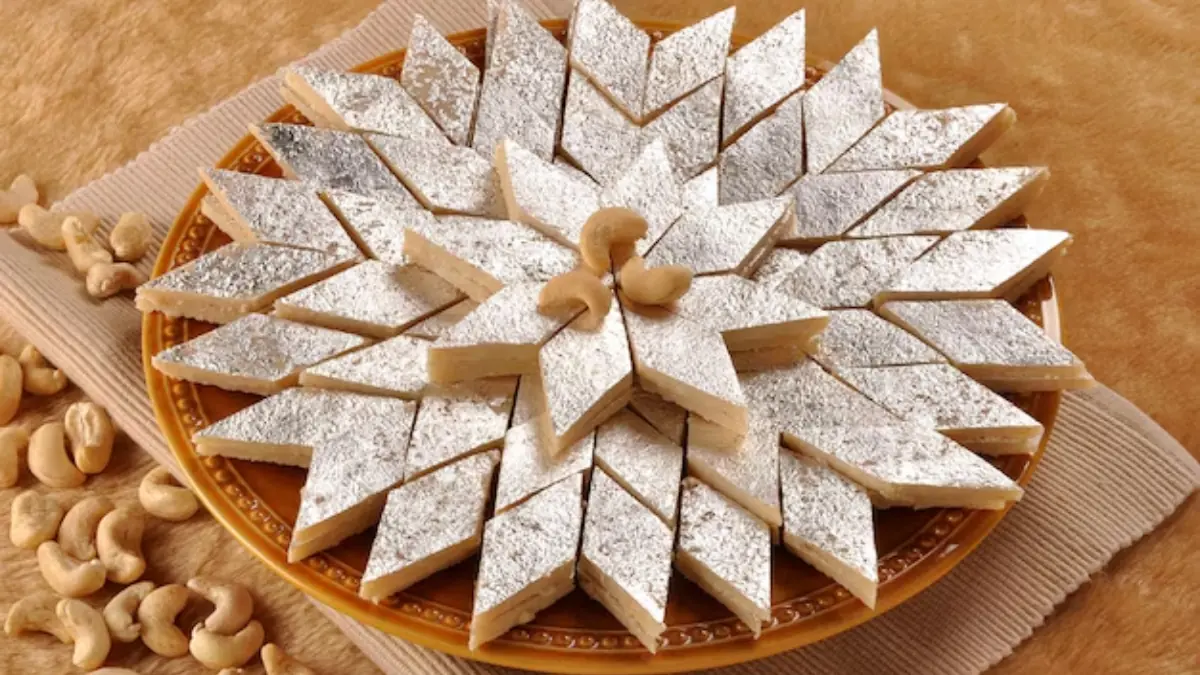
Kaju katli is the one sweet nobody skips during Diwali. The diamond-shaped sweet covered with silver foil might look it’s easy to prepare, but manually grinding cashew nuts is a tedious process. With a food processor, you can make a powder or paste with any nut in just a couple of minutes. To make kaju katli, grind the cashew nuts into a powder and cook with sugar syrup. Knead the dough in the food processor, with the attachment that has a blunt blade. Finally, roll the dough, cut diamonds, and garnish with silver foil and cardamom.
Besan Ladoo
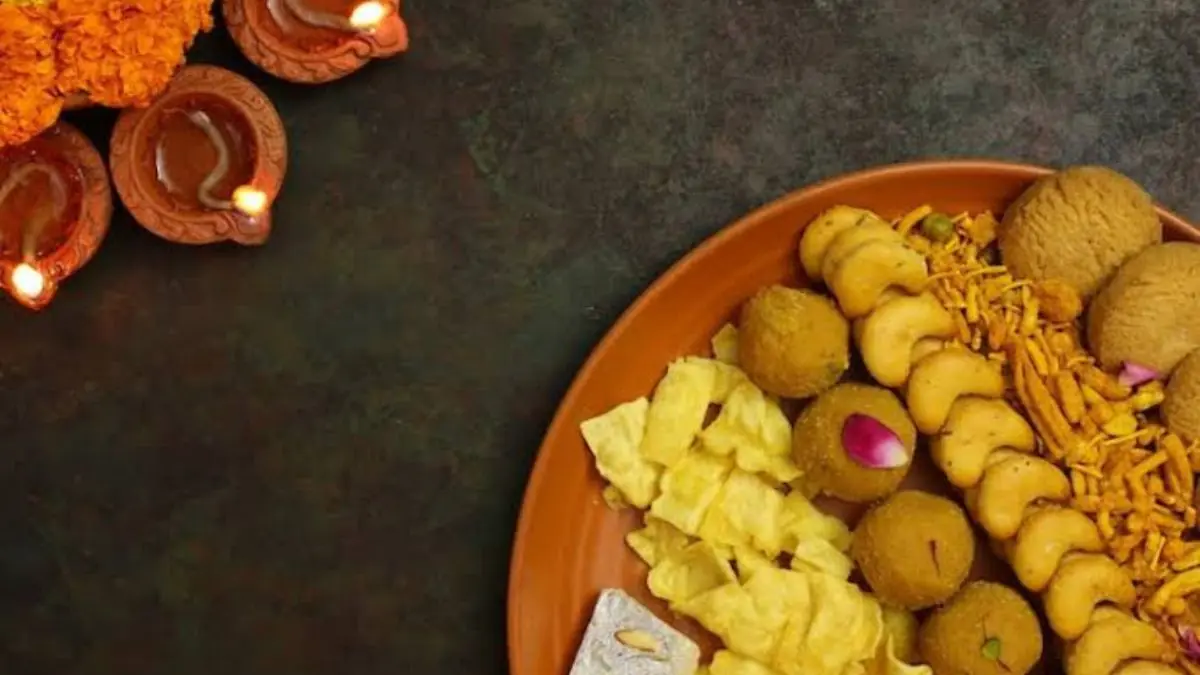
Besan ladoo is comfort in a golden ball, and everything depends on patience. Here the food processor handles only the sugar. Grind mishri, sugar, or even jaggery to a fine powder so it vanishes into the roasted flour and leaves no grit. Roast besan in ghee for about fifteen minutes, then mix in sugar, cardamom, and chopped nuts. Once you get a consistent mixture, shape it into balls and add a chopped almond on top of every ladoo to give a festive touch.
Nariyal Ladoo
Fresh coconut tastes far better than the dried kind, but grating it by hand is miserable. Cut a coconut into chunks and pulse until you have fine, snowy crumbs. Desiccated coconut works when you’re short on time. Warm the coconut in a pan with condensed milk and stir for about eight minutes, until the mixture thickens and pulls away from the sides. Add a pinch of cardamom and a few saffron strands soaked in warm milk if you have them. Let it cool until you can handle it, then roll into small balls and coat them in extra coconut. Children like helping with this one, because the rolling is forgiving. The ladoos keep in the fridge for about five days.
Date And Nut Ladoo
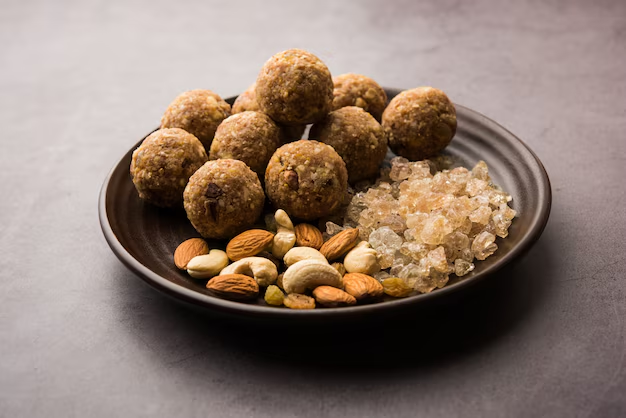
This is the ladoo for guests who want less sugar. Dates do the sweetening, and the processor does what a knife can’t. Pulse almonds, cashews and walnuts into a coarse, crunchy rubble and set it aside. Then process soft, pitted dates into a smooth paste. Toast the nuts lightly in a spoonful of ghee, then work them into the date paste with cardamom and a few melon seeds. Roll into balls with slightly oiled palms. You never make a syrup, so you can skip the thermometer, which is why this is a good recipe to cook with kids. The ladoos are chewy, deeply caramel and more filling than they look. Two is plenty. They keep for two weeks in a cool, dry place.
Gajar Halwa
Gajar halwa means winter has arrived, and it traditionally means grating two kilos of carrots by hand. Fit the shredding disc and you’re done in a couple of minutes, knuckles intact. Cook the shreds in ghee in a kadai until the raw smell goes, then pour in full-cream milk and simmer, stirring often, until the liquid reduces and the halwa turns deep orange and glossy. Add sugar or jaggery near the end, then finish with cardamom, raisins and fried cashews. Serve it warm with slivered almonds and, if you like, a spoonful of fresh cream. Since the prep took minutes, you can spend the long simmer stirring and sipping tea while the kitchen fills with the smell
Milk Powder Peda
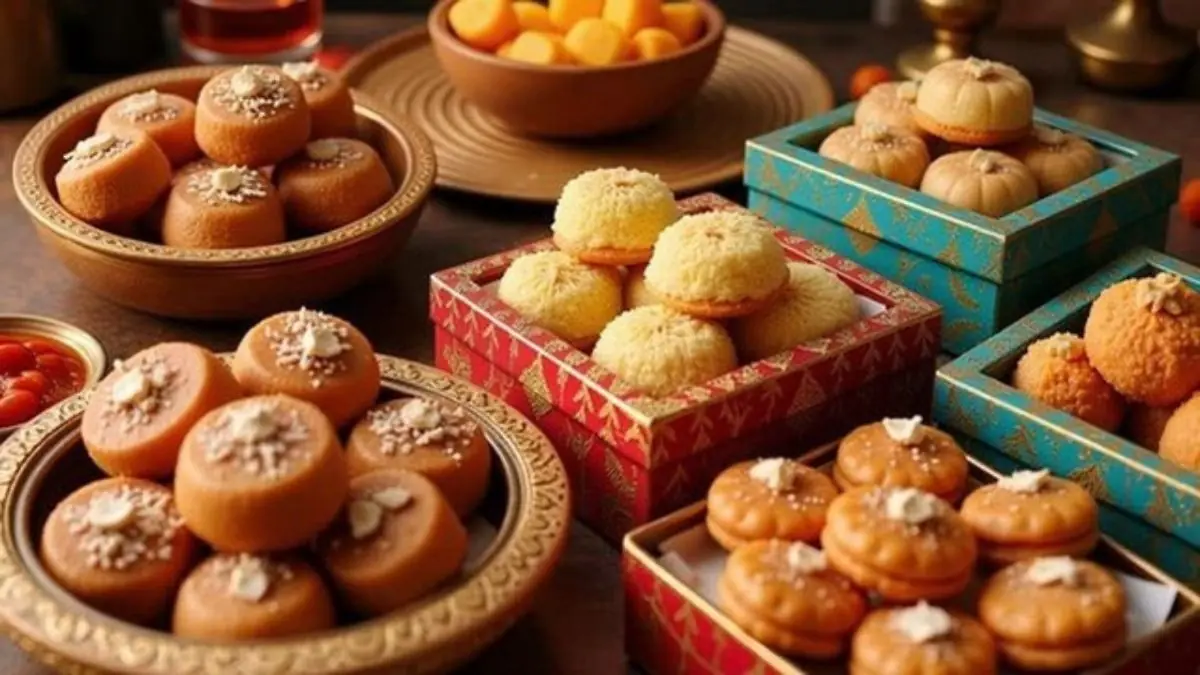
Traditional peda needs hours of reducing milk into khoya. Milk powder gets you most of the way there in twenty minutes. Put milk powder, a little powdered sugar and cardamom in the processor and pulse to break up lumps and mix evenly. Warm ghee and milk in a pan, add the mixture, and stir over low heat for five or six minutes until it forms a soft, shiny dough that no longer sticks. Let it cool until warm. Pinch off small portions, roll into balls and flatten gently into discs. Press a pistachio sliver or a saffron strand into each one. They’re also what you make when relatives show up unannounced on Diwali evening.
Rava Ladoo
Rava ladoo is a South Indian festival regular, grainy in the best way and lightly sweet with coconut. Dry-roast fine semolina in ghee until it smells nutty, then let it cool fully. While it cools, use the processor to grind sugar to a fine powder and shred fresh coconut into small, even crumbs. Mix the rava, sugar and coconut with cardamom, fried cashews and raisins. Bind with warm milk, a tablespoon at a time, until the mixture holds when pressed. Shape the ladoos while it’s still warm, then let them rest for an hour to firm up. The milk is the tricky part. Too little and the ladoos crumble, too much and they turn soft. Eat them within four days.