Kheel Batasha: The Traditional Diwali Offering Explained
Kheel Batasha: The Traditional Diwali Offering Explained
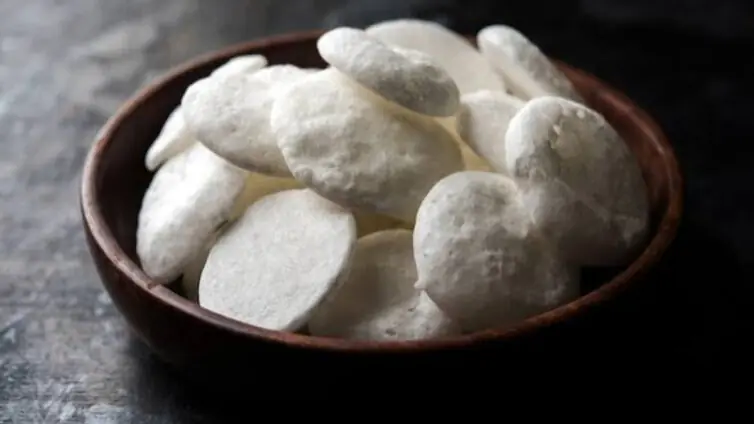


Kheel (puffed paddy) and batasha (crisp sugar drops) are a traditional pairing during Lakshmi Puja on Diwali. The offering carries a meaning beyond its sweetness, with links to India’s agricultural traditions, seasonal harvests and the idea of purity in worship.
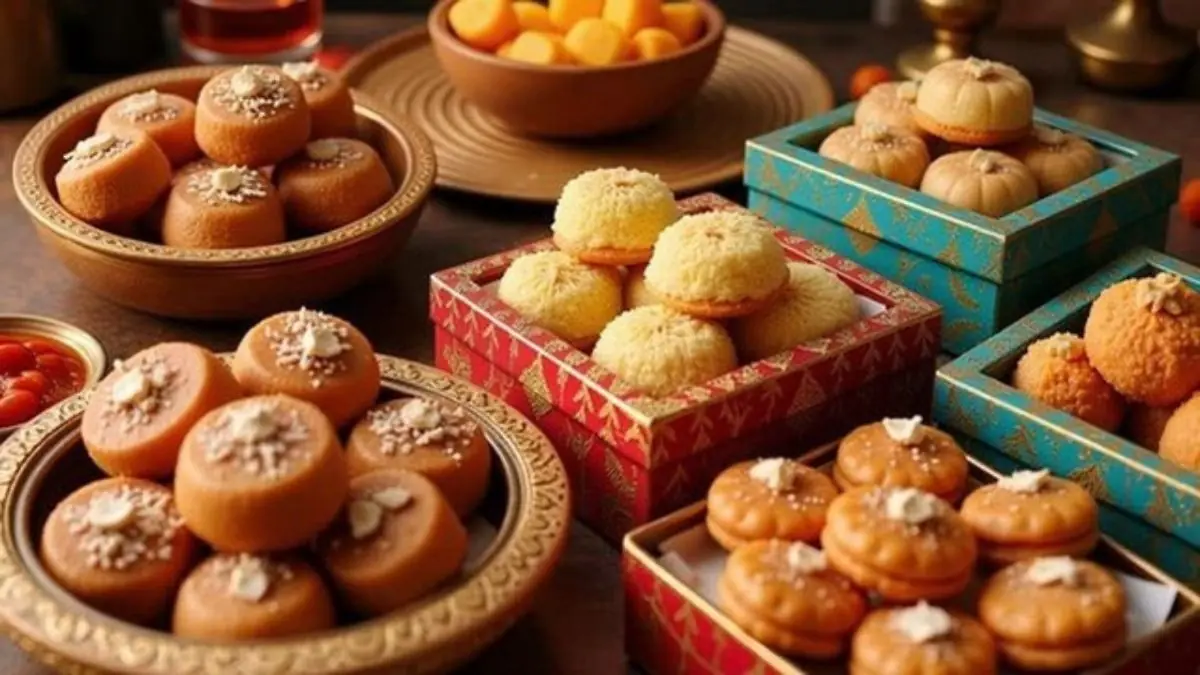
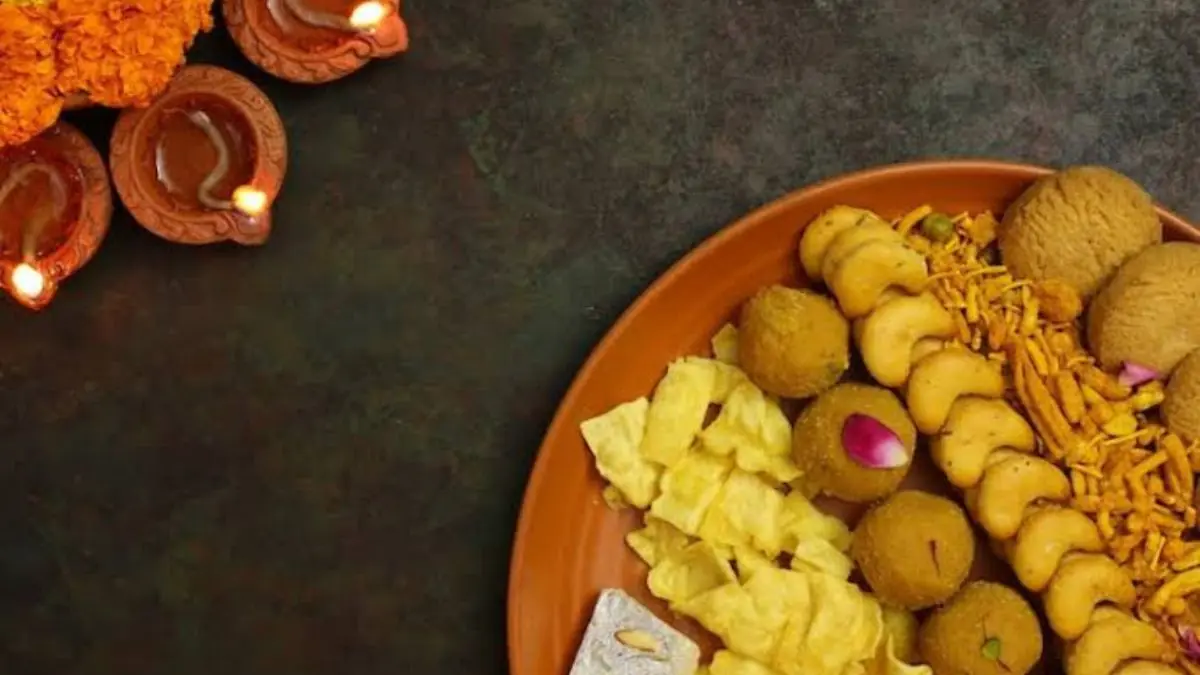
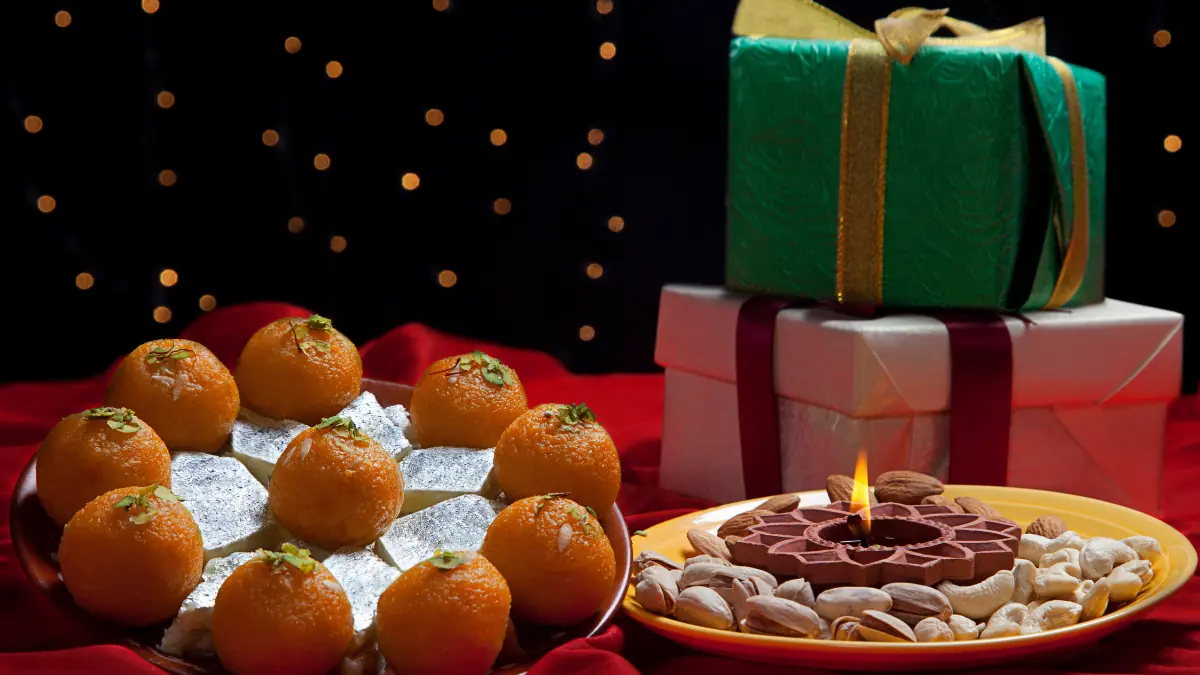
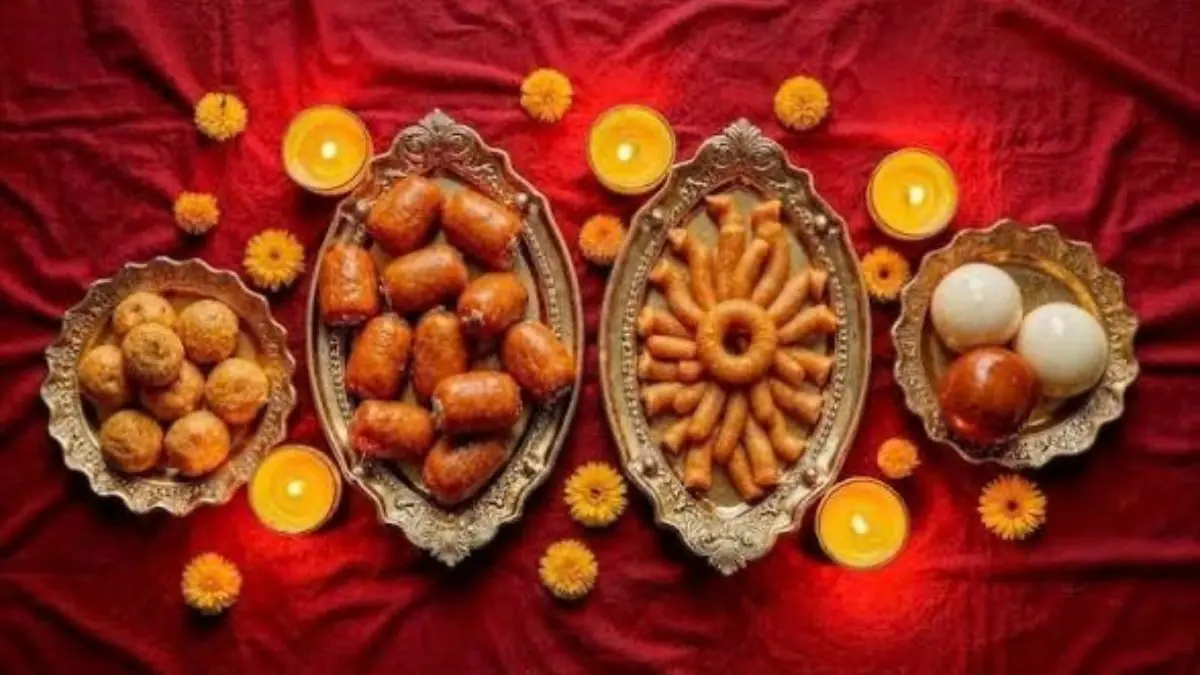
When Diwali arrives, Indian households come alive with the glow of earthen diyas, intricate rangolis, and the sweet fragrance of festive preparations. Amidst silver thalis laden with ladoos, barfis, and dry fruits, two humble items invariably occupy pride of place during the sacred Lakshmi Puja: Kheel and Batasha. Unlike heavy, ghee-laden mithais that dominate modern gifting boxes, Kheel and Batasha represent an ancient, unpretentious connection to the agricultural soil, seasonal transitions, and spiritual purity. Offering these pristine white items to Goddess Lakshmi and Lord Ganesha is not merely a ritualistic formality, but a profound acknowledgement of nature’s bounty, celebrating the transition from hard labour in the fields to the joyous celebration of the autumn harvest.
The inclusion of Kheel and Batasha during Diwali is deeply rooted in the agricultural calendar of the Indian subcontinent. Diwali coincides with the conclusion of the Kharif crop cycle, precisely when farmers complete the harvest of fresh autumn paddy (unhusked rice). In traditional agrarian communities, freshly harvested paddy possesses a high moisture content and a hard outer husk that makes it unsuitable for immediate boiling or daily consumption without proper processing. By subjecting the newly harvested paddy to controlled heat, traditionally through parching or roasting in hot sand, the internal moisture turns to steam, causing the grain to burst open into light, airy flakes known as Kheel. Offering this first yield of puffed paddy to the deities is an ancient expression of gratitude, thanking the divine forces for a successful harvest and praying for continued agricultural prosperity in the cycles to come.
Cultural Symbolism And Ritual Purity
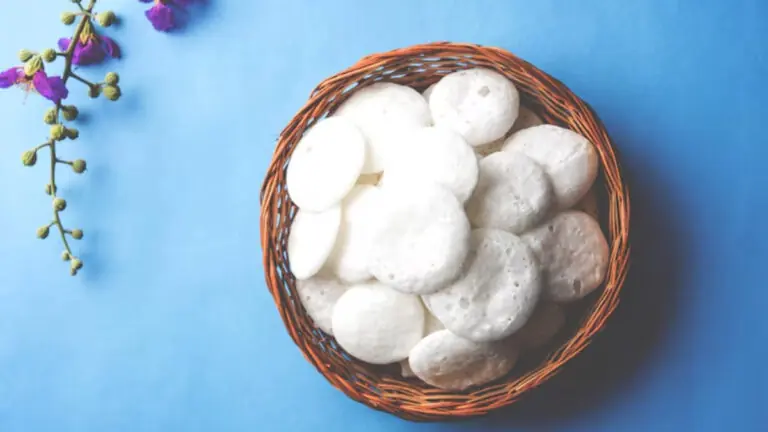
In the architecture of Hindu ritual traditions, purity and auspiciousness are paramount during festive worship. Both Kheel and Batasha embody physical and symbolic qualities that align perfectly with the veneration of Goddess Lakshmi, the deity of wealth, fortune, and spiritual abundance. Kheel, with its expanded, cloud-like form, symbolises multiplication, fertility, and the boundless potential of growth. Just as a tiny, dense grain of paddy expands manifold when exposed to heat, offering Kheel is a symbolic prayer for one’s prosperity, joy, and spiritual merits to multiply exponentially in the coming year.
Batasha, on the other hand, represents unadulterated sweetness and harmonious living. Formed from pure sugar syrup dropped into delicate, coin-like discs, its pristine white colour signifies absolute clarity of intent, peace, and simplicity. Together, this complementary pair balances the light, airy texture of puffed grain with the clean sweetness of sugar, creating a sacred offering that is universally accessible to every household, bridging social and economic divides.
The Ayurvedic Perspective On Post-Monsoon Health
Beyond their spiritual and cultural dimensions, traditional festival foods in India carry profound physiological wisdom rooted in Ayurveda. Diwali marks the delicate seasonal transition from autumn (Sharad Ritu) to the onset of winter (Hemant Ritu). During this transitional window, human digestive fire, known as Agni, naturally fluctuates as temperatures drop, making heavy, complex meals difficult to process and often leading to sluggishness or digestive distress. Kheel acts as an ideal dietary antidote during these festivities. It is exceptionally light, easily digestible, and naturally cooling for the stomach, helping to pacify aggravated Pitta dosha remaining from the humid monsoon months.
Similarly, Batasha provides rapid, clean glucose without the heavy fats or complex proteins that tax the digestive system during late-night puja rituals. This thoughtful combination maintains metabolic balance and electrolyte stability, offering a gentle, restorative source of energy that supports long hours of festive fasting and devotional routines.
Traditional Preparation And Homemade Batasha Techniques
While Kheel and Batasha are predominantly purchased ready-made from bustling local markets and sweet shops during the festive fortnight, understanding their traditional preparation highlights the meticulous craft behind these simple sweets. Traditional Batashas are crafted by boiling cane sugar and water together until the syrup reaches the hard-ball stage, where a small splash of milk or a pinch of baking soda is introduced to clarify impurities and aerate the liquid. Confectioners then drop small dollops of this hot, thick syrup onto clean cotton cloth or greased metal sheets, where they rapidly cool and crystallise into crisp, airy sugar discs.

Recreating this traditional sugar work at home requires unwavering temperature control, as even a slight excess of heat can caramelise the sugar and turn it amber instead of preserving its pristine white hue. Utilising an Induction Cooktop for this process offers a distinct advantage, as its precise wattage settings and digital temperature controls allow home cooks to maintain a steady, low-wattage simmer during the critical syrup-clarifying phase. This ensures the sugar syrup reaches the exact candy stage without scorching, resulting in perfectly crisp, snow-white batashas that rival any marketplace specialty.
Transforming Leftover Kheel Into Savoury Chivda

Once the grand celebrations of Diwali conclude and the puja thalis are cleared, households are frequently left with generous quantities of unused Kheel. Rather than letting this delicate puffed rice go to waste, traditional home cooks excel at repurposing it into a delightful, spiced savoury snack known as kheel chivda or muri masala. This quick-fire recipe transforms the light, airy rice into a crunchy, masala-coated treat that pairs perfectly with evening tea throughout the post-festive week.
The preparation begins by heating a small amount of oil or ghee in a wide pan, where mustard seeds, curry leaves, green chillies, roasted peanuts, and split gram dal are tempered until fragrant. A generous pinch of turmeric, Kashmiri red chilli powder, and fine salt are added to create a vibrant golden spice base. The leftover kheel is then folded into the spiced oil mixture over gentle heat, absorbing the robust aromatics without losing its signature crunch. Cooking this snack in a wide Tri-Ply Stainless Steel Kadai ensures that the delicate puffed grains toast evenly across the base without burning, allowing the spices to coat every single flake of rice uniformly. This resourceful practice embodies the enduring ethos of Indian domestic kitchens, where festive abundance is seamlessly woven into mindful, zero-waste everyday cooking.