Traditional Diwali Dishes: What’s Cooked Across India, State By State
Traditional Diwali Dishes: What’s Cooked Across India, State By State
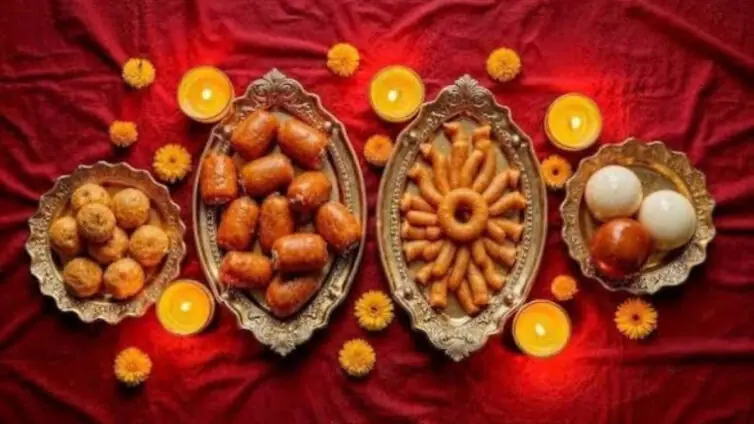


Diwali menus look different across India, shaped by regional ingredients, family recipes and local traditions. Punjab has its ghee-rich pinni, while Tamil Nadu celebrates with adhirasam, a sweet made with jaggery and rice flour. Exploring Diwali dishes across states offers a taste of the many ways India celebrates the festival of lights.
When Diwali arrives, the culinary landscape of India transforms into a vibrant tapestry of regional flavours, aromas, and textures. While commercial gifting boxes often standardise festive sweets, every Indian state maintains deeply rooted ancestral traditions that dictate what is cooked during the five days of celebrations. These dishes are not merely items of consumption; they are tangible expressions of local geography, seasonal harvests, and familial devotion. Whether it is the aromatic use of palm jaggery in the east, sun-dried lentil crisps in the west, or spice-crusted sweets in the south, each regional speciality tells a story of cultural resilience and culinary ingenuity. Understanding these diverse traditions highlights how different communities harness heat, dairy reduction, and sugar chemistry to create unforgettable festive feasts.
Punjab And The Warming Radiance Of Gur Pinnis
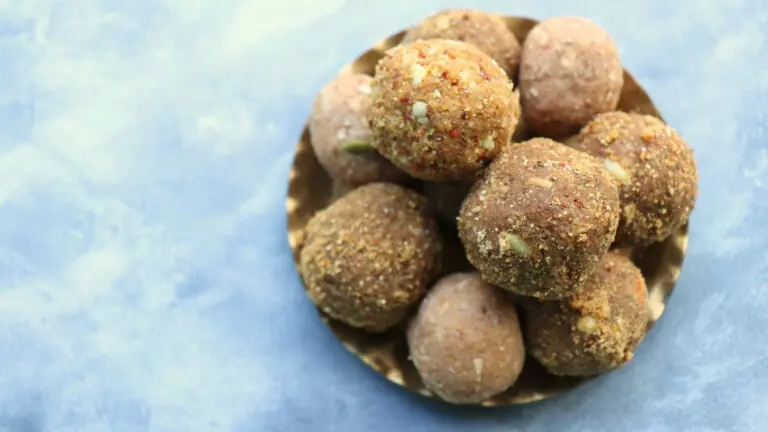
In the chilly plains of Punjab, Diwali coincides with the onset of winter weather, prompting culinary preparations that are rich, deeply nourishing, and designed to generate internal warmth. While rich gravies and deep-fried snacks abound, the undisputed star of Punjabi Diwali gifting is the traditional atta and gur pinni. These dense, spherical sweet morsels combine whole wheat flour, roasted in copious amounts of desi ghee until nutty and golden, with melted jaggery, crushed almonds, cashews, and aromatic spices like green cardamom and nutmeg. Achieving the ideal texture for pinni requires pulverising roasted melon seeds and dry fruits into a uniform consistency without releasing their natural oils prematurely. Using a Mixer Grinder allows home cooks to grind toasted nuts and seeds to the exact coarse-fine texture required, ensuring the structural integrity and rich mouthfeel of the laddoos remain flawless when shaped by hand.
Maharashtra And The Delicate Craft Of Sweet Karanjis
Moving westward to Maharashtra, the festival of lights is incomplete without the meticulous preparation of sweet and savoury snacks collectively known as faral. Among these, the crescent-shaped Karanji holds a place of absolute honour on every festive platter. The outer shell is rolled from a stiff dough of all-purpose flour and hot ghee, rolled paper-thin, and filled with a rich mixture of freshly grated coconut, roasted semolina, khoya, powdered sugar, and cardamom, often enhanced with charoli seeds and raisins. Sealing the edges into intricate fluted patterns requires both skill and patience before the pastries are submerged in hot oil. Frying batches of karanjis to a crisp, blistered golden brown requires steady, unfluctuating oil temperature. Preparing these golden pastries using a Tri-Ply Stainless Steel Kadai guarantees that heat is distributed evenly across the base and sides, preventing the delicate pastry edges from scorching while the filling steams and softens gently within its flaky shell.
West Bengal And The Fragrant Simmer Of Nolen Gur Payesh

In West Bengal, Kali Puja and Diwali celebrations are anchored by ethereal dairy-based sweets that celebrate the arrival of fresh date palm jaggery, known locally as nolen gur. Unlike white sugar, nolen gur possesses a smoky, caramel-like complexity that transforms simple rice pudding, or payesh, into an extraordinary seasonal delicacy. Making authentic payesh requires slowly simmering broken Gobindobhog rice in full-fat milk for hours until the grains burst and the dairy reduces into a thick, creamy consistency. Adding jaggery must be done with extreme care at the very end of cooking; introducing acid or high heat too early will curdle the delicate milk proteins. Utilising an Induction Cooktop for this slow-simmering process provides unmatched temperature precision, allowing home cooks to maintain a steady, low-wattage heat that prevents the milk from scorching at the bottom of the pot while capturing the unmistakable amber fragrance of authentic winter jaggery.
Tamil Nadu And The Deep Heritage Of Traditional Adhirasams
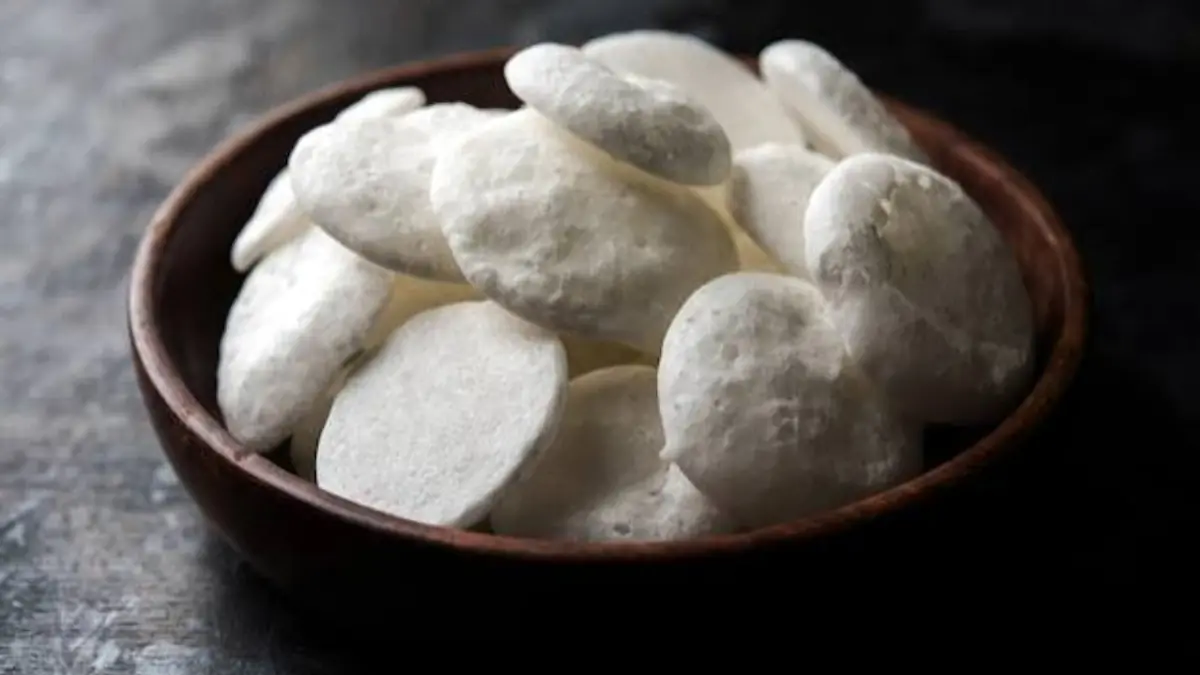
In Tamil Nadu, Deepavali mornings begin well before dawn with oil baths, new clothes, and the sharing of traditional sweets like the legendary Adhirasam. This ancient, coin-thick fried sweet is made from freshly milled rice flour and dark palm jaggery, fermented slightly to develop a complex, tangy-sweet flavour profile before being flattened and deep-fried. The science behind a perfect adhirasam lies in preparing the jaggery syrup to the precise soft-ball stage; if the syrup is under-cooked, the dough remains too sticky to shape, and if over-cooked, the sweet turns rock-hard upon cooling. Crafting the rice flour dough and resting it overnight allows the starches to hydrate fully. Frying the flattened discs in wide, heavy pans ensures they puff up into a spongy, caramel-scented centre encased in a deep mahogany crust that melts effortlessly on the tongue.
Gujarat And The Rich Confectionery Art Of Mohanthal
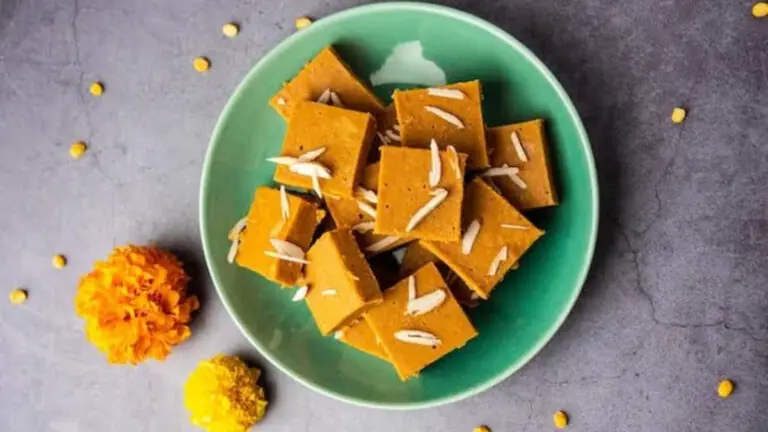
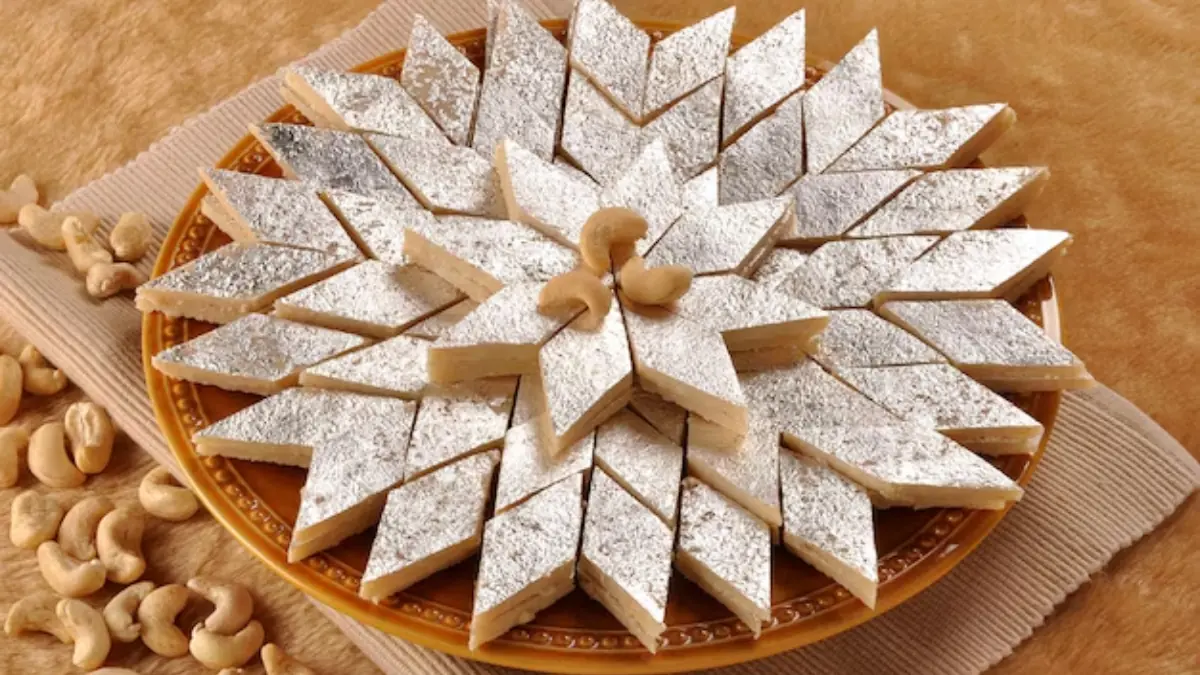
In Gujarat, Diwali is celebrated with grand hospitality, dazzling firecrackers, and an array of elaborate mithais that showcase the state’s mastery over dairy and besan. Chief among these festive offerings is Mohanthal, a dense, fudge-like sweet made from coarse gram flour roasted meticulously in ghee until it achieves a deeply aromatic, toasted fragrance. The secret to authentic Mohanthal lies in the initial process of dhabo, where dry besan is rubbed thoroughly with melted ghee and warm milk before being sieved into a coarse, breadcrumb-like texture. This traditional technique ensures the finished sweet absorbs sugar syrup evenly, resulting in a crumbly, melt-in-the-mouth texture rather than a dense paste. Cut into neat diamond squares and garnished with slivered pistachios and silver leaf, Mohanthal crowns the Diwali dining table as a testament to the patience, precision, and enduring warmth of traditional Indian hospitality.