Navratri Vrat Food: What To Eat And What To Avoid During Fasting
Navratri Vrat Food: What To Eat And What To Avoid During Fasting
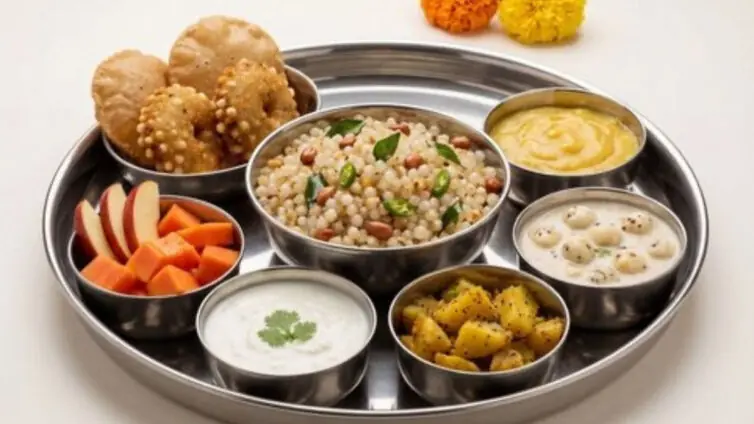


Navratri, the festival of nine nights, is usually observed with devotees fasting and sticking to a satvik diet. Swapping the regular grains, salt, onion, and garlic, the vrat-friendly options usually entail millet flours, fruits, dairy, and fresh vegetables. Read on to know more about the restrictions observed while fasting for Navratri.
Every year, once summer’s harshness fades and the festive season starts, something shifts in Indian kitchens. The regular wheat flour goes to the back of the shelf. Jars of kuttu ka atta, singhare ka atta and sabudana come out, usually soaking overnight while everyone sleeps. Navratri is here.
Nine nights, dedicated to different forms of Goddess Durga. For a lot of people, it’s as much about food as it is about worship. The vrat diet cuts out grains, lentils, onion and garlic, leaning instead on what’s called satvik food: light, plain, easy on the stomach. And it’s a funny thing – what starts as a religious rule usually turns into people rediscovering flavours they’d forgotten.
But vrat food confuses people, especially the first time around. What actually counts as fasting food? Can you eat potatoes? Why does the salt have to be different? This piece goes through what’s allowed and what isn’t.
Why Do People Fast During Navratri
Navratri fasting isn’t random rule-following. It comes out of Ayurveda’s idea that food carries different qualities – rajasic, which stirs up restlessness, tamasic, which dulls you, and satvik, which keeps things calm and clear. Wheat, rice, onion, garlic – these get filed under rajasic, foods believed to overstimulate the senses and slow digestion down. So they’re set aside for the nine days.
There’s also a seasonal logic to it. Navratri lands right as the weather turns, and Ayurveda treats that shift as a natural point to lighten the digestive load rather than push through it. Whether or not you buy into the doshas, there’s something to eating simply for a stretch and letting your system catch its breath before Diwali’s sweets arrive and undo all of it anyway.
Which Grains Are Allowed
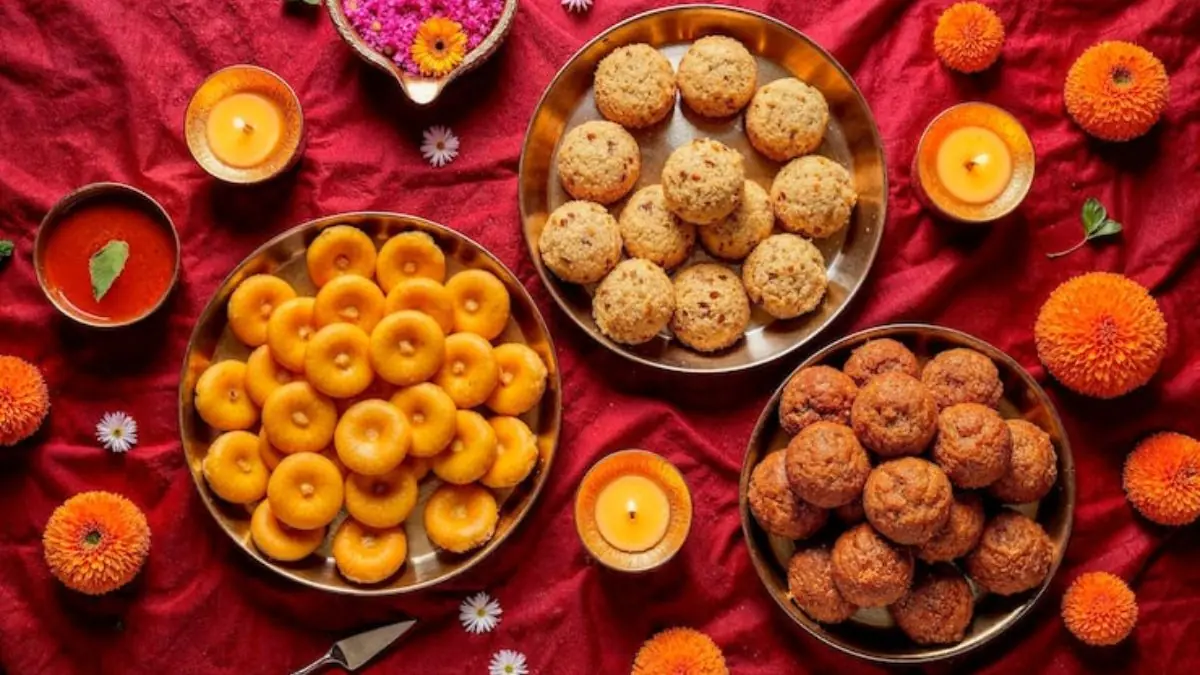
Regular wheat and rice are out, but Navratri has its own stand-ins that keep meals from feeling thin. Kuttu ka atta or buckwheat flour is the most recognisable, usually fried into puris or pakoras using an air fryer. Singhare ka atta, made from water chestnuts, has a denser, slightly nutty bite and turns into a good halwa. Rajgira, amaranth flour, gets puffed for snacking or kneaded into rotis with jaggery mixed in.

Sama ke chawal, barnyard millet, stands in for rice, most often in a simple khichdi. None of these is a grain in the botanical sense, which is exactly why they’re allowed, but they hold their own nutritionally – decent protein, plenty of fibre. Most families keep two or three on hand before Navratri starts, since between them they cover breakfast, lunch, and the inevitable 9 pm halwa craving.
Add Fruits To Your Vrat Thali
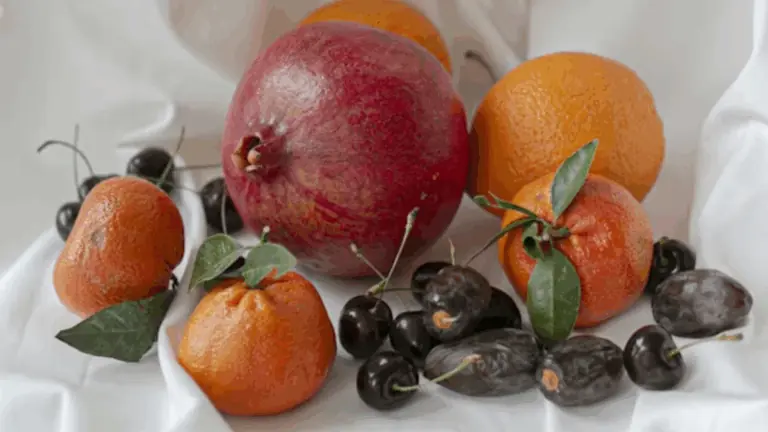
Fruit is a part of vrat food that barely feels like fasting. Bananas, apples, pomegranate, grapes, melon, pears – all fine, and a relief on the days when cooking feels like too much. They’re hydrating, the sugar comes naturally, and they don’t tax your digestion the way a fried snack would. On stricter single-meal fasts, fruit often is the meal.
People get inventive with it too – banana folded into sabudana kheer, apple stirred into raita with rock salt, a fruit chaat with lemon and roasted cumin thrown in. Dry fruits count here as well: almonds, cashews, raisins, tossed into kheer or halwa, or eaten plain when hunger hits between the two meals most people allow themselves. Of everything on the vrat list, fruit asks the least and gives back the most.
Dairy Hold The Fast Together
Milk, curd, paneer, ghee – dairy is treated as genuinely sacred in this tradition, and it ends up doing most of the nutritional work during the fast. Curd rice made with sama chawal, a glass of warm spiced milk, paneer pan-fried with rock salt and cumin – these turn a restrictive diet into something that actually fills you up. Paneer matters especially here, since lentils are off the table and protein options thin out fast without it.
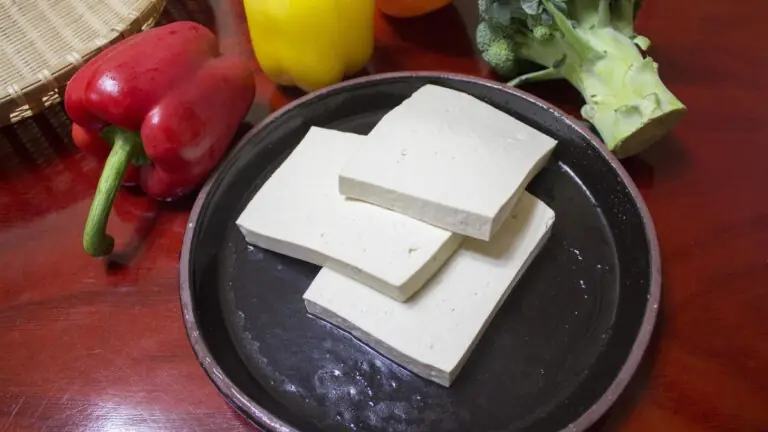
Ghee replaces oil in many vrat kitchens, partly for taste, partly out of habit. Buttermilk shows up a lot, too, particularly in hotter states, for its hydration and because it sits more easily on the stomach than plain milk. On the hardest fasting days, some people eat nothing but fruit and drink milk – and it works, mostly because dairy carries enough on its own to hold a meal together.
Which Vegetables Make The Cut
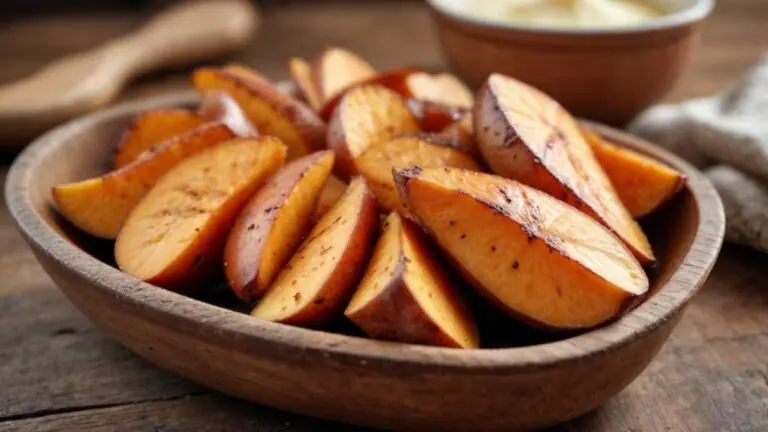
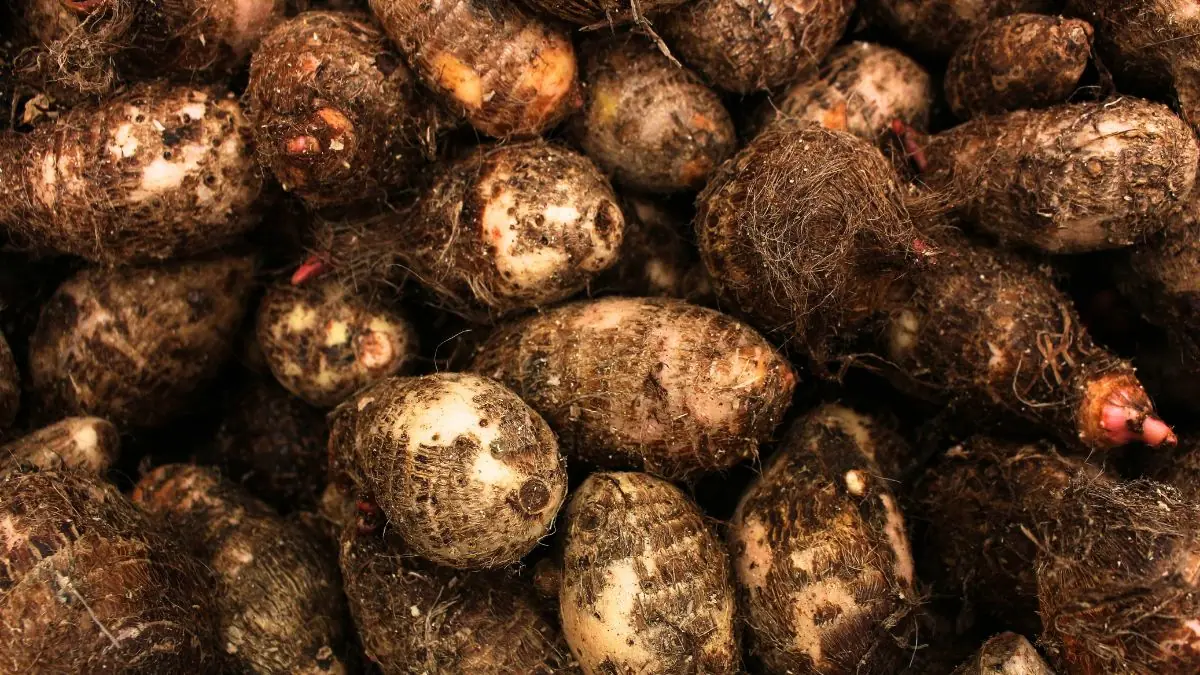
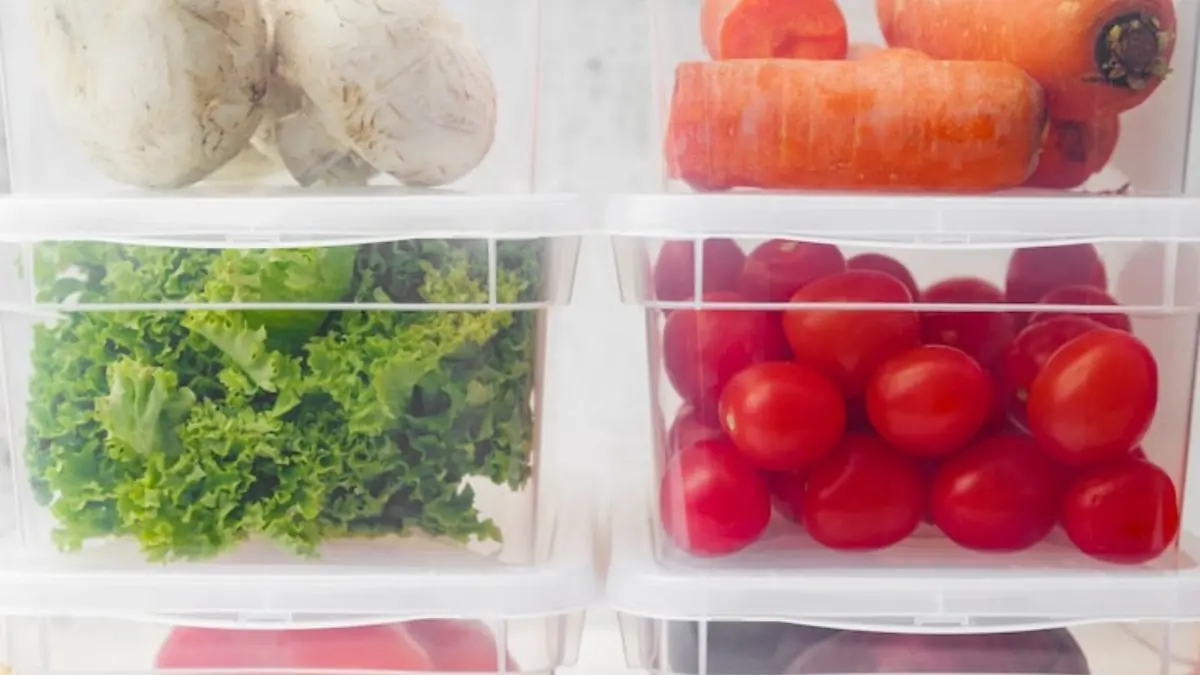
The list is short but not boring. Potatoes show up in almost every vrat kitchen, boiled or roasted or turned into a dry sabzi that’s usually the first thing to disappear at the table. Sweet potato, arbi, raw banana, pumpkin, bottle gourd and cucumber round things out. Cooking stays simple – boiled, steamed, or a quick sauté in ghee with cumin, green chilli, and rock salt. No onion, no garlic, so the flavour sits closer to the vegetable itself than to the tempering.
Rock Salt, Not Table Salt
No matter what you’re cooking. Be it sabudana vada or khichdi, or no-onion jeera aloo, take note that table salt is not allowed while fasting. Much before your instincts go towards the jar of salt, replace it with sendha namak, aka rock salt, for as long as you’re fasting for Navratri.
What To Avoid During Navratri
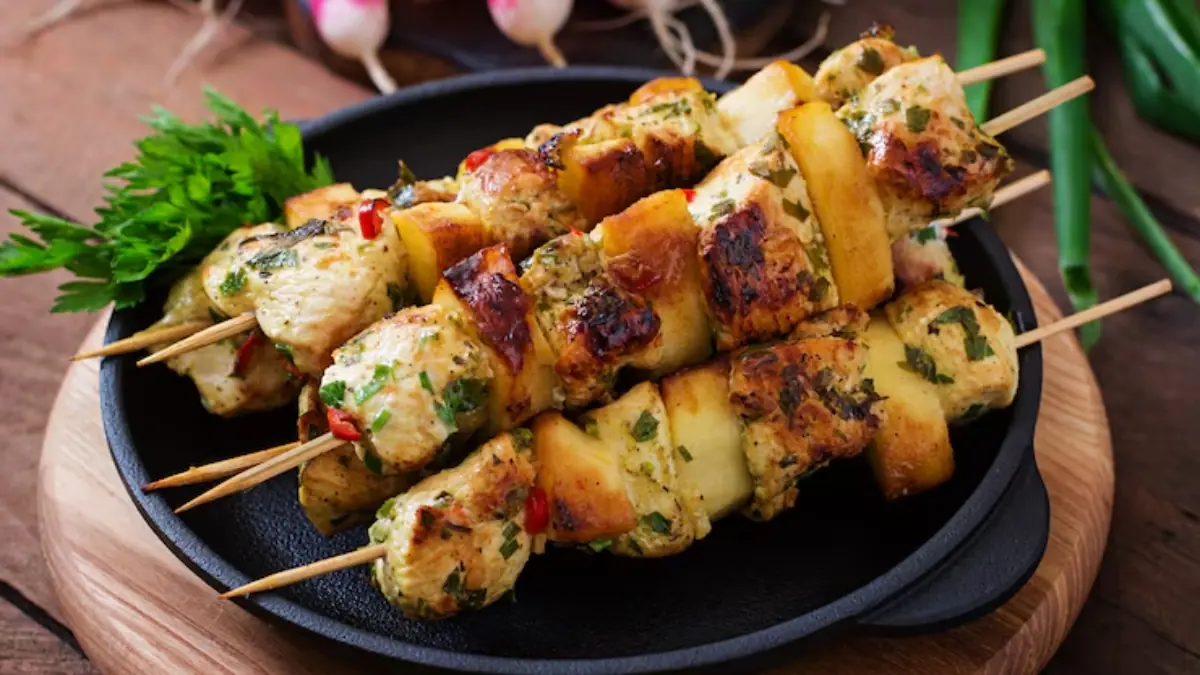
Knowing what to avoid matters as much as stocking your pantry with sabudana, kuttu atta, samak chawal, and more. Meats, eggs, and alcohol are not in sight in most Indian households during Navratri, no matter if they’re observing a fast or not. Apart from these, wheat flour, rice, lentils, legumes, onion, and garlic are also avoided.
Depending on how strict your abstinence is, some people also avoid coffee to cut back on caffeine. Also, if you’re resorting to vrat-friendly snacks, make sure to read through the list of ingredients. Some packages can have added salts, spices, and preservatives, which are not allowed while fasting.