Food Storage Mistakes That Make Fruits And Vegetables Spoil Faster
Food Storage Mistakes That Make Fruits And Vegetables Spoil Faster


Storing fresh produce incorrectly leads to rapid decay, texture loss, and unnecessary food waste. Exploring five common storage mistakes reveals how managing airflow, ethylene gas exposure, moisture levels, and washing routines can dramatically extend the shelf life of your ingredients.
Bringing fresh produce home from the market often feels like a race against time. Fruits and vegetables begin deteriorating the moment they are harvested, but improper storage methods accelerate this decline at an alarming rate. Many home cooks unintentionally create environments in their fridges and pantries that promote mould growth, slimy textures, and premature wilting. Simple misunderstandings about humidity, gas emissions, and surface moisture turn fresh, vibrant produce into soft, unusable waste within days. By identifying these common storage mistakes and adopting smarter kitchen practices, you can protect your grocery investment, preserve essential nutrients, and maintain the natural flavours of your food. Understanding how specific ingredients interact with their environment allows you to build a practical storage routine that keeps your kitchen stocked with crisp greens and sweet fruit for weeks.
Washing Everything Immediately Upon Returning Home
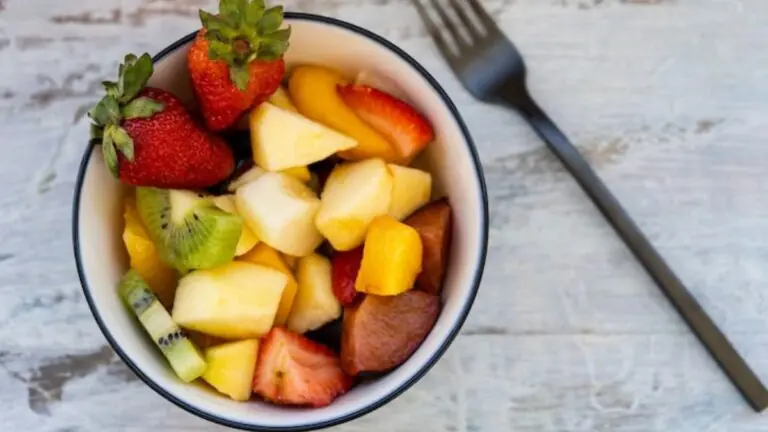
Washing fresh produce right after buying it seems like an essential hygienic step, but storing wet fruits and leafy greens creates an ideal breeding ground for fungus and soft rot. Excess surface moisture trapped in plastic bags or crisper drawers speeds up cellular breakdown dramatically. You should only wash greens, berries, and tender vegetables right before you intend to consume or cook them. If you prefer to clean your entire haul at once, you must ensure everything is completely dry before placing it into the fridge. Utilising a dedicated purifier like a Fruit and Vegetable Cleaner helps eliminate surface bacteria, fungus, and residues without soaking the produce in stagnant water. Once washed, spread the ingredients flat across clean towels to air dry thoroughly before transferring them to cold storage.
Trapping Moisture In Sealed Plastic Bags
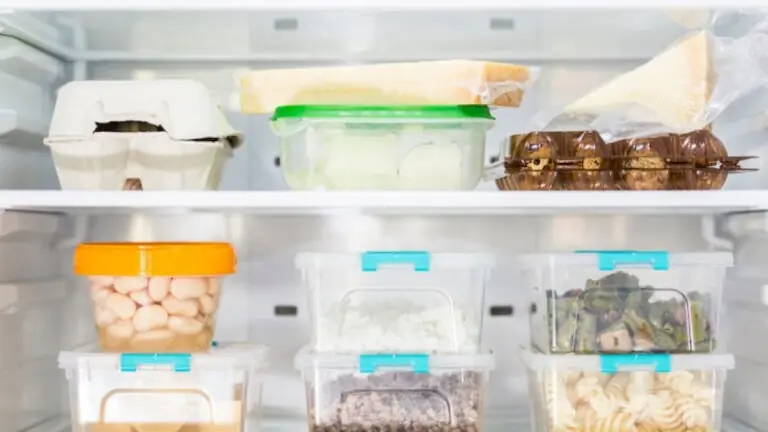
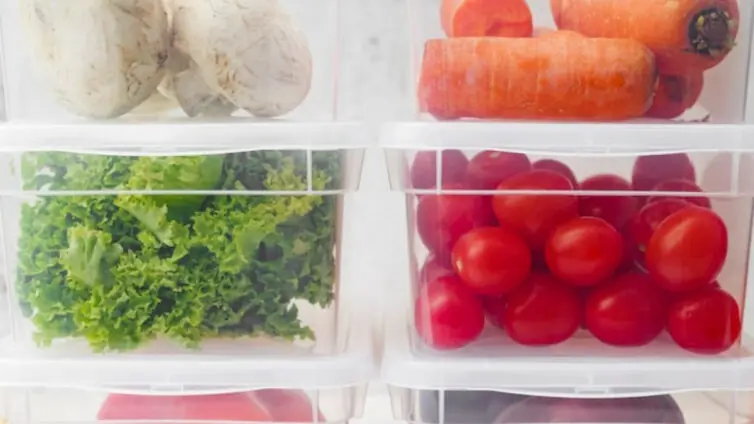
Placing whole vegetables directly into airtight plastic grocery bags traps the natural moisture they release through respiration. This creates a humid microclimate that turns tender spinach slimy and causes root vegetables like carrots to sprout prematurely. Leafy greens require balanced ventilation to remain crisp. Line your storage containers with dry paper towels to absorb excess moisture while keeping the surrounding air sufficiently humid. For pre-cut or prepped vegetables, storing them in a specialised airtight storage container keeps out unwanted ambient humidity while protecting the cut surfaces from drying out in the cold airflow of the fridge. Balancing moisture absorption with proper seal protection keeps your vegetables vibrant for much longer.
Storing Ethylene Producers Alongside Sensitive Produce
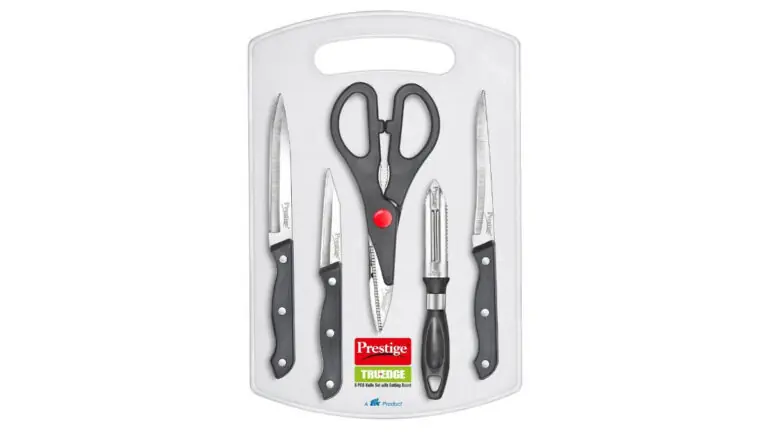
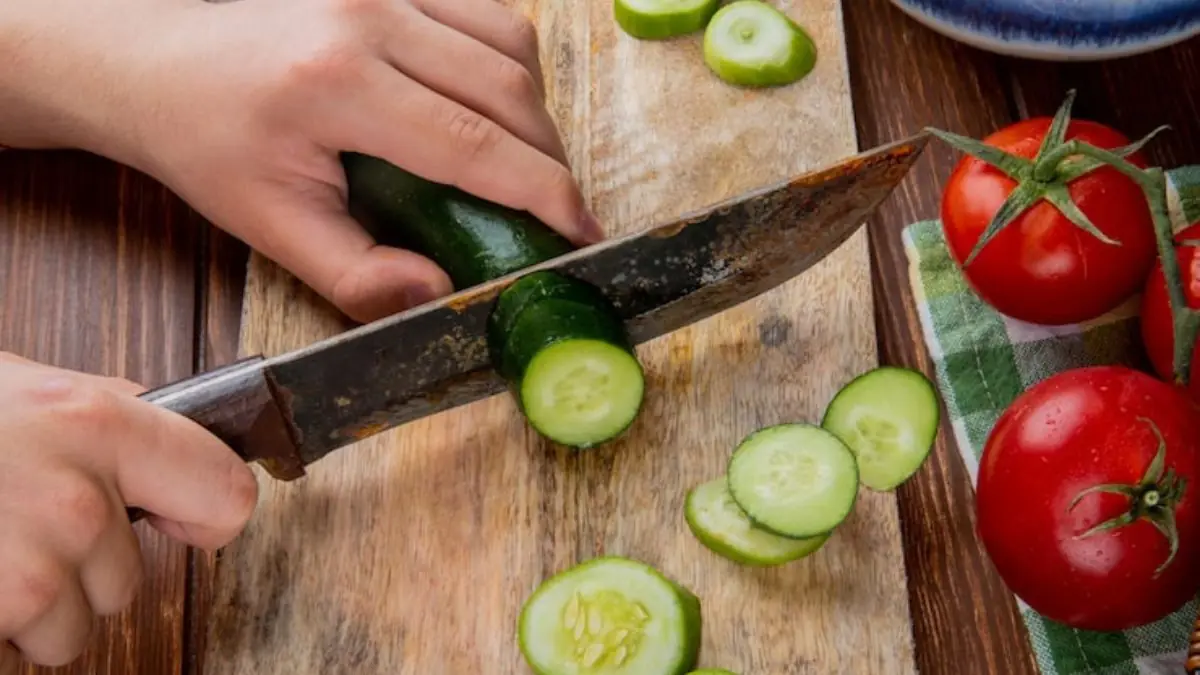
Certain fruits naturally emit high concentrations of ethylene gas as they ripen, which acts as a powerful ageing hormone for nearby produce. Bananas, apples, tomatoes, and avocados are notorious ethylene producers that cause sensitive items like leafy greens, cucumbers, broccoli, and carrots to turn yellow, soft, and bitter prematurely. Mixing these distinct categories together in a single crisper drawer is one of the quickest ways to spoil an entire week of groceries. You must separate high ethylene fruits from gas sensitive vegetables by using dedicated fridge zones or keeping fruit bowls well away from your primary vegetable storage. Trimming any bruised or damaged sections with a blade from the Tru-Edge Knife Set before storing produce prevents injured plants from releasing defensive ethylene surges that trigger rotting in adjacent items.
Refrigerating Cold Sensitive Whole Produce
Cold temperatures damage the cell walls of tropical fruits, nightshades, and root vegetables, leading to lost flavour, chalky textures, and dark soft spots. Whole tomatoes lose their delicate aromatic compounds and turn mealy when stored below room temperature. Similarly, potatoes convert their natural starches into sugars when exposed to fridge cold, resulting in a gritty texture and discoloured appearance when cooked. Onions, garlic, whole squash, and unripe avocados thrive in a cool, dark, and well ventilated pantry rather than the refrigerator. Keep whole potatoes and onions in separate open baskets, as onions release moisture and gases that make potatoes sprout faster. Only transfer these items into cold storage once they have been sliced or pre-chopped using a tool like the Electric Vegetable Chopper for an upcoming meal.
Storing Cut Herbs And Greens Without Proper Ventilation
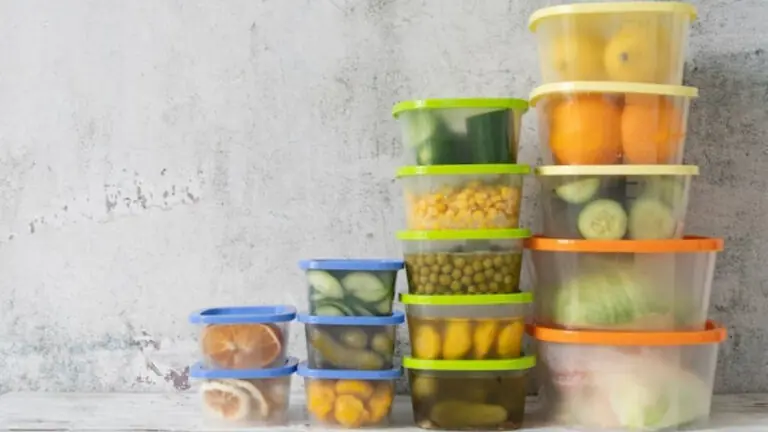
Soft herbs like coriander, mint, and basil deteriorate quickly when shoved into the cold corners of a refrigerator drawer. Treating delicate herbs like fresh cut flowers by trimming their stems and placing them upright in a glass with a small amount of fresh water preserves their crispness remarkably well. Tender leafy greens, when chopped for meal prep, require structured containers that protect them from being crushed under heavier groceries. Storing trimmed herbs and prepped greens in structured containers or utilising the Mix-O-Keep storage jars keeps delicate leaves upright and uncrushed while maintaining optimal humidity levels. Giving your herbs room to breathe prevents the bruised, dark mush that so often forms at the bottom of standard crisper bins.