Karwa Chauth 2026: Fasting Tips For Beginners To Fast Safely And Comfortably
Karwa Chauth 2026: Fasting Tips For Beginners To Fast Safely And Comfortably


As exciting as it sounds, observing a nirjala fast for Karwa Chauth can be daunting, especially if you’re a beginner. However, there are some tips and tricks that can take you a long way. From knowing exactly what to add to your Sargi thali to breaking the fast the right way, here’s your ultimate guide to make Karwa Chauth safe and comfortable.
A first Karwa Chauth fast comes with a specific kind of nervousness. Maybe a wedding happened this year. Maybe a partner is joining the fast for the first time. Maybe curiosity finally won out after watching mothers and grandmothers do this for decades without complaint. The question is always the same: how does a person get through more than twelve hours without food or water and still feel steady by the time the moon shows up?
Falling on the 29th of October, Karwa Chauth vrat starts before sunrise and ends after moonrise. Depending on the city you live in, the time of moonrise varies. However, a stretch of ten to twelve hours of fasting without eating food or drinking water is given. Since no tradition rewards a fainting spell in the middle of the puja, you must keep your body hydrated and ready to avoid any discomfort.
First and foremost, what you eat at Sargi largely affects how your day goes. So, remember to add fruits and electrolyte-rich beverages to your pre-dawn thali. What also matters is knowing how well you prepare your body in the week before Karwa Chauth. If you’re fasting for the first time, follow these handy tips and navigate through the day without draining yourself.
Build A Hydrating Sargi Thali
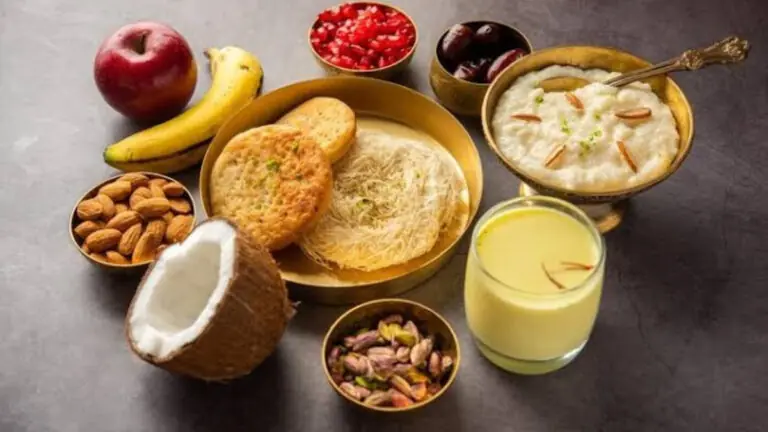
Sargi is the one meal doing all the work until moonrise, so it deserves more thought than most people give it at 5 AM while half asleep. A plate built around complex carbohydrates, protein, and a bit of fat holds up far better than one built around whatever’s sweet and easy. Paratha with curd, a banana, a small handful of almonds or walnuts, and a glass of milk covers all three. Sattu, when it’s part of the regional tradition, works especially well, since it digests slowly and keeps hunger at bay longer than most breakfast foods. Foxnuts roasted in a little ghee or air fried are another quiet workhorse: light, filling, easy to eat half-asleep. Tea and coffee deserve a lighter hand at this particular meal, since caffeine pulls water out of the body faster, which is the last thing needed right before twelve dry hours begin.
Avoid Fried And Sugary Foods For Sargi
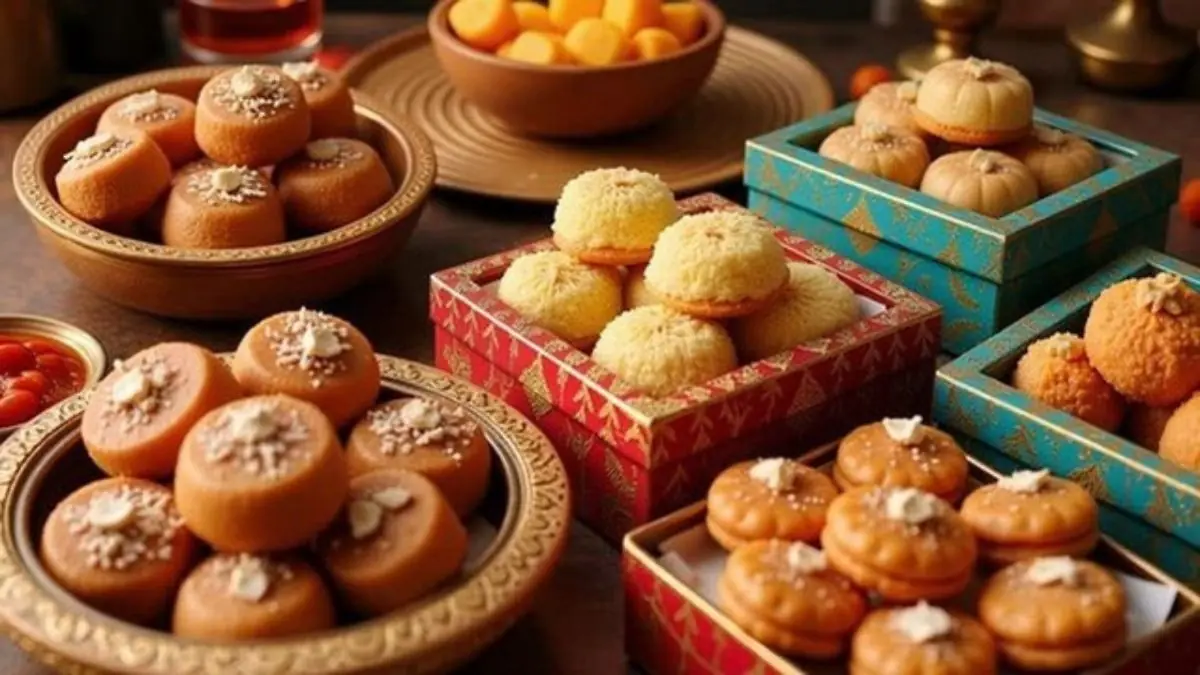
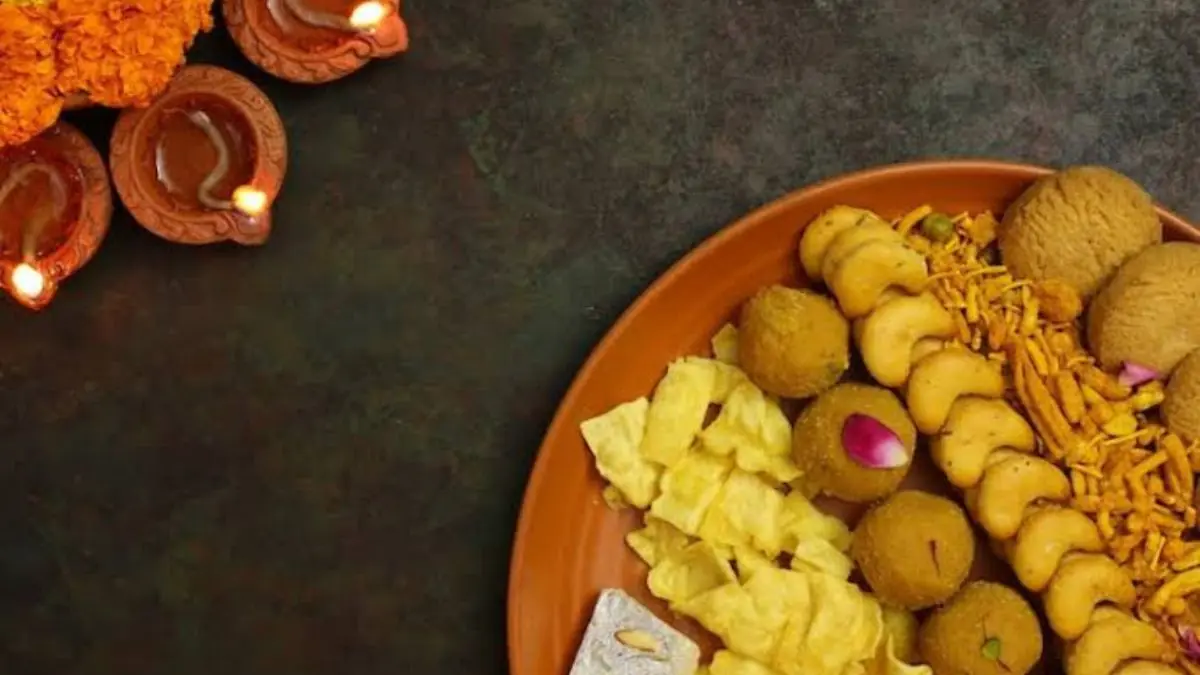
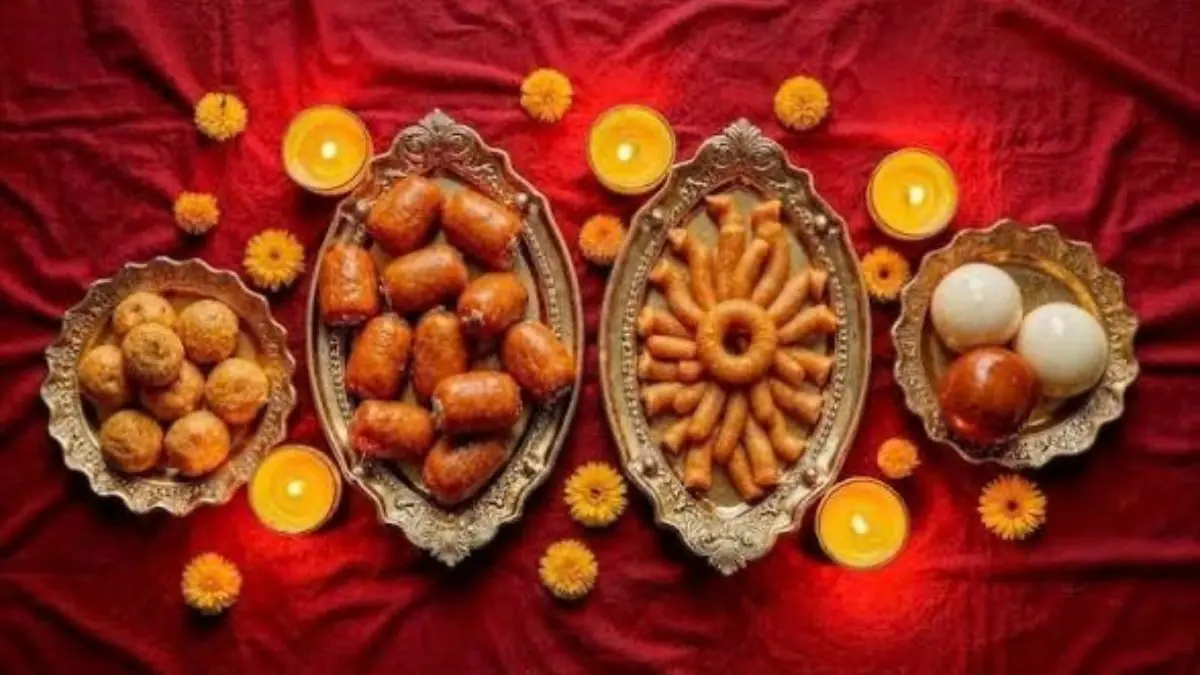
Even though options like phenia, matthi, halwa, etc., are Karwa Chauth staples, it’s better to eat them in smaller portions or save them for having after you break the fast. Sugar and refined flour spike blood sugar fast, and what goes up fast tends to crash hard by mid-morning, leaving a hungry, foggy feeling long before lunchtime would normally hit. A smarter plate keeps one or two traditional sweets or fried items as a small addition rather than the main event, and builds the bulk of the meal around slower-digesting food. Dry fruit ladoos made with dates and nuts land in a good middle ground, satisfying the same craving as a sweet without behaving like straight sugar. Tradition and a plate that lasts until 2 PM can sit side by side.
Hydrate Days Before Karwa Chauth

There’s only a limited number of glasses of water you can chug before sunrise on the day of Karwa Chauth. To prepare your body to sustain without food and water, add water-rich foods to your diet in the weeks preceding the fast. Add watermelon, cucumber, orange, coconut water, or quick drinks that can be easily whipped up using a hand blender, like lassi, smoothies, fruit shakes, and much more. Also, don’t forget to have probiotics like yoghurt and buttermilk to keep the digestion steady while you’re fasting for the whole day.
Pick The Traditional Foods
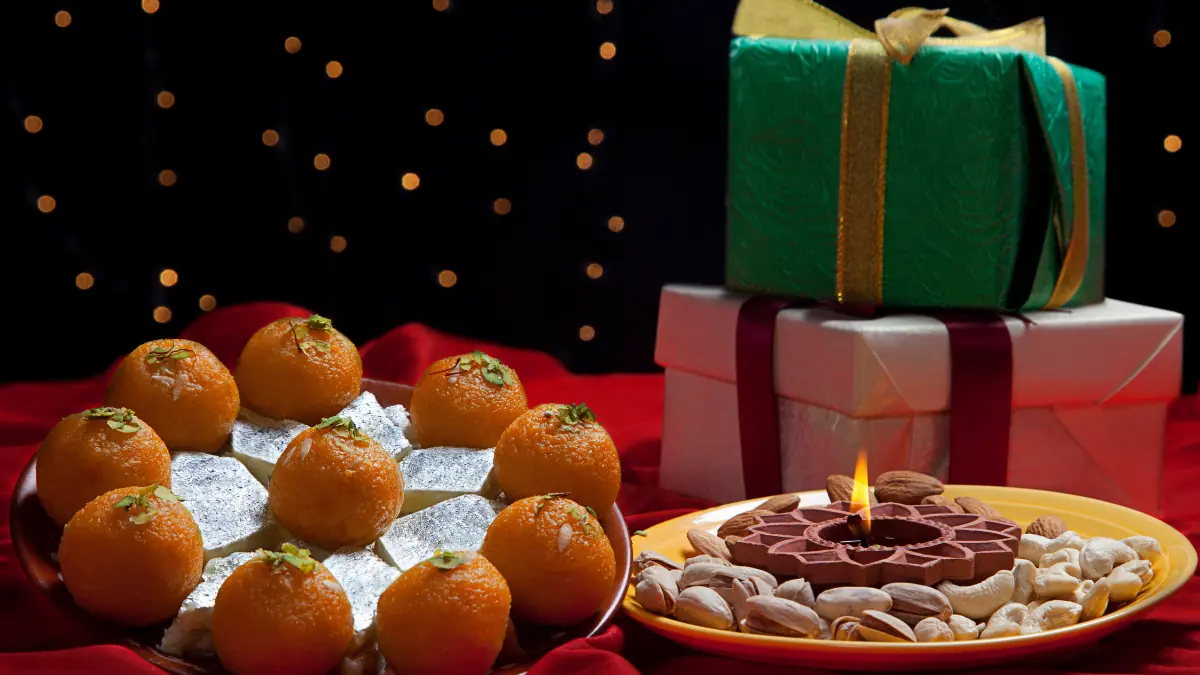
Not everything on the Karwa Chauth table earns its place through flavour alone. Seviyaan, made with milk and a modest amount of sugar, gives a slow, steady release of energy that plain sugar can’t manage. Dry fruits toasted on a pan or in an air-fryer, like dates, almonds, and walnuts, pack fat and protein into a small amount of food, which matters when the Sargi plate can only hold so much. Foxnuts and puffed rice sit lightly on the stomach while still filling it. Even a small bowl of daliya or an oats-based porridge, less traditional but increasingly common at Sargi, provides fibre that keeps hunger at bay longer than paratha on its own.
The Right Order To Break The Fast

The moment the moon appears, the instinct is to eat everything on the table at once, and that instinct is exactly what causes the stomachache twenty minutes later. A small sip of water comes first, followed by something light, coconut water, buttermilk, or a piece of fruit, before anything heavier gets touched. The digestive system has sat idle for 12 hours, and easing it back into work helps avoid the bloating and cramping that come from going straight to a full plate. A light dal or khichdi works better right away than rich, oily festive dishes. Waiting fifteen or twenty minutes between the first sips and the main meal gives the body time to register real hunger instead of just relief.
Let Your First Karwa Chauth Be Imperfect
While feeling hungry and tired after the nirjala fast is expected, there are some warning signs that shouldn’t be ignored. Whether you’re feeling light-headed, feel like fainting, or are experiencing heart palpitations, it’s okay to have some water, ORS, or even a fruit. Going on an empty stomach just for the sake of finishing the fast won’t do any good. So, you can let your first experience of observing Karwa Chauth be imperfect, but don’t risk jeopardising your health.