A Nahay-Khay Menu: 5 Traditional Dishes To Cook On The First Day Of Chhath
A Nahay-Khay Menu: 5 Traditional Dishes To Cook On The First Day Of Chhath
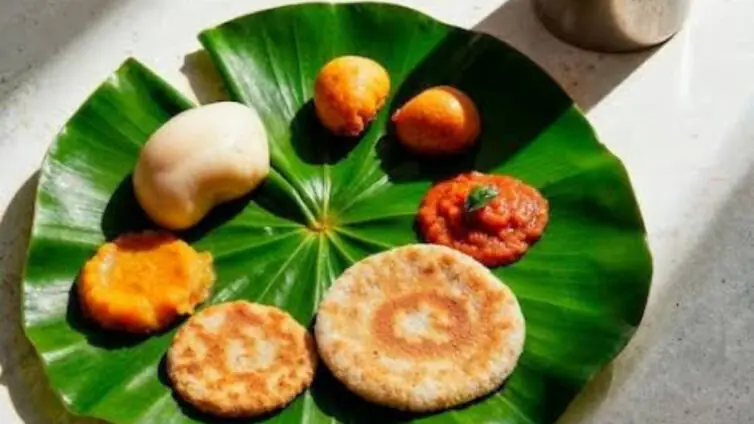


Chhath Puja begins with Nahay-Khay, a day when devotees take a ritual bath and prepare a meal that is simple, fresh and sattvic. Food is an important part of the observance, with traditional dishes made using seasonal ingredients and without onion or garlic. Here are five foods commonly prepared for Nahay-Khay, along with the traditions behind them and tips to make them at home.
Observed on the sixth day of Kartik month, Chhath Puja is one of India’s most ancient and rigorous solar festivals, spanning four days of intense devotion, fasting, and ritual cleansing. The celebrations begin on the fourth day with Nahay-Khay, translating literally to bathe and eat. On this day, devotees take a sacred dip in a river, clean their homes meticulously, and prepare a single, highly disciplined vegetarian meal before sunset. This meal is cooked with absolute purity using rock salt (sendha namak), pure desi ghee, and unpolished raw rice, entirely avoiding onion, garlic, and turmeric in many traditional households. Every dish is designed to detoxify the body and prepare the digestive system for the rigorous fasting that follows. Preparing this traditional menu at home combines age-old reverence with the reliable performance of modern kitchen appliances.
1. Traditional Arwa Chawal: The Pure Raw Rice Foundation

At the very centre of the Nahay-Khay thali sits Arwa Chawal, a specific variety of unparboiled raw white rice that forms the staple carbohydrate of the meal. Unlike parboiled rice, raw Arwa rice cooks up with distinct, separate grains and a clean, light texture that is exceptionally easy to digest. Cooking this sacred rice requires precise water absorption so that the grains expand fully without becoming sticky or mushy. Preparing Arwa Chawal in a Pressure Cooker guarantees perfectly tender, fluffy grains in minutes, while its innovative spillage-control lid catches any starchy foam or liquid overflow, keeping your stovetop immaculate and upholding the strict standards of kitchen purity required during Chhath.
2. Sattvic Kaddu Ki Sabzi: The Tender Bottle Gourd Curry

Bottle gourd, known locally as kaddu or lauki, is the absolute protagonist of the Nahay-Khay menu. Believed to possess cooling, purifying properties that cleanse the internal system, this vegetable is cooked very simply without heavy spices, relying entirely on pure desi ghee, cumin seeds, green chillies, and rock salt. The challenge lies in simmering the high-water-content gourd until it melts into a tender gravy without losing its fresh, vibrant flavor. Cooking this wholesome curry in a Hard Anodised Kadai ensures uniform heat distribution across the base and curved walls, allowing the bottle gourd to release its natural juices and soften evenly in ghee without scorching at the bottom of the pan.
3. Simple Chana Dal: Earthy Bengal Gram Preparation

Accompanying the rice and bottle gourd curry is a simple, comforting bowl of split Bengal gram, or chana dal. Unlike everyday dals loaded with garlic, onions, and complex masalas, the Nahay-Khay dal is boiled with only water, rock salt, and sometimes a pinch of black pepper or ginger, finished with a restrained tempering of cumin and ghee. This unadorned preparation allows the true, earthy flavour of the legume to shine through while providing sustained protein nourishment for the fasting day ahead. Cooking the split Bengal gram until it reaches a buttery, velvety softness is effortless when using a Svachh Pressure Cooker, which breaks down the firm lentils efficiently while locking in their wholesome, natural aromas.
4. Suran Ki Sabzi: The Traditional Yam Delicacy
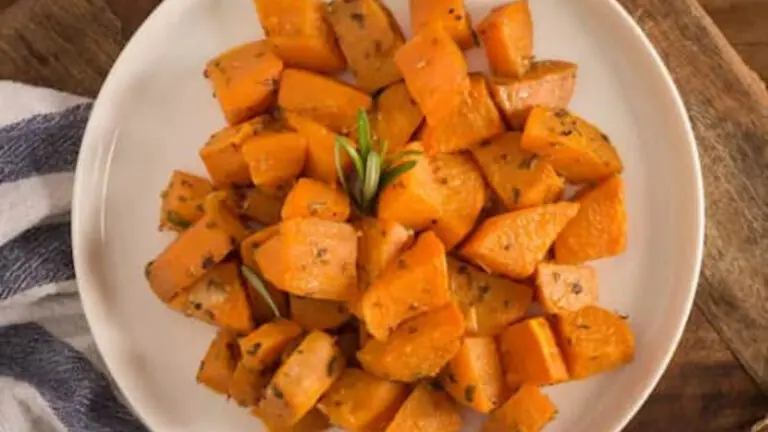
In many traditional Bihari households, elephant foot yam, known as suran or ol, is an essential ritual component of the Nahay-Khay meal. Yam is celebrated in regional folklore for its grounding energy and rich nutritional profile, making it a robust addition to the single meal of the day. Because raw yam can cause an itchy sensation due to calcium oxalate crystals, it is traditionally boiled or shallow-fried thoroughly before being simmered in a light, spiced tomato-free gravy flavoured with ginger and cumin. Managing the heat during the initial searing of the yam requires precise temperature control. Preparing this specialty dish on an Induction Cooktop allows home cooks to maintain a steady, controlled simmer that ensures the yam pieces cook through to a tender bite without losing their structural integrity.
5. Crispy Mangodi Or Ghee-Roasted Fritters
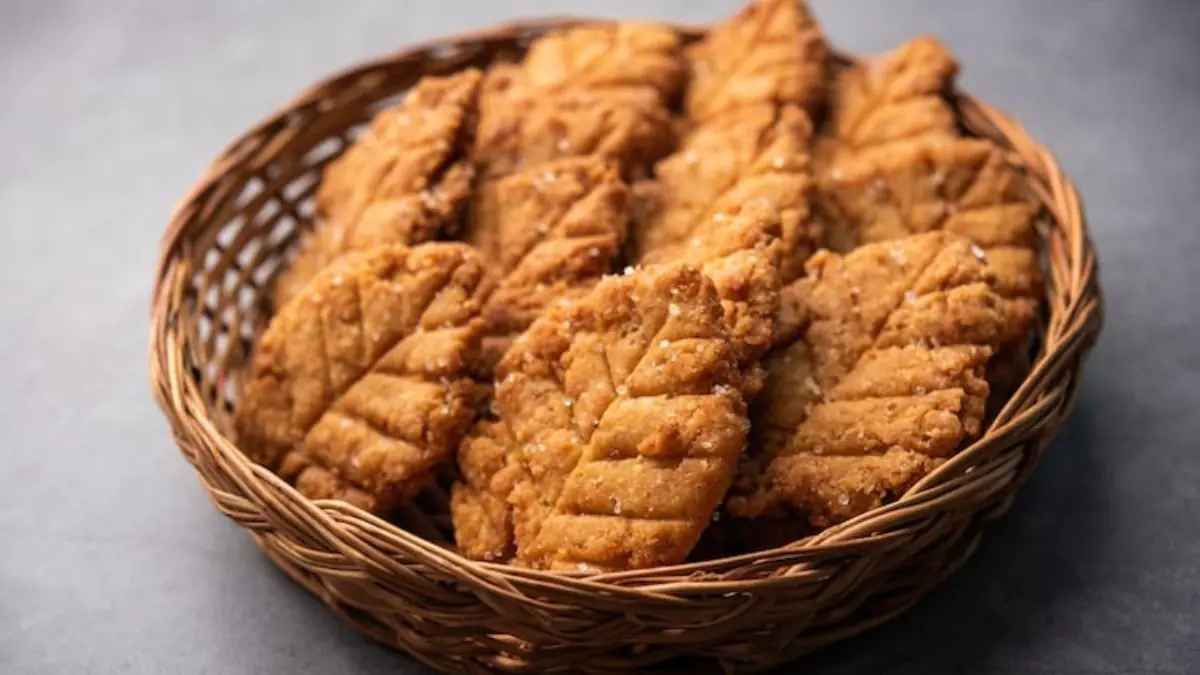
To complete the textural spectrum of the thali, traditional homes often include sun-dried lentil dumplings known as mangodi, or fresh gram flour fritters fried exclusively in pure desi ghee. These crunchy elements add a delightful contrast to the soft rice and comforting gourd curry. Frying these golden morsels requires clean oil or ghee maintained at a steady heat to ensure a crisp exterior without excessive grease absorption. Using a Tri-Ply Stainless Steel Kadai provides exceptional thermal stability, allowing you to fry your mangodis to a uniform, golden crunch while maintaining the pristine purity required for festival cooking.
Embracing Spiritual Purity And Domestic Harmony
Preparing the Nahay-Khay meal is a deeply meditative experience that transforms the kitchen into a sanctuary of mindfulness and devotion. By combining traditional ingredients like bottle gourd, raw rice, and pure ghee with the effortless precision of modern appliances, you can honour ancient regional customs without unnecessary culinary stress. Sitting down to partake in this clean, nourishing meal marks the peaceful threshold of Chhath Puja, grounding the spirit and preparing the body for the sacred days of prayer and reflection ahead.