World Food Day: 5 Ways To Minimise Food Wastage
World Food Day: 5 Ways To Minimise Food Wastage
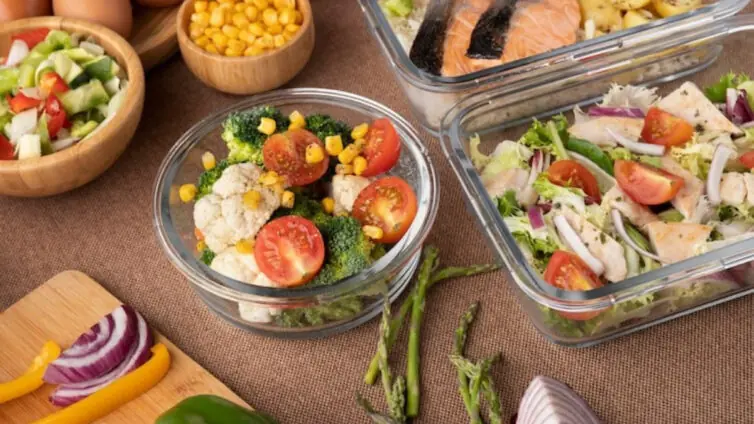


World Food Day is a good reminder that reducing food waste can start with the way we cook and store food at home. From storing ingredients properly to finding creative uses for leftovers and vegetable scraps, a few simple habits can help make the most of what’s already in your kitchen and cut down on everyday waste.
World Food Day brings global attention to the critical issue of food security, but the real work of sustainability begins every morning right on our kitchen counters. Across households, a staggering amount of perfectly edible food ends up in the bin every single day. This waste rarely happens out of negligence; more often, it is the result of forgotten produce tucked into the back of a crowded refrigerator, over-purchasing during weekly grocery runs, or simply not knowing how to breathe new life into yesterday’s dinner. Minimising household food waste does not require a complete lifestyle overhaul, nor does it mean sacrificing flavour or settling for bland, repetitive meals. By combining thoughtful kitchen organisation with the versatile capabilities of your everyday appliances, you can stretch your groceries much further, save a significant amount of money, and ensure every single ingredient reaches its full culinary potential.
Implement The First-In First-Out Refrigeration Strategy
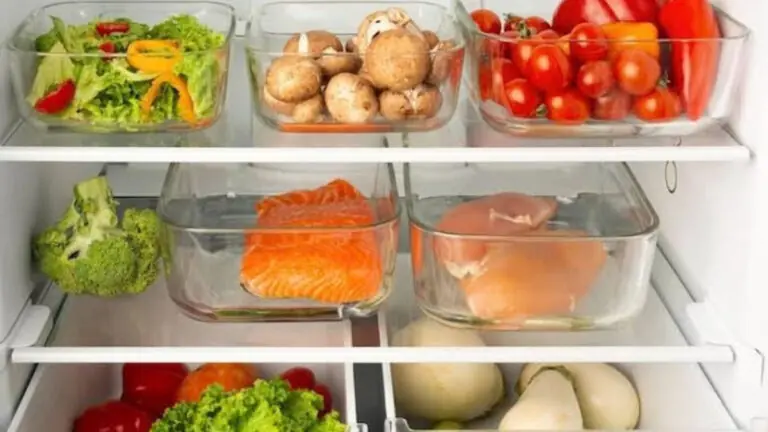
The simplest and most effective way to prevent food from spoiling is to maintain a clear visual inventory of what you already own. Commercial kitchens operate strictly on the First-In, First-Out (FIFO) system, and bringing this discipline to your home refrigerator is a total game changer. Start by designating a specific “eat me first” zone on your most visible, eye-level shelf. This is where opened condiment jars, leftover gravies, and produce approaching its peak should live. When ingredients are tucked away inside opaque crisper drawers or hidden behind large milk cartons, they are easily forgotten until they turn soft or mouldy. Grouping wilting herbs, half-used tomatoes, and stray cheese blocks together in one designated spot gives you an immediate visual cue when planning quick weekday dinners. Before reaching for fresh groceries or ordering takeout, check your designated shelf first. Building this quick checking habit into your daily routine ensures older ingredients are consumed well before their expiration date, instantly cutting down your weekly household waste.
Transform Vegetable Trimmings Into Aromatic Purees In A Mixer Grinder

Herb stems, bruised tomatoes, soft bell peppers, and spare onion quarters are frequently discarded as useless kitchen scraps. However, these slightly imperfect bits and pieces are packed with intense flavour and essential nutrients. Instead of throwing them into the compost bin, you can effortlessly repurpose them into versatile culinary foundations. Collecting vegetable trimmings, roasted garlic, wilting coriander, and soft tomatoes, then running them through a powerful mixer grinder, transforms what would have been wasted into a silky, deeply aromatic paste within seconds. You can customise these purees by adding whole spices, dry red chillies, or ginger to create rich curry bases, spicy chutneys, or soup foundations. Pour these fresh purees into ice cube trays and pop them into the freezer. Whenever you are preparing a quick dal, stew, or gravy later in the week, simply pop out a couple of these frozen flavour cubes and drop them directly into your hot pan. This simple habit turns discarded scraps into an instant shortcut for delicious weeknight cooking.
Revive Yesterday’s Leftovers Using An Air Fryer Or Cooktop
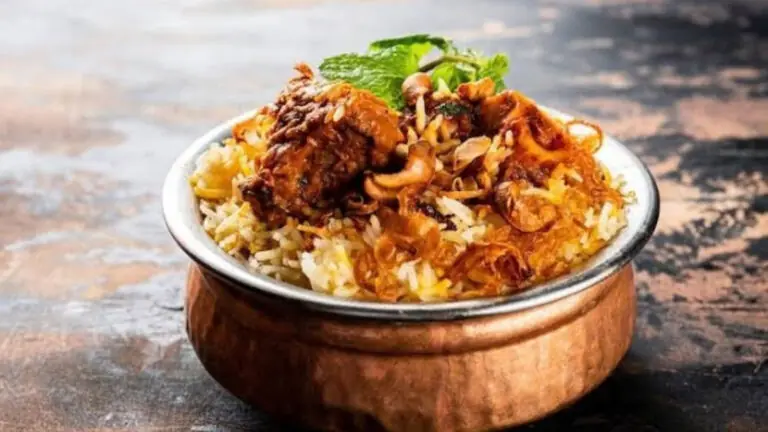
A primary reason leftovers end up in the bin is the disappointing experience of reheating them incorrectly. Microwaving fried snacks, soggy parathas, or leftover cutlets often turns them rubbery, limp, and unappealing, leading many households to discard them instead. Changing your reheating technique completely alters the final result, turning yesterday’s food into something genuinely exciting. Tossing leftover samosas, pakodas, or roasted vegetables into an air fryer for just five minutes uses rapid, dry convection heat to draw out surface moisture and restore their original shatteringly crisp texture without adding extra oil. For grain dishes like biryani, pulao, or leftover curries, reheating them on an Induction cooktop with a tiny splash of water or broth reconstitutes the steam, making the rice plump and the gravy velvety again. By matching the right heat source to your leftovers, you preserve their structural integrity and flavour, ensuring that second-day meals taste just as delicious and satisfying as when they were freshly cooked.
Fast-Blanch And Preserve Wilted Greens With An Electric Kettle
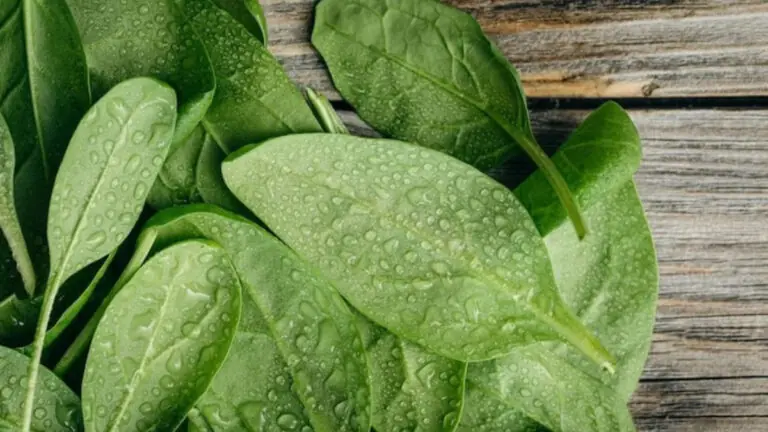
Leafy greens such as spinach, coriander, methi, and mustard greens have a notoriously short shelf life in warm climates. Within just a few days of purchase, vibrant bunches can quickly become limp, yellowed, and unappealing. Before these nutrient-rich greens cross the point of no return, you can easily preserve their vibrant colour and fresh flavour using a fast-blanching technique. Pouring boiling water directly from an electric kettle over softened greens in a colander wilts them instantly without overcooking or destroying their nutrients. Immediately shock the blanched leaves in a bowl of ice-cold water to stop the cooking process and set their bright chlorophyll pigment. Once cooled, squeeze out the excess moisture, chop the greens, and store them in an airtight container in the freezer. Having these pre-blanched greens ready in your freezer means you can quickly toss them into morning omelettes, blend them into palak paneer, or fold them into paratha dough at a moment’s notice, completely eliminating green waste from your kitchen drawer.
Master Smart Portioning And Single-Pan Cooking
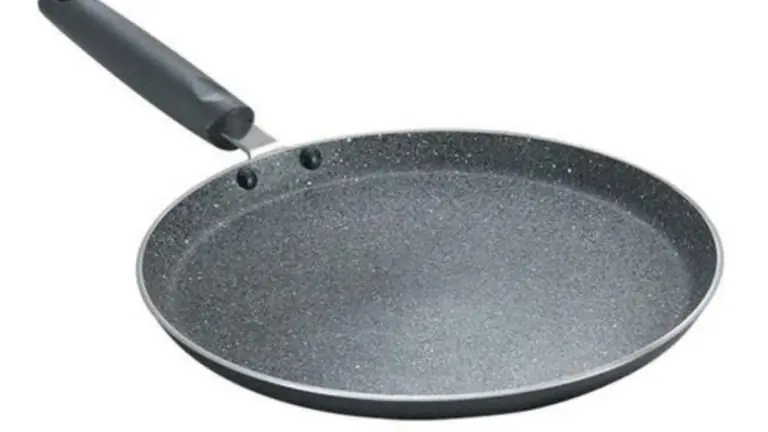
Cooking massive quantities without a clear plan for storage or consumption is one of the leading causes of domestic food waste. While preparing large batches makes sense for meal prepping, it often leads to food fatigue where family members simply grow tired of eating the same dish for three days straight. Moving toward intentional, small-batch cooking keeps your food fresh and your menu exciting. Designing weeknight dinners around single-skillet recipes or single-serve portions allows you to measure ingredients precisely before they hit the heat. Taking two extra minutes to weigh your rice, count your rotis, or portion out your vegetables ensures you cook only what your household actually intends to eat that evening. This deliberate approach completely eliminates the burden of managing overcrowded refrigerator shelves full of half-eaten containers, ensuring every single meal is served fresh, hot, and enjoyed down to the very last bite.