Can You Deep Fry on Induction? Here’s What Works
Can You Deep Fry on Induction? Here’s What Works
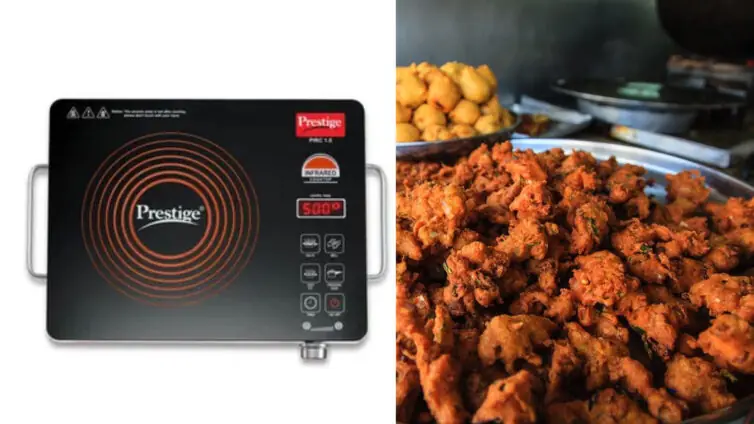


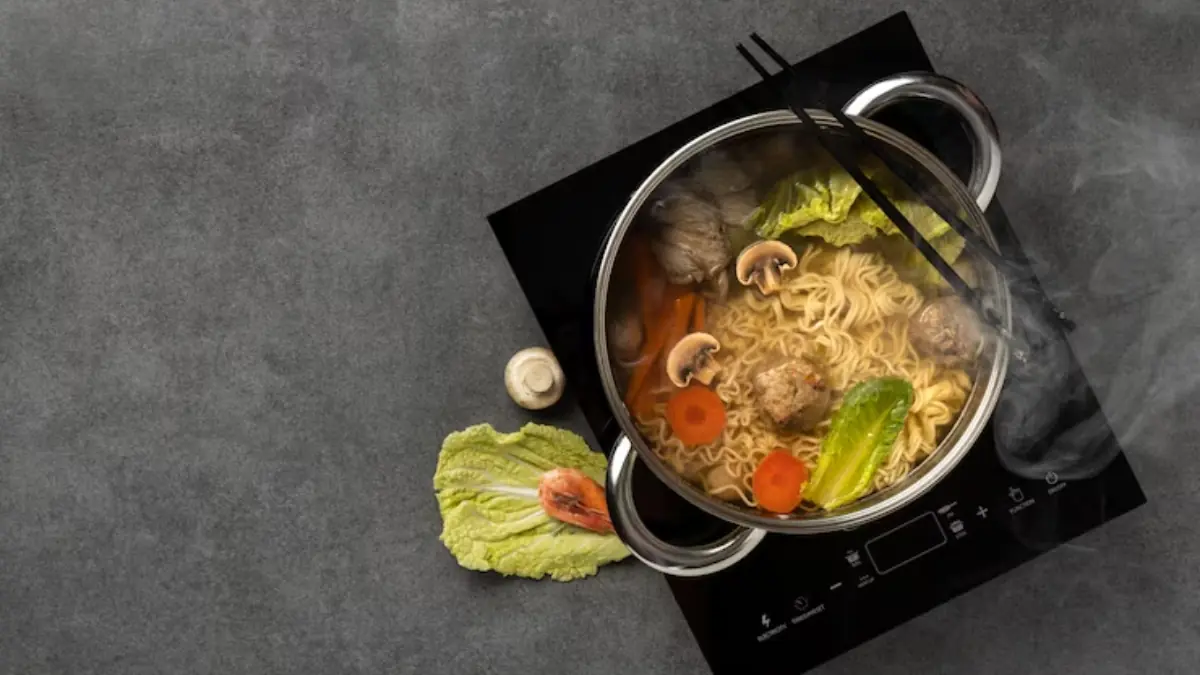
Modern kitchens are always in need of modern appliances. One such invention is the induction, which is usually used for quick, one-pot and easy meals. At the same time, you can also use it for meals that need a bit of deep-frying, too. Here’s all you need to know about it!
Talking particularly about deep frying, this method is popular all over the world. Though it is considered a bit unhealthy, everyone is fond of deep-fried foods. They are crispy, delicious and awesomely satisfying. Some of the best deep-fried foods are chips, French fries, fritters, puris, jalebis, chicken wings and doughnuts. Even in Indian curries, frying the vegetables or meats before adding to the gravy is a well- known way to elevate the taste of the dish.
It is no surprise that among the many delicacies and culinary techniques in India, the deep frying of many dishes includes different utensils and even different cooking cornerstones backed up by high-temperature resistance and safety. Many households use gas stoves and a circular pan known as a kadai to deep fry things because of their hollow bottoms. When switching to induction, placing cooking pans and utensils becomes difficult because they require a flat surface. Pans designed for induction are either made for boiling or shallow frying, which is not a perfect pan, similar to the one you put on the gas stove to fry things.
If you are looking to use your induction cooktop for deep frying, keep all your worries at bay because these hacks will help you use the induction however you want with proper safety and efficiency.
Using Induction-Friendly Cookware
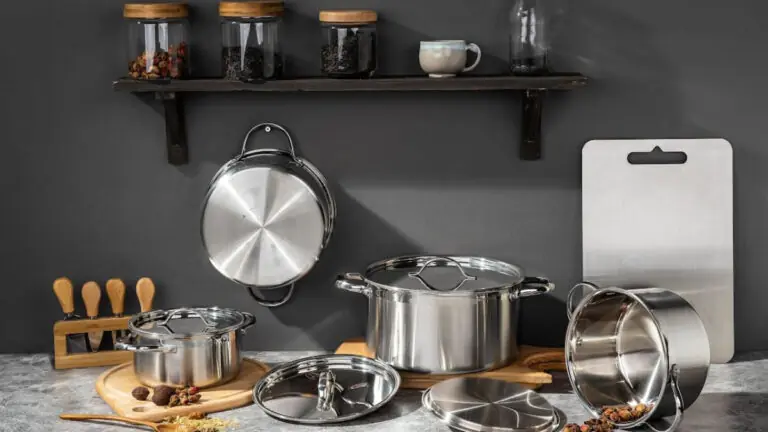
Choosing the right cookware is essential for deep frying using induction. Choose a saucepan or pan created especially for induction; make sure it is composed of magnetic material and has a flat bottom. Cookware made of copper or aluminium should not be used with induction. Investing in a high-quality pot with an induction cooker can make deep-frying much more efficient. Deep frying on an induction stove is fantastic, and in some ways superior to gas. Precise temperature control keeps the oil stable rather than spiking and decreasing. With no open flame, there is no chance of the oil catching fire. The smooth surface supports a hefty kadai or pan and you can deep-fry anything that you want!
Add The Oil Gently
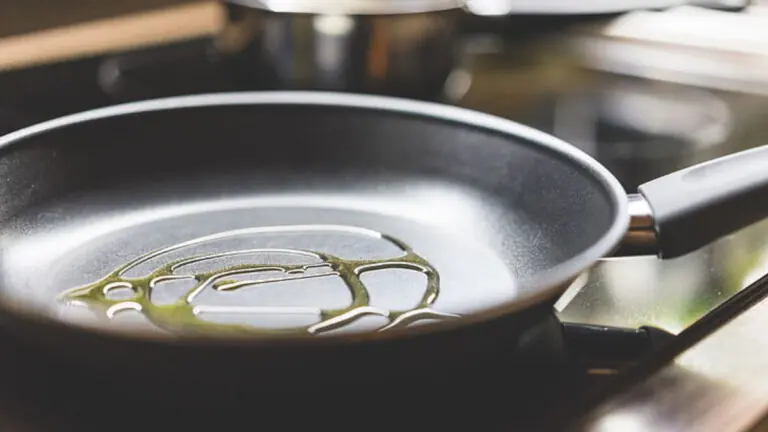
Pour oil into the kadai, filling it only halfway. When you drop food into hot oil, it expands and bubbles vigorously. Overfilling increases the chance of spills on the glass surface. In a regular home kadhai, 500ml to 750ml of oil is usually plenty for most foods. If your induction cooktop has a specialised frying setting, use it. It normally maintains a temperature of roughly 170°C to 180°C, which is suitable for Indian deep-fried appetisers. If there is no preset, adjust the power to medium-high and allow the oil to heat for 3-4 minutes. Never start at full power since induction warms quicker than gas and oil might overheat soon!
The Correct Temperature
For flawless outcomes, the optimal oil temperature must be reached and maintained. Compared to gas or electric stoves, induction cooktops frequently require greater attention to temperature adjustment. To precisely check the temperature of the oil, use a deep-fry thermometer. To get the right temperature, add less oil and add more as needed. To avoid fluctuations, be ready to make regular adjustments to the power settings. Since deep-frying includes hot oil, it is important to look after safety. When deep-frying, never leave the kitchen unattended.
Fry In Batches
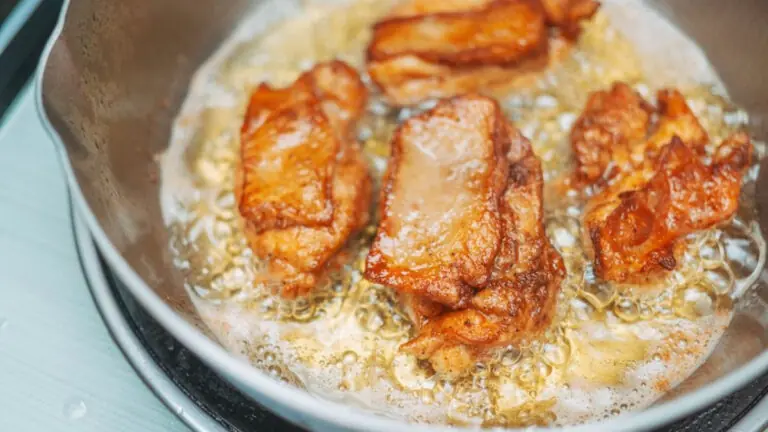
Food should not be packed into the pot too tightly because this could splash the oil. Use caution and a spider or tongs to remove food from the hot oil to avoid mishaps. Drop food in one piece at a time, ensuring a uniform spacing. Three to four pieces each batch of pakoras, two samosas, or one poori at a time. Crowding the kadhai reduces the oil temperature significantly, resulting in soggy results. Allow room for each item to float and rotate freely.
Test Out Various Oils
The results of your deep-frying might be greatly influenced by the type of oil you use. Deep-frying works best with high-smoke-point oils like vegetable, canola, or peanut oil. Because olive oil has a low smoke point, it should be avoided. Try out a variety of oils to see which one best meets your needs. Induction, which uses precise and sensitive heat, allows you to regulate exactly where the oil rests. Before frying, drop a small cube of bread or a pinch of flour into the oil; it should sizzle promptly and constantly, rather than aggressively splattering or sitting still. That reaction reveals everything you need to know about the type of oil you should use for deep-frying on an induction cooktop.
Keeping The Induction & Induction Cookware Clean

Maintaining the functionality of your induction cookware and cooktop requires routine cleaning. This also makes the shelf-life of your induction cooktop last more than 5 years! Before cleaning, let the cooktop cool fully. Spills should be cleaned up right away to avoid their solidifying. Grease and food residue can be removed with a non-abrasive cleaning. Use a gentle detergent when hand-washing your kitchenware, and stay away from harsh chemicals. Unlike gas burners, which conceal their flaws behind grates and drip pans, induction is flat, obvious, and completely unforgiving of neglect. A dirty surface with oil residue, food spills, and mineral deposits from water not only appears disorderly, but it also impairs heat transfer. This, in turn, causes stains on cookware bases and eventually damages the ceramic glass that allows induction to function so neatly in the first place.