Jalebi’s Origins Might Surprise You: It’s Older Than You Think
Jalebi’s Origins Might Surprise You: It’s Older Than You Think
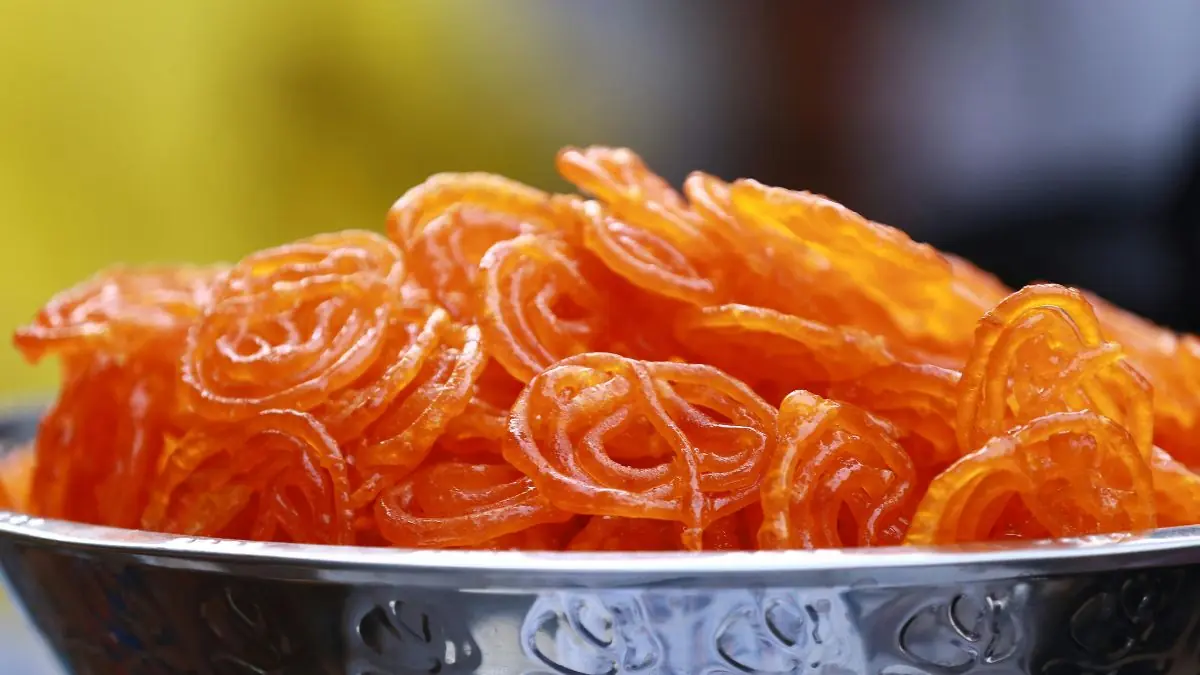


The famed coiled sweet treat jalebi is perhaps one of the most favoured desserts across most Indian regions. It is popular as a breakfast paired with chilled masala chaas or rabdi and works just fine as a dessert served on special occasions. But the origins of the jalebi happen to be far away from traditional Indian kitchens. It carries a long, interesting transnational history that might be quite astonishing.
When it comes to traditional Indian sweets, one of the most popular delights is the jalebi, a yellowish-orange coiled sweet treat dipped in the indulgent goodness of sugar syrup. Whether served as a warm breakfast with masala chaas or rabdi, or served as a dessert during a wedding or a festival, or gorged on at a northern Indian street-style stall, the jalebi makes its presence known in most Indian culinary worlds. But the traditional sweets lover who loves exploring food stories would be astonished to learn that the jalebi actually has its origins in kitchens far away from Indian regions. Jalebi comes to India after lengthy, engrossing, transnational travels across kingdoms and empires that reigned thousands of years ago.
Of Persian Ancestry
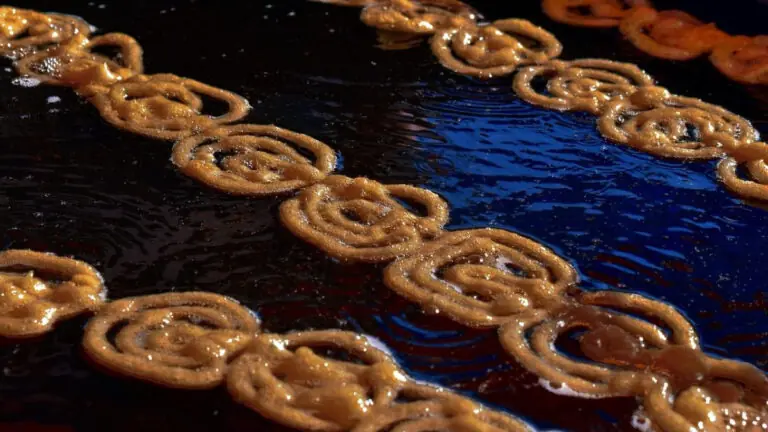
One of the earliest mentions of the jalebi, now deep-fried in a kadai, traces this indulgent sweet treat to Persian cultures. Food historians suggest that a sweet akin to jalebi, called the zulabiya, was frequently produced in Persian kingdoms. The 10th century cookbook, Kitab al-Tabeekh, refers to the zulabiya as a popular sweet treat that was distributed among the common people during festivals such as Ramadan, at the Iftar meal. In this context, the zulabiya is described as a fried batter sweet, soaked in sugar syrup, much like the jalebi we know today which is dipped in a similar warm syrup seasoned with saffron, and prepared in a large kadai or fry pan.
The classic zulabiya is said to have been made from fermented batter and fried in intricate, artsy shapes. Many times, it was also soaked in honey, in lieu of sugar syrup. The strong resemblance to the traditional Indian jalebi fried in ghee or oil in a modern kadai, is too hard to ignore. That’s because, it is believed that this sugary delicacy travelled with Persian and Turkish traders to Indian shores. Here it was quickly picked up by the culinary maestros of the period and became popular by the name of ‘jalebi.’ From the 15th century onwards, this jalebi which had travelled to Indian regions from afar, cemented itself as a dessert staple dipped in large pans filled with sugar syrup, served at weddings and offered in temples as freshly made prasadam.
Jalebi’s Presence In India
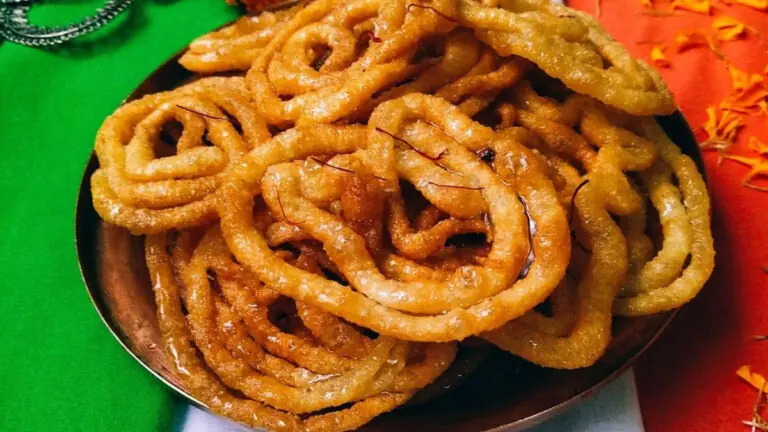
It is interesting that although the zulabiya came to India sometime in the 13th century, its recipe was honed and perfected for as many as 200 years before it started being referred to as the jalebi. This transformation happened gradually and artistically. Indian kitchens began experimenting with indigenous ingredients and local frying techniques to make the jalebi their own. They started adding a pinch of cardamom and saffron to the sugar syrup to make it slightly more aromatic.
Eventually, the jalebi started appearing in literary contexts. The 15th century Jain text Priyamkarnrpakatha speaks about the jalebi as a sweet called the jalavallika. Other references appear in certain Sanskrit texts too, which refer to a similar syrup-soaked fried sweet treat. In fact, Sanskrit texts written in the early 1600s also describe a detailed recipe to make the jalebi which closely resembles the technique that is practiced today.
Bhojma Kutuhala, one of the first books on food science traced back to Indian scholars, also mentions a recipe to make the jalebi. It would appear then that by this time, the jalebi had become a prominent part of Indian kitchens, prepared on several important occasions and served as a delicacy that symbolised wealth and good fortune.
How Jalebi Changed In India
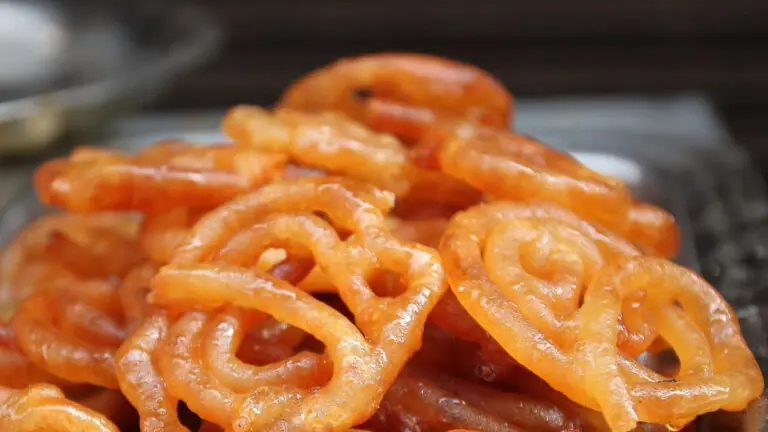
What is interesting about the jalebi’s trajectory is that Indian kitchens did more than just replicate the Persian treat. They also added a little bit of their own culinary inventiveness to the recipe to make the jalebi their own. The batter began to be made using maida or all-purpose flour and curd was used for fermentation. The iconic coil shape of the jalebi became its identifying marker. Gastronomes started pairing this delicacy with rabri, milk and buttermilk to explore the sheer versatility of the sweet treat.
If that’s not enough, jalebi also began to be reinvented through regional variations. The jangri or khoya jalebi also became popular as versions of this dessert which were more in tune with local, regional culinary rhythms. Evidently, Indian kitchens went above and beyond to diversify and embrace the jalebi.
A Long History
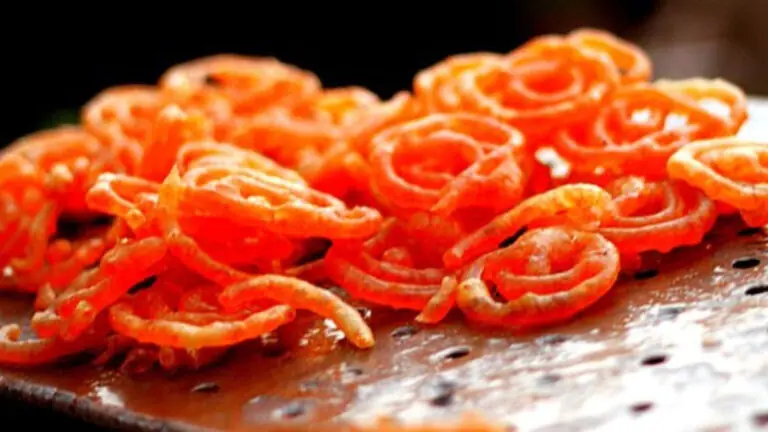
When it comes to traditional Indian sweets, one of the most popular delights is the jalebi, a yellowish-orange coiled sweet treat dipped in the indulgent goodness of sugar syrup. Whether served as a warm breakfast with masala chaas or rabdi, or served as a dessert during a wedding or a festival, or gorged on at a northern Indian street-style stall, the jalebi makes its presence known in most Indian culinary worlds. But the traditional sweets lover who loves exploring food stories would be astonished to learn that the jalebi actually has its origins in kitchens far away from Indian regions. Jalebi comes to India after lengthy, engrossing, transnational travels across kingdoms and empires that reigned thousands of years ago.