Pav Bhaji Origin: Know The Story Behind The Mumbai Street Food
Pav Bhaji Origin: Know The Story Behind The Mumbai Street Food


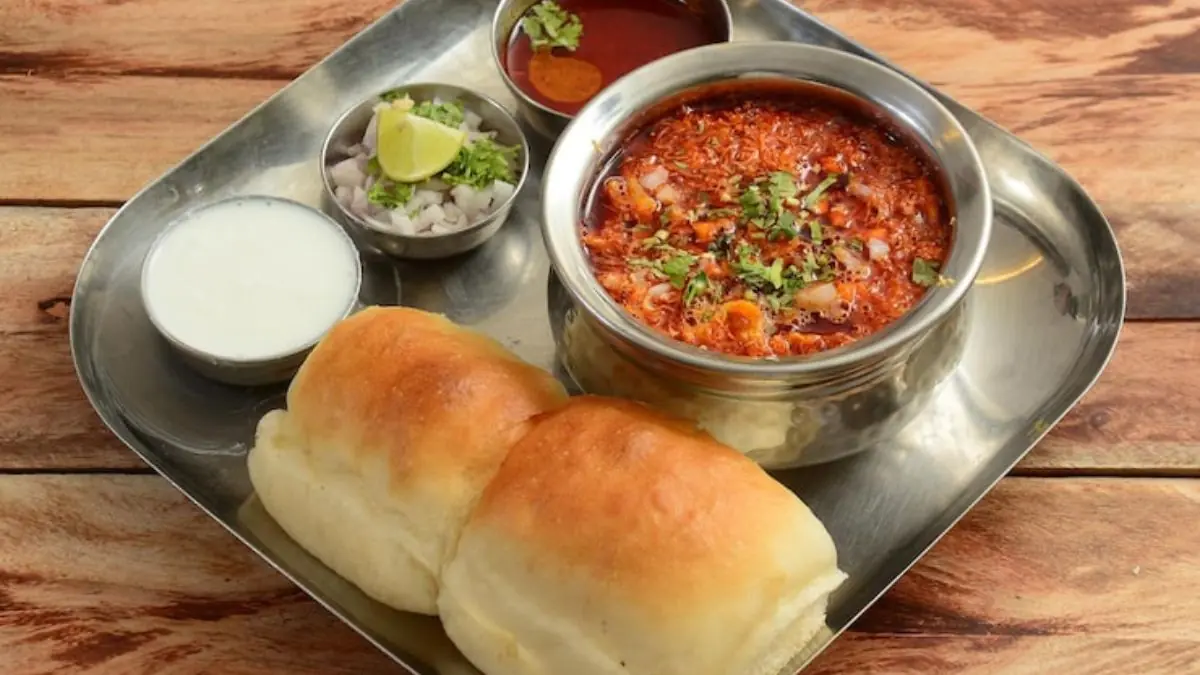
Pav bhaji is the ultimate staple of Mumbai, and now its wings have started spreading to other parts as well. Pav bhaji consists of pav, which is a soft bread roll, while bhaji is an utterly delicious vegetable curry. Let us tell you that bhaji is an Indian name for a vegetable dish, while pav or pao is a Portuguese word for bread. And this was introduced during their brief presence around the 1500s in Mumbai. Isn’t it intriguing? Here’s a thorough breakdown of the story and origin behind pav bhaji.
Bhaji actually traces back to somewhere around the 1850s, when there used to be textile mill workers in Mumbai. While working for long hours, the workers used to take short lunch breaks, and since they had to return to tireless physical work, they always preferred a heavy lunch. Mill workers wanted something that would keep them full for hours. Here is when bhaji came into the picture. A vendor created bhaji, which was easy, quick, cheap, light, and still nutritious. The man, who invented bhaji, mixed some parts of other vegetables mentioned on the menu. As time passed, this pav bhaji became the favourite late-night street food, and this is the pav bhaji origin story everyone usually gets to hear.
It is readily available in every other city and is eaten with a lot of butter. The bhaji is a nutrient-dense combination of potatoes, cauliflower, carrots, peas, and onions. It is paired with pav, which is buttery after being combined with bhaji masala and additional spices on a tawa. By the way, making the pav bhaji masala is super easy, and that is the key element of this recipe. You can make this multipurpose masala in a grinder. If anyone asks you about the origin of the pav bhaji, you know what to say.
It is very much made from unhealthy ingredients, which is why it is not practical to eat it regularly. But this doesn’t mean that one has to stay away from their favourite street food just because it’s unhealthy. There are a lot of ways to make this unhealthy street food extremely healthy. One of the reasons for pav bhaji’s popularity is its versatility. Ever since the origin of pav bhaji, it has been known that one can eat this meal on its own, or it can be served as a snack or appetiser.
Some people like their pav bhaji to be spicy, while others prefer a milder version; others might bake it in an OTG. Some people add extra butter to their pav, while others prefer to keep it light. The dish is made fresh, so customers can see the ingredients being mashed together and cooked right in front of them. This adds to the sense of excitement and anticipation.

The popularity and origin story of pav bhaji have led to many variations of the dish. Some vendors add cheese or paneer to the mixture to give it an extra richness, while others add a dollop of yoghurt or lemon juice to cut through the spiciness. It is also sometimes served with chopped onions, coriander leaves, and lemon wedges on the side.
Pav bhaji has become a symbol of Mumbai’s street food culture and is loved by people of all ages. It is a dish that is both comforting and satisfying, and its popularity shows no signs of slowing down. So, if you ever find yourself in Mumbai, make sure to try this delicious and iconic dish. A lot of places in Mumbai offer pav bhaji, from hole-in-the-wall eateries to larger restaurants. It’s a meal that’s a favourite with many people in the city, and tourists tend to go looking for it too. You might have come across many bizarre street food experiments, but if you want to make the traditional pav bhaji as mentioned in the origin story, here are some tips to keep in mind while cooking it at home:
Choosing The Right Vegetables
The initial and crucial step in making pav bhaji is choosing the right vegetables and the way you chop them. If you’re trying to save time, you can use a veggie cutter as they significantly influence the flavour and texture. Opting for veggies like potato, onion, tomato, peas, and cauliflower can impart a street-style flavour to your dish. Moreover, ginger and garlic should be included to enhance the dish’s robust flavour.

Perfecting The Art Of Mashing
Now that you’ve gathered all the vegetables, it’s time to boil them and start mashing them. You can boil it in a steamer or a pressure cooker. Mashing the veggies is a crucial step in making pav bhaji. By thoroughly mashing them with a potato masher or blender, you can achieve a smooth and creamy texture. This step is essential as it allows the vegetables to better absorb the masalas and create a more flavourful dish.
Using Butter Generously

This step is important when preparing pav bhaji. Remember the pav bhaji origin story? Yes, you don’t want to miss this step to get the authentic taste. The use of butter is key to achieving the rich, creamy flavour that characterises this dish. Street vendors typically use generous amounts of butter when cooking pav bhaji to give it a soft, buttery texture. To enhance the flavour further, consider adding a teaspoon of butter to the bhaji before serving. If you don’t have a tawa, you can use a non-stick pan on medium heat, or if you are trying to save on gas, you can also use an induction cooktop.
Toasting The Pavs

It’s time to toast the pav once the bhaji is prepared! The pav bhaji gets a great crunch and flavour from toasting the pavs in butter on a tawa. But what to do if you do not have a tawa? Choose soft, fluffy buns or rolls and cut them in half horizontally for the best results. You can try using an air-fryer with a brush of butter, or a grill pan might come in handy as well. You can set it to toast on low heat.
Garnishing With Coriander & Onions
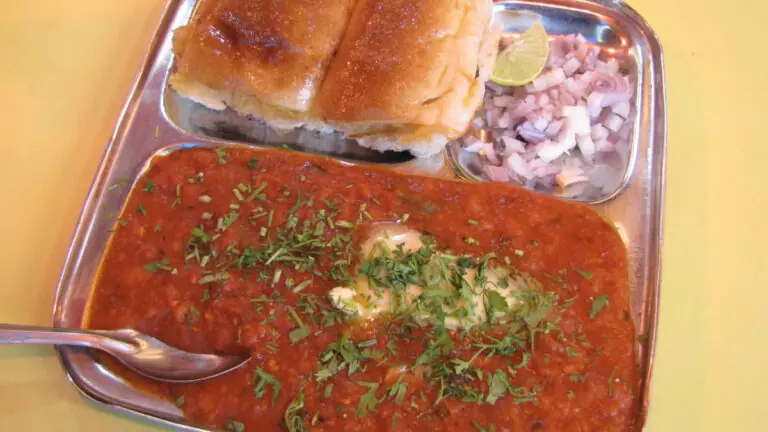
Lastly, add chopped onions and lemon to the pav bhaji. This adds some colour and flavour to the cuisine. As you squeeze lemon, it offers a tart flavour that improves the dish’s balance with the pav, and chopped onions are a terrific way to give your pav bhaji a little crunch. Serve this to people when they come over and share with them how Mumbai made the pav bhaji and its origin so popular.