Traditional Bihu Dishes From Assam You Should Try
Traditional Bihu Dishes From Assam You Should Try


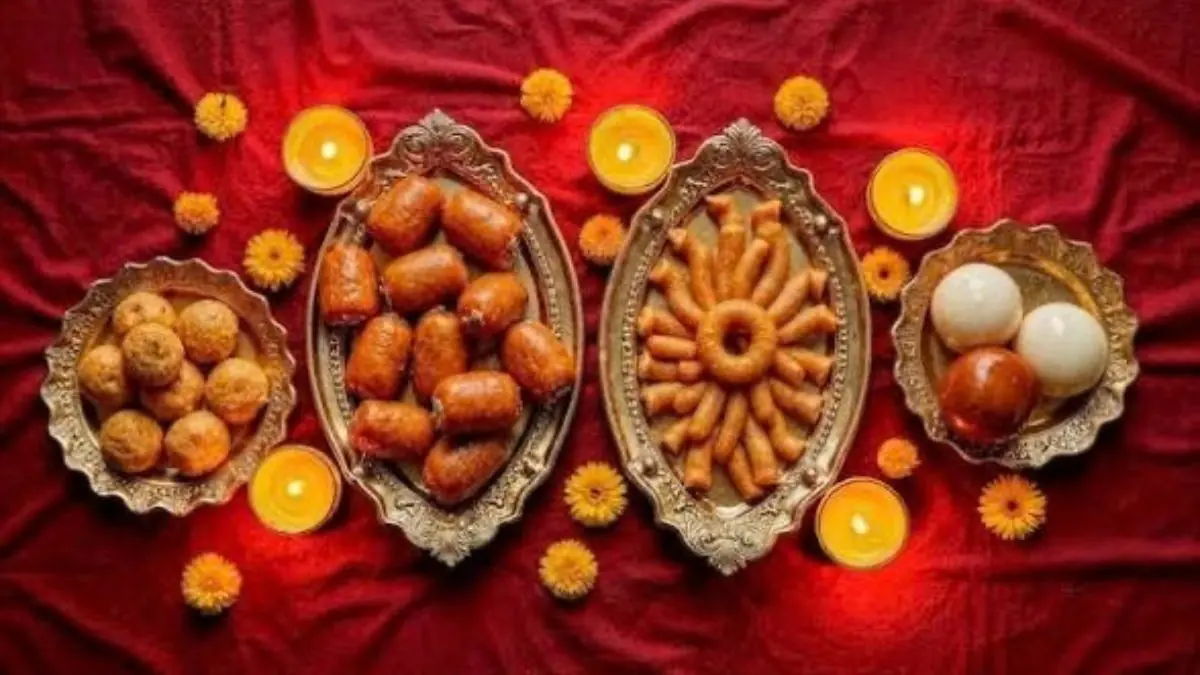
Bihu marks the beginning of the Assamese New Year and is a time for families to come together, exchange gifts, and savour the traditional delicacies of Assam. If you are interested and would like to explore the recipes, here are a few traditional dishes you can make to celebrate.
Bohag Bihu is the first of the three Bihus in Assam and coincides with the sowing season, a prelude to labour and fertility. Spread over seven days, it begins with Goru Bihu, the washing and worshipping of cattle, companions in the agricultural life. The next day, Manuh Bihu, is for people: elders offer blessings, new garments are worn, and exchanges of the symbolic gamusa scarf reaffirm community bonds. But if Bohag Bihu is about beginnings, Magh Bihu, observed in January, is where the culinary crescendo lies. Known also as Bhogali Bihu — literally, “the festival of feasting” — it is a harvest celebration where food takes centre stage. The evening before, communities build Bhelaghar (temporary huts) and Meji (bonfires), gathering to cook, sing, and eat under open skies. There is no Vishukkani in Bihu, no single object of sight. Instead, the focus is communal and oral with a night spent around fire, surrounded by the warmth of pithas, larus, and stories older than memory.
From sweet and savoury snacks to flavorful main courses and refreshing beverages, Bohag Bihu’s cuisine is a gastronomic delight that offers a unique blend of flavours, aromas, and textures. Each dish is carefully crafted with a combination of locally sourced ingredients and traditional cooking techniques, giving it a distinct taste and character. Why don’t you dive into the traditional culinary recipe journeys through Assam’s festive cuisine and explore the fascinating traditions and flavours of Bohag Bihu, from iconic dishes like pithas and laru, to the richness of the Assamese thali.
Ghila Pitha
Ghila Pitha is named for its knee-cap-sized forms and in Assamese, kneecaps are referred to as ‘ghila’. Pitha is a particular type of rice preparation that is often cooked exclusively on rare occasions such as Bihu. So, make these wonderful ghila pithas and enjoy them with the whole family since they are quite easy to prepare and all you need is a deep-pot or kadai. Assamese pithas are frequently made using bora saul, a type of sticky rice, or xaali saul, sun-dried rice.
Narikol Ladoo
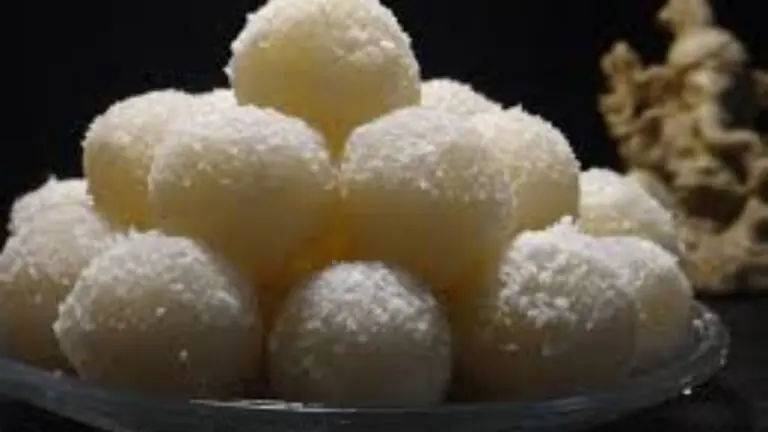
The popular Assamese dessert Narikol Ladoo, also called coconut ladoo, is made and consumed frequently during the Bohag Bihu celebration. Freshly grated coconut, sugar, and occasionally cardamom powder are used to make these ladoos. The grated coconut is cooked with sugar until a thick consistency develops, and then it is formed into spherical balls. Narikol ladoos are an essential component of the joyous festivities in Assam during Bohag Bihu because they stand for sweetness, prosperity, and happiness.
Masor Tenga
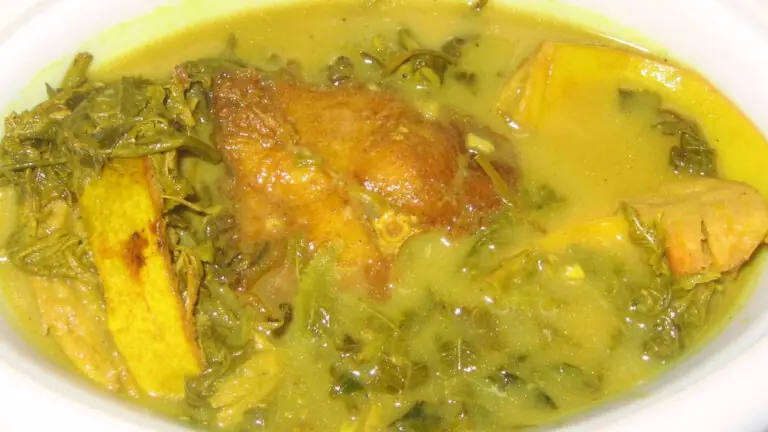
A traditional Assamese fish stew called masor tenga is very important during the celebrations and only freshwater fish, such as rohu or catfish, are used to make the dish. Tangy ingredients, such as tomatoes, lemon juice, and ou tenga, or elephant apple, are added to the curry and simmered in a pan or pot. To make a tasty and tart gravy, the meal is prepared with spices such as green chillies, ginger, and turmeric. A feature of Bihu celebrations, masor tenga represents the prosperity of Assamese agriculture and fisheries.
Payox
Payox, sometimes referred to as Payasam or Kheer, is a customary Assamese dessert prepared at Bohag Bihu. Rice, milk, sugar, and sometimes cardamom, saffron, or almonds are used to make this creamy, delicious treat. Payox is very significant at Bihu because it represents wealth, joy, and unity. During the joyous festivities, families gather to cook and savour this delectable dessert, which they then share with loved ones as a token of gratitude.
Murir Laru
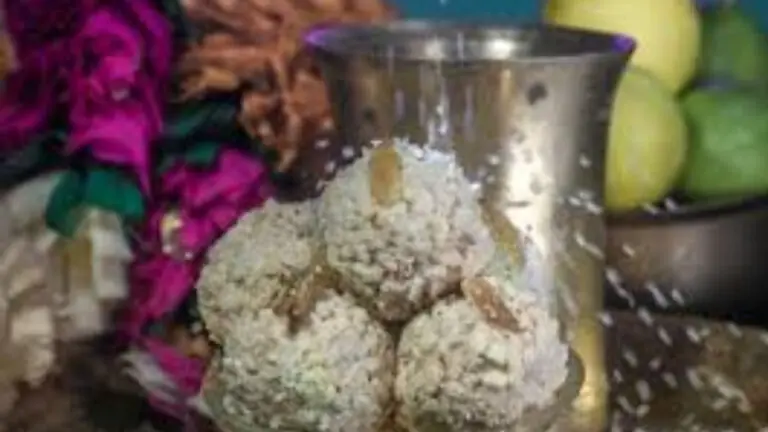
This sweet made with puffed rice and jaggery is super light and guilt free eat and can be made in a jiffy. All you need is ghee, jaggery, water and puffed rice added to the non-stick pan till it melts. Stir and check for the right consistency. Add the puffed rice mix them well and then made into round balls.
Tekeli Pitha
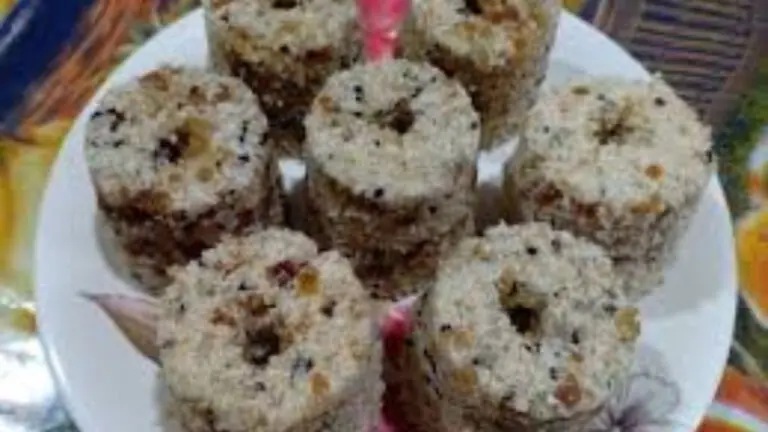
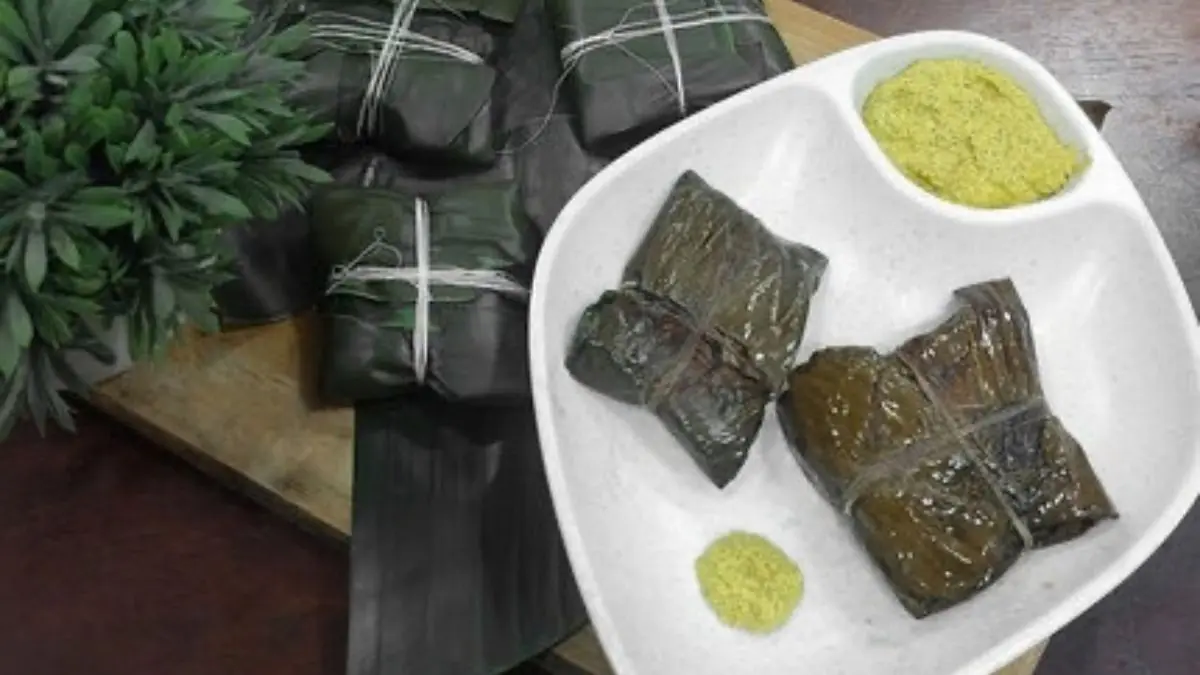
This steamed pitha is a delight. “Tekeli mukhot diya pitha” means “to make the pitha by placing or steaming it on the mouth of a Tekali or a kettle”. This pithe is made from the seasons first harvest. This assam style steamed sweet delicacy sees the use of a special fragrant variety rice, grated coconut and aromatic jaggery. This pitha happens to be integral part of their Bihu celebrations.
Bamboo Shoot Fry
An Assamese dish that is used to celebrate Bihu is bamboo shoot stir-fry. The green stems are chopped into thin slices and marinated for some time in salty turmeric and mustard oil, which facilitates the crispy deep-fried outcome. While frying, you can use the heavy-bottomed pans and deep-fry to get that specific taste and texture. it has a crispness and subtle earthiness that complements the happiness filled by the family when the Bohag Bihu is celebrated.
Jolpaan
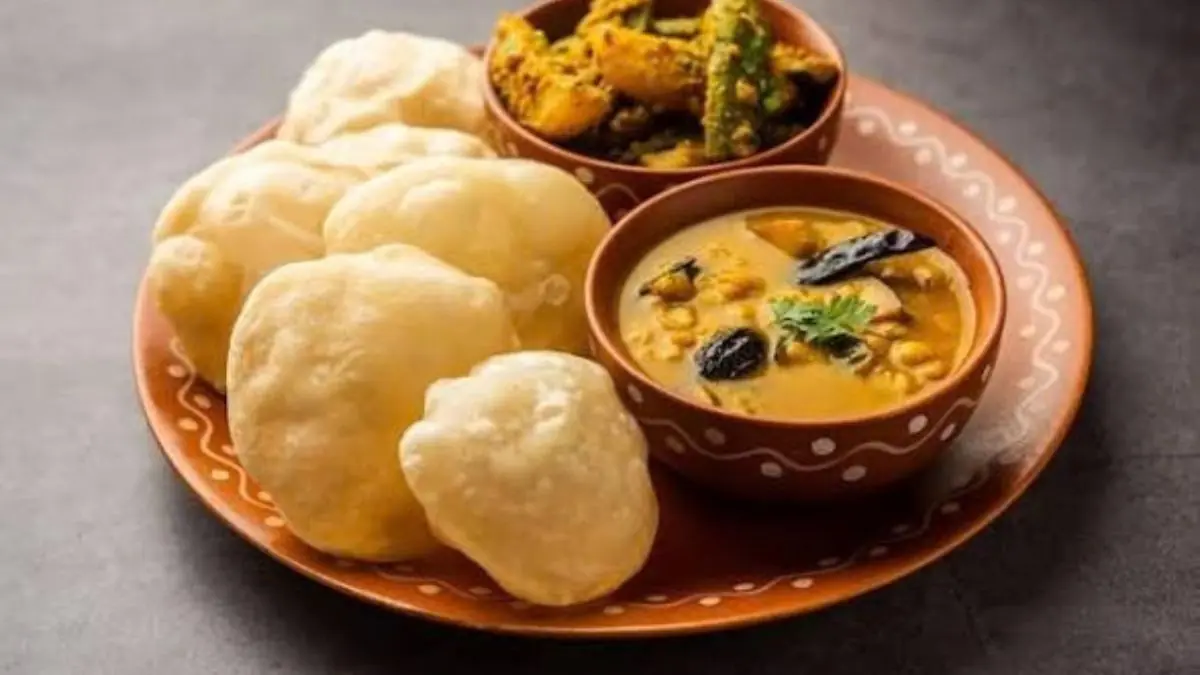
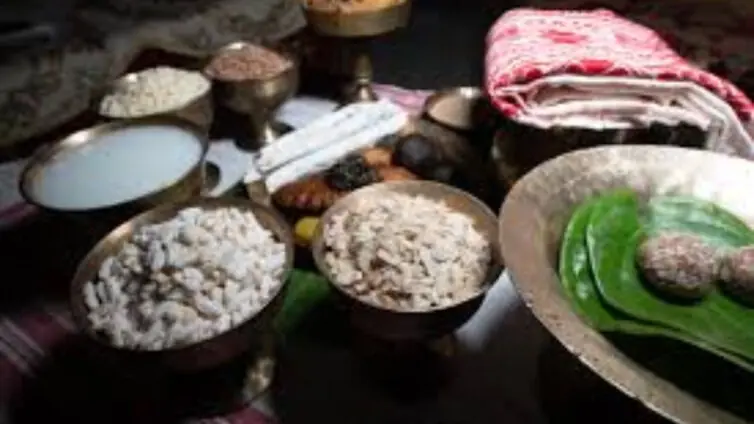
Everyday components of a jolpaan can be seera (flattened rice), hurum and akhoi (types of puffed rice); rice products that are processed using traditional techniques to give them characteristic shape and texture. In many homes, these are commonly eaten along with cream or curd and jaggery. These may be accompanied by savoury items like luci or puris made of refined flour, and potato curry. There’s also laal sa, or tea without milk. In traditional homes, jolpaan ends with tamul-paan or betel leaf with areca nut, smeared with suun, or white lime paste.
Khorisa Maas
The term khorisa maas means fish with bamboo shoots. As the name suggests, this fish recipe is prepared with grated bamboo shoots, which are either raw, fermented or in pickled form, along with a little heat from the green chillies which have tempered with spices using a tadka pan. Khorisa maas is a scrumptious dish that can be prepared in under twenty minutes, making it an ideal option for family dinners.
Duck In Black Sesame Curry
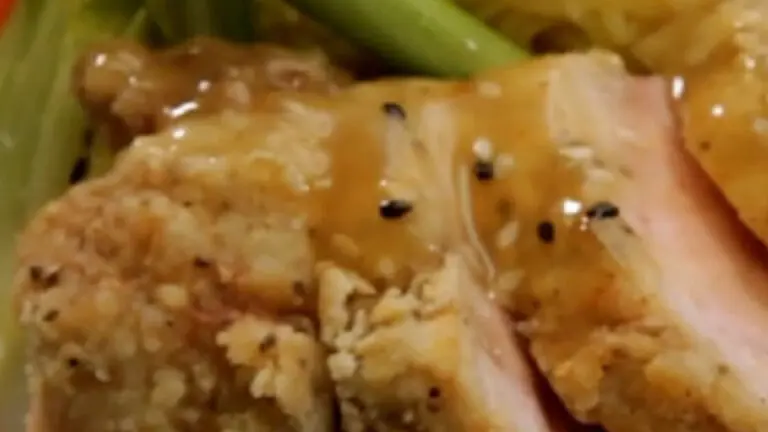
In Assam, duck with black sesame is a traditional dish that’s commonly made at Bohag Bihu. Duck parts are marinated in a mixture of spices, including turmeric, ginger, and garlic, and then cooked in a thick sauce infused with black sesame paste. The meal gains a nutty, fragrant flavour from the sesame. During Bohag Bihu festivities, duck with black sesame is regarded as a delicacy and represents wealth and success. It is frequently eaten with luchi or pitha, two types of traditional Assamese bread, or with steamed rice.