Golgappa History: Everything You Need To Know About The Spicy Snack
Golgappa History: Everything You Need To Know About The Spicy Snack
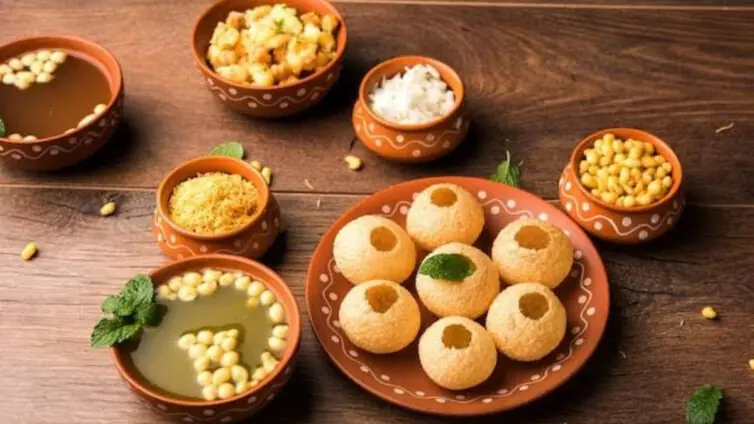


The evolution of the golgappa spans ancient legends and historical kingdoms across the Indian subcontinent. This street food staple transforms regional ingredients into a sensory experience defined by its characteristic crunch and spicy water. Modern adaptations continue to celebrate these traditional roots while integrating contemporary kitchen practices and health standards.
Walking down a narrow lane in any Indian city brings a familiar sound. It is the rhythmic tapping of a metal spoon against a large pot. You see a man standing behind a small wooden cart. He is surrounded by people of all ages. They are all waiting for one thing. That thing is the perfect golgappa. It is a tiny ball of fried dough that holds a world of flavour. It is crunchy and salty and spicy. Most importantly, it is a piece of living culture that you can eat in one bite. The street is loud and busy. But your ears always find the sound of the vendor. He cracks the top of a hollow puri with his thumb. He fills it with potatoes and chickpeas. Then he dunks it into a deep pot of green water. He hands it to you on a small leaf plate. You have to eat it quickly before the water leaks out. This experience has not changed for a very long time. It feels like a tradition that belongs to everyone. It is the sound of home for millions of people.
Understanding Golgappa History
When you look into golgappa history, you find many different stories. No one is exactly sure who made the first one. Some people say it is thousands of years old. Others think it is more recent. But every story shows how much people love this snack. The journey of this dish tells us how people used simple ingredients to make something amazing. Research on the origins of Indian street food shows that snacks like these grew from local needs. Learning about golgappa history helps us understand the food culture of India better. It is a story of creativity and survival.
The Legend Of Draupadi
Many people believe this snack started with a story from the Mahabharata. The story is about Draupadi and her five husbands. They were living in exile and had very little food. Their mother wanted to test Draupadi. She gave her a small amount of leftover dough and some potatoes. She told her to make something that would satisfy all five brothers. Draupadi used her skills to make tiny fried breads. She filled them with the spicy potato mix. The brothers loved them and were full. This was supposedly the birth of the first golgappa. It shows that the snack was born from a need to make a little bit of food go a long way.
The Magadha Connection
Historians have another theory about where this snack came from. They look back at the ancient kingdom of Magadha. This area is now known as Bihar. In ancient times, people made a snack called phulki. Phulki was a small and crispy bread. It was much smaller than the regular puris people ate at home. There is no clear record of who first thought to fill it with water. But the ingredients were all there. The region grew plenty of wheat and chickpeas. They also used tamarind and chilli for flavour. This part of golgappa history feels very grounded in the land.
A Snack Of Many Names
If you travel across India, the name of this snack changes. In Delhi and the north, people call it golgappa. The name comes from the words gol meaning round and gappa which refers to the act of eating it. In Mumbai and the west, it is pani puri. This name is very simple. It means water and bread. In Kolkata, it is called puchka. The puchka is usually larger and darker. It uses a different kind of flour. In central India, people call it gup chup. This name describes the sound you make when you eat it. Each name carries the pride of a different city.
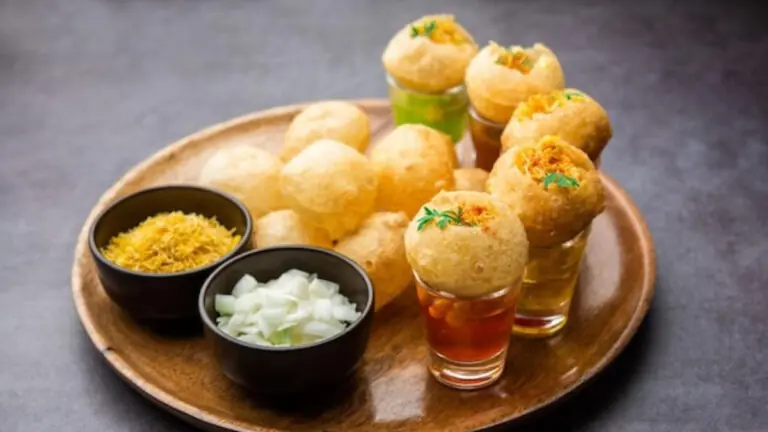
The Secret Of The Shell
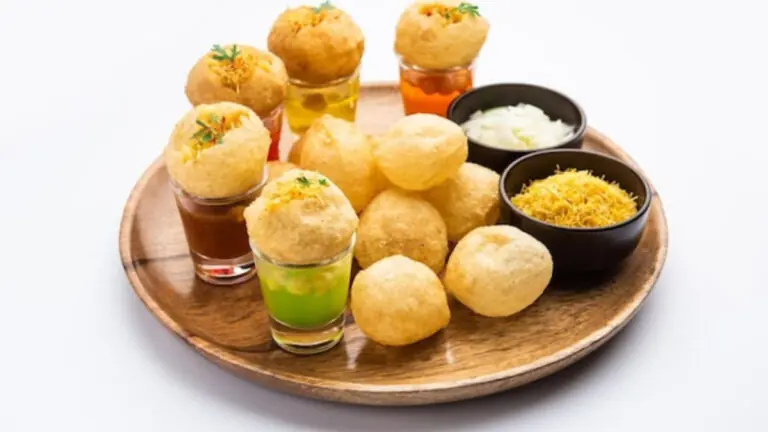
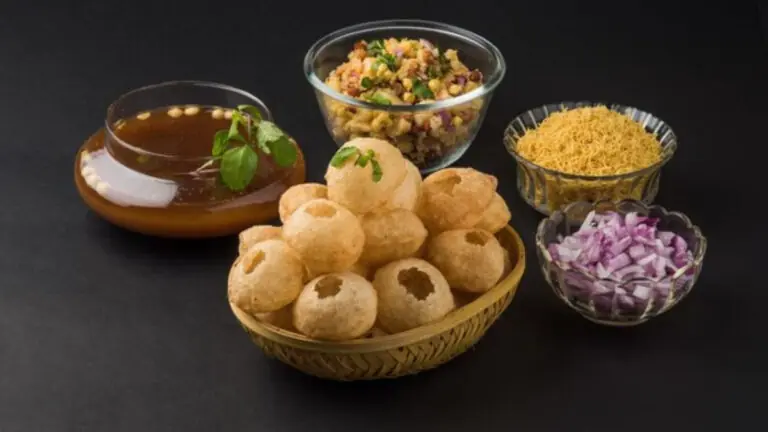
The puri is the most important part of the snack. It must be very thin. It must also be very strong. If it is too soft, it will break. If it is too hard, it will not feel good to chew. Vendors use semolina or wheat flour to make the dough. They roll it into tiny circles and fry them in hot oil. The dough puffs up like a balloon. These shells are then dried so they stay crispy for days. A good vendor knows exactly how long to fry them. The crunch is the first thing you notice.
The Magic Of The Water
The water is what makes you sweat and smile at the same time. It is a mix of many spices. Most vendors use mint and coriander for the green colour. They add green chillies for heat. They use black salt and roasted cumin for a deep flavour. Tamarind or dried mango powder provides the sour taste. Some people like it very spicy. Others prefer it sweet. The vendor always asks you how you want it. This conversation is part of the ritual. The water is cold and refreshing even on a hot day.
The Stuffing Inside
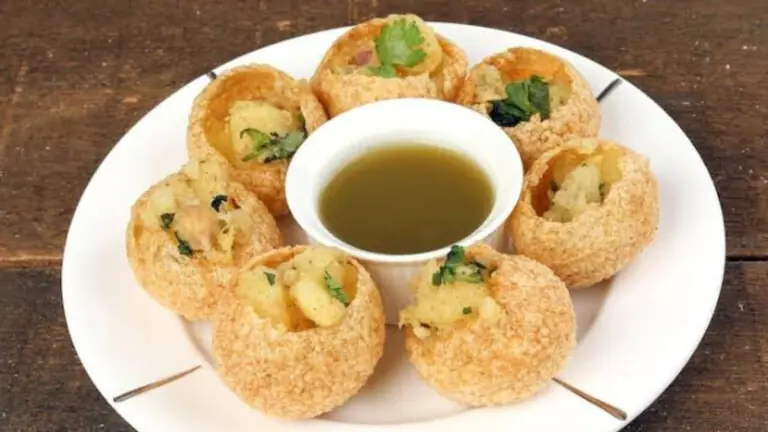
The filling acts as a base for the spicy water. In the north, people mostly use boiled potatoes and chickpeas. They mash them with a bit of salt and chilli. You can find many variations of these Indian snack fillings to try at home. In the east, they use a mix of yellow peas. In some places, they even use hot ragda which is a thick pea curry. The filling adds texture to the crunch of the shell. It helps balance the sharp taste of the water. Some vendors add a bit of sweet chutney or some tiny fried balls called boondi. Every bite feels like a surprise.
The Ritual Of The Free Sukha Puri
The meal is never over when the plate is empty. There is a final tradition that everyone follows. You always ask the vendor for a sukha puri. This is a dry puri with just a bit of potato and masala. It has no water. This helps to soothe your burning tongue. It is usually given for free. A vendor who refuses to give a sukha puri is not a good vendor. It is the sign of a true bond between the eater and the maker. It is the perfect way to end the experience.
Modern Kitchens And Healthy Habits
In recent years, things have changed a bit. People worry more about clean water. Many vendors now use filtered water. They wear plastic gloves. Some people make the shells at home to keep them fresh. You can use a modern air fryer to make the puris without too much oil. This makes the snack healthier for your family. But the soul of the golgappa remains the same. It is still the cheap and delicious treat that brings people together. Even with modern changes, the core recipe stays true to its roots.