Assam’s Traditional Food: A Journey Through Northeast India’s Culinary Treasures
Assam’s Traditional Food: A Journey Through Northeast India’s Culinary Treasures
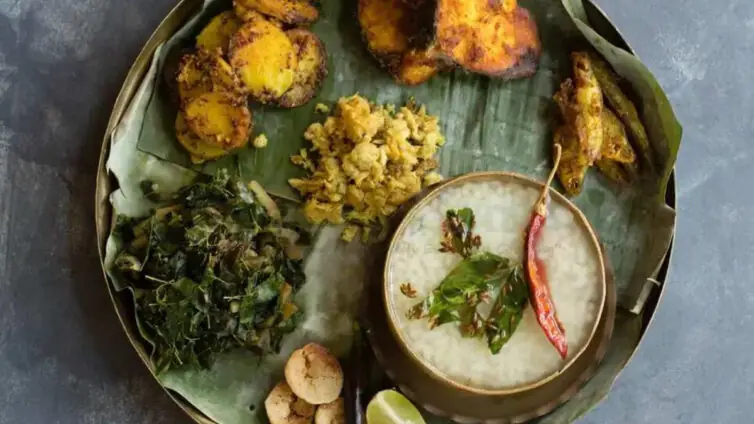


Assamese cuisine is an unexplored culinary landscape that foodies should not miss out on. From masor tenga to poila bhat, one can find chicken, fish, rice, and insect dishes around the state. Here are some famous dishes of Assam that are worth a shot.
Assam’s unique topography has earned it the title of ‘Land of Blue Hills And Red River’, making it a popular tourist spot in India. It is often seen as a part of the seven sisters, a cluster of seven states in the northeast; however, when you dive deeper into its heritage, you will be amazed by the cultures of the local tribal communities, intricate handloom craftsmanship, diverse flora and fauna, and vibrant culinary landscape. Being one of the Seven Sister States of India, Assam has a rich food culture. It is quite distinct, unique and subtle in terms of the flavour profile. If you are someone who loves spicy food with subtle flavours, Assamese cuisine is a must-try. With a lot of indigenous spices and ingredients, Assamese cuisine is quite rustic and delicious as well.
Masor Tenga
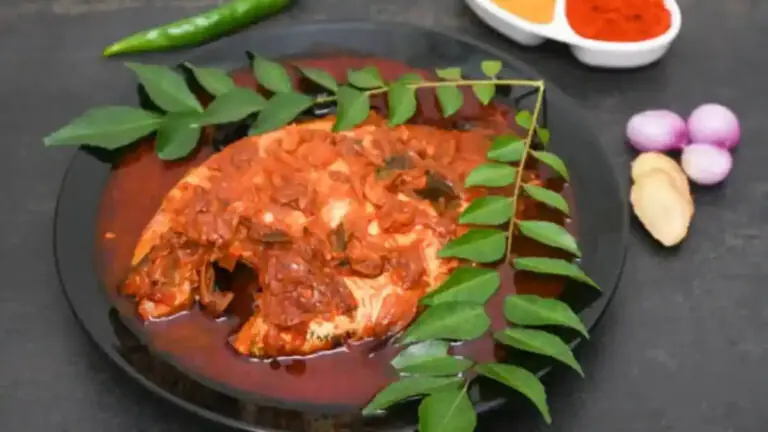
All the seafood, especially fish, lovers must taste masor tenga whenever they visit Assam. The tangy curry is prepared with tomatoes, mustard oil, lemon juice, and a few other spices. The balance between sourness, spiciness, and the natural flavours of the fish creates a harmonious symphony on the palate. In a traditional Assamese kitchen, a clay pot known as “handi” is used to prepare Masor Tenga. You can use a deep bottomed pot for it also. Mustard oil, a quintessential ingredient in Assamese cuisine, is heated in the pot. Mustard seeds crackle in the oil, releasing their distinct aroma. The fish is then added, and a medley of spices like fenugreek seeds, ginger, garlic, and green chillies are incorporated, infusing the curry with layers of flavours.
Poita Bhaat
Poita bhaat or pata bhaat is a popular breakfast delicacy prepared with overnight fermented rice. It is usually consumed in summer as it helps to keep the body cool. Prepared with mustard oil, green chillies, and onion, this dish is often referred to as the ‘simple man’s food’. If you experience an upset stomach or acidity on your trip, this delight can help you experience relief. Fermentation releases beneficial gut-friendly bacteria, making it excellent for digestion and cooling for the body, ideal for surviving Indian summers. The overnight soaking also enhances the bioavailability of nutrients like iron and potassium. But beyond its health benefits, it’s the flexibility and personalisation of the dish that’s really made it last.
Pani Hemuk
Pani hemuk is not just a dish but something that guarantees a one-of-a-kind experience for your taste buds. Prepared with snails that are collected from clean cascading rivers flowing across the state, this will surely leave your taste buds tantalised. Molluscs are usually cooked with pumpkin and potatoes, and the dish is served as a part of grand feasts across the state. Snails are consumed by Assamese and other Northeastern people. These snails are unique to this area and are harvested from rice fields. The spices can be sautéed in a non-stick or a cast-iron pan. The snail must be sucked out of its shell. Sucking out the meat from the shells and cooking it with potatoes and pumpkins is both entertaining and challenging. Such a très escargot moment, is it not?
Eri Polu
Eri polu is a delicious dish prepared from silkworms. Yes, Assamese communities are among those who have unlocked the secrets of cooking insects and their nutritional benefits. This is a stir-fried dish cooked in a skillet, to which local herbs and spices add a burst of flavour. Some recipes also include smoking pupa in bamboo shoots. Insect consumption is being considered as a way to address the issues of widespread resource degradation and world famine. Because they don’t need much food or room to reproduce, these little animals create a kind of democracy where even the most impoverished people can benefit from their output. Here, silk-moth pupae are consumed after being cooked to remove the silk, either straight with salt or fried as a snack or meal with ginger, garlic, and chilli.
Lai Xaakor Logot Kukurar Mankho
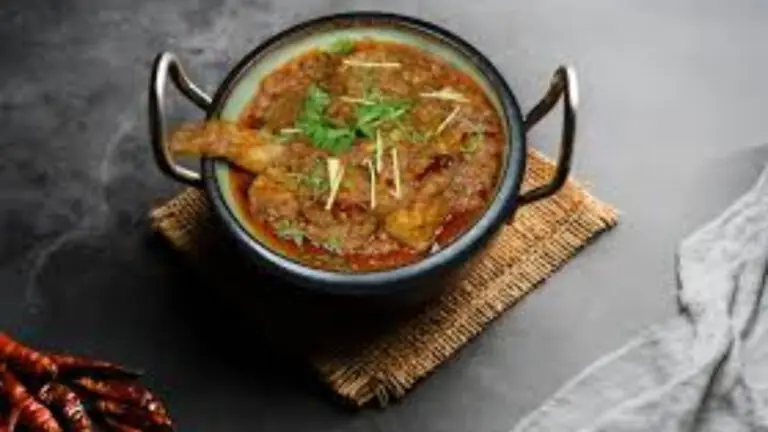
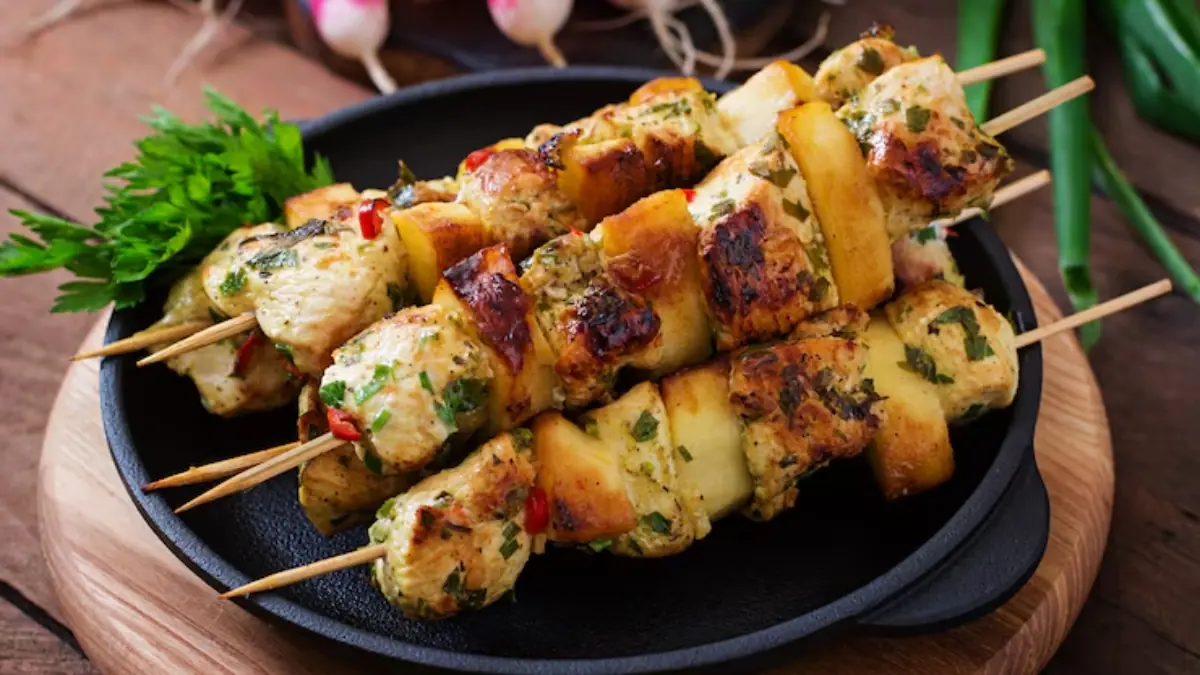
In Assamese, mustard greens are called lai xaak, and chicken is referred to as kukurar mankho. Since chicken is prepared with mustard greens, the name of the dish is lai kaakor logot kukurar mankho. Other ingredients in the dish include tomato, green chillies, turmeric powder, salt, onion, ginger, mustard oil, and garlic. It is often eaten with rice. This one-pot recipe can be cooked on an induction cooktop as well. Also referred to as til diya murghi mangxo, it is the ideal illustration of that. Til or black sesame seeds are the main ingredient in this dish. The chicken pieces are coated with perfectly roasted sesame seeds that have been ground into a powder. The end product is a smoky, nutty, spicy, and incredibly flavourful dish!
Ghila Pitha
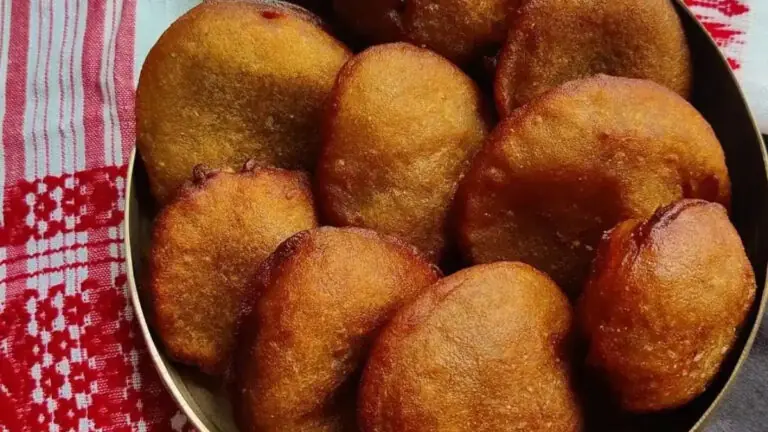
Ghila pithas are Assamese-style sweet rice fritters that are a must-have throughout the Bihu season. Because of the shape in which it comes, it’s called ghila, which translates to knee cap in Assamese. These delectable deep-fried pithas are the perfect teatime snack. The sweet version is more popular, but the savoury version is also available. The fluffy, sweet fritters’ batter is made from bora saul, jaggery, and cardamom powder.
Bokakhat Peda
The upper Assam nondescript town of Bokakhat is synonymous with the famous pedas that’s been traditionally made here. This exclusive dairy product is often picked by travellers in bulk on the way, while local people also savour it a lot. Although pedas are a common sweet in many parts of India, the Bokakhat pedas exude a different aroma and taste. Not much of it is documented, but the technique used in making these pedas is said to hold the secret to this distinct variety of peda.

In Assam, conserving the nutritional value of food and using as little oil as possible are hallmarks of many traditional cooking methods. Boiling, steaming, and slow cooking are methods that help create healthier meal options. Assamese cooking methods are known for their simplicity, which lets the flavours of the traditional food speak for themselves.