What Is Kefir? Benefits, Uses And How To Make Kefir Drinks At Home
What Is Kefir? Benefits, Uses And How To Make Kefir Drinks At Home
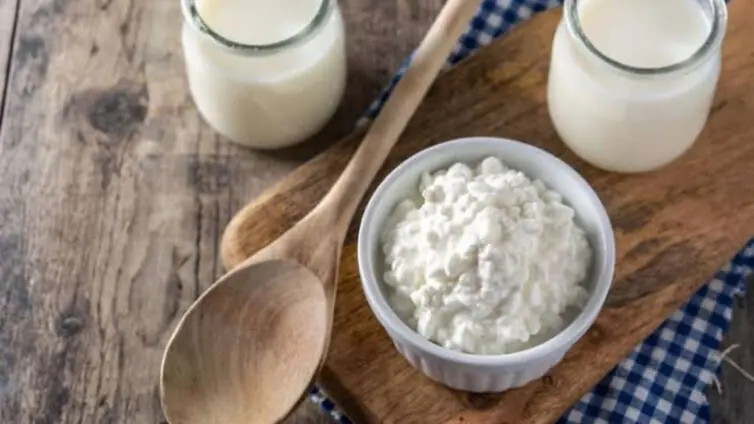


Integrating Kefir into a daily routine offers a significant boost to gut health and immunity. By fermenting milk with unique live cultures, one can create a nutrient-dense drink that is far more diverse in beneficial bacteria than standard yoghurt. This guide explores the simple home-brewing process and versatile ways to use this tangy, effervescent superfood for better wellness.
The growing interest in gut health has led many to look beyond traditional yoghurt toward more potent fermented alternatives like kefir. This cultured drink has emerged as a standout choice, offering a diverse profile of beneficial bacteria and yeasts that support the digestive system and overall immunity. Unlike standard cultured dairy, kefir is made using specific starter cultures that create a slightly effervescent, tangy liquid. It is a versatile addition to a modern diet, serving as a powerful probiotic that can be easily integrated into smoothies, dressings, or enjoyed on its own. As more people prioritise long-term wellness, understanding how to incorporate kefir into a daily routine has become a key part of maintaining a balanced internal ecosystem.
The origins of this fermented kefir drink trace back to the Caucasus Mountains, where local communities discovered that adding unique kefir grains to fresh milk created a preserved, nutrient-dense beverage. These kefir grains are actually a living symbiotic colony of bacteria and yeast that transform the lactose in milk into lactic acid and a tiny amount of natural carbonation. For a health-conscious individual, the appeal lies in the fact that kefir typically contains a much wider variety of probiotic strains than most commercial yoghurts. This biodiversity within the kefir is essential for building a resilient microbiome, which is often linked to improved skin health and better mental clarity. Making kefir at home is a simple process that ensures the final product is free from the added sugars and thickeners often found in store-bought versions. It represents a shift back to traditional food preparation, where patience and natural kefir fermentation do the work of creating a truly nourishing food source.
The Nutritional Profile Of Cultured Kefir
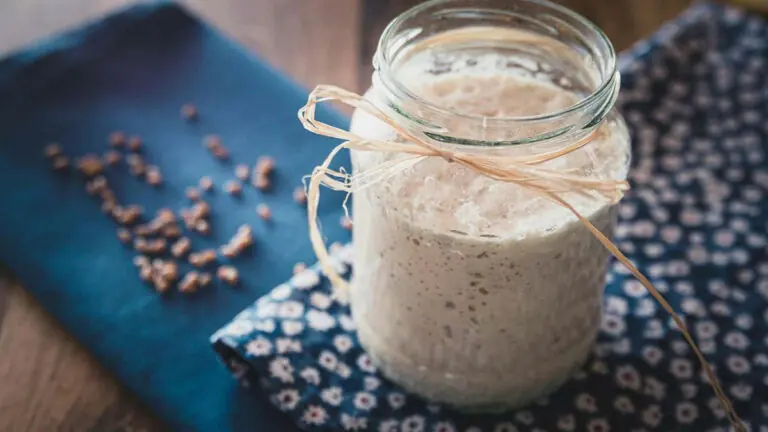
Beyond its probiotic content, kefir is a powerhouse of essential vitamins and minerals that are often missing from a processed diet. It is an excellent source of calcium, magnesium, and Vitamin B12, all of which are vital for bone density and energy production. The kefir fermentation process also breaks down most of the lactose, making the resulting kefir much easier to digest for those who usually struggle with standard dairy products. Furthermore, kefir contains a unique carbohydrate known as kefiran, which has been studied for its potential anti-inflammatory and antimicrobial properties. Incorporating nutrient-dense kefir into a weekly meal plan is a reliable way to ensure the body receives these foundational building blocks for health.
How To Make Kefir At Home
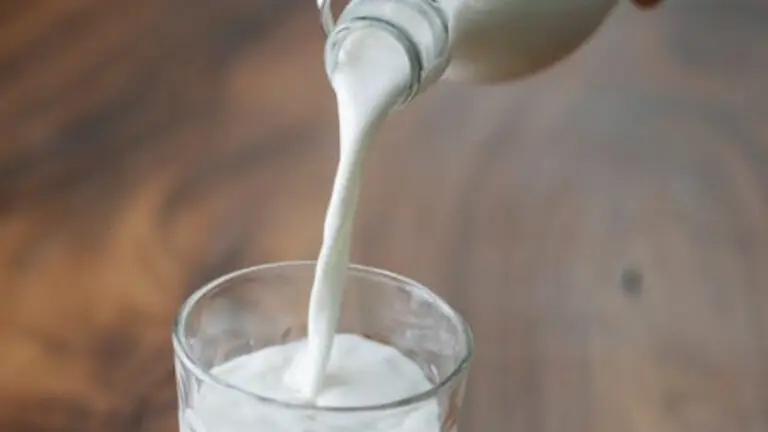
Creating a fresh batch of this kefir probiotic drink requires very little equipment and just two main ingredients: milk and active kefir grains. The grains are placed in a clean glass jar with fresh, whole milk and left to sit at room temperature for about twenty-four hours to transform into kefir. During this time, the kefir bacteria consume the milk sugars, thickening the liquid and developing a characteristic sour kefir flavour. It is important to avoid using metal utensils or lids when handling kefir, as the acidity can react with certain metals; instead, a cloth cover or a plastic strainer is preferred. Once the kefir fermentation is complete, the kefir grains are strained out and can be reused immediately for the next batch of kefir. Using a reliable kitchen setup makes it easy to keep this kefir cycle going without much daily effort.
Versatile Uses For Kefir In Daily Meals
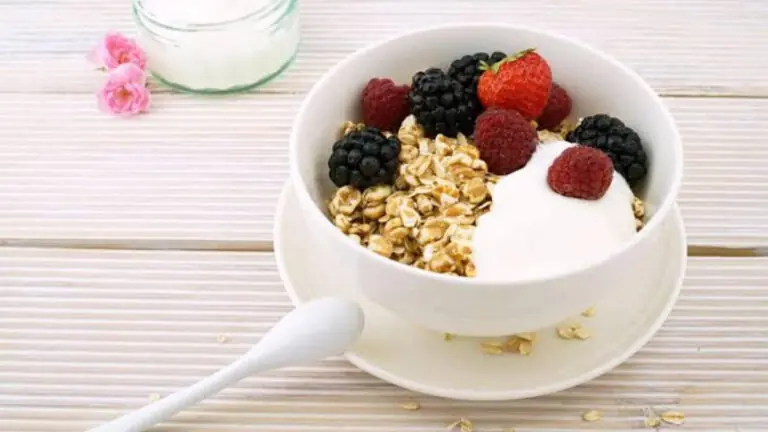
While many enjoy the tart flavour of a plain chilled glass of kefir, there are numerous ways to use this cultured kefir liquid in creative recipes. Kefir acts as a perfect base for a breakfast smoothie, providing a creamy texture that pairs beautifully with frozen berries and chia seeds. Because of its acidity, kefir also works remarkably well as a marinade for proteins, helping to tenderise meat while adding a subtle kefir tang. Some people prefer to use kefir in place of buttermilk for baking, or as a base for a healthy kefir salad dressing mixed with fresh herbs and lemon. Exploring healthy breakfast ideas can reveal even more ways to swap standard ingredients for kefir to boost the nutritional value of a morning meal.
Secondary Kefir Fermentation For Flavour
For those who find the natural kefir taste a bit too sharp, a secondary kefir fermentation can mellow the flavour while increasing the vitamin content. After removing the kefir grains, the finished kefir can be left on the counter for another few hours with additions like orange peel, cinnamon sticks, or fresh fruit. This second kefir step encourages the remaining bacteria to continue working, which often results in a fizzier kefir texture and a more complex, rounded taste. It is an excellent way to customise the kefir to suit personal preferences without adding refined sweeteners. Learning simple kitchen tips for managing kefir fermentation times helps in achieving the perfect balance of tartness and carbonation every time.
Supporting Long-Term Wellness With Kefir
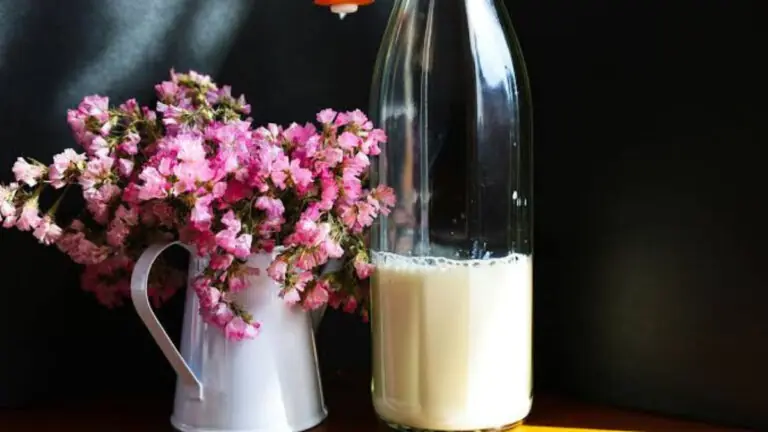
Consistency is the most important factor when it comes to reaping the rewards of a daily kefir habit. Adding a small serving of this fermented kefir drink to a daily routine helps to maintain a steady population of good bacteria in the gut. This kefir practice is especially beneficial after a course of antibiotics or during times of high stress, when the internal balance might be compromised. Over time, many people notice a significant improvement in their digestion and a reduction in sugar cravings due to regular kefir consumption. It is a sustainable wellness habit that focuses on feeding the body’s natural systems from the inside out with kefir. Prioritising fresh and natural snacks alongside kefir creates a comprehensive approach to health that is both effective and enjoyable.