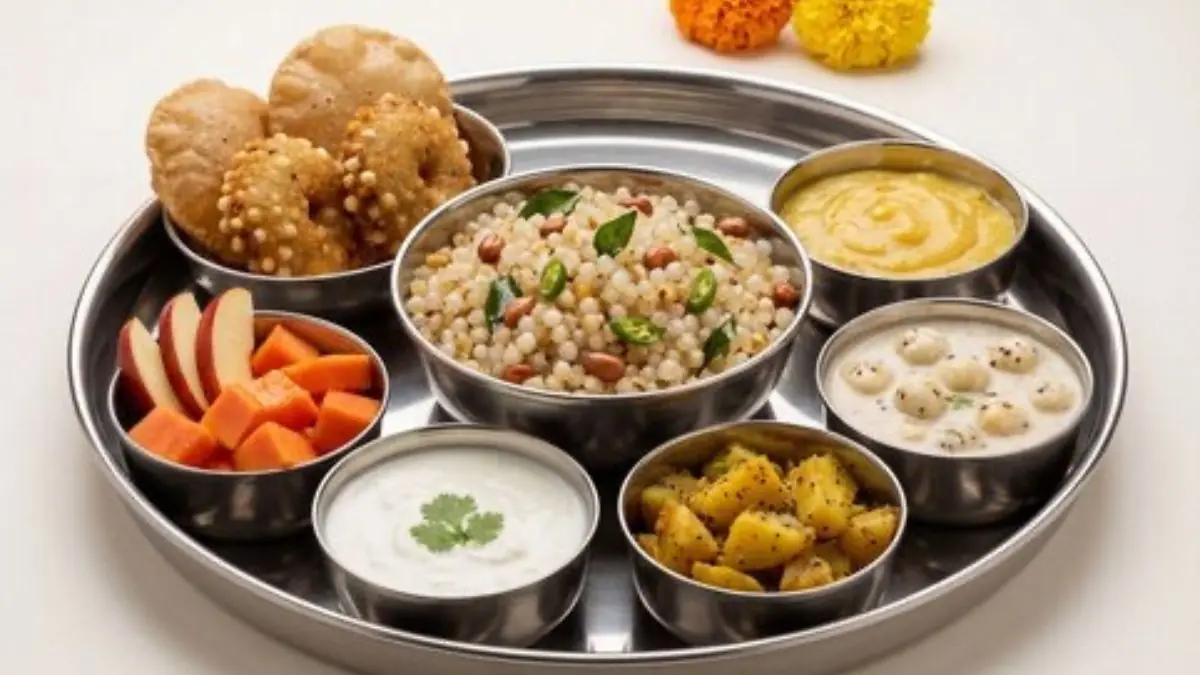
Stress-Busting Nutrition: Top 10 Magnesium Rich Foods From Indian Pantries
Stress-Busting Nutrition: Top 10 Magnesium Rich Foods From Indian Pantries


For the working professional juggling home life and office in a careful balancing act, diet is of utmost consequence to keep stress and other lifestyle disorders at bay. Some magnesium rich foods readily available in Indian pantries are among excellent choices to include in the daily diet for cutting stress.
Trying to find the right equilibrium between home and work can many times be quite stressful. The pressure to get to work on time, yet carve out enough bandwidth to cook and eat warm, nutritious meals at home is all too real. Some Indian recipes are so designed that a health-aware professional can manage to prepare them fast, making healthy home cooking a smoother activity. And for those experiencing higher stress levels, some magnesium rich foods available in the Indian pantry can be included in the daily diet to promote muscle relaxation, improve sleep quality and regulate overall lifestyle-related stressors.
Pumpkin Seeds
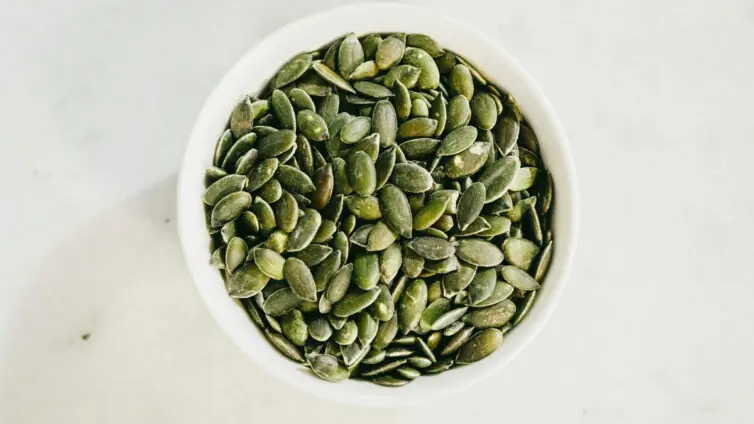
Good nutrition and diet is one of the best ways to manage lifestyle-related distresses like stress. Health-aware professionals often lean towards options readily available in their supply of regional ingredients for a healthier lifestyle. Of different magnesium rich foods available in the Indian pantry, one is pumpkin seeds. A very rich mineral source, pumpkin seeds can be dry roasted in a tawa with a pinch of salt or can be added to chutneys made in the mixer grinder or sprinkled over salads to incorporate them easily into every day diet.
Almonds
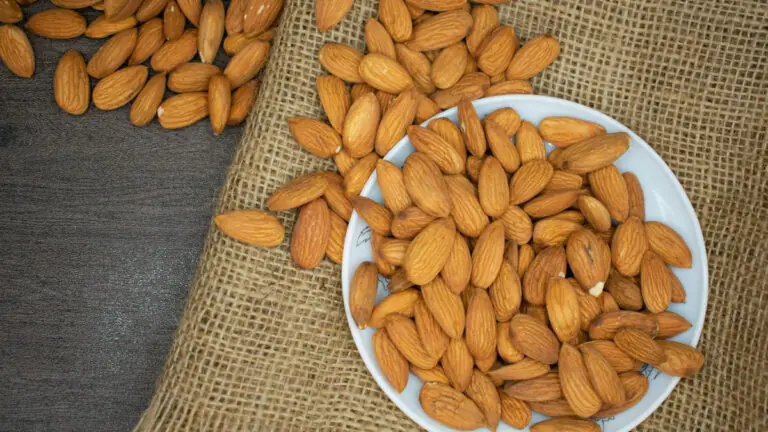
Another staple almost always available in an Indian kitchen is almonds. For the health conscious professional, the easiest way to incorporate magnesium into the diet chart is to soak a few almonds overnight in water and peel and pop them in the mouth the next morning. Almonds are also good sources of healthy fats and vitamins which aid in better mineral absorption.
Spinach
Of the different leafy greens out there packed with nourishing properties, one that stands out because of its many nutritional characteristics is the dark green spinach. Not only is it an excellent source of folic acid, it is also one of the many magnesium rich foods in the Indian pantry, making its inclusion essential to the officer-goer’s diet. Turn it into a sabzi cooked on a kadai, add it to a stir-fry in a wok or steam it as a side dish with protein – spinach has many uses in the Indian kitchen.
Rajma

Another good protein source, rajma is a staple in many northern Indian kitchens. In fact, a simple rajma curry cooked in the fry pan and served with steamed rice can serve multiple nutritional purposes. The magnesium in the rajma will have a good health impact as it can provide sustained energy, induce satiety and at the end of a long day, boost sleep function by acting as a calming, comforting presence on the dinner plate.
Cashews
The taste and creaminess that cashews bring to different curries and gravies cooking in your kadai is all too well-known. But what is lesser-known is that cashews are also an excellent source of magnesium and zinc. To extract the most of these minerals out of the dried fruit, have a few cashews by themselves, lightly salted, as an on-the-go bite munched on during the day.
Black Chana
Different kinds of chana are used for preparing different recipes in Indian kitchens, and each one carries its own nutritional properties. Black chana is one of many magnesium rich foods and to make it part of routine diet plans, incorporate this humble but highly healthy protein source into recipes like the chana sundal or a simple chana chaat. Boil the black chana in a pressure cooker and season it with assorted condiments to craft this lipsmacking, healthy treat.
Ragi
Finger millet or ragi is one of the most interesting ingredients available in an Indian pantry. Utterly versatile and rich in nutrients, this millet is inevitably one of the more significant magnesium rich foods and can be used in the preparation of a number of different recipes ranging from ragi dosas prepared on the flat dosa tawa to ragi porridges and ragi rotis. Incorporating ragi in every day diet is quite easy and effective for boosting overall bone health.
Dark Chocolate

Urban kitchens will have no dearth of this particular ingredient. Go for 80-90 percent dark chocolate which is one among a few unexpected magnesium rich foods. It can support relaxation when consumed in small amounts and a small cube can be eaten once a day, when minimally sweetened. The magnesium in the dark chocolate will definitely contribute to improving sleep quality, cut down headaches and regulate stress hormones. The office-goer can simply keep a mason jar of dark chocolate by the desk and have one small bite every day after lunch to boost magnesium levels.
Moong Dal
Rich in magnesium, comprising good levels of protein and quite easy to digest, moong dal is a good mineral source to manage stress. What’s more, it is also quite easy to incorporate in every day diet, whether it is in the form of a dal tadka, or added as a supporting ingredient into a leafy vegetable or simply roasted and munched on as a snack in the evening. The office going professional conscious about their diet can also simply make moong dal khichdi for dinners to incorporate magnesium rich foods and their comforting and relaxing effects into the nutritional plan.
Sesame Seeds

Whether used as a garnish over tikkis or cutlets or sprinkled over stir-frys or used for making ladoos comprising jaggery and dried coconuts, sesame seeds or til have a prominent place in Indian kitchens. They are also essential to making different gravy bases as they release their natural oils and improve the dense and rich character of these recipes. Nutritionally, sesame seeds are magnesium rich foods, along with packing healthy fats, and the best way to consume them is by making a dry til chutney that can be mixed with ghee to restore a certain balance in the body through daily diet.