Traditional Food Of Kerala: Know Everything From Spices To Sadya
Traditional Food Of Kerala: Know Everything From Spices To Sadya


Traditional cuisine from the coastal towns of Kerala brims with fresh produce and different regional ingredients available across different seasons. For the culture-loving foodie, there is much to explore in Kerala’s cuisine and culinary traditions that resonates with the distinctive, time-honoured cooking techniques which make-up this region’s food cultures.
Traverse through the coconut groves, quiet backwater villages and spice plantations of Kerala’s bountiful region and what one would discover is a vibrant culinary culture that is inspired by these rich and abundant landscapes. For the culture-loving foodie, there is perhaps no adventure better than the one which is all about revelling in the culinary techniques and local kitchens of Kerala. From the spices that undergird traditional cooking methods in this region to the time-honoured practice of feasting on the festive sadya meal laid out on a banana leaf, the kitchens of God’s own country have much to offer to the bonafide gastronome. It is a culinary world that tells the story of geography, celebration, trade and of course, of a beautiful community spirit that informs the life worlds of this region.
Kerala’s Spice Legacy
A good starting point for familiarising oneself with Kerala’s cuisine begins with its spices. Once the epicentre of the global spice trade, this is a land where bold, aromatic black pepper, cardamom, cinnamon, nutmeg and mace grew in abundance. These spices would eventually draw scores of traders from distant shores who would barter generously with the locals for such richly flavoured ingredients.
Spices in Kerala’s cuisine not only add aromas to dishes but also define them in so many ways. Where black pepper adds an earthy heat to curries and roasts simmering in a heavy-bottomed kadai, cinnamon brings a welcoming warmth into gravies prepared in a cast-iron kadai. Cardamom and cloves are among potent spices which add rich complexities to biryanis and stews kept warm in electric cookers and staples like mustard and curry leaves are an inseparable base of all of these local culinary traditions.
Coconut: The Heartbeat Of Kerala’s Cuisine
Coastal regions of Kerala can hardly ever stay immune to the presence of towering coconut trees. They have made their way into the region’s cuisine and are the backbone of most of Kerala’s traditional preparations. From freshly grated, white coconuts to the fruit finely ground in a mixer grinder for adding to curry pastes to the coconut milk pressed by hand for making stews, the use of this bountiful ingredient in Kerala cuisine cannot be overstated. It is an omnipresent ingredient in this region’s traditional recipes – whether it is gravies slow-roasted in kadais or sabzis stir-fried in fry pans – that gives this cuisine its unmistakable sweet and creamy touch.
Staple Ingredients In Kerala’s Kitchens
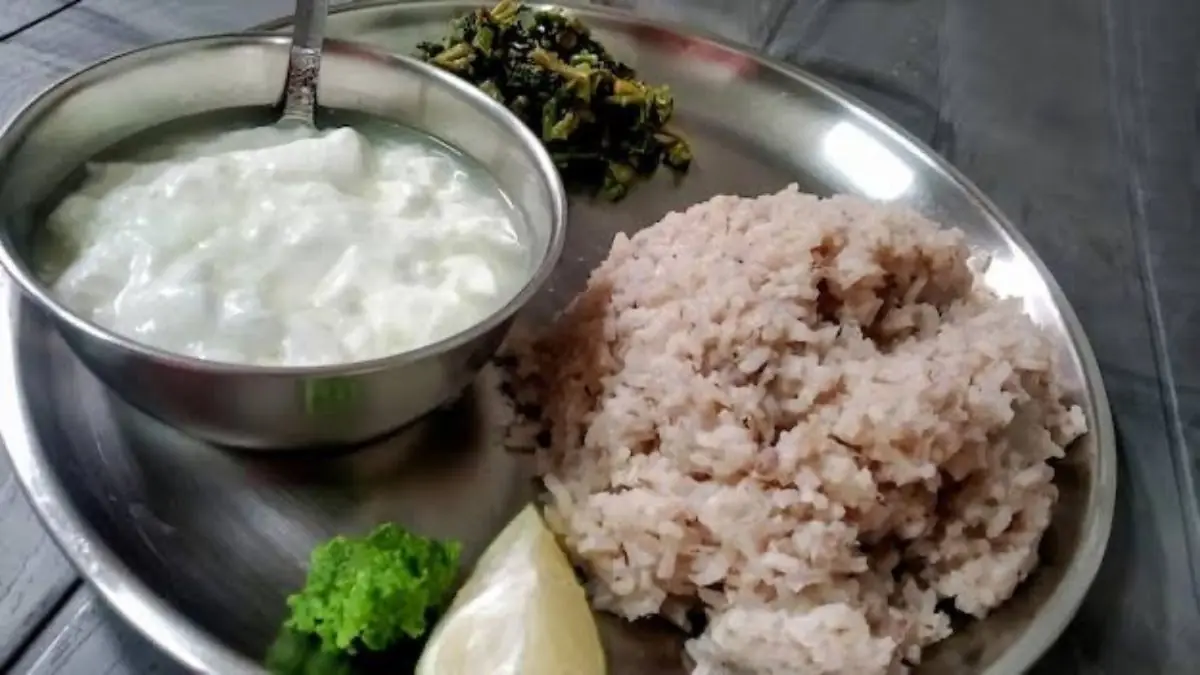
What’s interesting about Kerala’s culinary worlds is that the pantry in a traditional kitchen is always stocked full of ingredients that can feed large families on the fly. Red parboiled rice, grated coconut and coconut oil, Malabar tamarind or kodampuli, bright green chillies, curry leaves and ginger are always present in Kerala’s culinary worlds. Seafood is also found in coastal kitchens and banana leaves are perennially at hand to serve freshly prepared food.
Breakfast Traditions Of Kerala
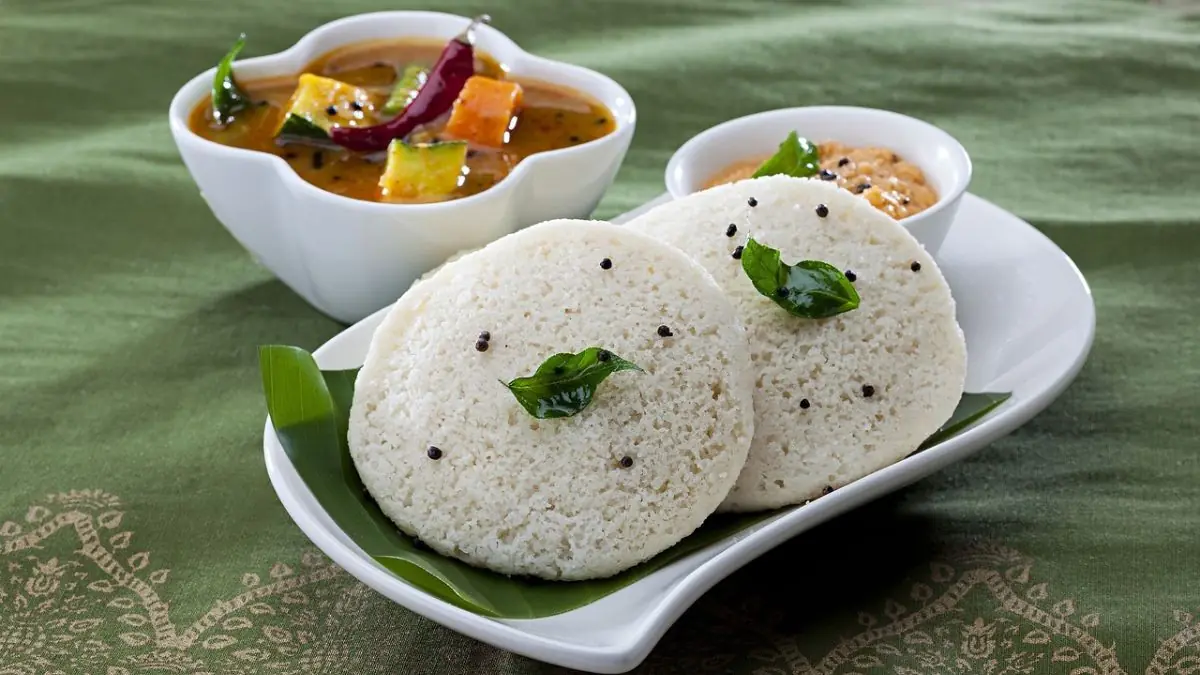
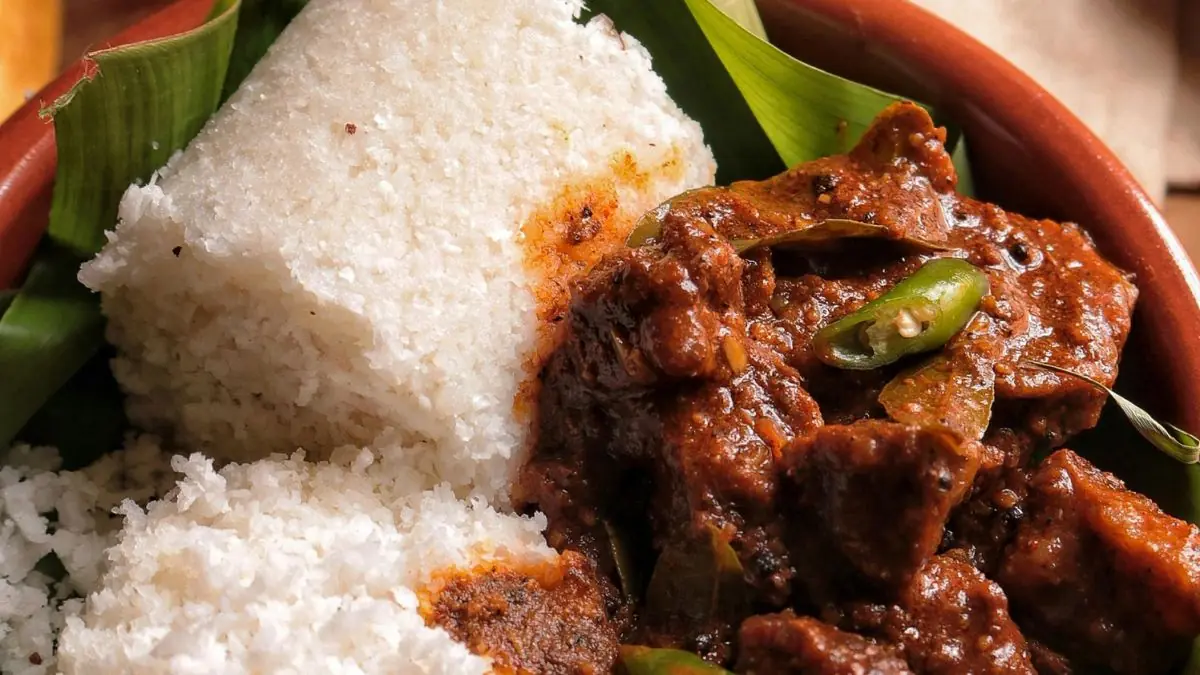
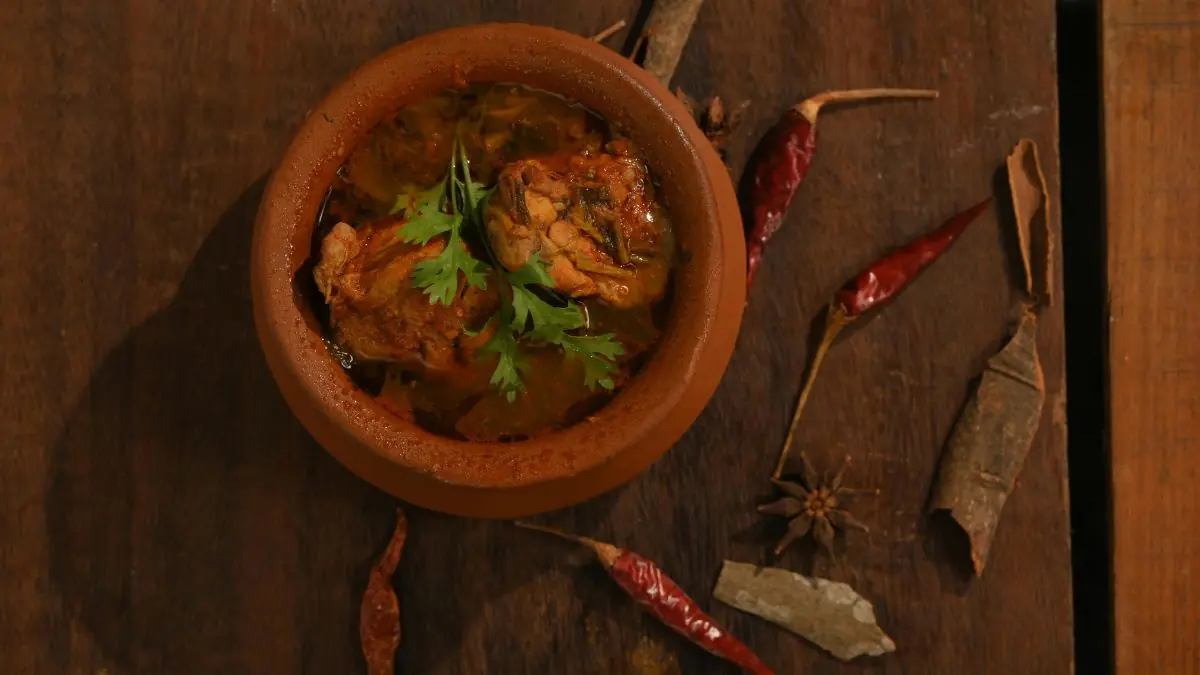
Light and often fermented, breakfast dishes of Kerala, just like any other southern Indian province are subtly flavoured but quite filling. Dosa and chutney is a staple breakfast in many homes, as is appam or rice pancakes served with a steaming hot bowl of stew. Idiyappam or string hoppers are also served with curry in this region. Another interesting offering is puttu made from coconut and rice flour, and served most commonly with black chickpea curry.
Everyday Vegetarian Delights
Kerala is home to both vegetarian and non-vegetarian fare. Among the popular vegetarian dishes include recipes such as avial or mix vegetables cooked in a coconut and yoghurt base or olan, which is ash gourd and cowpeas simmered in coconut milk. The dried stir fry thoran remains popular and so is erissery, a simple pumpkin and lentil sabzi cooked in a coconut tempering. All of this food is traditionally served on a banana leaf which not only becomes an eco-friendly platter but also symbolises prosperity and abundance.
Seafood Delicacies
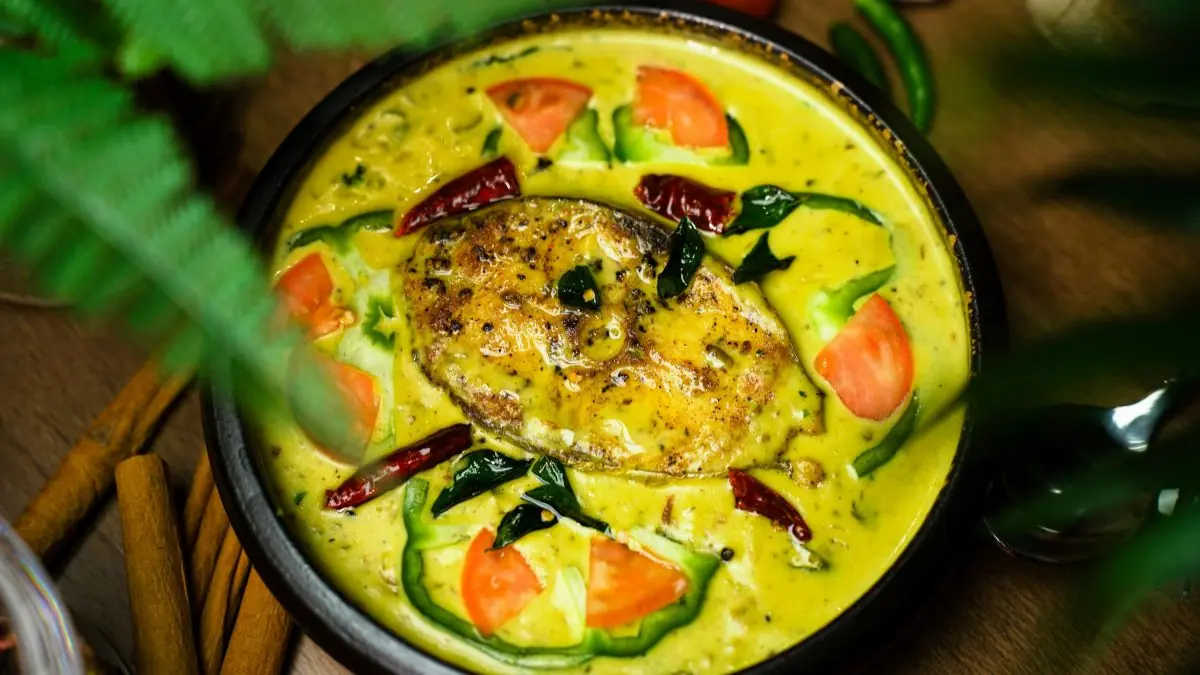
Meen moilee or fish prepared in a coconut milk gravy is highly popular along the coastline. Malabar fish curry is another well-known delicacy. Prawn theeyal or the crustacean roasted in coconut gravy is also a part of the seafood specials of this region. Rich coconut bases and aromatic ingredients like curry leaves, dried red chillies and mustard characterise the flavour infusions in Kerala’s seafood.
Sadya: Kerala’s Grand Feast
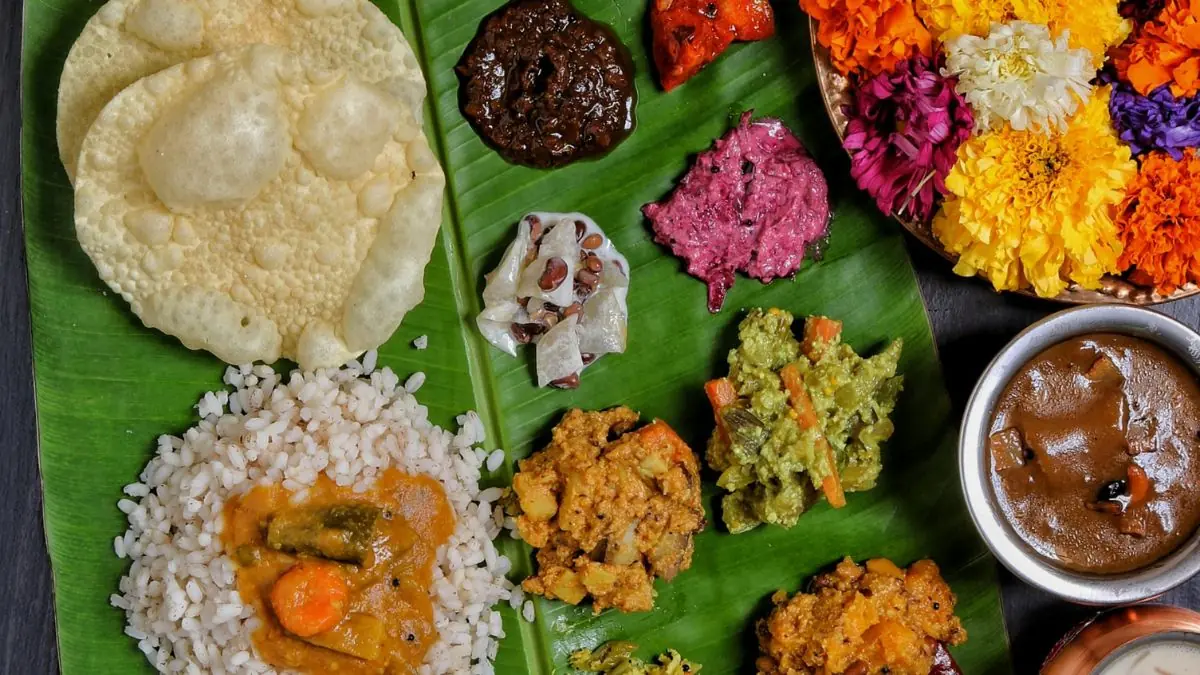
However, what a true connoisseur looks forward to the most when it comes to the region’s traditional culinary fare, is the sadya feast. The pinnacle of Kerala’s culinary cultures, sadya consists of more than two dozen dishes, each of which is arranged systematically on a banana leaf during the annual Onam festival. This elaborate platter of food includes rice at the centre surrounded by sambar, rasam, parippu or dal, avail, pachadi or a yoghurt-based accompaniment, pickle and crisps like banana chips, papadam and sharkara varatti or jaggery-coated chips. Sadya is a masterclass in flavour balance: multiple dishes come together in a very complex, layered harmony to produce the full effect of gorging on a delicious, wholesome meal.
Sweets And Desserts
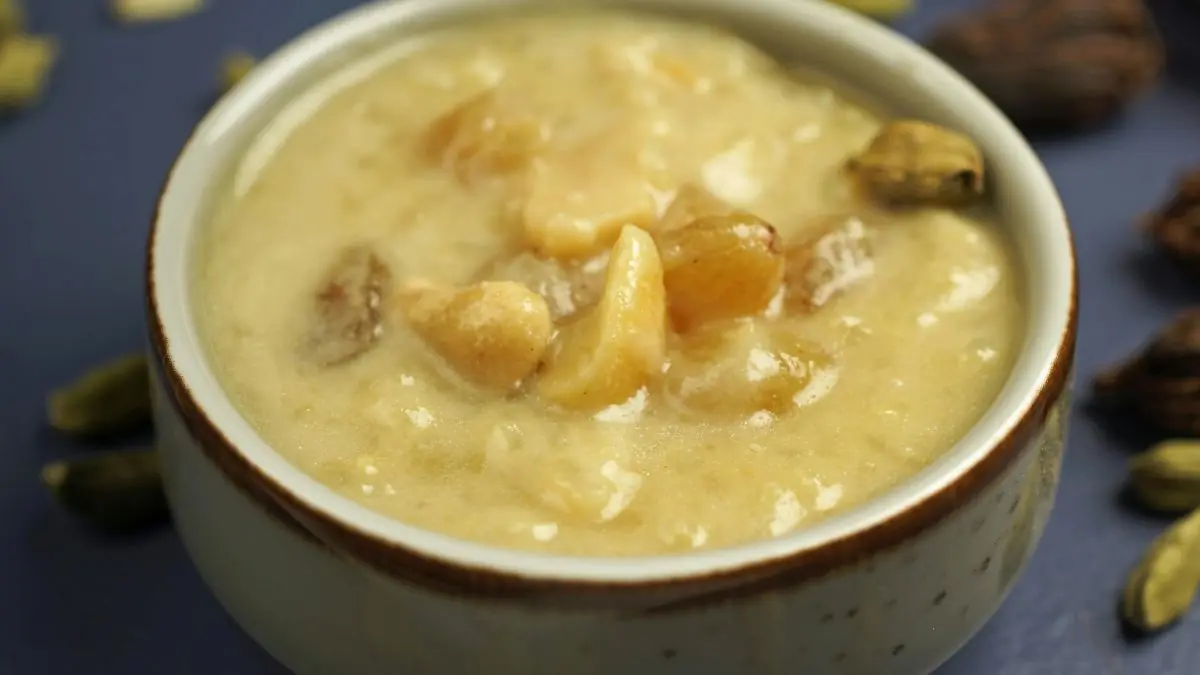
Often made using jaggery and coconut as their base, Kerala desserts are simple but quite hearty. Payasam, or the popular rice kheer is a sweet treat at the heart of this cuisine that can also be located on the sadya platter. Other desserts include ada pradhaman, a rice pudding variation infused with jaggery and coconut milk. Unniyappam or fried jaggery rice dumplings are a popular sweet delicacy from Kerala’s kitchens. Ela ada or steamed rice parcels with a coconut and jaggery stuffing also make for interesting desserts served during festivities or on days marking a special occasion.
Immersed in a harmonious blend of aromatic spices, creamy coconut-infused nuance, the savoury taste of seasonal vegetables and traditional recipes, Kerala cuisine indeed reflects this rich land’s fullness, homely cultures and a culinary tradition that is rooted in wholesome, familial comfort.