Chole Bhature Origin: Post-Partition Culinary Innovation
Chole Bhature Origin: Post-Partition Culinary Innovation
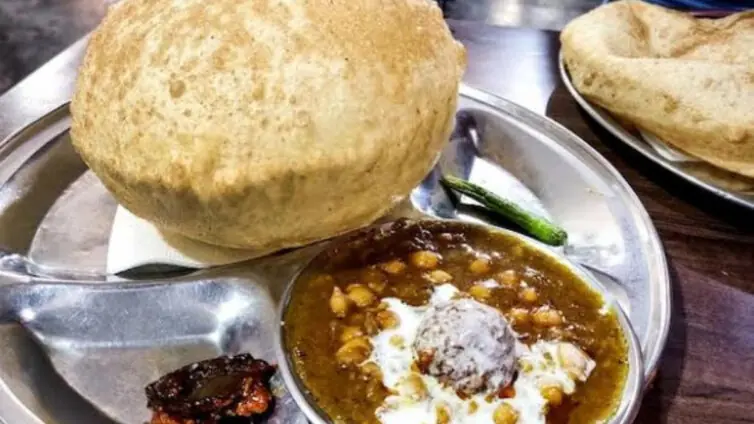


The evolution of North Indian street food is often a story of resilience and cultural movement, with few dishes embodying this as perfectly as the combination of spicy chickpeas and fried leavened bread. While many assume this pairing has ancient roots, it is actually a relatively modern innovation born from the necessity and creativity of displaced communities in the mid-twentieth century.
The marriage of hearty, tangy gravy with fluffy bread created a meal that was both filling and affordable, quickly becoming a staple in the bustling markets of Delhi. Today, the quest for the perfect chole bhature recipe is a pursuit of both historical tradition and culinary precision. This iconic dish represents a successful fusion of regional cooking styles that has now travelled from the narrow lanes of the capital to dining tables across the globe. The history of this beloved meal is deeply intertwined with the aftermath of the 1947 partition of India, which saw a massive migration of people from West Punjab into the northern states. These families brought with them a rich heritage of spice blends and cooking techniques that were soon adapted to their new surroundings. It is widely believed that the first commercial serving of this combination appeared in the Karol Bagh area of Delhi during the late 1940s as a way to provide a substantial meal to daily labourers and refugees. The dish was a practical solution to hunger, offering high protein from the legumes and quick energy from the refined flour bread. Over the decades, what started as a humble survival food transformed into a celebrated cultural icon, synonymous with the vibrant food scene of North India. It serves as a delicious reminder of how culinary boundaries are fluid and how new traditions are often born out of shared struggle and adaptation.
The Science Of The Chickpea Gravy
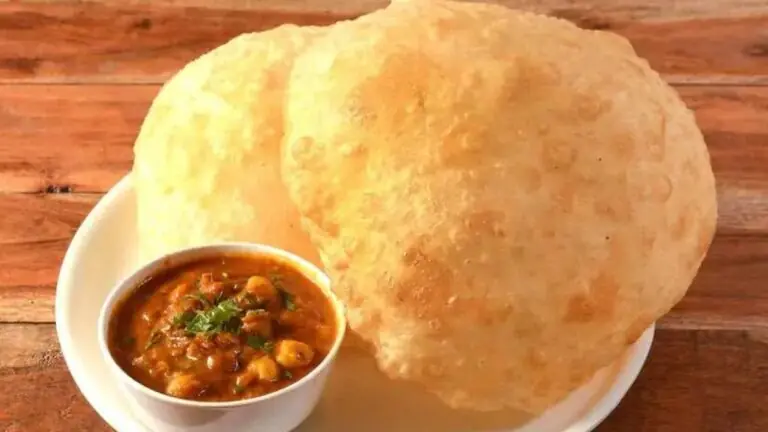
At the heart of every authentic chole bhature recipe is the dark, aromatic gravy made from kabuli chana, or large white chickpeas. Achieving the characteristic deep brown, almost black colour requires slow cooking with dried amla or tea bags to provide both pigment and a subtle tartness. The spice base is a complex layering of roasted cumin, coriander, cinnamon, and the essential addition of dried mango powder for a sharp tang. Slow simmering allows the chickpeas to soften until they are buttery while absorbing the heat of the green chillies and the warmth of the ginger. For those looking to master the basics of legume preparation, traditional bean cooking methods provide the essential groundwork for achieving the right texture without the beans falling apart.
Crafting The Perfect Bhatura
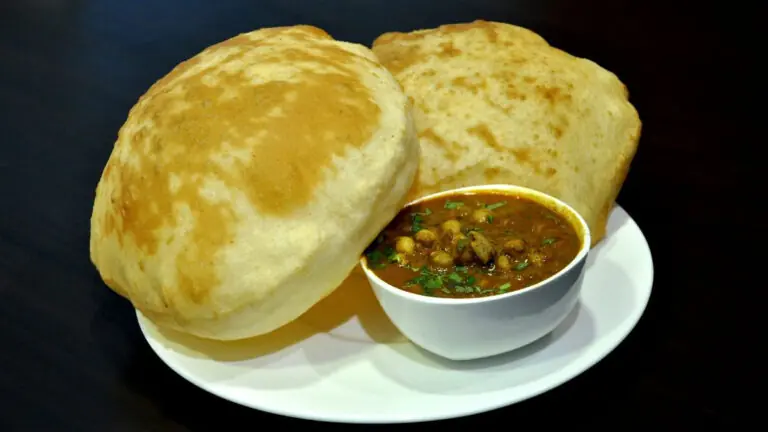
The bread component of this duo is a masterclass in fermentation and temperature control, requiring a dough made from refined flour, yoghurt, and a touch of semolina for crunch. It must be allowed to rest for several hours so the natural yeast can create the airy pockets that allow the bread to puff up instantly when it hits the hot oil. Rolling the dough requires a gentle hand to maintain the internal structure, ensuring that it remains soft on the inside while becoming golden and crisp on the outside. A well-made bhatura should be light enough to tear easily but sturdy enough to scoop up the thick, spicy gravy. Using high-quality cooking appliances helps in maintaining the consistent high heat necessary for the dough to expand rapidly without absorbing too much oil.
The Role Of Regional Aromatics
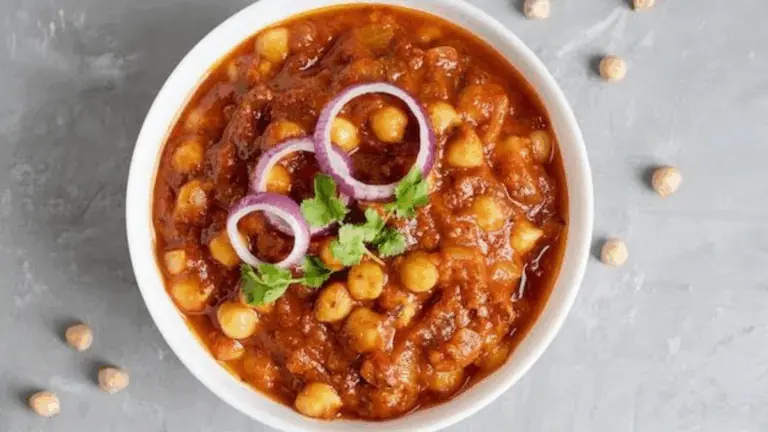
While the primary ingredients are standard, the specific aromatics used can vary significantly between different family versions of the chole bhature recipe. Some prefer a heavy hand with pomegranate seeds to add a gritty texture and a fruity acidity, while others rely on a final tempering of ghee with julienned ginger and slit chillies. This final garnish, known as the tadka, is what brings the dish to life, releasing a fresh aroma just before it reaches the table. The use of black salt and roasted carom seeds also plays a vital role in balancing the richness of the fried bread and aiding digestion. Exploring different regional spice blends can help a home cook understand how these small additions change the entire profile of the meal.
Accompaniments And Balancing Flavours
No plate of this Punjabi classic is complete without the sharp, refreshing contrast of side dishes that cut through the richness of the fried bread. A heap of thinly sliced onions soaked in vinegar or lemon juice provides a much-needed crunch and acidity to the palate. Alongside these, a variety of pickles, ranging from spicy green chilli to tangy raw mango, is essential for adding layers of complexity to each bite. Many people also enjoy a small serving of sweetened curd or a cold glass of lassi to soothe the heat from the spices. These refreshing side pairings are not just afterthoughts but are carefully chosen to ensure the meal is balanced and satisfying.
Preservation Of Street Food Heritage
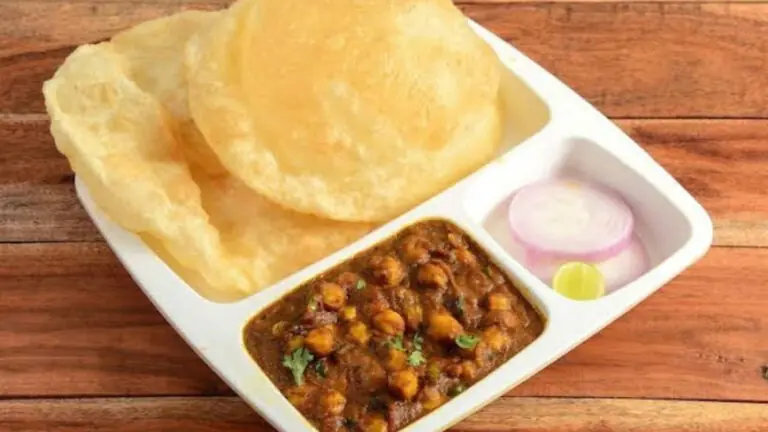
The legacy of this dish continues to thrive because it bridges the gap between a quick street snack and a celebratory family brunch. Whether it is found at a famous stall in Old Delhi or prepared in a modern kitchen, the focus remains on the quality of the fermentation and the depth of the spice masala. Maintaining these standards is a way of honouring the history of the communities that first popularised the meal under difficult circumstances. Learning the nuances of the chole bhature recipe allows a cook to participate in a living history that is over seventy years old. It is a testament to the fact that the best foods are often those that have a story of survival and innovation behind them.