Navratri Special: Vrat-Friendly Recipes You Cannot Miss
Navratri Special: Vrat-Friendly Recipes You Cannot Miss


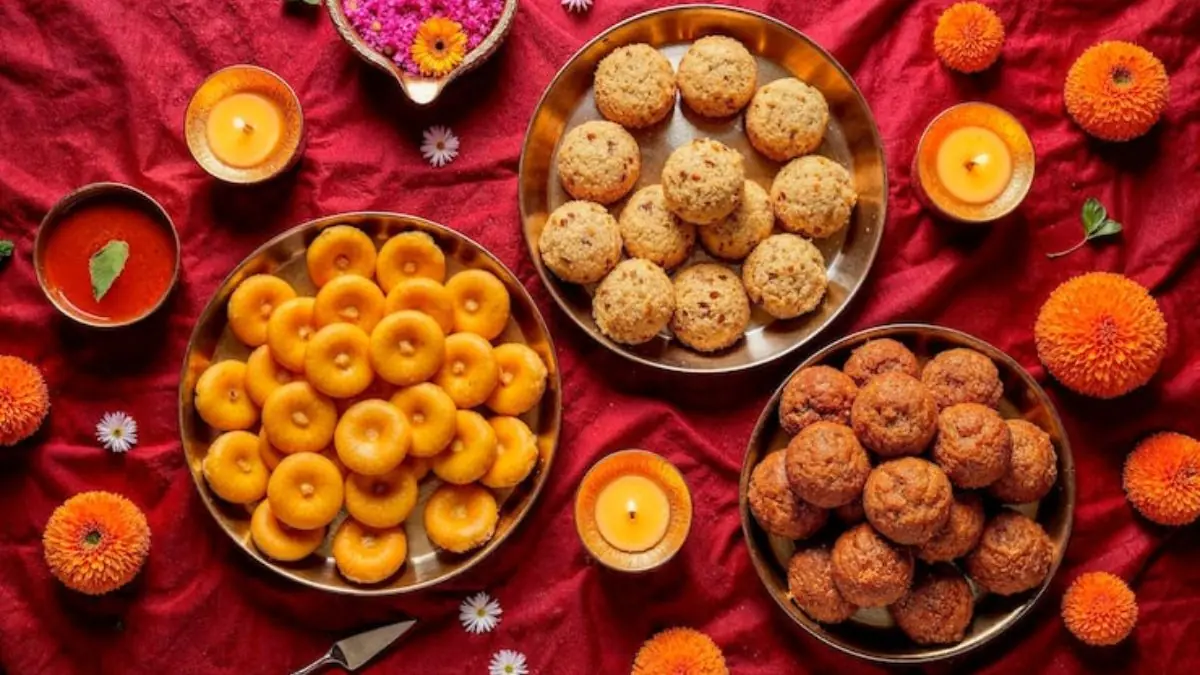
As Navratri starts, there are so many foods that are considered not ideal for Navratri. People fast for all 9 days and try to purify their bodies with Satvic food. These dishes not only celebrate the spirit of Navratri but also honour the rich culinary traditions associated with this auspicious festival. Each dish is a testament to devotion, nourishment, and gratitude towards Maa Durga.
Navratri is a time of devotion and celebration, but also a time to indulge in special dishes that bring purity and taste to your plate. During this 9-day festival in 2026, many devotees observe fasting rituals to honour the goddess Durga, abstain from regular food and eat sattvic food. While the fast is meant to purify body and mind, the array of bhog dishes prepared during this period is a showcase of Indian cuisine. These dishes are not only light and healthy but also full of taste, so fasting becomes enjoyable and satisfying.
You might know kuttu ki puri, sabudana khichdi and sweet treats like makhana kheer, but Navratri bhog dishes go beyond these. Each dish is made to match the spiritual vibe of the festival using ingredients like buckwheat flour, water chestnut and samak rice, which are allowed during fasting. Whether you are fasting or just want to try out traditional Navratri dishes, these recipes are a perfect blend of devotion and taste. Get ready to discover the dishes that make Navratri not just a festival of prayers but also a festival of flavours!
Kuttu Ki Puri
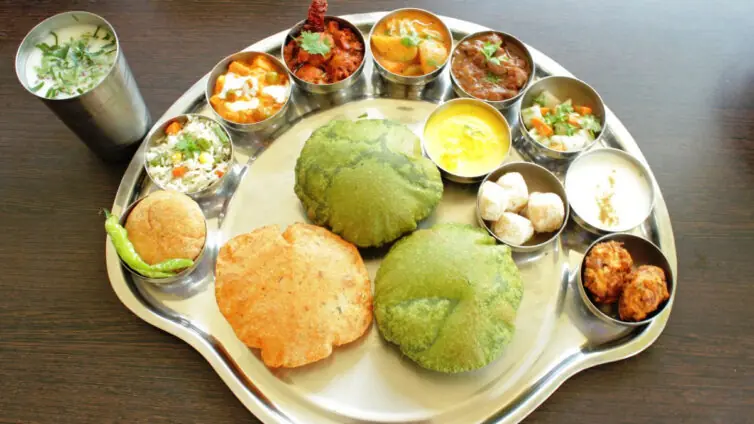
Kuttu ki puri is a fasting special made from buckwheat flour. The dough is made with water and then rolled into small circles and deep-fried in a kadai till it puffs up. This puri is light and filling and pairs well with aloo sabzi or any fasting dish. Rich in fibre and gluten-free, kuttu is considered auspicious and is widely consumed during Navratri. Offering kuttu ki puri is a way of showing respect and devotion to the goddess, as it is sattvic food.
Sabudana Khichdi
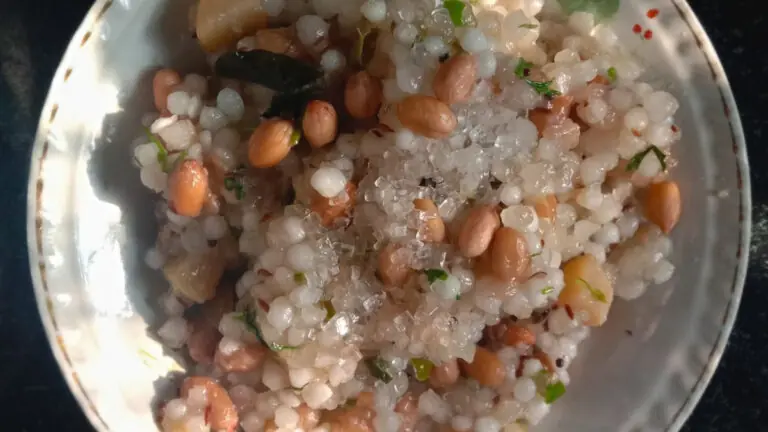
Sabudana khichdi is a tasty and nutritious dish made from sago pearls. The pearls are soaked overnight and then sautéed with peanuts, green chillies and cumin seeds. This dish is filling and provides good energy so it is ideal for fasting. The crunchy peanuts add a nice texture and the spices give a nice kick. It’s a way of showing gratitude for food and nourishment to the goddess.
Makhana Kheer
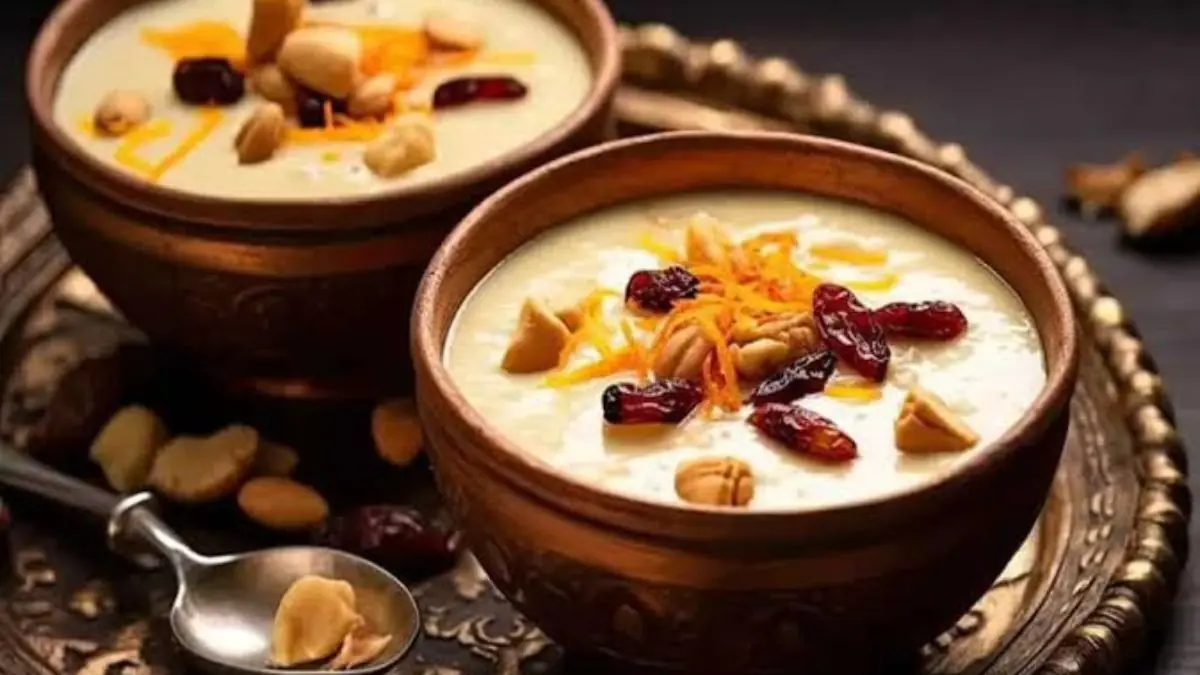
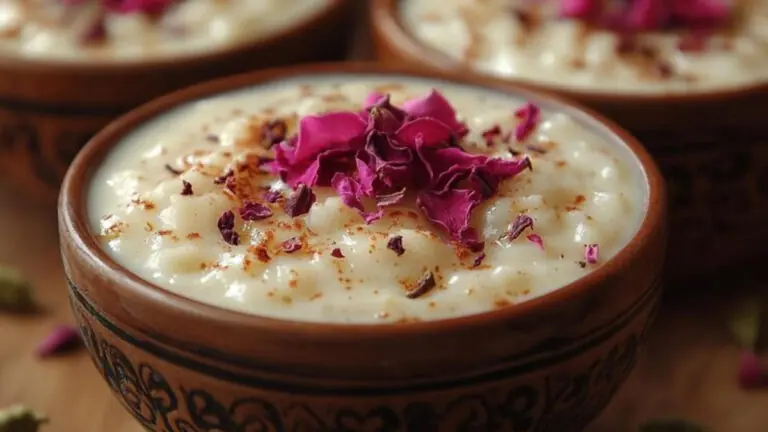
Makhana kheer, a creamy dessert made from fox nuts (makhana), is a Navratri special. The makhana is roasted and then simmered in milk with jaggery, cardamom and nuts for extra richness. This sweet dish is offered as bhog as it is pure and satisfies sweet cravings without being too heavy. The kheer represents the sweetness of devotion and is a symbolic offering to express love and worship to the goddess.
Aloo Tamtar Sabzi
Aloo tamatar ki sabzi is a simple and delicious dish made with boiled potatoes and tomatoes, with basic spices like cumin, salt and coriander, cooked in a deep pot. This is a fasting-friendly dish and goes well with kuttu ki puri or rajgira chapati. Potatoes and tomatoes represent the earth and the abundance of nature, so it is a fitting offering during the festival. Serving this is a way to connect with Maa Durga’s connection with nature.
Singhare Halwa
Singhare halwa is a sweet dish made from water chestnut flour, ghee and jaggery, flavoured with cardamom. This halwa is specially made during fasting periods, as water chestnuts are considered vrat food. The halwa is rich, smooth and aromatic; it is the spirit of devotion through its indulgent flavours.
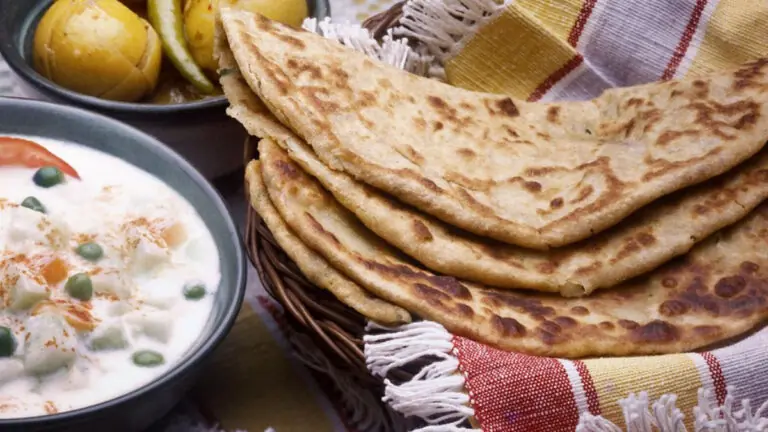
Rajgira Paratha
Rajgira paratha is made from amaranth flour and is a healthy alternative to regular wheat flatbreads. The dough is made with water and rolled out into parathas, which can be cooked on a tawa with ghee. This is a filling and easy-to-digest dish and is perfect for fasting.
The dietary customs have spiritual significance and also help in physical detoxification, so Navratri is a time to reflect and eat mindfully. Fasting during Navratri has spiritual and physical benefits. The main purpose is to clean the body and mind so we can connect deeper with the divine. It is time to detox your system and align your energy with the festival. Fasting is also a form of self-control, so we can express our devotion to Goddess Durga by controlling our desires and eating simple spiritual food. During Navratri, the focus is on sattvic food, which is light, easy to digest and pure.