How To Bake A Cake In A Pressure Cooker Without An Oven
How To Bake A Cake In A Pressure Cooker Without An Oven
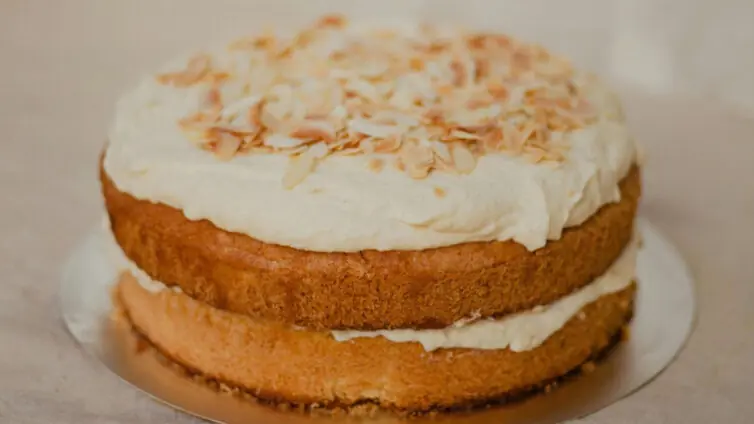


Long before convection ovens or OTGs were regularly spotted in Indian kitchens, making cakes was an activity that happened in the pressure cooker. A reliable, humble and beginner-friendly method, baking cakes in the pressure cooker can in fact produce fluffy and soft sweet treats. If executed right, pressure cookers can mimic the enclosed heat of an oven, making baking a pleasurable activity for the home baker working without a convection.
Baking without an oven in the kitchen? That hardly has to deter the beginner baker from trying their hands out at making cakes, muffins and other baked goodies. Before OTGs or convection ovens became a common sight in Indian kitchens, festive or regular tea cakes were for the longest time cooked in the pressure cooker. While one might feel apprehensive about this prospect today, it is worthwhile to note that baking without an oven is hardly as odd as it sounds. In fact, baking in the pressure cooker can produce the same kind of enclosed heat as in the oven and leads to the making of perfectly-cooked, well-risen, fluffy sponge cakes. Just a few hacks and tricks can come in handy for the baking amateur trying their hands at making cakes without an oven or convection at home.
Why Does A Pressure Cooker Work For Baking?
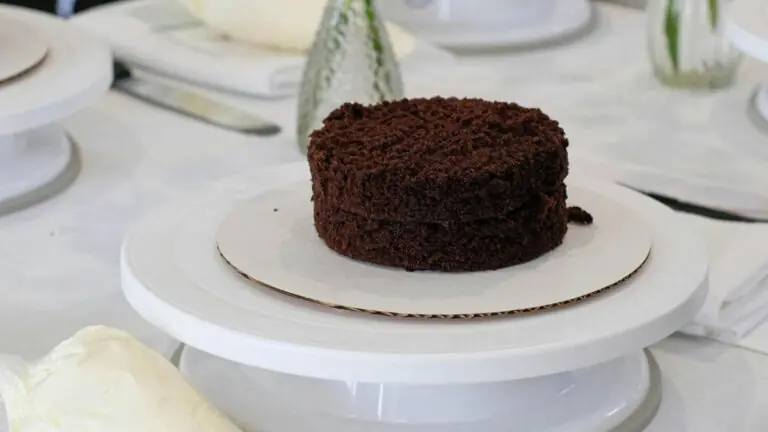
Put simply, a pressure cooker has a thick, enclosed metal chamber which traps heat akin to an oven. When the cooker is preheated properly and used for baking without its whistle or a gasket, it creates a dry, consistent warmth that is conducive to allowing the mixture of flour, eggs, sugar and butter to rise. This is similar to an OTG or oven, such that cakes baked in the pressure cooker can turn out to be just as spongy. The trick to making a perfect cake in this cookware lies in proper preheating, low and controlled flame during the baking process and indirect heat at the base.
Why Is Salt Or Sand Used At The Base?
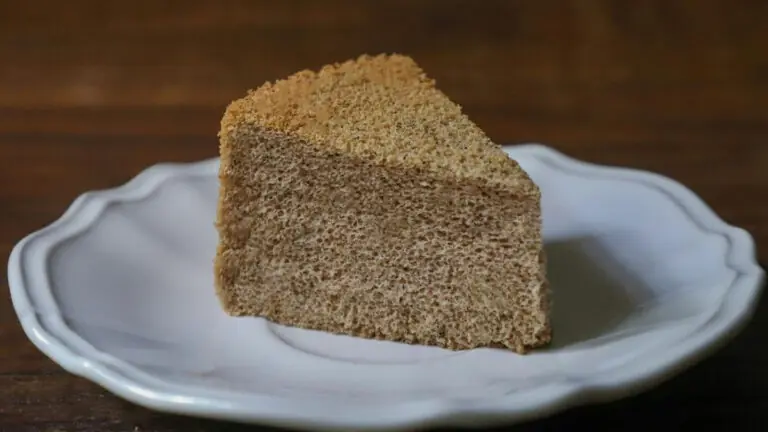
Many experts advocate using salt or sand as the base for the pressure cooker baking process. This ensures that heat is distributed evenly and also prevents direct heat from touching the cake tin. Moreover, there is reduced risk of browning at the base of the cake and the chances of burning the cake batter are lowered considerably. This step is crucial for even baking because the salt or sand base acts like an oven floor that traps excess heat and as a controlled warmth permeates through the cooker, it allows the cake batter to cook uniformly.
Never Skip Preheating
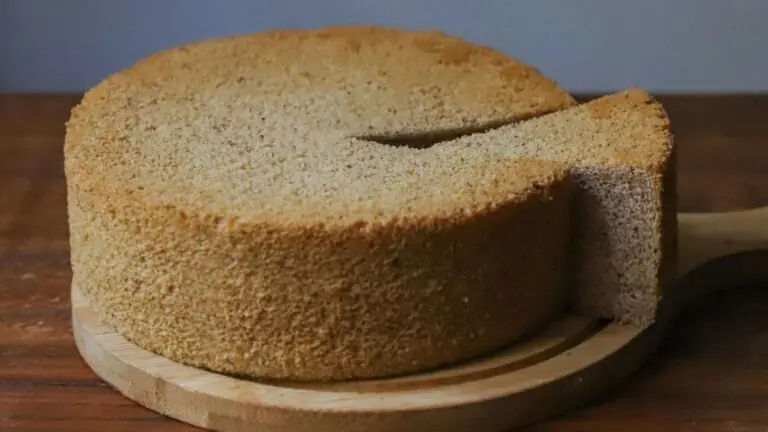
Of the different steps involved in baking a cake in a pressure cooker, right from mixing the cake batter to temperature control, one essential step is preheating. As with the oven, when a cooker is well-heated, it ensures that the cake rises well. Add the salt or sand base to the pressure cooker during the preheating process itself and place a steel stand or ring on top. The cake tin can rest on this stand later. The preheating process involves closing the lid of the cooker without attaching the gasket and the whistle and just allowing it to heat for 15-20 minutes. This ensures the build-up to a steady baking temperature.
Baking Time And Flame Control
When the batter for the cake consisting of perfectly proportioned ingredients is ready, the cake tin can be prepared by greasing it with butter or oil. A baking spray is also available in stores that greases the tin without hassle or mess. Fill only 3/4th of the full cake tin to leave enough room for the batter to rise.
Now comes the most important part in the baking process. When the cake tin is placed in the pressure cooker and the lid is on, baking time and temperature control become the most crucial steps in mastering the pressure cooker baking technique. Ensure that the flame is always kept on low or medium-low and let the cake cook at this temperature for a good 35-50 minutes. Avoid hastening the baking process to let the cake rise comfortably and cook inside-out. Keep the lid gently closed as it is during the preheating process for the first half an hour of the baking process. The next few minutes of baking will depend on the quantity and type of the cake being prepared.
Check For Doneness
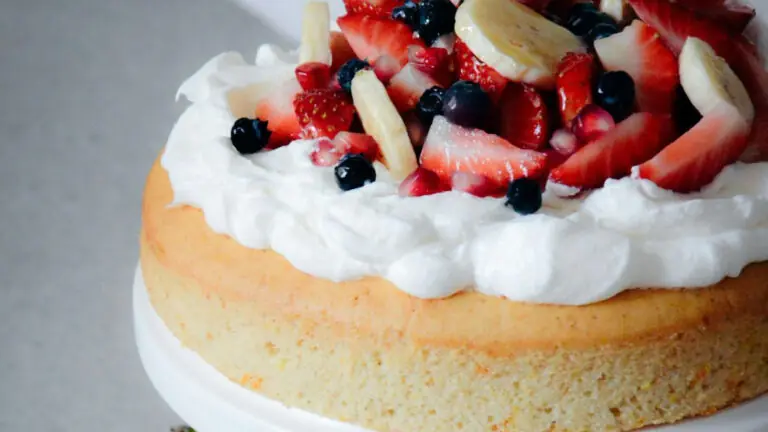
Once the first half an hour has gone by, the rest of the time is all about checking the cake by inserting a skewer inside to assess its doneness. However, avoid opening the pressure cooker too often as such temperature fluctuations can affect the rise of the cake. When the knife or skewer comes out completely clean, it is a sign that the cake is perfectly cooked. If the batter sticks to the skewer, let it cook for another 5-10 minutes.
When the cake is ready, be in no rush to bring it out of the pressure cooker. Let it rest inside for 10-15 minutes at least before demoulding. This will ensure that the rise in volume remains intact. Sudden contact with humid or cold air will deflate the cake. As the pressure cooker cools gradually, so too the cake will settle slowly. So, bring it out after a few minutes have passed and then demould. Set it to cool on a cooling rack.
Mistakes To Avoid
As the beginner baker experiments with pressure cooker baking, trying out recipes like a classic vanilla sponge cake, chocolate cake, banana cake or certain tea cakes can propel them towards mastery. Avoid making any complicated cakes involving tricky baking.
Other considerations include always using a salt or sand base and never letting the cake go into the pressure cooker without preheating it. Ensuring that the flame is adjusted and never keeping it too high prevents the cake from burning at the bottom. With patience and attention to detail, the beginner baker can then prepare cakes with much ease and efficiency in the pressure cooker.