Hidden Gems: Top 10 Street Food In India That Tourists Often Miss
Hidden Gems: Top 10 Street Food In India That Tourists Often Miss


Indian cuisine is a reservoir of yummy delicacies that never fails to amaze you. Name another cuisine where you can find everything from desserts to lip-smacking chaats and crispy snacks to have a snack in street food? Well, there isn’t any. Plus, these 10 street foods are just as rare as anything in India!
India’s street food is a whole different world. Each is unique and has its own surprising variations in texture and flavour. The different taste reveals a tale of regional ingredients, climate, and customs; crispy, acidic, spicy, sweet, and smoky. Some blend sweet and sour in unexpected ways, while others sizzle with local spices. India’s streets are a living map of culinary ingenuity, as evidenced by the way street food transforms common materials into remarkable experiences from mountains to coasts, from valleys to deserts. Here are 10 street foods from across the food map of India, you need to know about and try.
Daulaat Ki Chaat
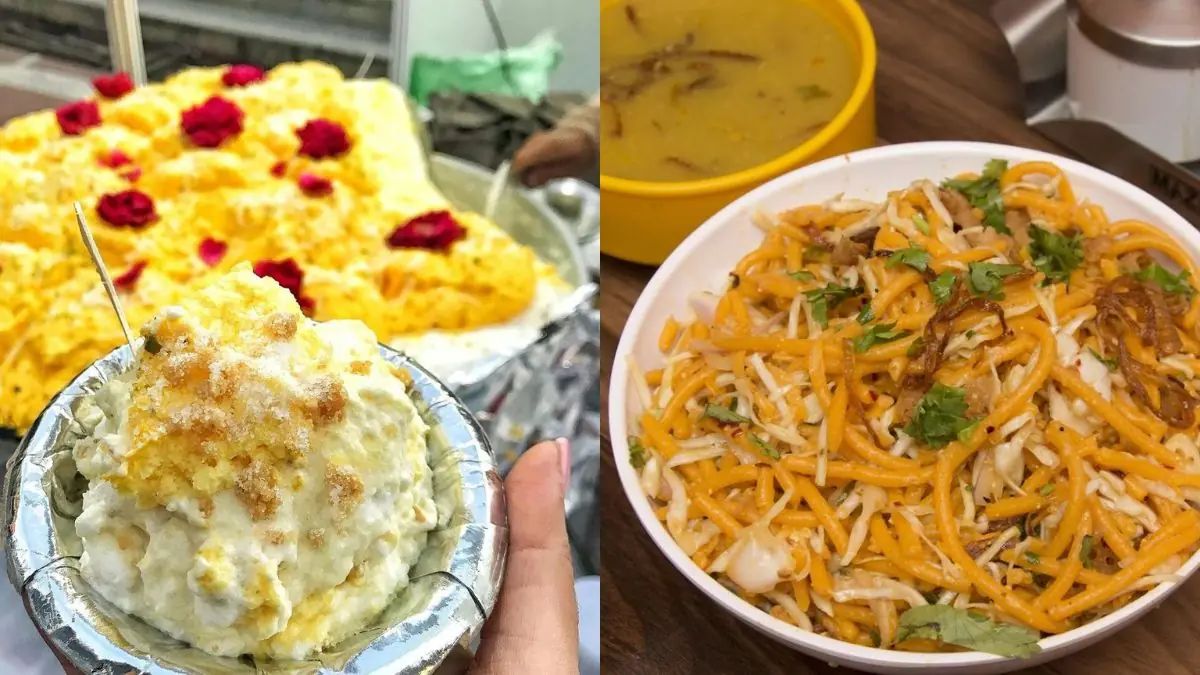
Available only in the chilling winter months, Daulat ki chaat is nothing like what it sounds. Neither is it the typical tantalising chaat, nor does it require too much daulat! But rest assured, it is an experience you must have while in Delhi! Delicate, creamy and frothy, Daulat ki chaat is made by whisking sweetened milk for hours. It is then kept overnight in the open to soak in the dew! What made it truly special was its association with the winter season, particularly on moonlit nights when dewdrops formed on the ground. This dessert was prepared during these nights, symbolising a blend of nature’s beauty and culinary craftsmanship. It was not merely a sweet treat but a reflection of the Mughal penchant for combining the extraordinary with the everyday. For the creamy and frothy milk that needs to be churned for this street food, using a deep pot, a saucepan, or a milk pot is the best option.
Mughlai Parathas
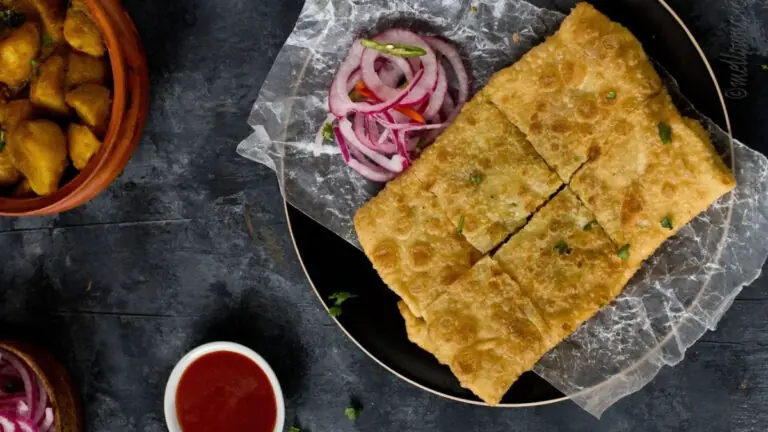
The parathas served here are stuffed with chicken keema, onions, and eggs. Sinful? You bet! These parathas bring a completely new flavour to Kolkata’s street food cuisine. Don’t let the setting or the simplicity of the environment fool you; the taste is anything but pedestrian! An early version of Mughlai paratha is said to have been popular during the reign of emperor Jehangir by one of his cooks hailing from Bardhaman, Bengal. Mughlai parathas can be made at home using tawas or cast-iron skillets for perfection.
Noon Chai & Lavasa
Noon chai, also known as Kashmiri pink tea, is a unique and aromatic beverage that holds a special place in Kashmiri cuisine. Its vibrant pink hue and distinct flavours make it an iconic part of the region’s culinary tradition. Noon chai, or sheer chai, is a creamy milk tea that gets its pink hue from a pinch of baking soda that is added while making the tea. You will have to use a saucepan for making pink tea and a small pan for heating or roasting the lavasa bread. This is infused with cardamom, cinnamon, and a garnish of minced pistachios and almonds. When paired with lavasa, a thin unleavened bread, the combination becomes a delightful treat for the taste buds. The earthy and slightly salty flavour of lavasa slathered with butter beautifully complements the rich and creamy notes of noon chai.
Bun Kababs
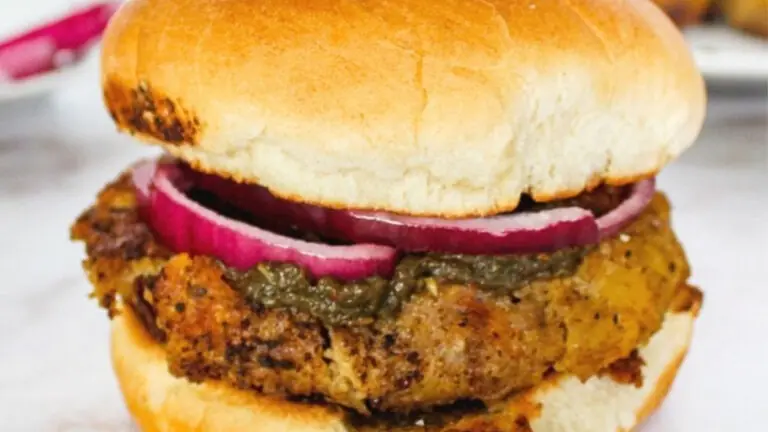
You should visit Chatori Gali for its amazing street food stalls; they are some of the best in Bhopal. The bade ke kabab, which is minced buffalo meat ground with spices and fried, is one of the most popular items sold there. These tender kababs are served in buttered buns with chutney and garnish. Toast buns and kebabs can be fried in a skillet or flat griddle. The fact that the kababs are made-to-order ensures that you will get a fresh, delicious bite. The Internet was quick to swoop in and gush over this street delicacy, which is also available in certain Indian cities like Bhopal and Hyderabad. Some users naturally wanted to know if this is available in their own city and asked for recommendations. They even got some leads!
Satpura
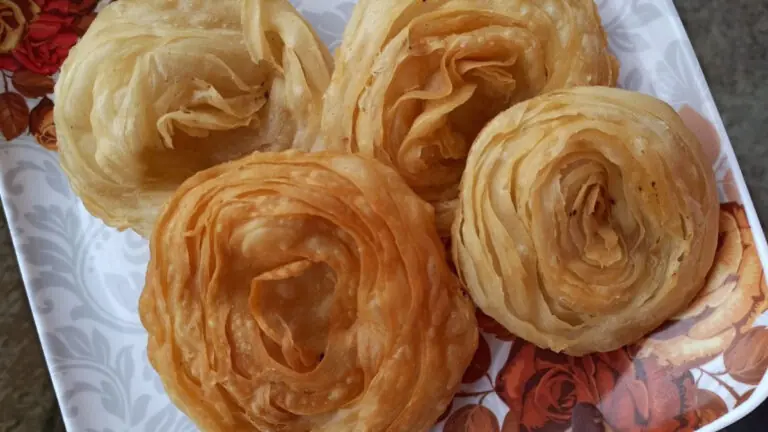
The satpura is a flaky, deep-fried treat that patrons flock to nab as they emerge hot from the bubbling oil. The word Satpura is made up of two Hindi words, ‘sat’ meaning seven and ‘pura’ meaning layer. You will need to deep-fry several delicate layers of satpura in a non-stick frying pan until they are perfectly crisp. Visually akin to phyllo pastry of the West but poles apart in flavour, the satpura is filled with a soft potato mash similar to a samosa, but 100 times airier and lighter. The recipe for the crispy dough is rumoured to be an import from Chittagong (now Bangladesh) and has developed organically since then. The current satpura is quintessentially Amritsari, and this is due partly to the fact that it’s notoriously hard to get right. Though simple to conceive, getting the seven layers to the correct thickness – or thinness, perhaps – and to a point where it can envelop the potato filling neatly during the frying process can be a real challenge.
Nakham Bitchi
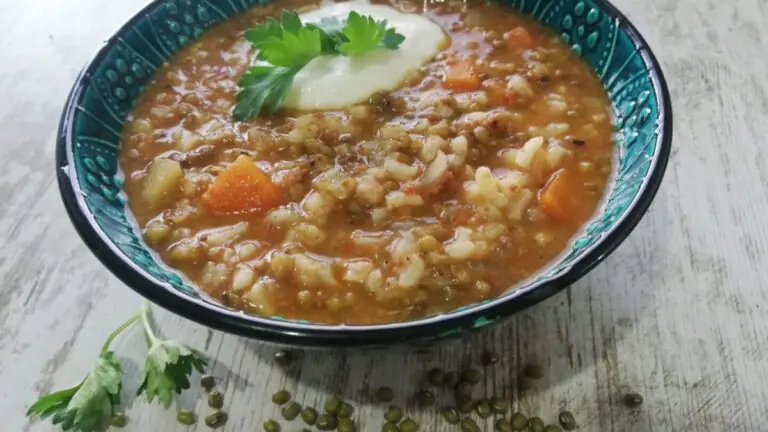
Nakham bitchi is a Meghalayan soup that has a thicker consistency than regular soups. Made with fish- both fried and boiled- the soup is perfect to prepare your palate for the main course. Boiled fish is responsible for the texture of the soup, while chillies and pepper give the soup exotic flavours. Communities were inspired to gather seasonal wild herbs, edible ferns, bamboo shoots, mushrooms, roots, and medicinal plants by the untamed landscape and rich biodiversity. This technique was developed as a result of self-sufficiency, necessity, and a deep awareness of the surrounding environment. Use a medium-sized saucepan to boil fish and herbs to create a rich, delicious Meghalayan soup. Freshly foraged vegetables is on exhibit at the state market today, carrying on this long-standing custom.
Basket Of Kalaadi
The region’s distinctive cheese is called kalaadi. The best way to enjoy them is to order a basket of kalaadi, which is typically served as deep-fried cheese fritters. It is fried in a non-stick fry pan or kadhai. These crispy delights are typically paired with mint chutney, enhancing their savory flavor. Lucknow’s street food scene is a treasure trove of culinary delights, reflecting the city’s rich culinary traditions and cultural diversity. Each dish tells a story of heritage and innovation, offering a sensory journey through the heart of Lucknow. Whether you’re exploring the bustling markets of Chowk or savouring delicacies at iconic establishments like Tunday Kababi, the street food of Lucknow promises an unforgettable gastronomic adventure.
Ghia
Almost every big market in Haridwar has at least one sweet shop as iconic as the market itself. Haridwar takes immense pride in its sweetmeats that are so rich and varied; from rabri to multiple types of khoya brafis, you would find a range of sweets here. However, one special dessert you must try is the ghia that is cooked in a big kadhai. It looks like a halwa made with bottle gourd and milk cooked together until the mixture is thick; it is further flavoured with kewra essence. Since religion and spirituality run deep and wide in the city of Haridwar, most of its street food is pure vegetarian and Sattvik in nature.
Dhuska
This is a popular snack in Jharkhand, often enjoyed as a breakfast street food. It’s made from a batter of rice and lentils, seasoned with spices, and deep-fried in a kadhai into crispy, golden discs. The crispy exterior gives way to a soft and flavourful inside. Dhuska is typically served with mutton during festive feasts or aloo dum for a delicious contrast of textures and tastes. This delightful snack provides comfort and satisfaction, making it a go-to choice for locals and tourists alike. The street food vendors of Bihar and Jharkhand have mastered the art of transforming simple ingredients into delightful and satisfying snacks. When you visit these states, don’t miss the opportunity to savour these.
Atho
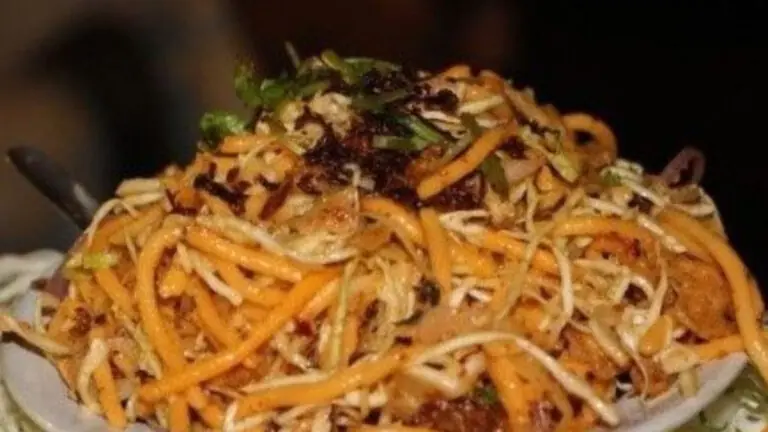
Hailing from the streets of Madurai, atho is a Burmese-inspired dish that has found its home in Tamil Nadu’s bustling street food scene. It features flat rice noodles, shredded vegetables, and a tangy dressing made from tamarind, lemon, and spices. This can be made using a wok or a medium-sized kadhai as well. Atho is a delightful fusion of flavours and textures, reflecting the state’s diverse culinary influences. The street food culture of Tamil Nadu is a fascinating patchwork made of regional variation, creativity, and tradition. Both residents and tourists are invited to take part in an immersive culinary experience as each dish pays homage to the state’s rich history and cultural legacy.