Yoghurt From Curd: Understanding The Difference And Making It At Home
Yoghurt From Curd: Understanding The Difference And Making It At Home
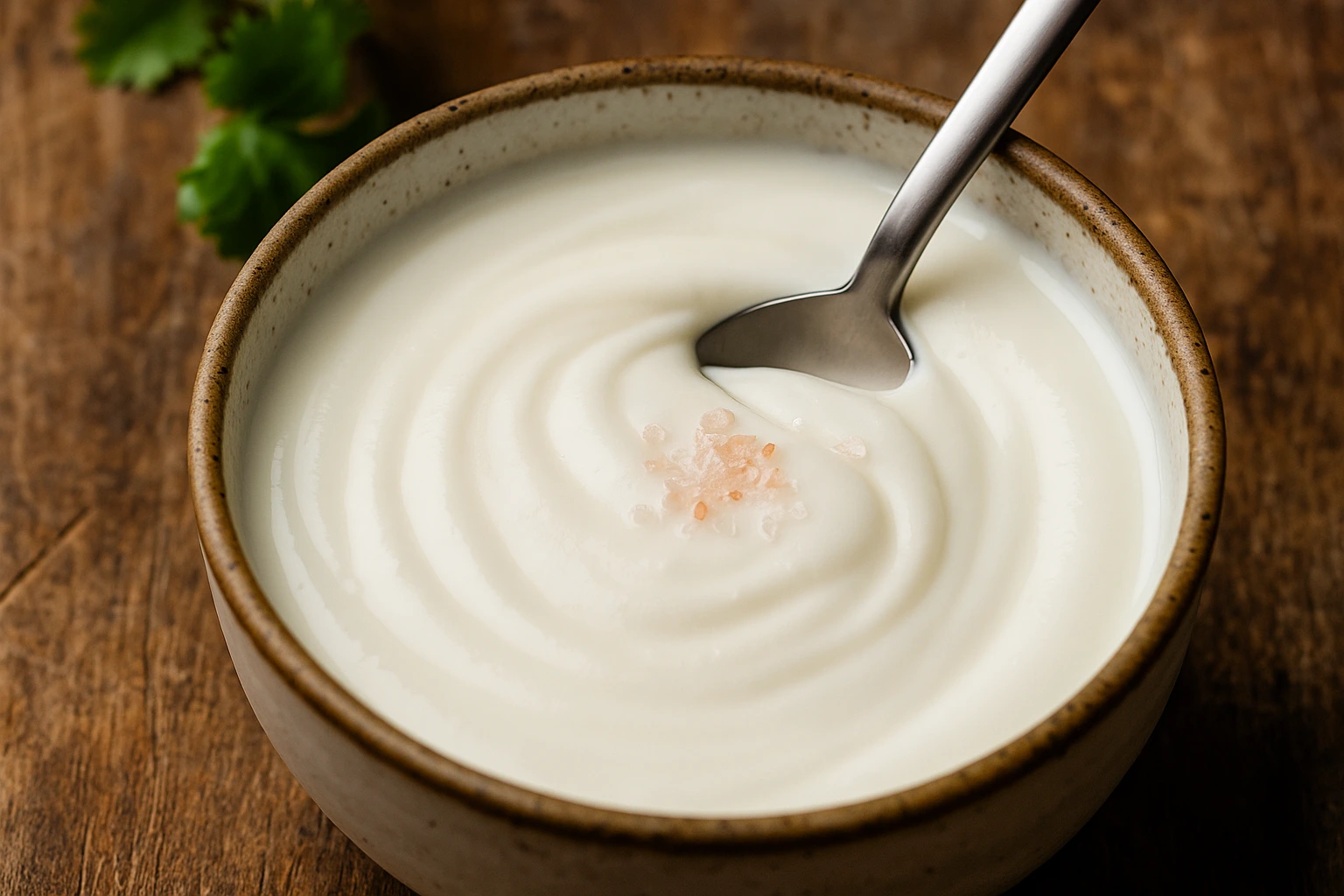


Have you taken a bite of thick yoghurt served with chopped fruits and nuts and instantly fallen in love with the smoothie bowl? Well, you can get the same texture of yoghurt at home. Read to draw a line between curd and yoghurt, and the trick to make it at home.
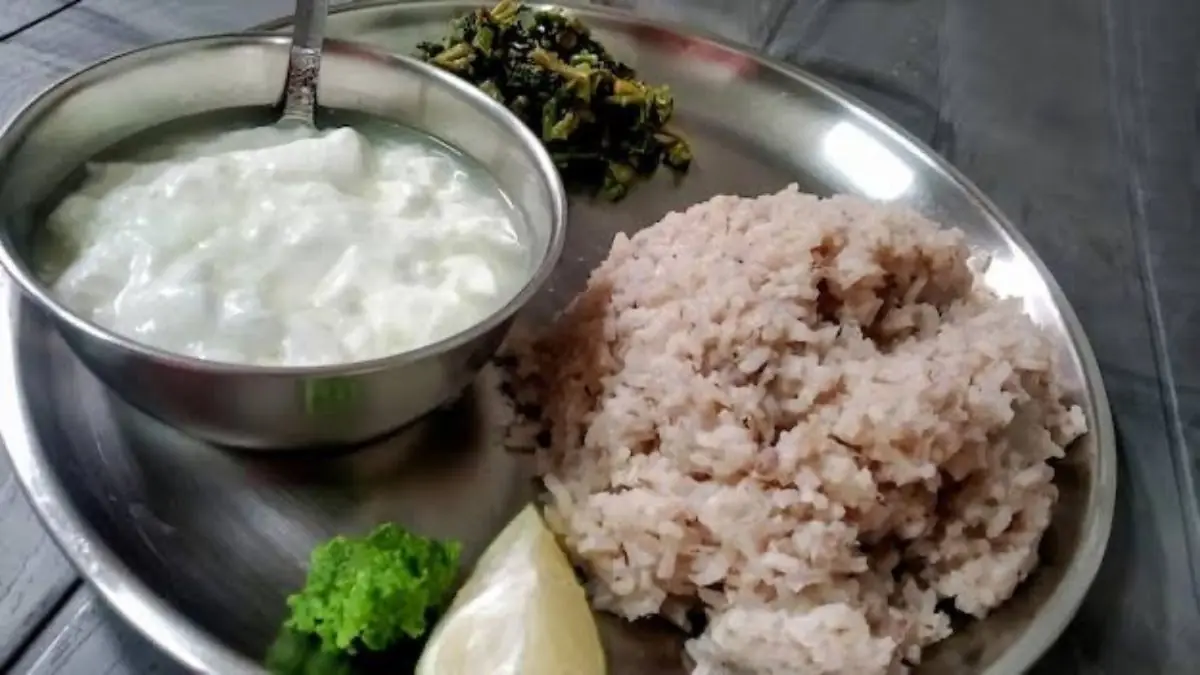
Curd, or dahi, is a staple in most Indian homes. Be it pairing boondi raita with a serving of rajma chawal, making lassi from a thick batch of curd, or pairing a bowl of dahi with parathas, the dairy product is versatile and is used in many forms in daily meals. So, when people hear the word ‘yoghurt’, a lot of them assume that it is just a foreign name for curd.
However, you should note that while both entities look similar, curd and yoghurt are not the same thing. Starting with their microbiology, to the texture, to the health benefits, if you know the differences between curd and yoghurt, you’d be able to make an informed decision about what to include in your diet. As a bonus, you can scroll through this guide and know how to make cafe-like thick yoghurt at home.
Curd vs Yoghurt: Know The Real Difference
Type Of Bacteria
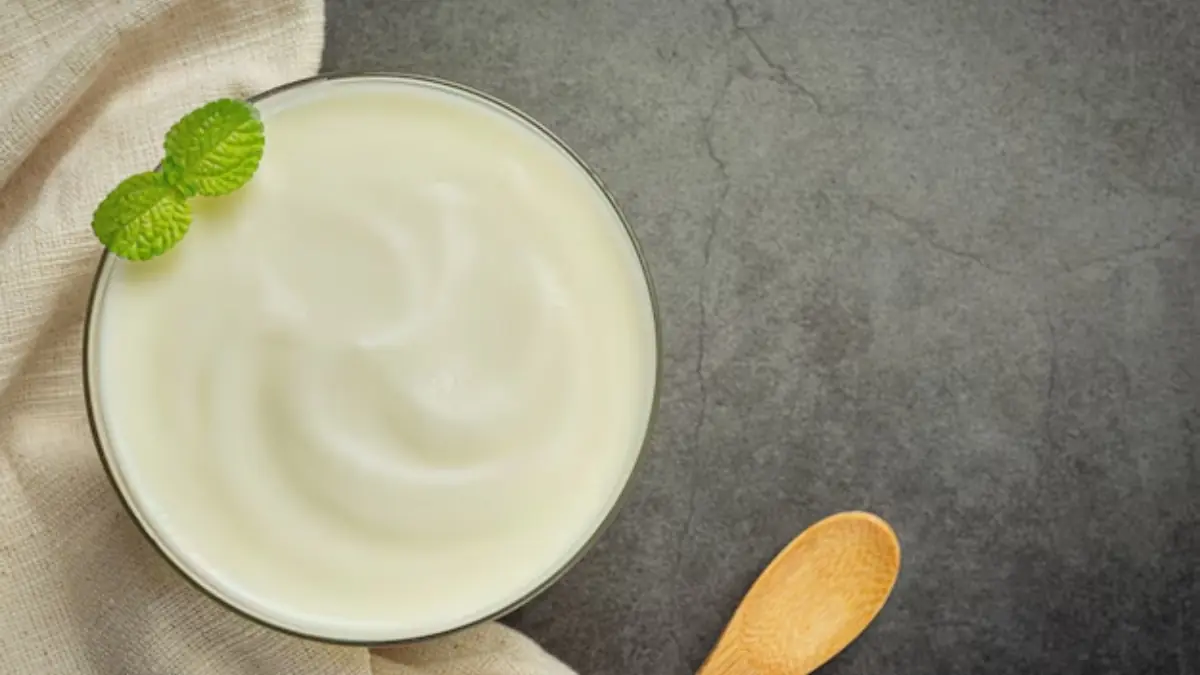
Traditionally, dahi is set using leftover curd from the previous batch. The naturally occurring Lactobacillus acidophilus bacteria in curd convert the milk sugar, aka lactose, into lactic acid, thus making dahi.
On the other hand, yoghurt is made using two sets of bacterial cultures (Streptococcus thermophilus and Lactobacillus bulgaricus). The strands are added in a more controlled manner, thus giving yoghurt a consistent texture and taste.
Taste And Texture
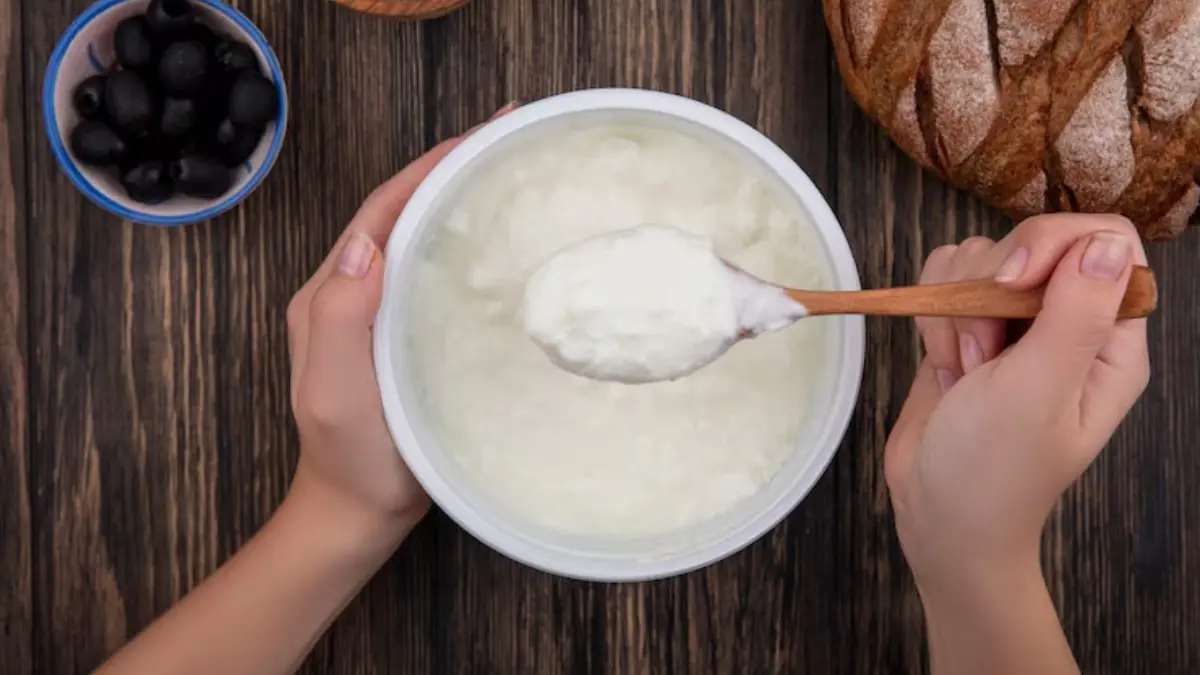
Curd has a softer texture than yoghurt. Depending on the fermentation process, the sourness of the curd can vary. Whereas yoghurt has a thicker and creamier consistency. It is mildly tangy, but not sour. Thanks to its smooth texture, yoghurt is popularly used to whip up smoothies and guilt-free desserts.
Nutritional Value
While both curd and yoghurt are healthy, yoghurt has a more predictable probiotic profile. Greek yoghurt, which is made by straining regular yoghurt, has higher protein content than curd. Also, for people tracking their gut health, yoghurt is known to be more suitable. But if your goal is to keep the body cool or boost digestion, homemade dahi would be a great option.
Curd Or Dahi: Which One Should You Pick?
If you’re making a traditional Indian dish like kadhi pakora, dahi vada, or just to pair a cooling bowl of raita with your meals, use curd. Thanks to its mild acidic nature, it will balance the Indian spices.

As for smoothies, parfaits, fruit bowls, or dips, the thicker texture of yoghurt will come in handy. Also, to make your snack rich in protein or add a probiotic boost, you can add yoghurt to the recipe.
Tips To Make Yoghurt At Home
Picking The Right Milk
The first step to make yoghurt is to start with the right type of milk. To achieve the creamy and thick consistency of yoghurt, use full-fat milk. You can also use toned milk, but note that the yoghurt will have a lighter consistency. But remember not to use long-life or ultra-processed milk, as it will not ferment properly.
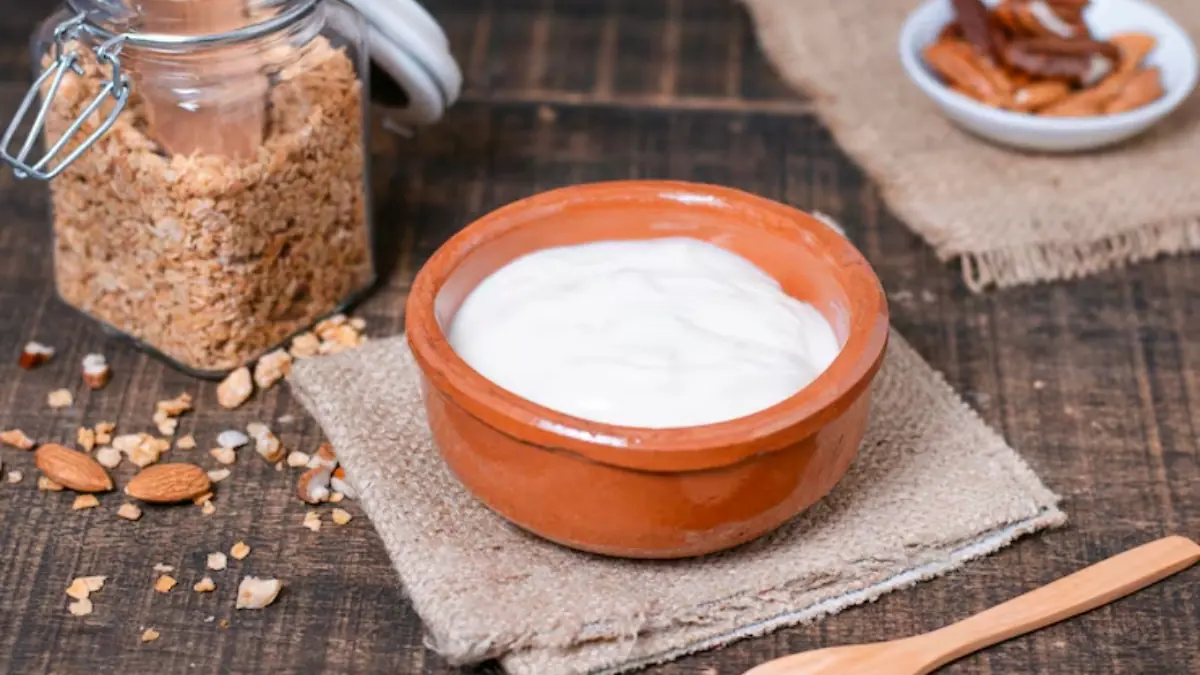
Boil The Milk And Simmer
Once you have the milk, bring it to a boil and let it simmer for about ten minutes to let the excess water evaporate. Give a stir occasionally to avoid the milk sticking to the bottom. Once you get a thicker consistency, let the milk come to a lukewarm temperature.
Take A Milk Starter
To make yoghurt, you’ll need a pure starter. Get a store-bought pack of yoghurt and take a couple of tablespoons. Whisk it in a small bowl to smooth out the consistency. Mix the starter with milk and stir well. If you want to use dahi as a starter for yoghurt, only use fresh curd that is made within the last 24 hours. Note that it should be mildly sour, not tangy, with a smooth texture. If the curd is too sour, just use half or one teaspoon for a litre of milk, and you should be good to go.
Maintain The Temperature
Most people think mixing the milk with the starter is all that is required to set the yoghurt. However, if you don’t pay attention to the temperature, you’ll not get a properly fermented batch of yoghurt. So, after adding the starter to warm milk, stir, and then place the container in a warm spot. Spots like a switched-off oven, inside the microwave, or on a turned-off gas stove are known to be the best options. Since too much heat can slow down the fermentation process, ensure that the spot is not too hot.
Let The Yoghurt Ferment
You need to be patient to let the yoghurt ferment. Typically, considering the Indian climate, it takes about six to eight hours for the fermentation process. In the winter season, the yoghurt might even take ten hours to ferment. But after six hours, check the doneness by tilting the bowl. If the yoghurt doesn’t flow, it’s ready to be taken out. Once set, refrigerate it to avoid the yoghurt from thickening further. Remember not to stir the yoghurt once set. Otherwise, it will break the protein structure and give the yoghurt a runny consistency. While taking some portion of the yoghurt out, scoop and let the rest of the batch be as is.