Royal Recipes: Indulge In The Grandeur Of Rajasthan’s Traditional Food
Royal Recipes: Indulge In The Grandeur Of Rajasthan’s Traditional Food


All things opulent, majestic and grand, the exquisite royal legacy of Rajasthan’s traditional cuisine cannot be overstated. The home cook fascinated by royal kitchens and traditional cooking styles can learn quite a lot from the culinary techniques used in the preparation of classic Rajasthani dishes. Rich, robust and regal, these are recipes that characterise the sheer grandeur of the kitchens of the dunes.
A cuisine born from sandy dunes, Rajasthani culinary tradition is marked by royal legacy, heritage and luxury. It is no wonder that such an opulent culture fascinates the home cook, and inspires them to prepare dishes steeped in this regal regional style. The royal kitchens of Rajasthan produce dishes rich in ghee, spices, gram flour and other ingredients which can be stored for a long duration in the dry and warm climes of the dessert. With scarce water and stubborn soil, to the amateur, Rajasthan might feel like a challenging place to cook. However, over centuries, the kitchens of the grandest maharajas have put these very geographical characteristics to good use and have come up with such dishes that encapsulate the rich, robust and unmistakably regal legacy of Rajasthani cultures.
Dal Baati Churma
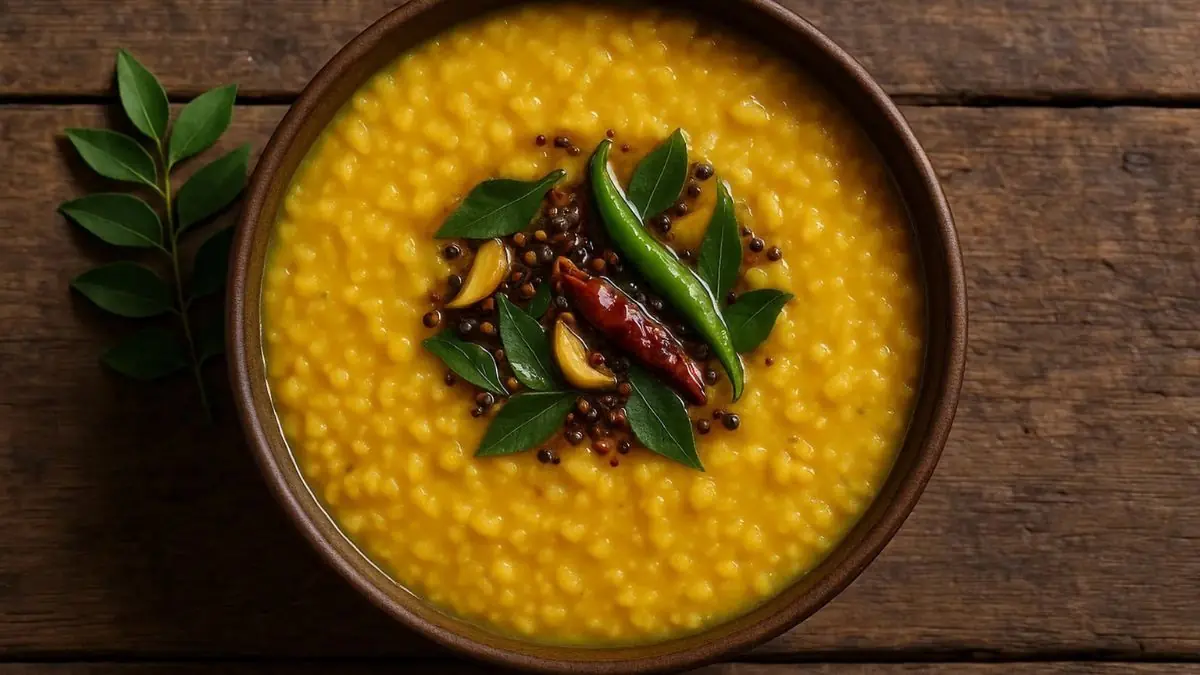
One of the most famous dishes to emerge out of Rajasthani royal kitchens is dal baati churma. An iconic meal within this cuisine, it comprises three elements: the baati or baked wheat rolls which are dipped in ghee, the panchamel dal, a mix of five lentils tempered in species and the churma, which is essentially the crushed baati seasoned with sugar or jaggery and ghee. For the home cook, preparing the panchmel dal in a cast-iron kadai is an exercise in traditional cooking methods, where the flavours of the simple but indulgent dal bloom slowly and later seep into the thick baati. This wheat roll, which carries a rather rich history of being slow-cooked in the warm sand, can now be made in the convection, to replicate its hearty, regional nuance.
Laal Maas
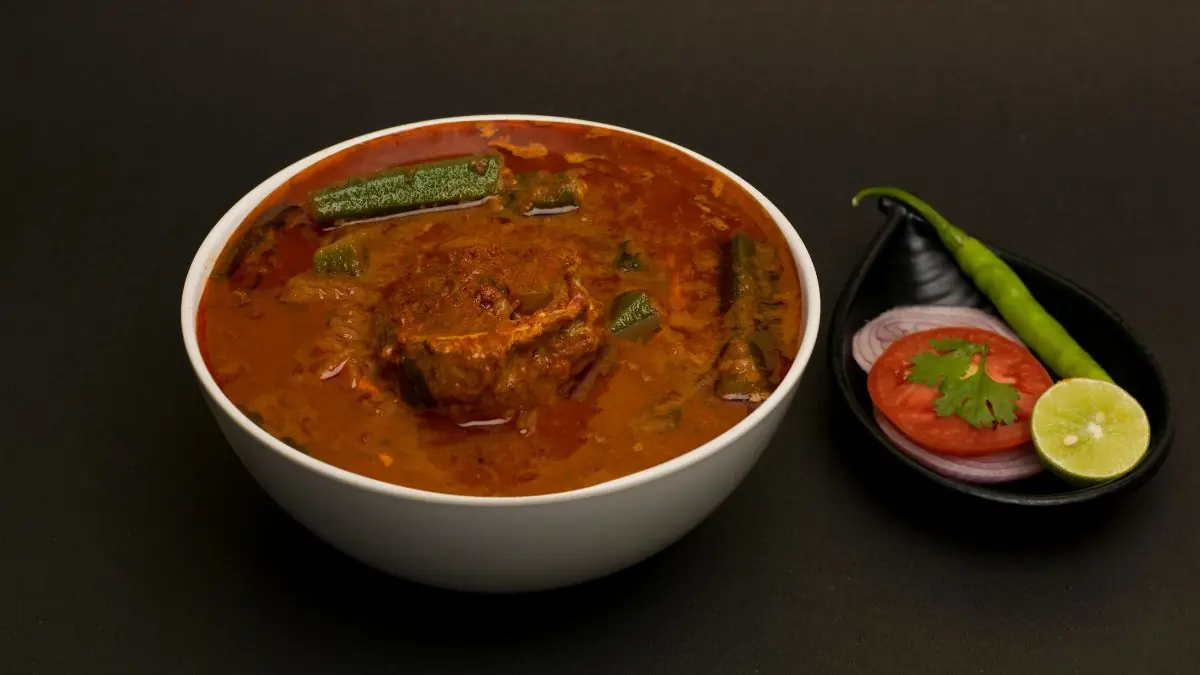
Rajasthani royal entourages – grand and regal – comprised courageous soldiers and commanders who would often march for months to protect their territories. For kings and warriors, one recipe prepared quite often was laal maas or mutton cooked in a fiery red curry. This recipe was prepared for the Rajput warriors and royalty by grinding a masala with Mathania chillies as its base. It was the dark red colour of these spicy chillies which lent the laal maas its eponymous hue. The chillies also introduced heat, warmth and spiciness into the gravy. Home cooks can make the laal maas masala by grinding the chillies with assorted spices in a mixer grinder and cooking the gravy in a heavy-bottomed kadai with garlic and a yoghurt curry base.
Gatte Ki Sabzi
What is perhaps one of the most endearing dishes within Rajasthani cuisine, gatte ki sabzi is essentially nothing but gram flour dumplings simmered in a rich yoghurt gravy, adorned with lots of aromatic spices. Another royal delight, the home cook would derive much pleasure in preparing this classic dish in a sturdy kadai, steeped in the region’s culinary traditions that made the best of whatever ingredients were available to them in the absence of fresh vegetables. An illustration of how Rajasthani royal kitchens turned scarcity into luxury and resourceful cooking into a delicacy, gatte ki sabzi is a creamy concoction that can put a similar artisanal spin on a home cook’s culinary experimentation.
Ker Sangri
Indigenous protein and fibre-rich ingredients come together in the preparation of this royal Rajasthani classic. Ker or local berries are first collected, dried and stored. Then, they are rehydrated by soaking them in water for at least 10 hours, or overnight to make a sabzi. The berries are cooked in oil or ghee and are transformed into the rich ker sangri, following the addition of sangri or a local bean variation. Red chilli powder, turmeric, coriander powder, raw mango powder and other assorted spices go into seasoning the ker sangri with their potent flavours. Certain royal variations of this gourmet dish also infuse raisins and a little bit of yoghurt into the sabzi for building more complexity. Ker sangri can be prepared in a simple stainless steel kadai at home and served with traditional Rajasthani breads like bajra roti or missi roti.
Mohan Maas
Where the laal maas is known for its spicy, fiery kick, the mohan maas or a mild mutton gravy variation is a royal Rajasthani recipe characterised by rich flavours and a creamy, soft texture. This white-coloured curry is rather a lesser-known Rajasthani dish, yet it is just as vibrant and flavourful. Mutton is gently cooked in milk, ghee and mild spices and the gravy itself is finished off with dried fruits or nuts which lend it an even more dense richness. Delicate, delicious and royal all at one, mohan maas was once a popular dish prepared at grand, regal banquets.
Ghevar
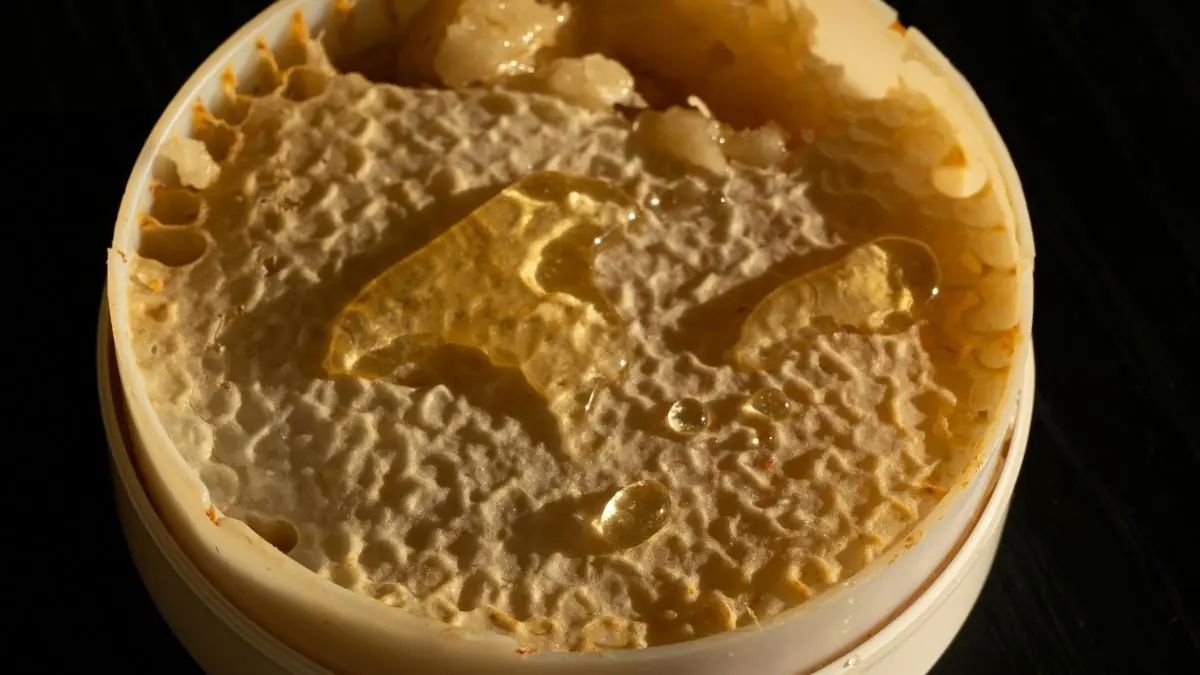
Rajasthani royal cuisine would be incomplete without ghevar, the rich, luxurious sweet treat known for its crispy honeycomb-like texture and its ghee-infused, decadent flavours. Ghevar is particularly prepared during the monsoons in Rajasthan or during festivals like teej or Raksha Bandhan as a sweet treat to mark the special occasion. The batter for ghevar is made using just three ingredients: maida, ghee and milk. It is then poured into a deep pan containing more ghee to create a disc-shaped airy structure which is then dipped in sugar syrup. Garnished lightly with crushed nuts, saffron and edible leaves, ghevar is sheer luxury personified. It is a bonafide indicator of the regal cultures that once permeated across Rajasthani territories, brimming with grand culinary practices rooted nonetheless in simple, straightforward cooking techniques.