Eco-Friendly Diwali: Food Ideas That Minimise Waste
Eco-Friendly Diwali: Food Ideas That Minimise Waste
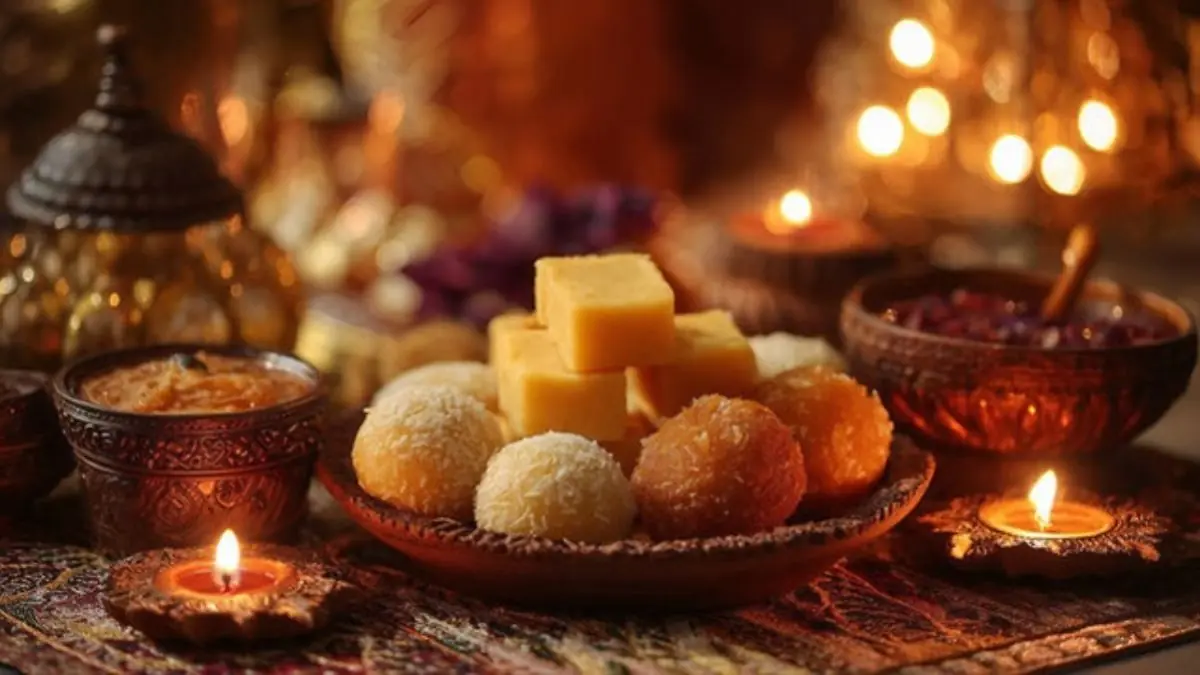


Diwali can still feel full of food and celebration when families plan their cooking and use ingredients in a sensible way. Small steps like managing portions, reusing leftovers, serving food with care, and giving practical food gifts make sure that meals are enjoyed properly without waste.
Diwali always brings a lot of food into homes. Families begin preparing snacks days in advance, sweets are stacked in boxes, and the kitchen is usually in use from morning to evening. Food is cooked in plenty because the idea is to share and keep the table full for everyone who visits. But this habit often means too much food is left uneaten. Plates stay half-finished, and trays of sweets remain on the side. Throwing it away feels wrong but many times it ends up in the bin. This can be avoided with a bit of planning. The festival still stays rich in flavour and tradition, only without wasting so much.
Cooking In The Right Quantities
Cooking too much is one of the main reasons food gets wasted during Diwali. Families think it is better to prepare more than less, so they end up with extra dishes that nobody finishes. It is better to cook smaller amounts and add more later if people ask for it. Guests usually prefer refills instead of being given large piles of food in one go. Counting the number of people before making the menu helps to cook enough and not more. Sometimes people fear that smaller portions may look less festive, but the truth is guests enjoy food more when they can taste everything without the pressure of finishing big servings.
Using Seasonal And Local Ingredients
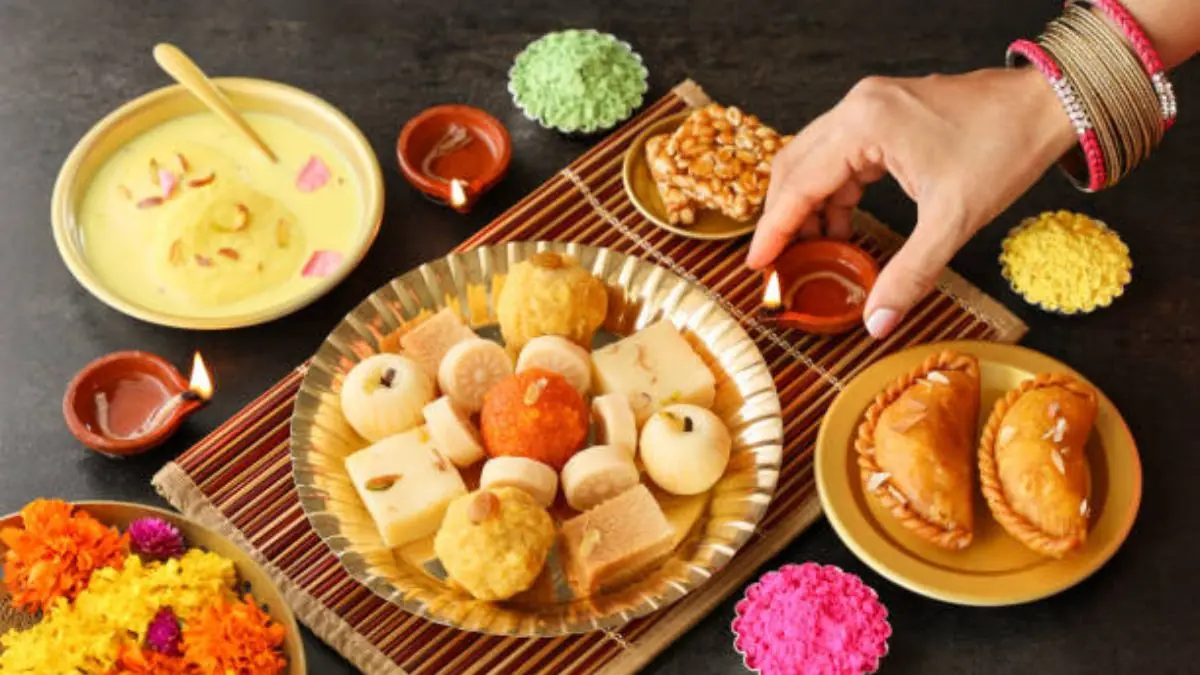
Festive meals can be cooked with fruits and vegetables that are easily found during Diwali season. Fresh gourds, peas, beans, and root vegetables are available in October and November, and they can go into snacks, sabzis, and curries. Fruits like guava, custard apple, and pomegranate also fit into sweets and salads. Food tastes fresher when it is in season, and it also does not travel long distances to reach the market. Local farmers benefit when families buy from them, and at the same time, the meals turn out healthier. Families may not realise it, but by choosing what is already growing nearby, they cut down waste before cooking even begins.
Repurposing Leftovers Creatively
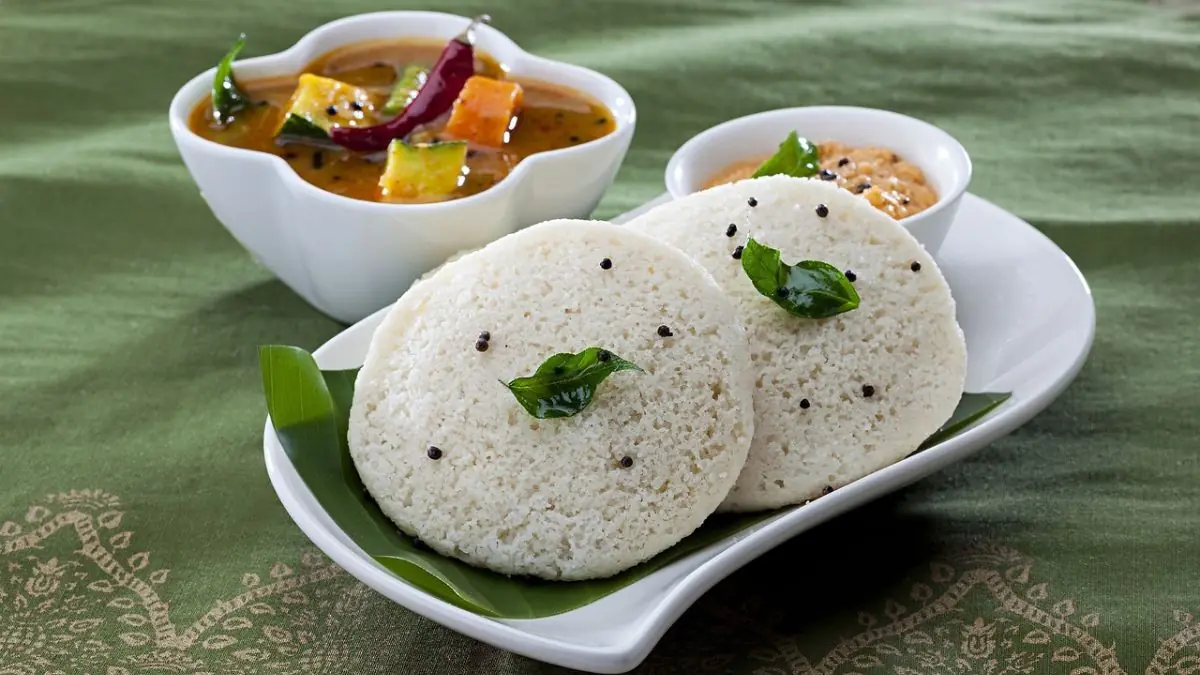
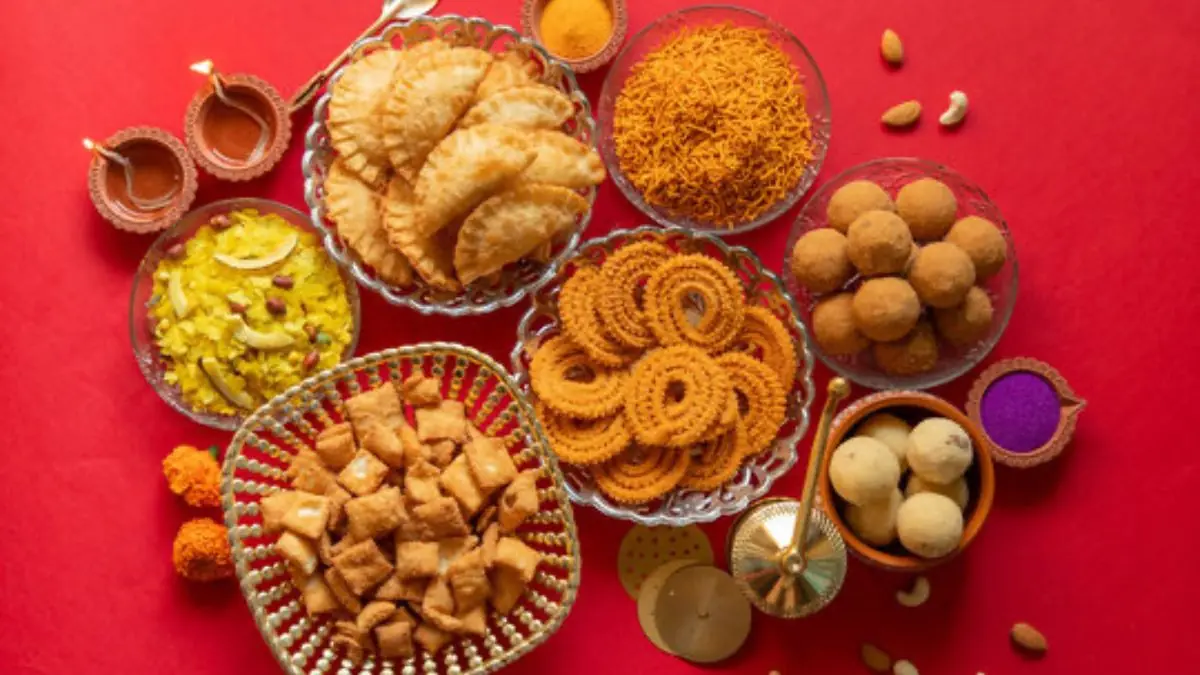
During Diwali there will always be some leftovers, but these can be turned into other dishes instead of being wasted. Snacks like mathri and chakli can be kept in tins for days. Cooked vegetables from dinner can be mixed into parathas or shaped into tikkis for breakfast. Rice can be reused as pulao or even lemon rice with just a few spices. Sweets also do not have to go stale. Barfi or peda can be added to warm milk and made into kheer. Even ladoos that turn a bit dry can be reshaped when softened. Families that make new dishes from old ones save money and time too. Food that is really more than needed can be shared with staff or neighbours, which is always better than throwing it away.
Choosing Eco-Friendly Serving Methods
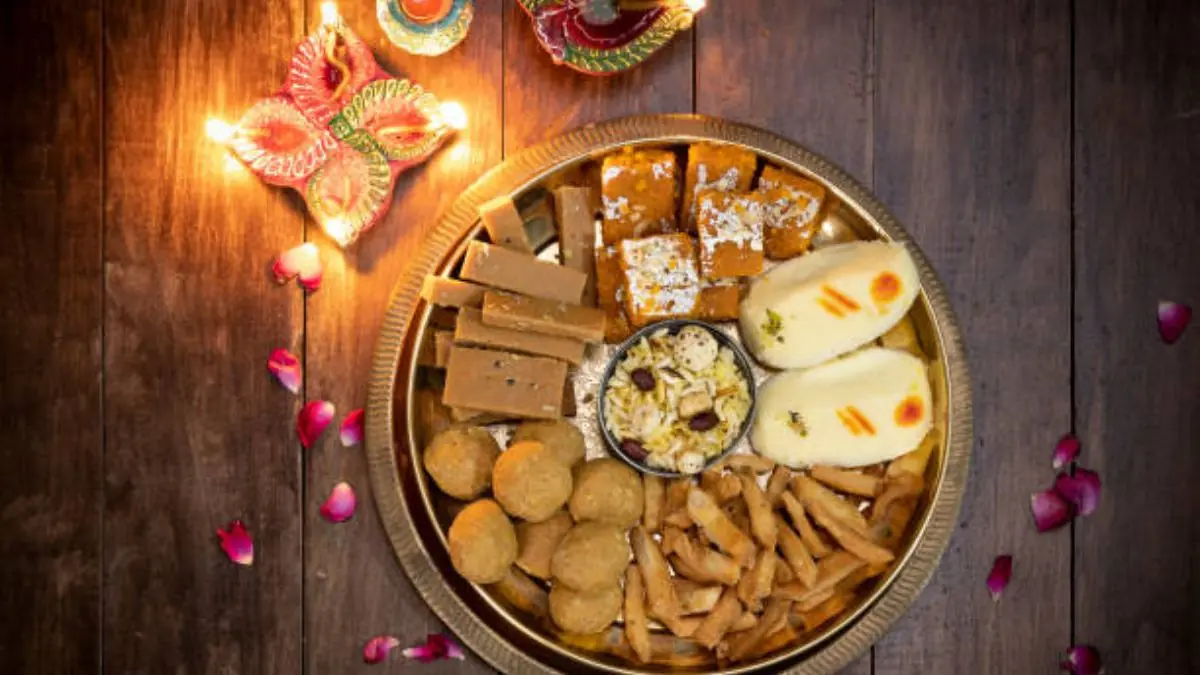
Serving food makes a difference to how much gets wasted. At big gatherings, plastic plates and cups are often used because they are easy to clean up, but they also create huge piles of waste. Using steel or ceramic dishes is better for the environment and also feels more festive. When disposables are needed, plates made from palm leaves or bowls made from sugarcane pulp are a good choice because they do not last as waste for long. Smaller portions on plates help too. Guests can always take a second serving if they want. This way, less food is scraped off plates and thrown out.
Giving Thoughtful Food Gifts
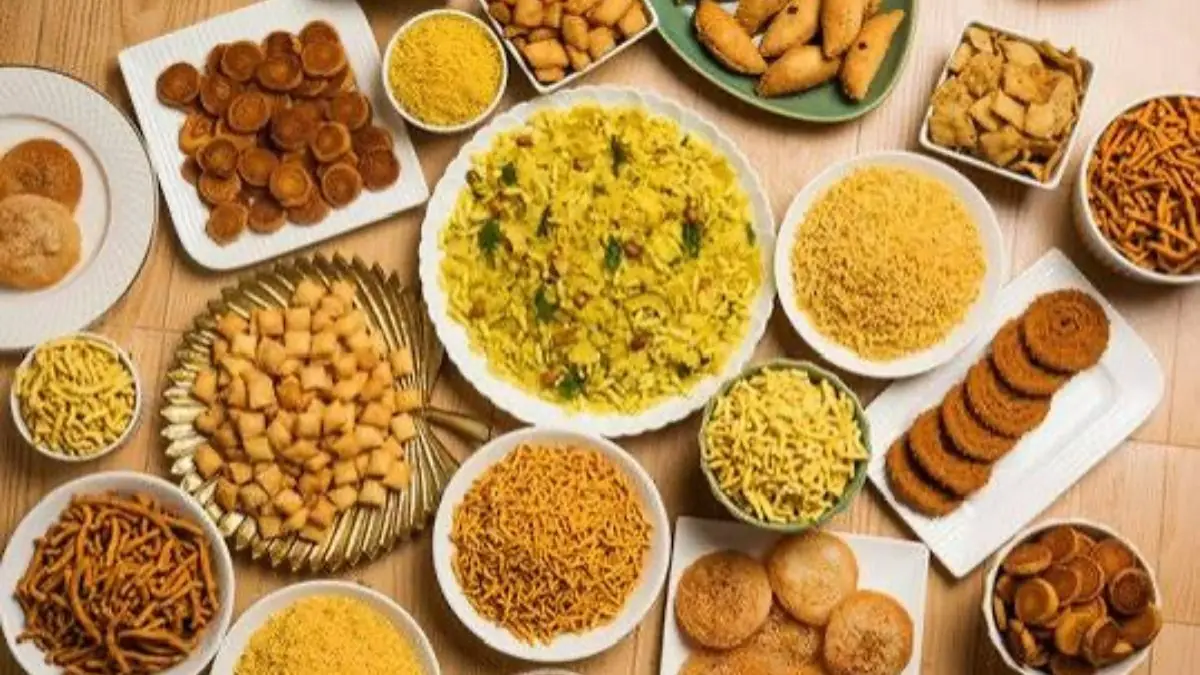
Food gifts are a special part of Diwali, but they often end up being wasted. Sweet boxes that are too large or filled with the same items get left untouched. Families can give smaller homemade gifts instead, like roasted nuts, spiced seeds, or ladoos made with jaggery and ghee. These are easier to finish and also healthier. Packing them in jars, cloth bags, or paper boxes makes the gift more eco-friendly and practical. Homemade food gifts carry a personal touch, and because they come in smaller portions, they are enjoyed completely instead of lying around.
Conclusion
Diwali celebrations can stay joyful and full of food even when families take care not to waste. Cooking in the right amounts, using local produce, reusing leftovers, serving carefully, and gifting food that is practical are simple steps that make a big change. The festival feels even better when every dish that is prepared is eaten and valued. Food holds meaning during Diwali, and respecting it by avoiding waste keeps the spirit of the festival alive in the truest sense.