Did Idli Really Come From India? Know The Truth Behind The Breakfast Staple
Did Idli Really Come From India? Know The Truth Behind The Breakfast Staple
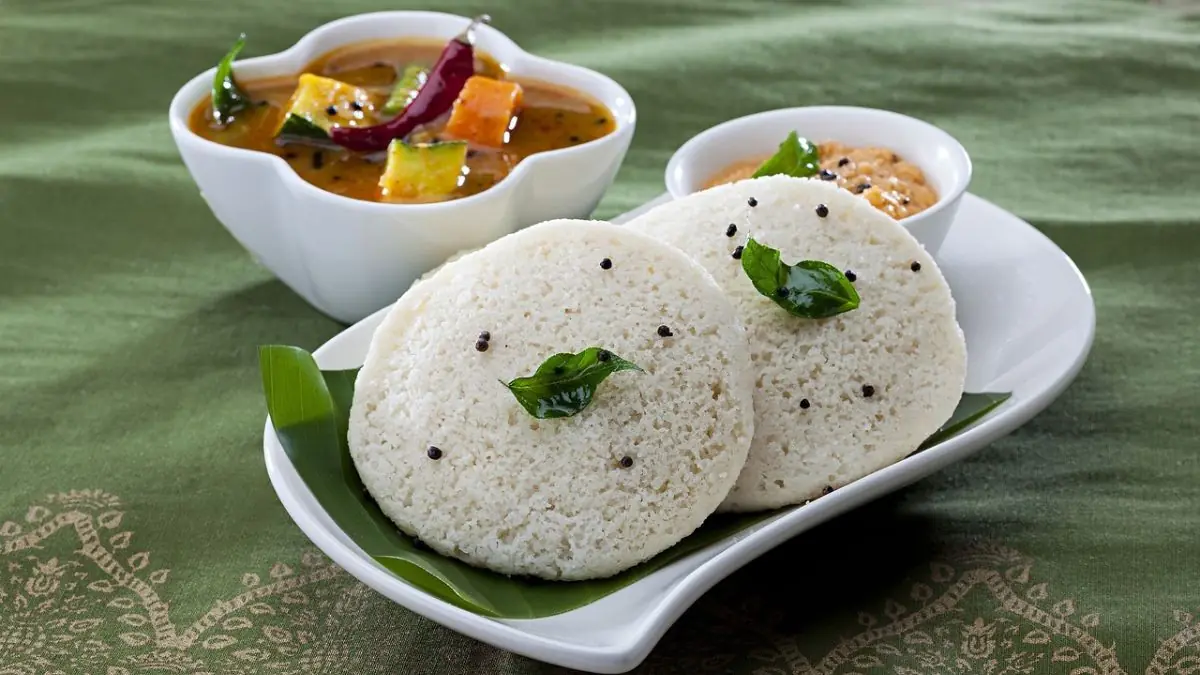


Soft, steamed and utterly comforting, idli is almost an inseparable culinary part of southern Indian kitchens. But there is more to the idli’s story than what meets the eye. Interestingly enough, idli, which is so integral to Indian cultures, does not really originate in Indian regions. It is a breakfast staple that was brought to Indian shores from a distant land.
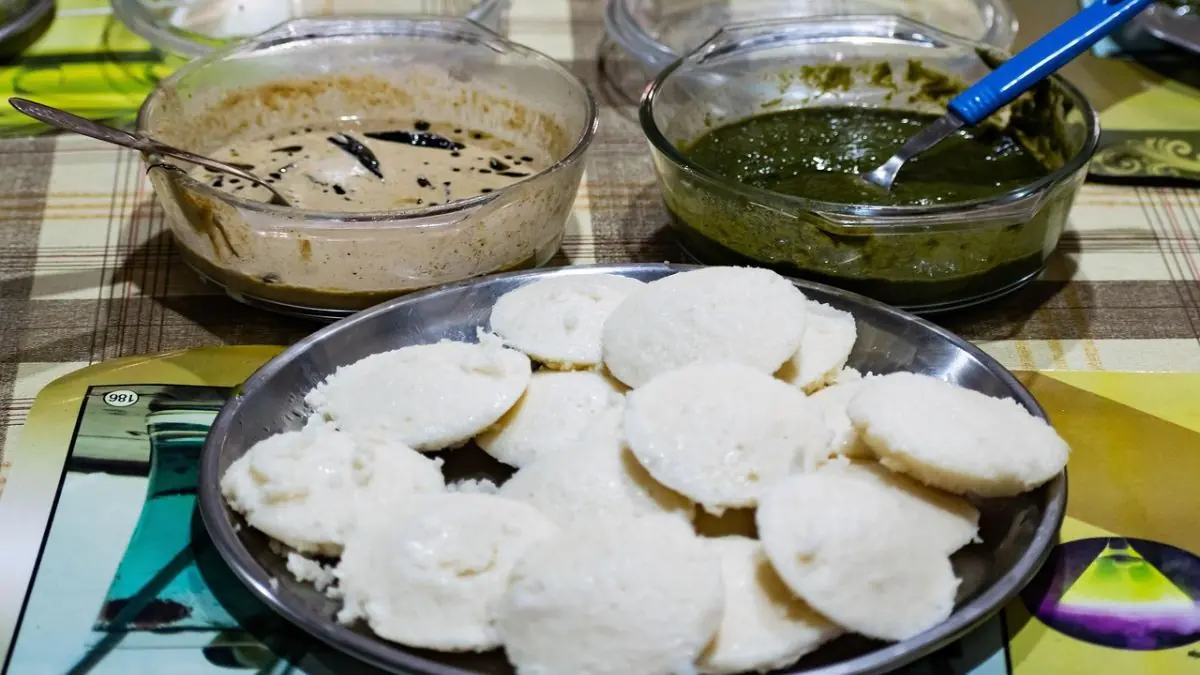
One of the most beloved southern Indian breakfast staples, idli is a soft, steamed, fermented rice cake that is served with steaming hot sambar and chutney. In southern Indian homes, idli on the breakfast platter is almost an everyday occurrence. Most household kitchens store fermented batter in the fridge as it remains fresh for a couple of days at least and fluffy, hot idlis can be prepared every other day for the morning meal. Easy to digest and gentle on the gut, healthy idlis appear to be unmistakenly Indian. Yet, interestingly enough, the origins of the idli itself are hardly so desi. The food lover curious about Indian dishes and their histories would be intrigued by the theory that idlis came to Indian shores from distant lands, especially considering the fermentation technique that goes into making the idli batter.
Earliest Written Mentions Of Idli
Before we travel to the narratives around idli’s origin stories, it is worthwhile to look at some written records about the prevalence of a dish like the modern idli prepared in the steamer or pressure cooker that we recognise today. Kannada texts written circa 10th or 12th centuries mention a recipe called the iddalige. Then there is another text called Manasollasa which talks about the iddarika, a recipe prepared using urad dal or black gram.
Both of these written descriptions, although very close to modern idlis, are slightly different from the idlis stacked on the contemporary idli stand. Where earlier references to this fermented dish indicate that it was made only from urad dal, today, the batter ground for the idli in a mixer grinder largely contains soaked rice, urad dal and some flattened rice. Urad dal is added in limited proportions and batters are generally made with excellent quality rice. However, remarkably so, idli did exist in southern Indian cultures in some form or the other, before it became the soft, fluffy rice cake we recognise today.
Indonesian Origins
The theory that is doing the rounds around the modern origins of idli can be attributed to the renowned food scientist KT Acharya. His study suggests that idli’s fermentation techniques might have come to Indian lands from Indonesian kitchens.
Earliest beginnings of this story can be traced to the 12th century when southern Indian kingdoms like the Cholas shared active trade relations with southeastern Asian lands, particularly Indonesia. Cultural exchanges were common during this period, which extended to sharing knowledge about culinary practices and cooking techniques.
It is believed that during this period, Indonesian cooks largely fermented rice and lentils for preparing several dishes, a process that was quite familiar to the fermentation and grinding of the idli batter on the wet grinder or in the mixer grinder that is practiced in Indian kitchens today. Acharya suggests that Indonesian monarchs or royal families who travelled to India for cultural exchanges brought their chefs here, who prepared the traditional kedli or kedari for their leaders. This is how the Indonesian recipe for preparing the kedli made its way into Indian kitchens.
The fermentation and steaming technique of the Indonesians was quickly picked up by Indian cooks who adapted it to the local climate by introducing urad dal and rice as potential ingredient pairings for preparing the batter. Acharya’s theory might inform our understanding of how hitherto unknown practices of fermentation came to Indian kitchens, that were absent in early Indian cooking practices.
Yet another historical reference traces the idli to Arab cuisine too. Some historians write that Arabs who settled in Indian territories tended to consume halal foods and rice balls were one of their go-to options. They would flatten and steam rice balls and savour them with a coconut gravy. This, according to some experts, connects the idea of steaming rice to Arab cultures.
Rice In Idlis
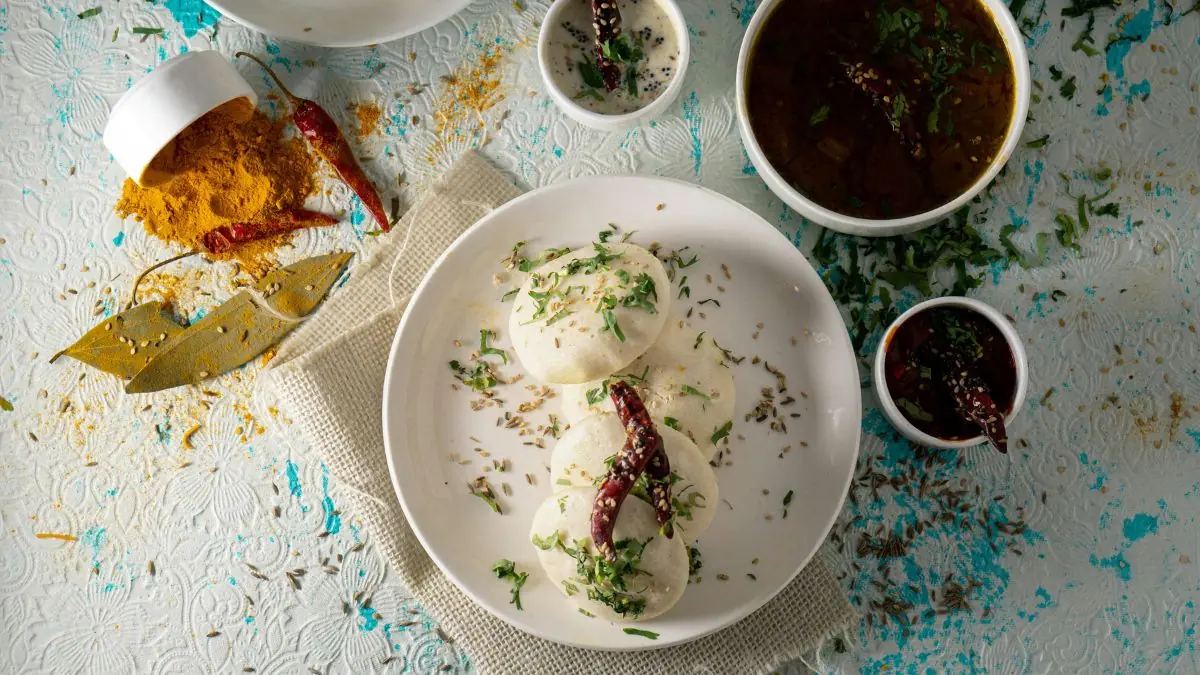
Despite all of its travels, what makes the idli truly Indian today is using rice with urad dal for making the fermented batter. This is a combination that improves the softness and fluffy texture of the idli, enhances the fermentation of the ground batter and makes idlis light and airy. The use of rice as the base for idli appears several centuries after the first mentions of the iddalige in Indian culinary cultures. This suggests that idli evolved into its current form gradually, over years and years of perfecting its fermentation process.
This effort undertaken to adapt the idli to southern Indian culinary worlds is perhaps what makes it such a distinctive part of the kitchens of this region. In fact, the rice to urad dal ratio was perfected in local southern Indian kitchens itself. Regional variations like rava idli or thatte idli were also developed as the dish proliferated across southern shores. Even the presence of idli in temple cultures, southern Indian tiffins and home kitchens became instrumental in making the idli a dish that shaped the culinary traditions of this region.
Today, idli as we know it remains enduringly Indian, loyally accompanied by delicious sambar and coconut chutney. But before it became such a stoic culinary marker of southern Indian cooking traditions, its journey is characterised by a fermentation concept that might have been influenced by southeastern Asian traditions, thousands of years ago. A product of cultural exchange, culinary innovation and imaginative cooking techniques, idli’s history is rich and old. When you next dip idli into steaming hot sambar or lather it in a vibrant, freshly made coconut chutney, you would know that this is a dish formed as a result of eons of evolving culinary transfers and sheer cooking wisdom.