Combat Anemia Naturally: Top 6 Iron-Rich Foods In Indian Cooking
Combat Anemia Naturally: Top 6 Iron-Rich Foods In Indian Cooking


Iron is one of the most essential minerals that a body needs to function healthily. Iron deficiency is serious business and an acute lack of iron in the body can cause disorders like anemia which induce a lot of weakness, fatigue and a general feeling of continuously being sick. The health-conscious caregiver in the family who looks after everyone’s nutrition can benefit from packing everyday meals with iron-rich foods which keep its levels robust and thriving.
For any health-conscious woman or caregiver in a family, one of the biggest priorities while cooking every day food is preparing those dishes which improve nutrition and all-round health of all the members of the household. Iron is one such element which is absolutely essential for the overall well-being of an individual. Anemia or other iron-deficiency related disorders can induce acute feelings of fatigue, weakness and tiredness. Reduced iron in the body can also weaken systems that promote good health, leaving one feeling perpetually sick. Eating foods that supply the body with a healthy amount of iron is one of the easiest ways to pump the mineral’s levels. The health-conscious caregiver focused on family nourishment can include certain foods in the daily diet cooking which are natural sources of iron to keep anemia at bay.
Amaranth Leaves Or Chaulai Saag
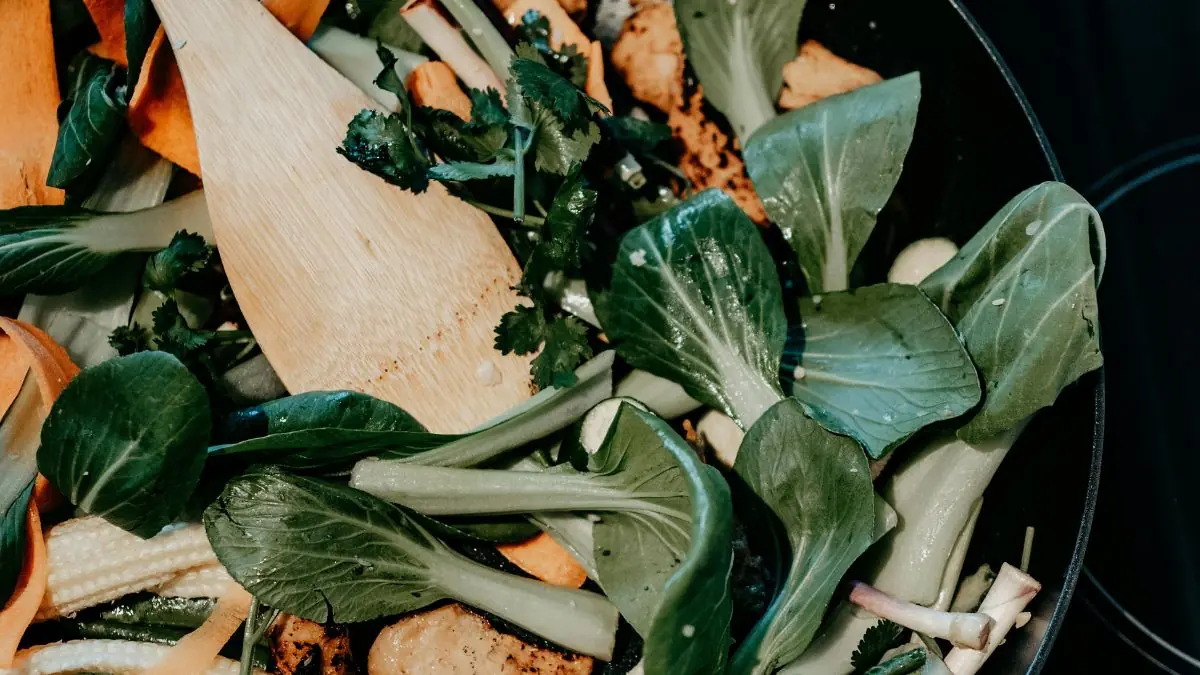
While all kinds of green leafy vegetables are touted to be good sources of iron and folic acid, one which stands out among them is amaranth. Its bright, green leaves are sheer powerhouses of this mineral. Amaranth thrives in warm climes extending from early spring to late summer. Its leaves can be used to prepare a simple saag or curry tempered in dried red chillies and some turmeric. Alternatively, the home cook can also add some amaranth leaves to a regular dal prepared at home. One of the easiest ways of introducing amaranth into the daily diet is in the form of a stir-fry. Prepare the stir-fry in a cast-iron kadai and serve it with wheat roti and seasonal dry chutneys. Squeeze some lime juice over the amaranth preparation for better iron absorption.
Garden Cress Seeds Or Haleem/Aliv Seeds
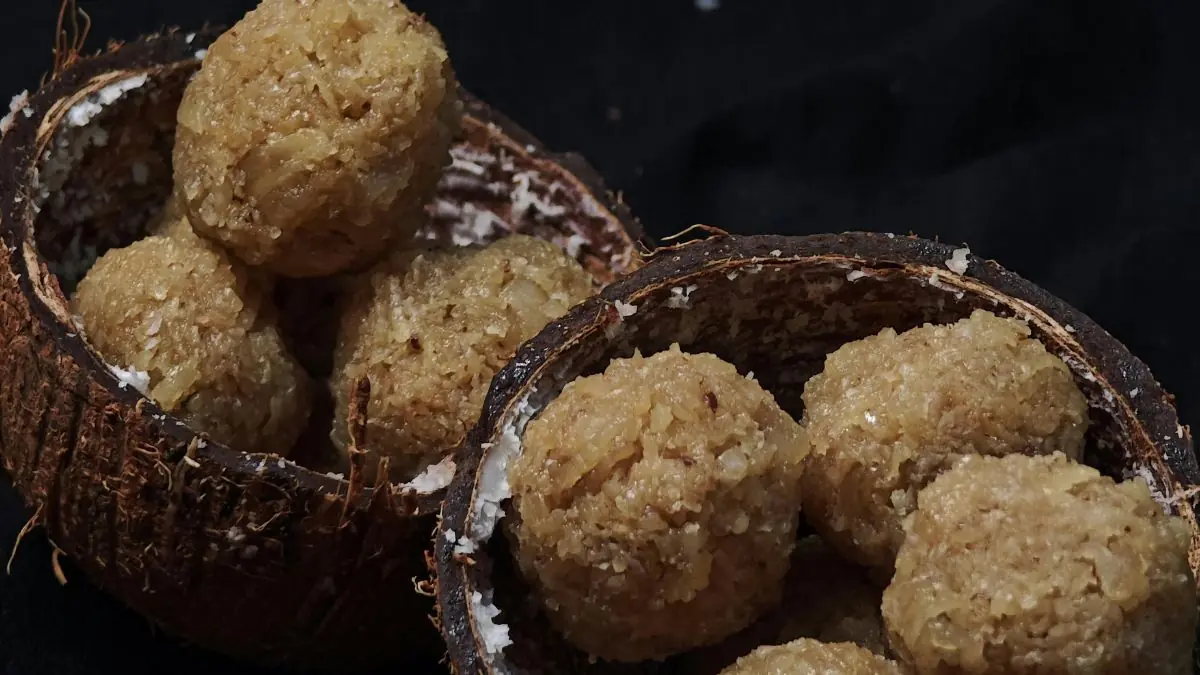
If there is one superfood within Indian cuisine that is yet to get its due as a rich source of iron, it is garden cress seeds. Known as haleem or aliv in native languages, these seeds are often used to prepare sweet ladoos in winter weather. Aliv seeds can be soaked overnight and added to milk for making a healthy smoothie the next morning. Prepare the smoothie in a mixer grinder to ensure that the aliv and milk integrate well. Alternatively, soaked, softened aliv can be mixed with freshly grated coconut and jaggery to prepare aliv ladoos. Rather rich and potent sources of iron, aliv ladoos are frequently recommended to post-partum women who run the risk of developing anemia after childbirth.
Sesame Seeds Or Til
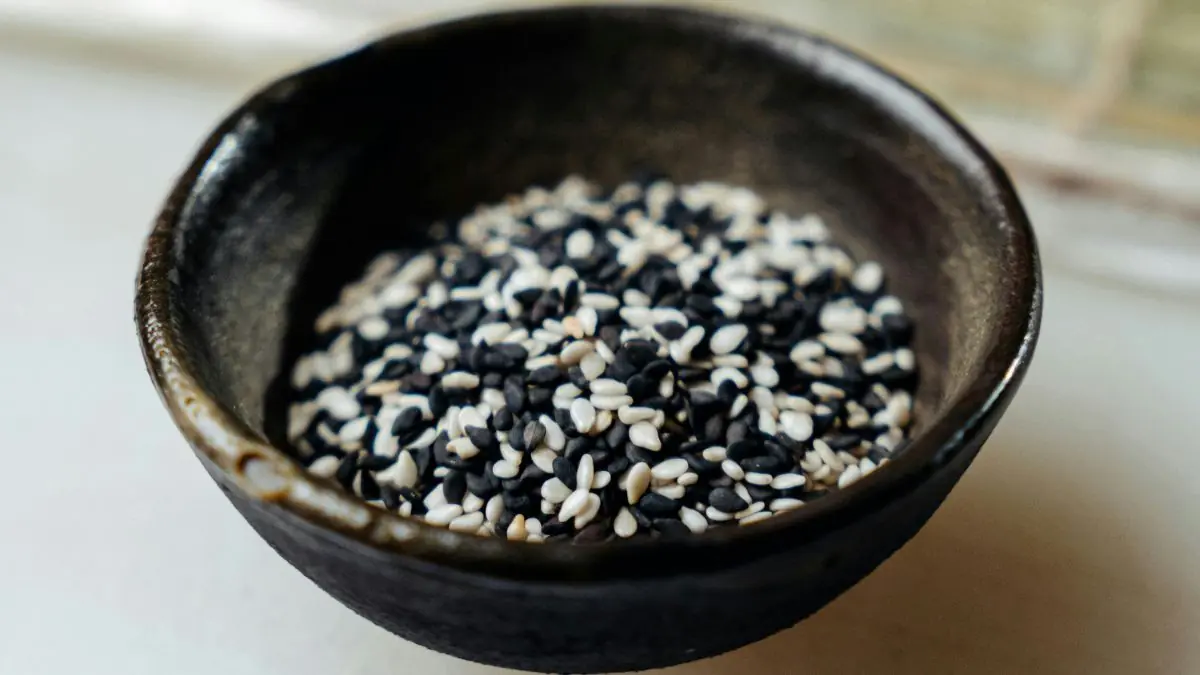
Since Indian cuisine comprises ingredients that are quite rich in minerals and micronutrients, it is no wonder that the iron-rich til or sesame is one such staple employed in the preparation of numerous sweet and savoury dishes alike. Commonly used for making chutneys, toasted sesame can be mixed with some red chilli powder and salt and crushed to a fine paste in the chutney jar of the mixer grinder to prepare this dry condiment. The chutney can be had with rice or it can be lathered onto a roti that is then folded into a roll. As well, sesame seeds make for aesthetic garnishes over salad recipes, they can accentuate tikkis shallow-fried in fry pans and can also be used to make sweet ladoos by mixing them with jaggery.
Black Chickpeas Or Kala Chana
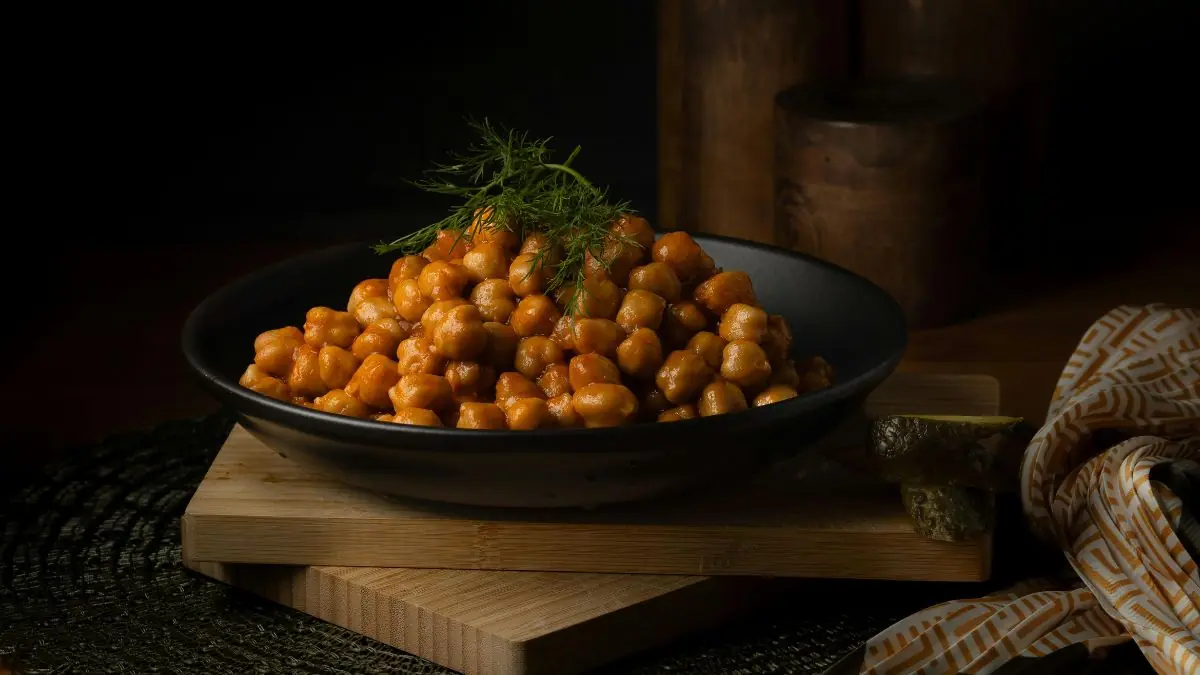
A regional, traditional superfood that is a staple in northern Indian culinary cultures, black chickpeas are rich in iron, protein and fibre. They can be cooked in the pressure cooker and turned into a regular sabzi. Or, they can be simmered in a spicy onion and tomato gravy to prepare a masala chana gravy. A black chickpea salad tossed with feta and tomatoes is another delicious way of incorporating this iron-rich ingredient into a dish beloved by the entire family. Pair the chickpeas with a sprinkle of amchur powder for an acidic finish.
Jaggery Or Gur
Unrefined jaggery or gur is used in several traditional Indian sweets. Interestingly, gur is not only a caramelised addition to desserts but it is also an excellent source of iron. Many experts recommend drinking gur-water first thing in the morning to increase iron levels and to boost digestion. Alternatively, a small cube of jaggery can be popped into the mouth after a hearty meal as a good iron source. Jaggery can be added to simple sweet treats like a sesame and jaggery barfi or a jaggery and aliv ladoo or a jaggery-infused kheer to make the most of its unrefined, raw iron content. Avoid jaggery as an iron source eaten via elaborate desserts and high-calorie sweets as this can reduce iron absorption.
Lentils
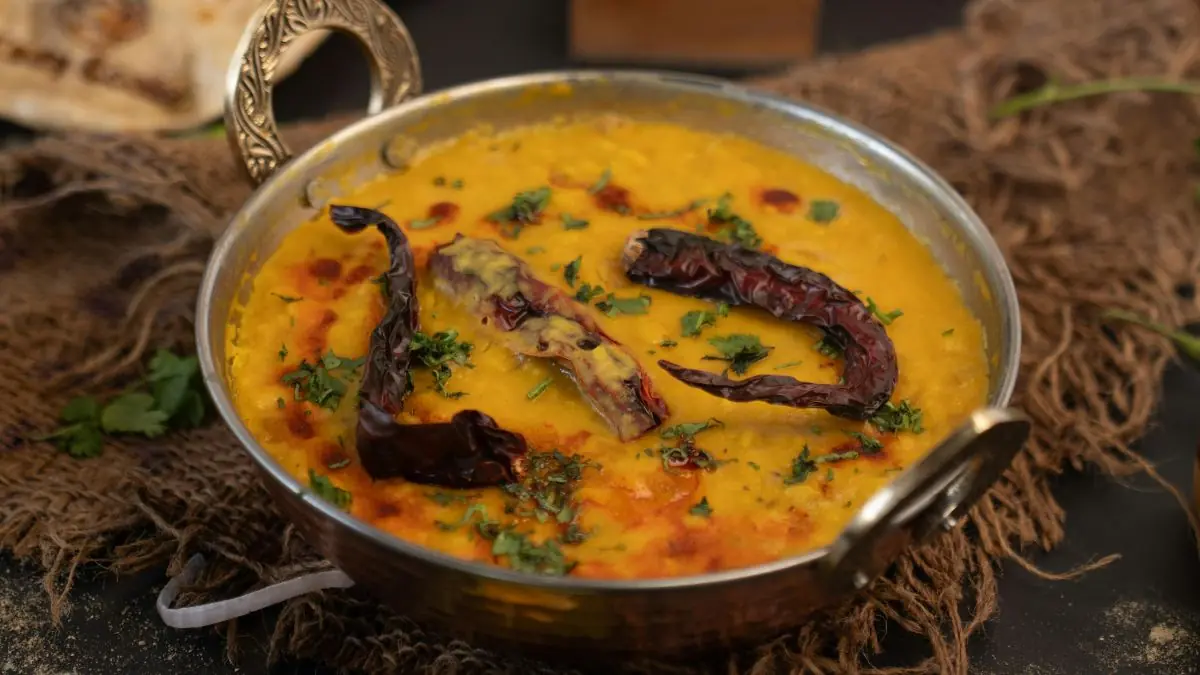
Masoor, moong and tur are among some of the more commonly found lentils within the repository of Indian cuisine. Not only are they rich sources of protein, but lentils also provide plant-based iron. Making them part of every day diet, whether it is in the form of dals or as stir-fried sabzis or even in salads made by stirring soaked lentils into chopped cucumbers, these are elements that can potentially increase iron levels in the body, getting rid of approaching iron deficiencies. Cook lentils with tomatoes and finish them off with a sprinkling of lime juice. Accompanying the lentils with acidic, tangy ingredients will ensure that most of the iron content is being absorbed and processed in the body.