A Food Lover’s Guide To Tamil Nadu: 6 Must-Try Traditional Dishes
A Food Lover’s Guide To Tamil Nadu: 6 Must-Try Traditional Dishes
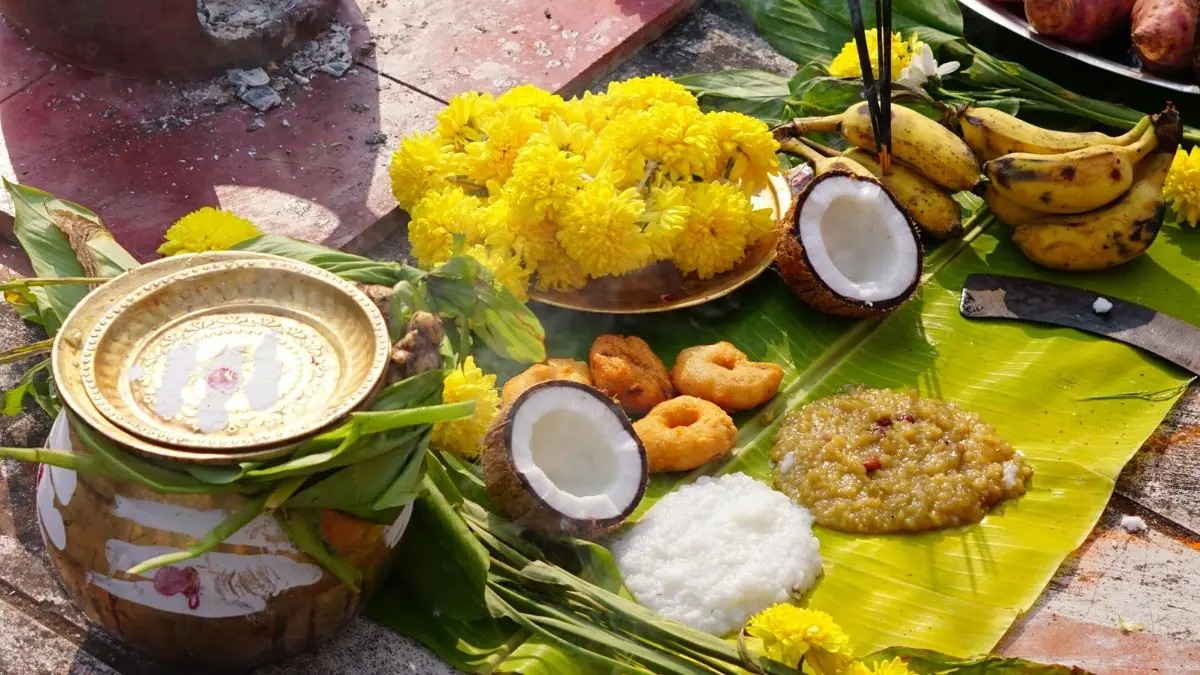


Deeply rooted in traditional mores, agrarian practices and temple cultures, the culinary practices of Tamil Nadu balance seasonal rhythms and flavour. Food in this cuisine is guided by the principles of taste and nutrition. Some dishes like pongal, paniyaram and lemon rice are among those delicacies which are must-haves for the foodie exploring authentic local flavours.
For a foodie who loves to travel, one of the singular pleasures of exploring a new town or a city is diving into the food cultures of that region. The cuisine, cooking methods and regional ingredients that make-up the local produce of a particular place speaks a lot about its traditions and cultural norms. Food is what unravels the everyday lives and rhythms, the rituals and customs which govern local lifestyles. Such is the case with several southern Indian states, including Tamil Nadu. Inspired greatly by traditional practices and agrarian patterns, Tamil Nadu’s cuisine is an ode to seasonal rhythms, great flavour and wholesome nutrition. Authentic local flavours come through the traditional dishes of Tamil Nadu which can be explored by the travel-inspired foodie who actually wants to know more about the food cultures of this region.
Idli, Dosa, Sambar Or Rasam As Everyday Breakfasts
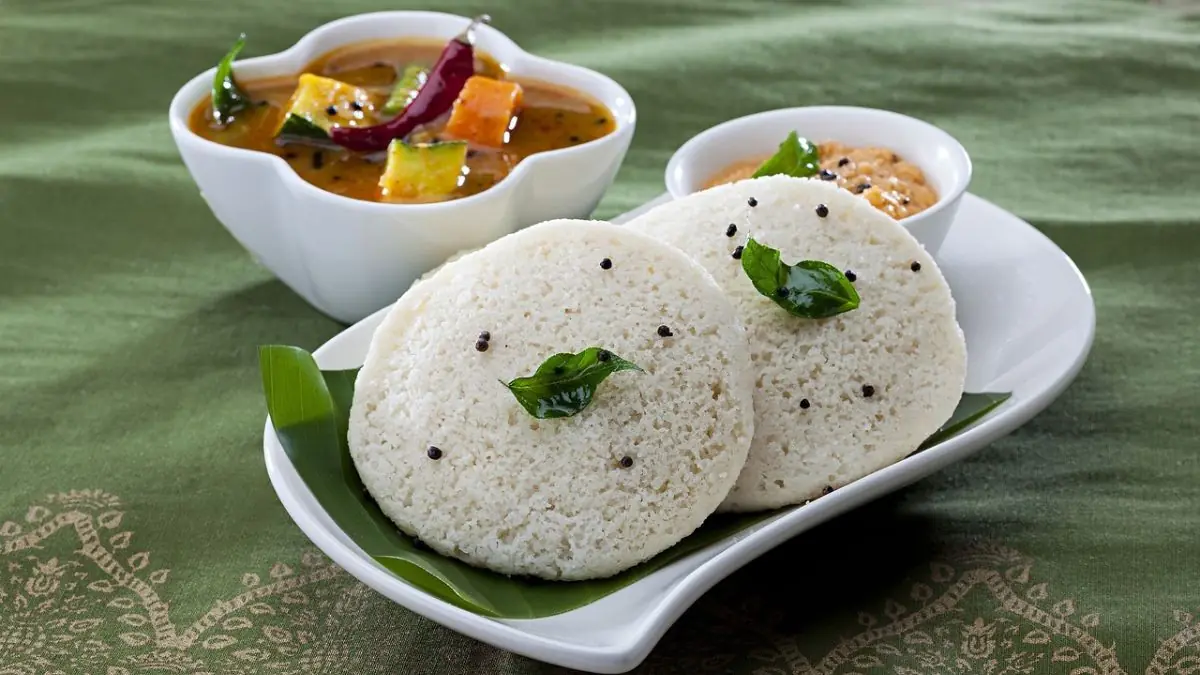
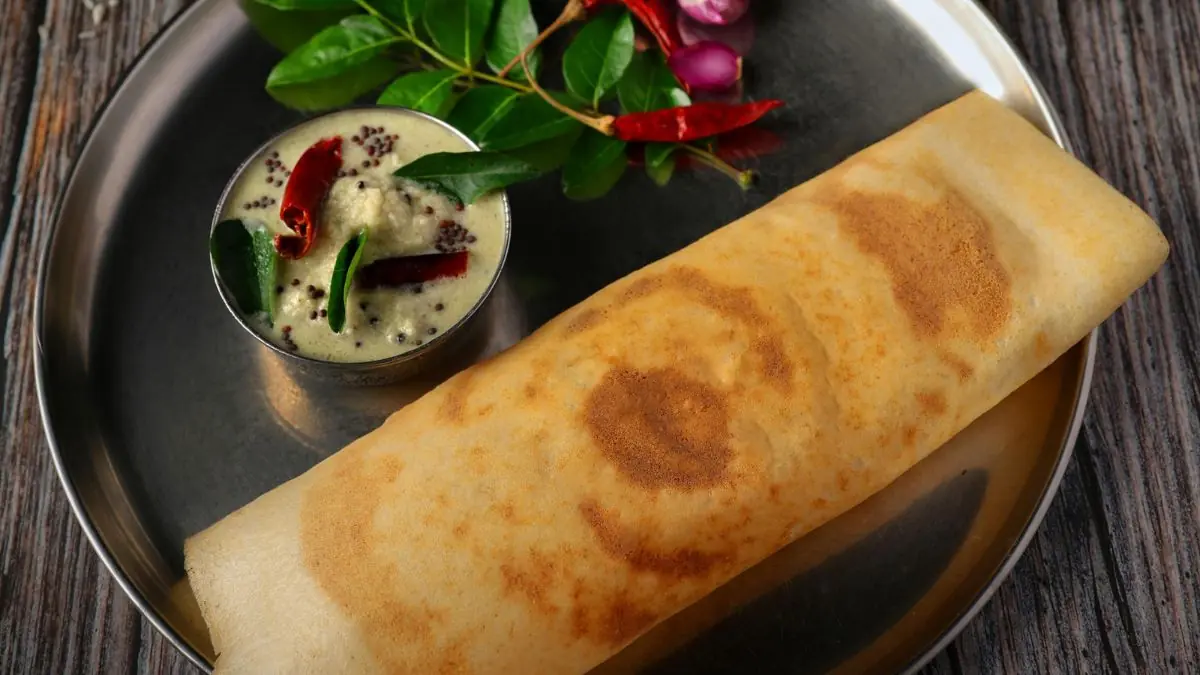
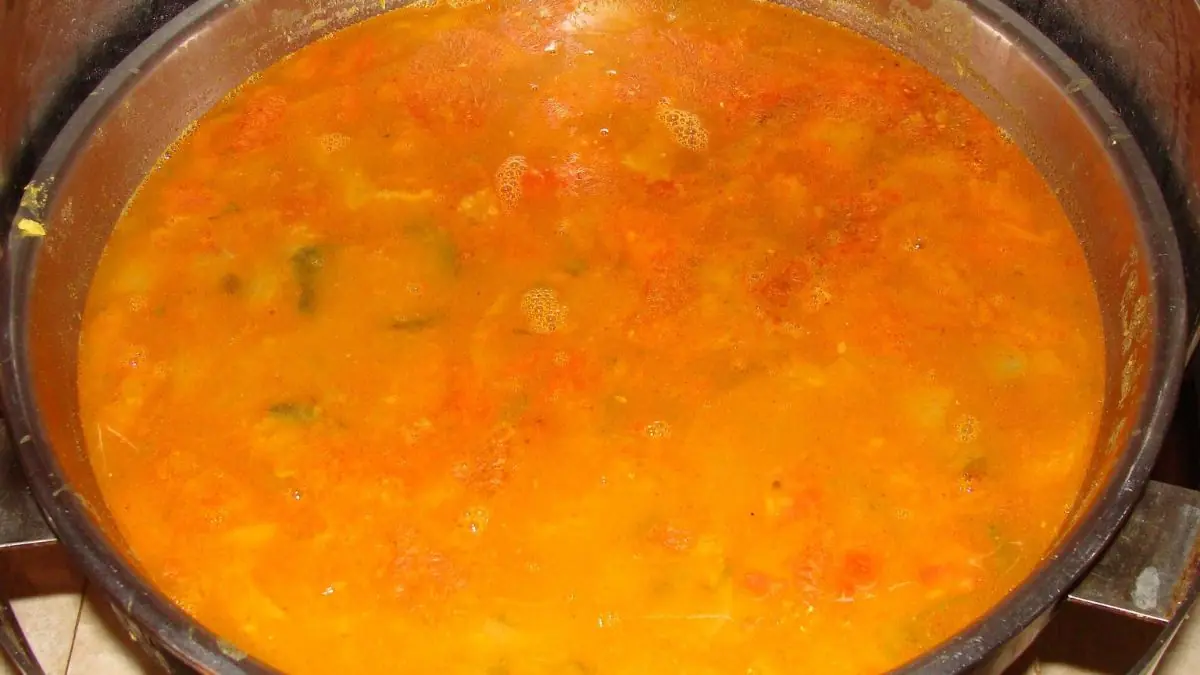
Whether you are close to the coast or far away from it, in Tamil Nadu, fermented classics like idli and dosa reign supreme as breakfast favourites. They are generally accompanied by an aromatic sambar, simmering in a kadai in a tempering of curry leaves, red chillies and assorted spices. Tangy rasam is also prepared in the mornings, either as an accompaniment with breakfast or with rice, served at lunchtime. Coconut chutney is also an inseparable part of this breakfast fare. Freshly grated coconut can be crushed in the mixer grinder and flavoured with green chillies, salt, cumin and other seasonings to prepare a simple but vibrant chutney that goes well with the idli cooked in an idli steamer or dosa freshly made on the tawa. These gut-friendly dishes showcase the fermentation mastery and subtle, airy flavours in Tamil Nadu’s cuisine.
Pongal As Comfort Food
If there was one classic Tamil Nadu recipe which makes for sheer comfort food, it is both the variations of this warm rice dish: the sweet and savoury pongal. A mixture of rice and lentils is tossed in a kadai with pepper, ginger, cumin, curry leaves and ghee to make the savoury version of this classic. It is the spiciness of the ground pepper which adds that attractive flavour into the pongal making it so delicious despite the limited ingredients used in its making. For its part, sweet pongal is prepared with jaggery and seasoned with cardamom as a delicacy served at a special occasion. Mild, soothing and deeply satisfying, pongal is prepared all year round, but is a staple during the harvest festival, known by the same name.
Spicy Chettinad Chicken
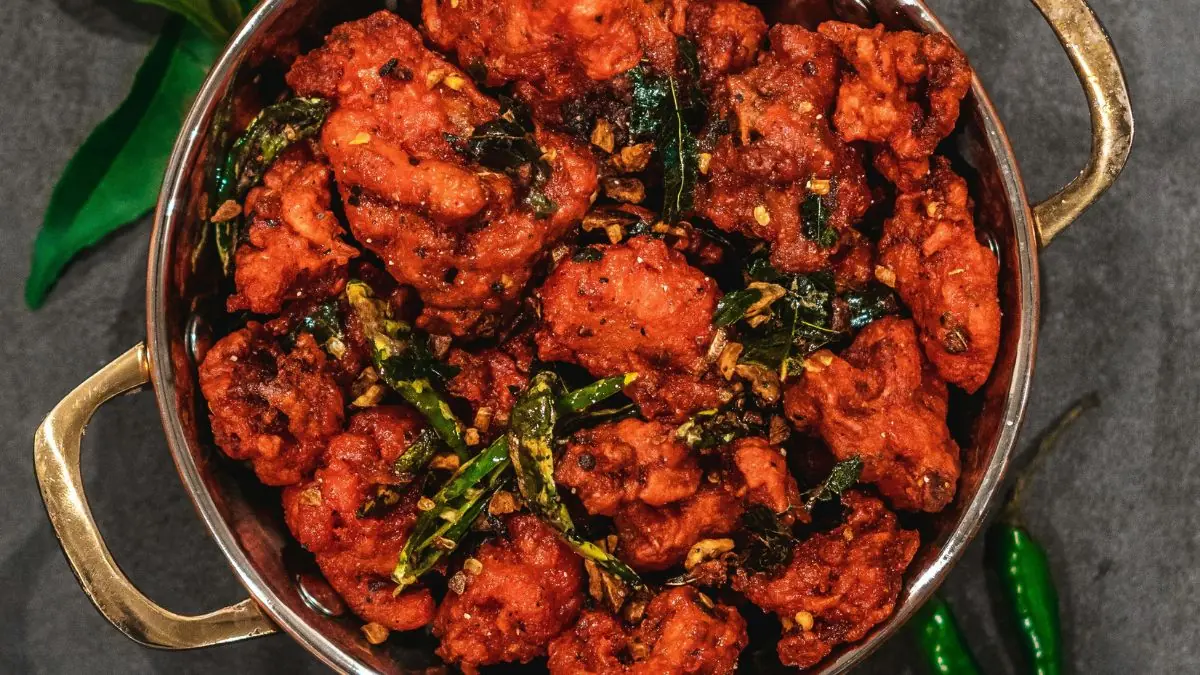
From the Chettinad provinces of Tamil Nadu comes a masala that coats chicken in rather bold, spicy and vibrant flavours. Chettinad chicken, as the name suggests, epitomises the local flair of this region. For the foodie traveller, a dive into this dish is basically like taking a tour of the opulent heritage and cultural richness of this region. The flavours of freshly ground spices, the heat of black pepper and the rather pronounced thickness of the masala are what make Chettinad chicken such a standout dish. In fact, another reason Chettinad chicken is known within Tamil cuisine is because it is one of those recipes which develops complex spicy flavours without relying on coconuts.
Paniyaram, The Tiffin Favourite
Another fermented delight that makes for a delicious small-bite to carry in the tiffin, paniyaram is nothing but crispy yet soft dumplings made from leftover idli or dosa batter. An exercise in zero-waste cooking, making paniyaram the day after you prepare a fresh batch of dosas ensures that all the fermented batter is used and nothing winds up being discarded. Paniyaram can be accompanied by ghee and podi or even a freshly-made coconut chutney. Now, paniyarams have proliferated across different Indian regions. Everywhere, they are made in a special pan, which carries round moulds akin to a muffin tray. Batter is released into these moulds to prepare the dumplings that are favoured by children and adults alike.
Lemon Rice
As a traveller and food explorer rolled into one, if you are looking for that one dish which epitomises the ritualistic practices and traditions that govern culinary cultures in Tamil Nadu, it is lemon rice. Fresh and zesty, lemon rice is often prepared as an offering during a festival or as a lunchbox staple. Freshly cooked rice is tossed in a tempering of mustard, curry leaves and peanuts. What brings an acidic tang into the lemon rice is of course a generous sprinkling of fresh lemon juice. In summers, raw mangoes are diced into fine chunks and added to the lemon rice recipe to lend it a bit more of that lipsmacking sourness and acidity. Other rice variations like tamarind rice or coconut rice are also among some classics inherent to Tamil Nadu’s staple culinary fare.
Curd Rice
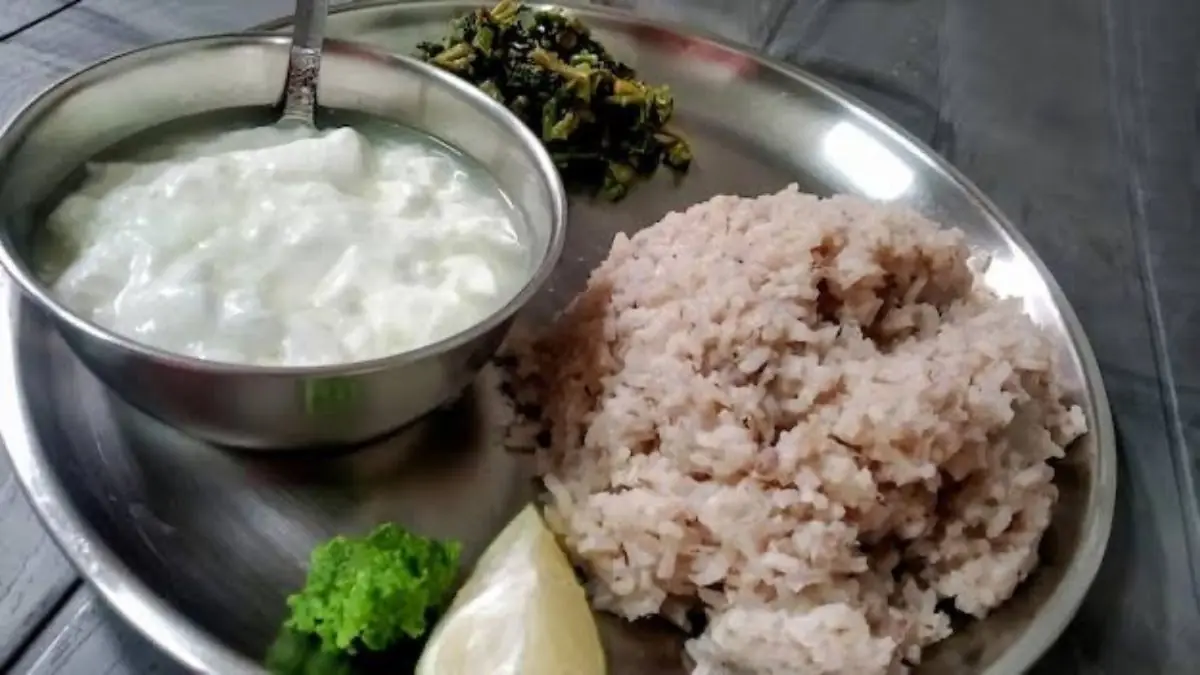
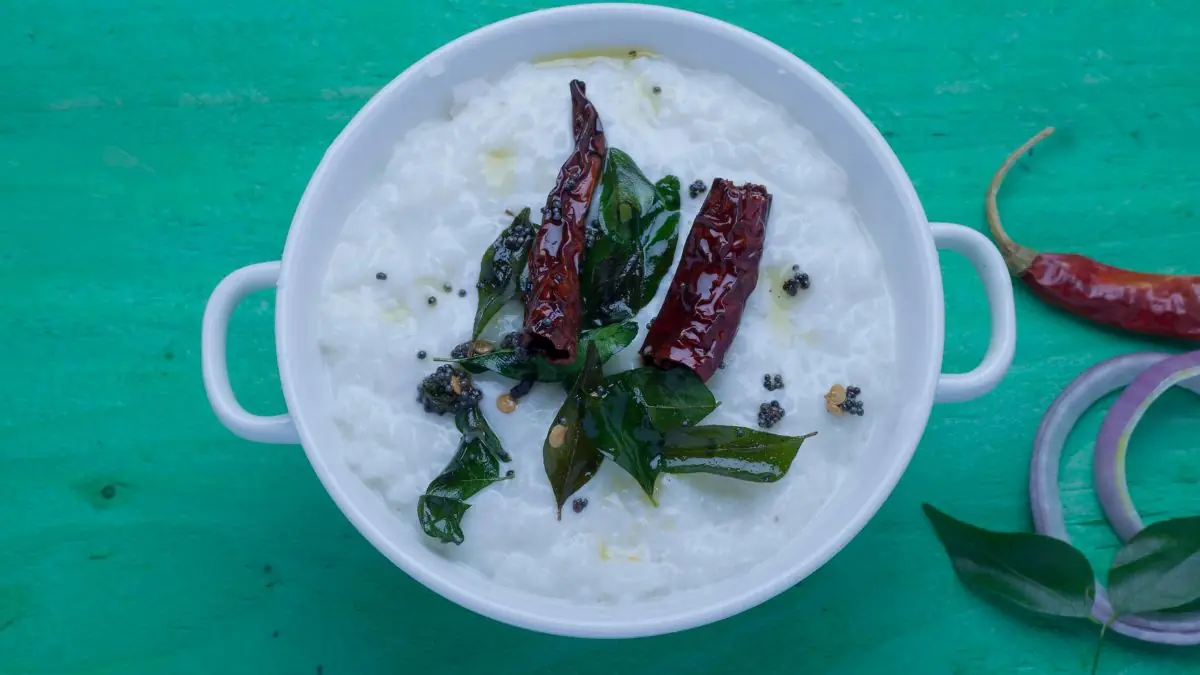
Ask a local from Tamil Nadu what they generally close their meal with and without skipping a heartbeat, they’d reply, curd rice! That’s because the cooling properties of freshly fermented curd and the soft, soothing textures of rice come together in a generous blend that feels like the perfect finisher to a wholesome meal. Often enough, curd rice is seasoned with a tempering of mustard, stuffed dried chillies, curry leaves and a pomegranate garnish. These elements build into the dish’s vibrant, cooling freshness. While the tempering adds a mildly spicy flavour into the curd rice, the pomegranates adorning it introduce a light sweetness and tang, which further elevates the flavour layers in the recipe. Simple and staple, Tamil cuisine is indeed incomplete without the curd rice finish.