The Right Way To Store Paneer So It Never Turns Rubbery
The Right Way To Store Paneer So It Never Turns Rubbery
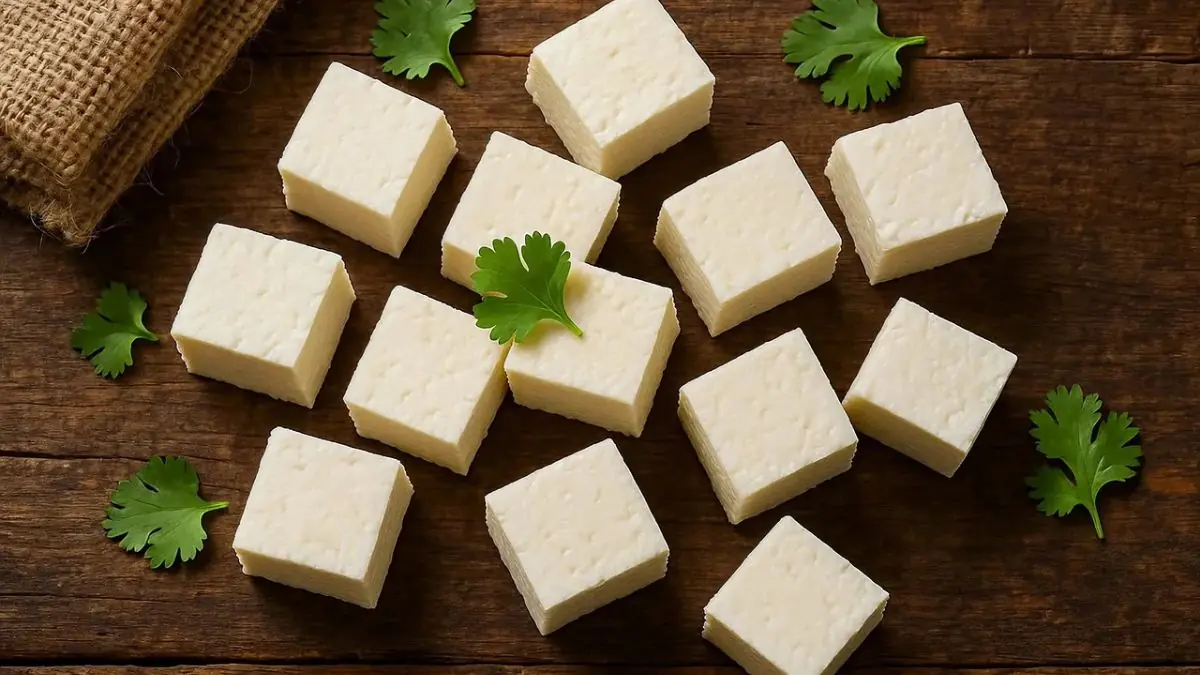


For working parents, infusing the right amount of protein in quick, everyday home cooked meals comes from multiple sources. One of them is paneer. An easy-to-make paneer bhurji or stir fry recipe at once becomes a delicious and healthy lunchtime affair. Yet, storing leftover paneer is a constant concern, in order that it stays fresh longer and never turns rubbery.
One of the biggest concerns for working parents insistent on investing in home cooked, nourishing meals is dealing with the leftovers. Protein-rich ingredients such as paneer often make it into the meal plans of parents planning repasts diligently for the entire family. Yet, the right way to store paneer to prevent it from turning rubbery seems to elude many, because storing paneer requires just a little bit of knack. If it is stored by itself in the fridge, it can turn yellow at the edges, harden considerably and lose out on its flavour. Such paneer when used to make a stir fry will become rubbery and chewy, and quite difficult to consume. That’s why storing paneer right is an essential aspect of a home kitchen, especially when parents prepare large batches of this protein to be used across a smattering of meals throughout the week.
Why Does Paneer Turn Rubbery?
Before diving into the steps required to store paneer right, it is essential to examine why it turns rubbery in the first place. One of the primary reasons for this is a lack of moisture. Freshly made paneer at home in a large saucepan or handi is watery and creamy, meaning it contains a lot of moisture content. Since it is a type of fresh cheese, it loses out on much of its flair when it dries out. This happens upon incorrect storage or too much exposure to air. Reduced moisture turns paneer into a rubbery, hardened block.
Another possible reason that paneer turns chewy could be temperature shock. If the soft cheese experiences a sudden shift in mercury, such that fresh, warm paneer is directly tossed into the cold fridge, proteins tighten in the paneer leading to a rubbery effect. As well, when paneer is stored without the protection of moisture in the freezer, it can become spongy or crumbly when it is thawed for use later on. This type of paneer cannot be chopped into cubes, and thus loses out on much of its structural integrity.
It is also essential to pay attention to paneer’s contact with air. Too much exposure or direct contact with external air can oxidise the paneer, evaporate its moisture content and turn the paneer hard and sour. This makes it difficult to cut paneer, even using a regular kitchen knife.

How To Store Homemade Or Store Bought Paneer
Considering these factors, there are some easy hacks to store leftover paneer, thereby retaining its freshness and flavour for later use.
The handiest hack is to place paneer in a bed of water. This ensures that the moisture content of the paneer remains intact. Submerged in water, the risk of dehydrating the paneer is limited quite a bit, so that a block of paneer stays fresh for at least two to three days when kept in the fridge. Change the water every day to maintain lasting freshness.
Working parents with little time on their hands can cut large blocks of paneer into smaller cubes using a utility knife and store them in water before refrigeration. They can be thawed and instantly added to stir frys or sabzis without the need to chop them again.

Storing Paneer Without Water
Small quantities of fresh paneer that will be used immediately within a day can be stored without water. However, to do so, wrap the leftover paneer in a wet muslin cloth and place it in an airtight container. This will ensure that the paneer stays soft and damp. It can then be produced the next day to make a stuffed paneer paratha or paneer bhurji.
Avoid wrapping the paneer in plastic or clingfoil wrap alone. This can trap the condensation beads inside leading to increased sourness in the protein. Store the paneer in the regular fridge, not the freezer, on a stable shelf or rack so it stays firm without jostling, as can happen when containers are stored in the side stacks of regular refrigerators.
Storing Paneer For Longer Than A Week
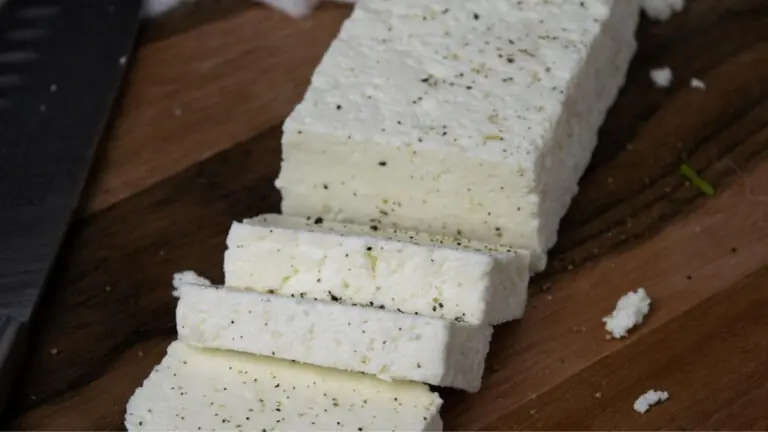
To store paneer for a long duration, it needs to be placed in the freezer or the chiller. This will trap moisture in the paneer across a longer length of time, keeping its flavours and texture intact. For such lengthy storage, cut leftover paneer into large cubes or slabs. Now, blanch it gently in hot water for a couple of minutes. Pat the paneer dry and place it in an airtight freezer-safe container or zip-lock bag. Now, store it in the freezer.
To use this paneer, transfer the frozen version from the freezer to the regular fridge a night before. This will thaw the paneer without shocking it. Bring it out for use the next morning. Soak in salt water for a few minutes before cooking the paneer to restore its soft texture. Never thaw the paneer at room temperature as this increases the chances of ruining its texture, making it rubbery.
Storing Cooked Paneer Dishes
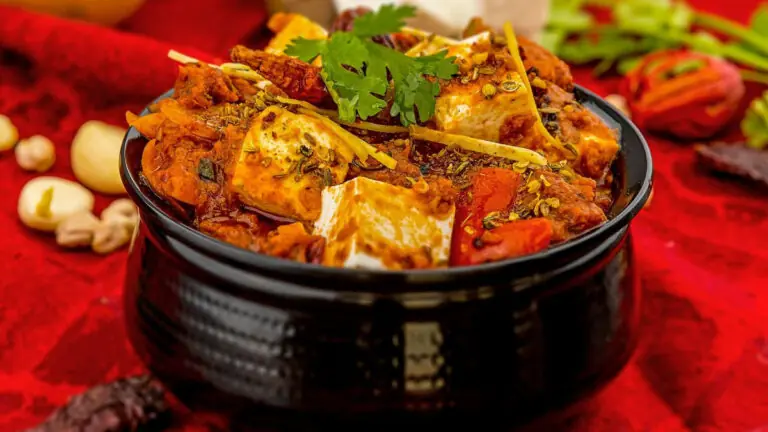
Lastly, it is imperative to consider how paneer behaves when cooked. While storing paneer dishes such as tikkas, bhurji or stir frys, place them in airtight containers and refrigerate within 2 hours of cooking. Consume the leftovers in 24 hours otherwise the cooked paneer can start to turn dry and rubbery amidst a lack of moisture.
For their part, gravies can be slightly tricker to store. Cool recipes such as paneer butter masala or palak paneer completely before storing them in the fridge. Transfer them into steel or glass containers and repurpose or finish them off within a day or two. If possible, store the paneer and gravy separately and combine them while reheating. Paneer stored separately can be moistened with a splash of water to retain its softness. The oil and butter content in the gravies can on occasion harden the paneer.
Simple, easy-to-follow and quick storage hacks can thus turn maintaining and looking after fresh paneer into a straightforward activity so the protein remains available in the fridge for cooking or repurposing quick meals on working days.