6 Essential Indian Cuisine Dishes That Define The Nation’s Food Heritage
6 Essential Indian Cuisine Dishes That Define The Nation’s Food Heritage


Indian food is a complex tapestry of vibrant colours, bright and bold flavours and lots of regional nuances. There’s no one dish that can define Indian cuisine, rather several ingredients and flavours become a unified whole which can best be described as the food culture of this vast region. There remain some gems among these dishes which are deeply rooted in the nation’s food heritage.
Diverse culinary concoctions make up the vast tapestry that is referred to as Indian cuisine. There is no one dish, or one particular curry, that sums up Indian culinary cultures. Rather this cuisine is an amalgamation of many different culinary legacies and heritages coming together to produce wonderful dishes which brim with the robust flavours and vibrant colours that define Indian culinary spaces. Some of these recipes within Indian cuisine are classics that define the nation’s food heritage. These can be prepared and invoked in the kitchen by the home chef eager to dive deep into Indian cooking cultures.
Khichadi
One of the most comforting rice dishes that is prepared in many different forms across Indian kitchens is khichadi. This coming together of rice and dal in one pressure cooker is often described as India’s soul food, and is known for its comforting and nourishing properties. A simple khichadi is the perfect meal to prepare on a warm winter night or as a dinner dish that can soothe the stomach after having had too big a lunch. What’s interesting is that khichadi is a dish without barriers or boundaries. It appears everywhere, from the kitchen at home to an Indian restaurant. And in each space, the warm flavours of khichadi provide comfort and cosiness.
Dosa
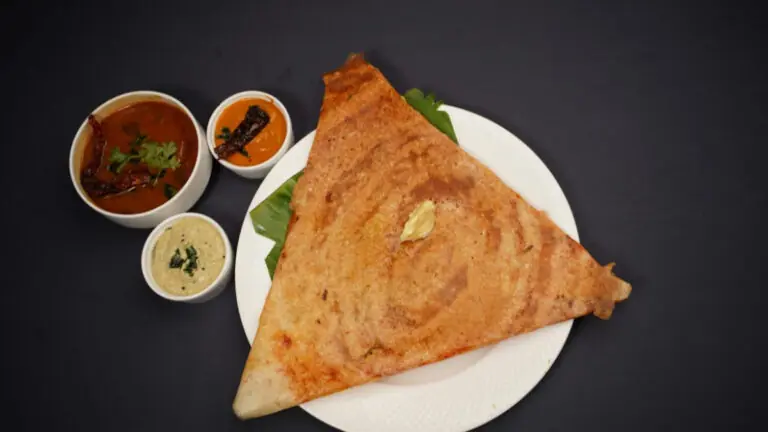
Another gem within Indian cuisine that really epitomises its culinary heritage is the dosa. Any home chef worth their salt must learn to master the perfect dosa to become an expert at Indian preparations rooted in traditional cultures. Of varied types, the dosa is basically fermented rice batter that is lathered onto a pan to make soft pancakes with a subtle flavour. While some dosas like the benne dosa are prepared by lathering hand-churned white butter onto them, others are so thin that they are referred to as paper dosas. This southern Indian recipe is a masterclass in fermentation, and carries a rich culinary legacy that is prevalent everywhere from places of cultural significance to restaurants to street food stalls.
Biryani
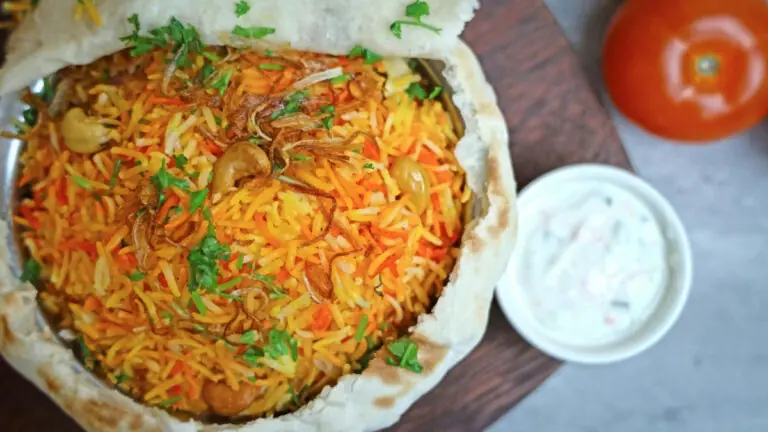
Many different types of this fragrant, utterly flavourful, spicy and bright dish abound across Indian regions. Biryani, in all its masala-infused glory, is a layered rice dish featuring succulent pieces of meat or chicken cooked in diverse spices. Every region has its own way of preparing the biryani. While Hyderabadi cuisine involves the dum technique, that of sealing the biryani to slow-cook the meat, the Lucknowi or Awadhi biryani is characterised by the yakhni, a style of cooking the meat separately, often in a subtly flavoured gravy or a pleasantly flavoured broth. The Kolkata style of making biryani is all about adding boiled potatoes to rice and meat, and the Malabar biryani is many times cooked in a green masala. Whichever type of biryani a home cook might choose, one can be sure that it has its origins in cultures with rich culinary legacies.
Dal Tadka
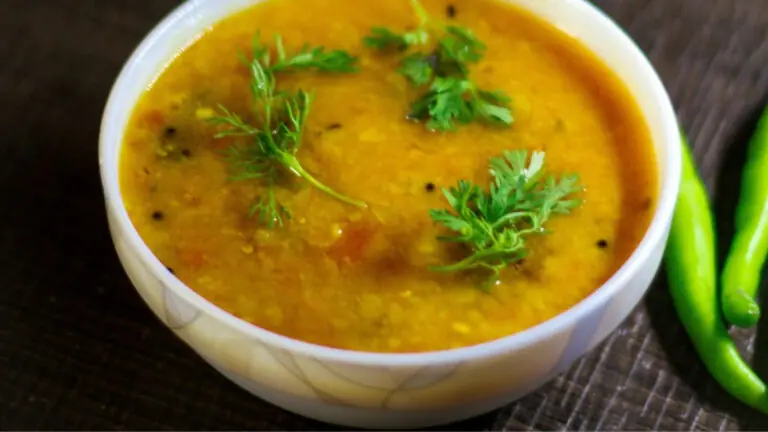
An accompaniment with steamed rice, dal tadka, or lentils tempered in a mix of mustard, turmeric, hing, curry leaves, red chillies, and some onions and tomatoes is a mouthwatering dish that stands out for its comforting quality. Dal tadka and rice is prepared across many homes almost every day, since tur or moong dal is one of the staple ingredients in an Indian kitchen. Preparing a simple but warm bowl of dal tadka in a kadai is as straightforward as it is nourishing. The dal and rice meal can be accentuated by a side of pickle and raita, to prepare a comfortingly warm, quick and light dinner after a long day.
Fish Curry And Rice
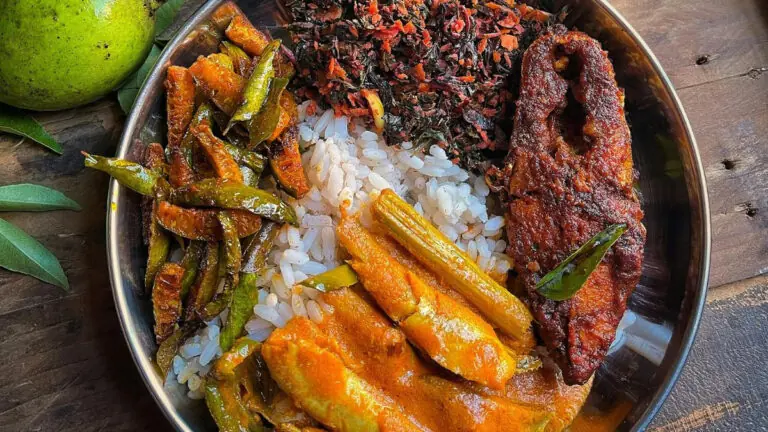
The Indian territory enjoys a long coastline, where each coastal belt features culinary delicacies attuned to the seasonal ingredients and produce available in that part of the country. Fish curry and rice is one such staple, heritage recipe that emerges from coastal India, yet the ways of preparing this dish are as diverse as the myriad coastal cultures. From West Bengal to Kerala to Goa, different types of fish curry and rice variations can be prepared that derive their flavours from local masalas. One undergirding ingredient in all these recipes is the coconut, which is available in plenty along the sea coast. A milky, creamy flavour is often associated with the fish curries infused as they are with the rich coconut milk found in abundance in these regions. Quietly delicious and layered with vibrant flavours, the classic fish curry is a continued reminder of the coastal culinary cultures so crucial to the Indian subcontinent.
Roti Or Wheat Flatbread
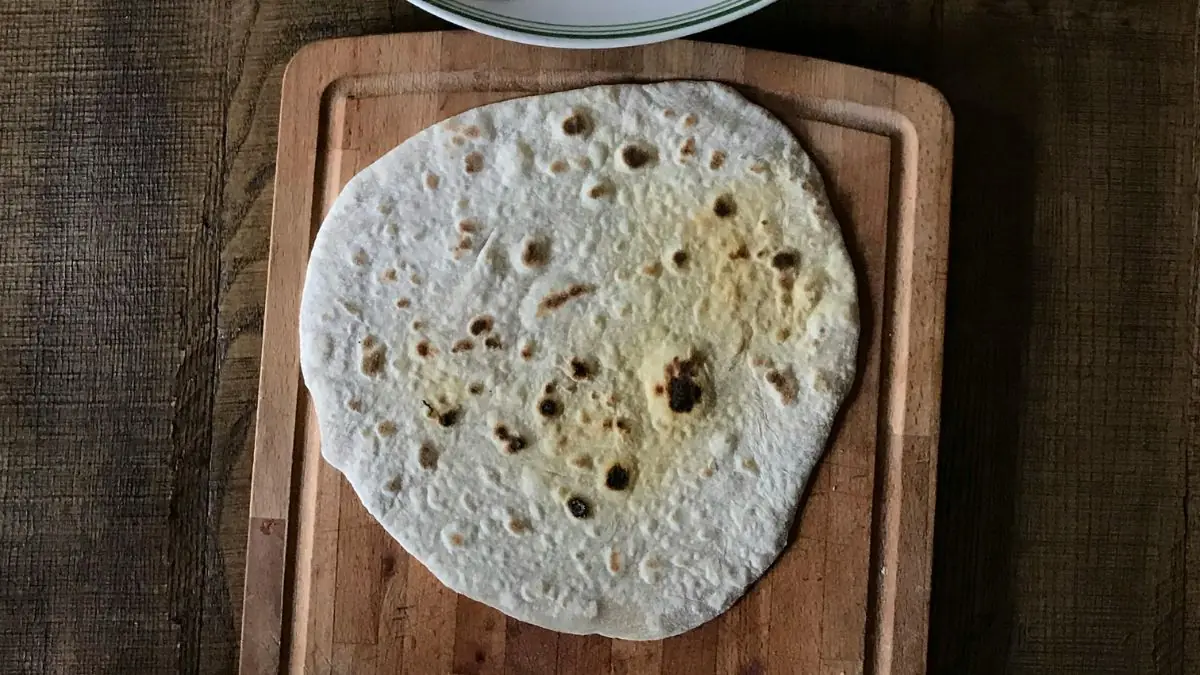
What accompanies rich curries, gravies and other sabzis in everyday Indian cooking are rotis or wheat flatbreads. Made either as conventional rotis or as phulkas, these flatbreads are the primary accompaniment that pairs with all kinds of gravies and vegetables cooked across different seasons. Nearly every Indian kitchen has a separate tin of atta or wheat flour that is kneaded almost daily to roll out round flatbreads. From lunchboxes to warm roti-sabzis served at home to chapatis that are available in restaurants, these wheat flatbreads are everywhere. Their essential presence in the Indian diet make rotis a part of the nation’s culinary heritage, that every home chef interested in cooking culturally-rich dishes ought to master. What makes the flatbreads so special is that while very subtly flavoured themselves, they actually manage to highlight the taste and textural nuance of the vegetables, curries and lentils paired with them.