6 Long-Lost Indian Sweets You Need To Taste At Least Once
6 Long-Lost Indian Sweets You Need To Taste At Least Once


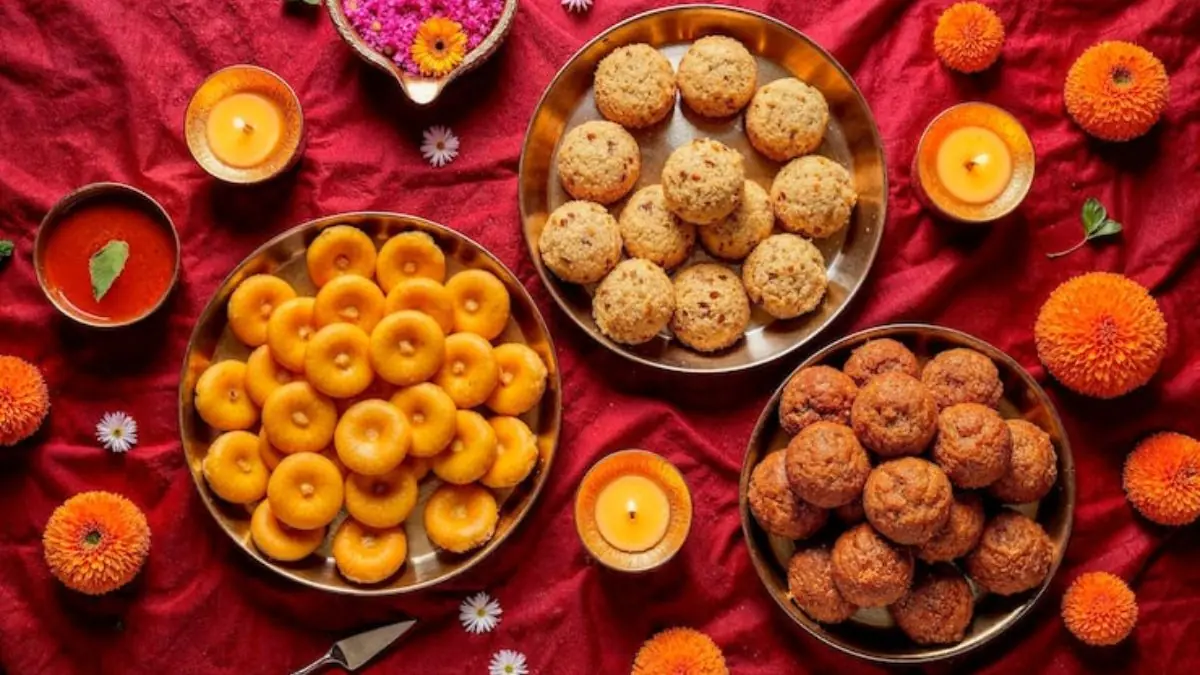
With the festive season around the corner, it is a great opportunity for the gastronome to taste different types of sweet treats and desserts that elude them in their daily lives. Long-lost Indian sweets are some of these delicacies which the culinary enthusiast, fond of a little nostalgia, a little history, must add to their roster this celebratory season.
A culinary enthusiast and expert who likes to cook and taste heirloom recipes is the one who would seek out some long-lost sweet treats to mark the festive season. Within Indian culinary cultures, there are a lot of these rare, lesser-known desserts that are delicious and rich, yet which have now been rendered slightly obsolete. It is up to the gastronome, who likes a little bit of nostalgia with their food, to revive these sweets from their slumber and place them centre stage at a celebratory feast. These Indian sweets are among some treasures that a bonafide culinary aficionado and home cook must try at least once this festive season.
Kharvas / Junnu
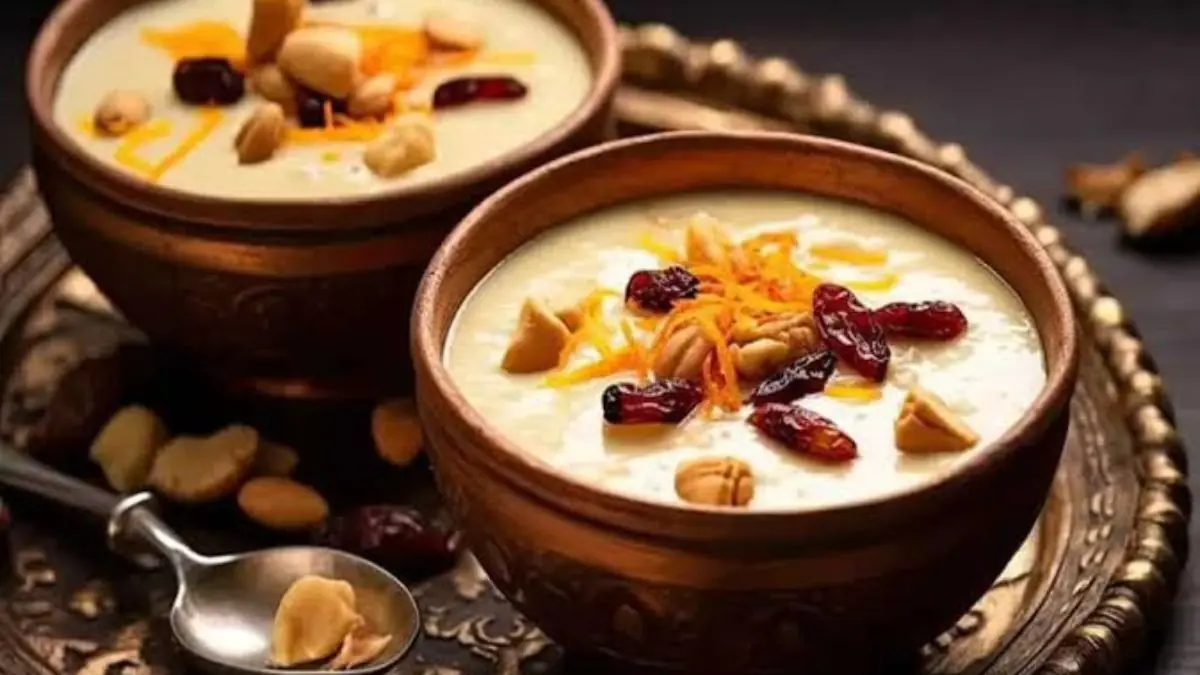
Soft, custard-like and sweet all on its own, kharvas is a delicacy with origins in western and southern Indian culinary cultures. Kharvas is a naturally sweet treat, that is, very little or absolutely no sugar is necessary to make this dessert. Just an ounce of powdered jaggery is enough to sweeten this dish, made from colostrum milk. Because the milk used to make the kharvas is available only briefly upon calving, it is also highly seasonal and therefore a very hard-to-procure sweet dish. However, carving into a piece of kharvas, to pop this melting, soft treat in the mouth, garnished with saffron and cardamom is an experience that would take one down memory lane, into an age when naturally-made kharvas was served with lunch.
Ashok Chaler Payesh
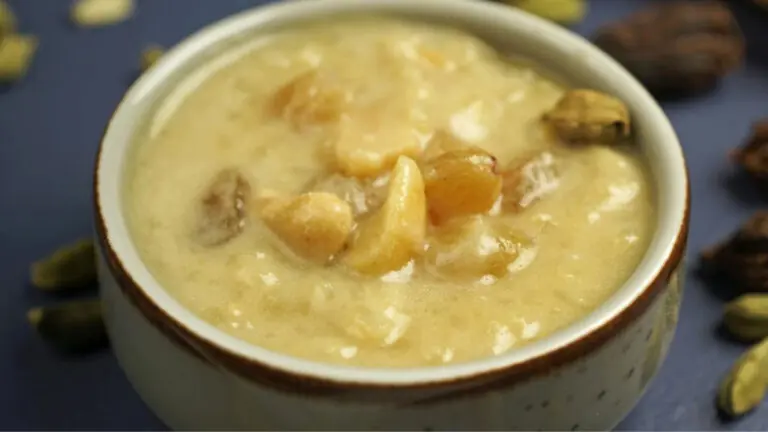
With origins in Bengali cuisine, this is a kheer or rice porridge made by mixing together broken rice, milk and jaggery in a pan. The dessert is a winter staple so it can be prepared during the festive period that falls in this season to be served warm as a comforting, afternoon sweet treat. This naturally creamy, sweet and utterly sumptuous kheer has been a staple dessert prepared to mark festivals and festivities for generations. The payesh can be garnished with grated dried fruits and some cardamom for a luxurious finish. What makes the kheer stand out is the addition of jaggery that caramelises beautifully when cooked with the broken rice to deliver a deeply sweet and complex flavour which is absent in so many other porridges prepared otherwise.
Kopra Pak
Made using dried coconut and milk stirred into a kadai, seasoned with aromatic cardamom, the kopra pak or coconut barfi of Gujarati cuisine is a dense sweet treat traditionally prepared during the festive season. The coconut fudge is especially known for its deep and dense flavours that are derived from a mixture of grated coconut and a splash of condensed milk often added to thicken the sweet treat. With the entry of lighter sweets and their ready commercial availability, kopra pak is witnessing a gradual decline in culinary spaces. However, for the true aficionado fond of tasting dense and rich sweet treats, kopra pak can be the go-to serve during the festive season. It is appropriately luxe and creamy, suitable for celebratory gatherings.
Arisa Pitha
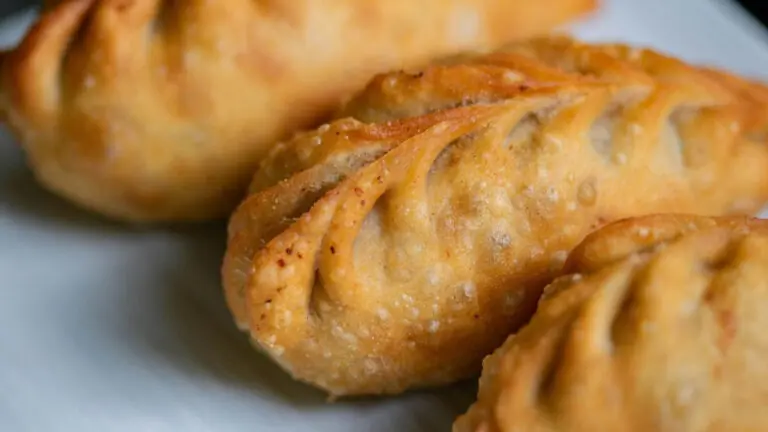
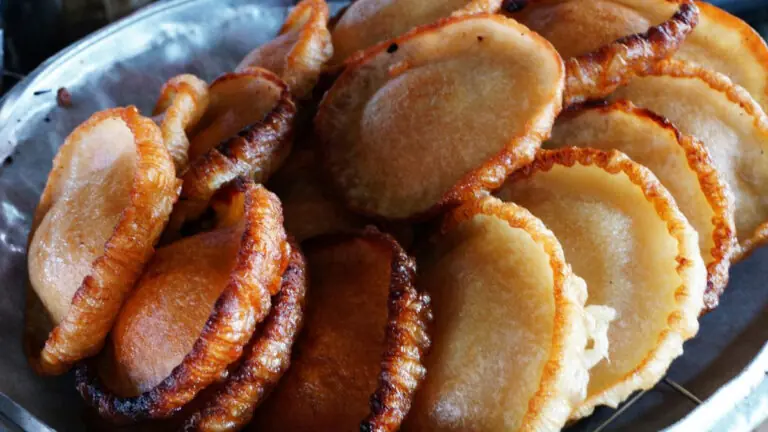
From the kitchens of Odisha comes the arisa pitha, an heirloom recipe that revels in the comforting goodness of rice and jaggery brought together in a warm, fried dessert. Arisa pitha is nothing but rice flour dumplings that are stuffed with a coconut and jaggery filling and deep-fried in a heavy-bottomed kadai until crisp and golden brown. These are also among some favoured festive treats: layers of arisa pitha are piled onto a platter when festivities are under way, and are gorged upon to enjoy their gooey sweetness and light crunch. In fact, variations of the arisa pitha are prepared across the country, they are just recognised by different names. From a grandmother’s kitchen emerges this labour-intensive recipe which involves fermenting rice and creating a slurry, to culminate in a traditional sweet snack enjoyed with tea and namkeen.
Pootharekulu
Light, sheet-like and utterly ‘melt-in-your-mouth,’ the pootharekulu from Andhra Pradesh is a sweet treat that would transport the dessert aficionado looking for a bit of nostalgia, into the historic culinary legacy hidden deep within the southern Indian territory. Pootharekulu, delicate and wafer-like, are thin sheets made from rice, layered with ghee and jaggery. Making the thin dessert requires a lot of culinary knack and patience. The rice sheets have to be rolled into paper thin, wafery crisps for them to acquire their signature lightness. This requires much tact, making the pootharekulu a rare dessert made only during the festive season.
Palathalikalu
A staple in the southern Indian cuisine of Telangana’s rich regions, palathalikalu is a type of rice payasam or kheer. However, what sets this dessert apart is that hand-rolled rice dumplings are often prepared before the kheer is made to then be immersed in sweetened milk. This recipe leads to the making of a very rich, luxurious and densely-flavoured dessert that is traditionally made during festivals and weddings. One of the reasons for the palathalikalu to become slightly obsolete in recent years has been the elaborate culinary process required to perfect its recipe. Although the kheer is soft and comforting, it is time-consuming to cook, which means fewer and fewer home chefs engage in the making of the sweet treat. However, for a culinary aficionado, taking a bite of this creamy pudding, sweetened with caramelised jaggery and made creamy with a splash of condensed milk is truly a nostalgic treat that harks back to times gone by.