Holi 2026: How To Make Gujiya At Home
Holi 2026: How To Make Gujiya At Home


The air is already smelling of cardamom and roasted flour as we get closer to the festival of colours. You can skip the shop-bought sweets this year because nothing beats the crunch of a deep-fried pastry filled with sweetened khoya.
Holi is a time when the kitchen becomes the heart of the home, buzzing with the sound of sizzling oil and the laughter of family members gathered around the counter. Among the many Holi Dishes that grace our tables, the gujiya stands as the most iconic symbol of the season. For anyone looking at how to make gujiya for the first time or even for a seasoned pro, the secret lies in the patience of the hands and the quality of the ingredients. As you curate your list of Holi Recipes 2026, this guide will ensure your sweets are the talk of the neighbourhood. Preparing for the festival involves a careful selection of Holi Recipes. While thandai and dahi bhalla have their place, the gujiya is the crown jewel. It is a crescent shaped pastry, often filled with a rich mixture of khoya, nuts, and sugar. The beauty of Holi Dishes is that they bring people together, and making these sweets is often a group activity. When considering how to make gujiya, one must remember that the texture of the outer crust and the moisture of the filling must be in perfect balance.
Ingredients For The Perfect Batch

Before diving into the method, gather your supplies. For this recipe, using organic or farm fresh ingredients can significantly elevate the flavour profile.
The Outer Crust
- All-purpose flour or maida: 500 grams
- Clarified butter or ghee: 125 grams
- Chilled water: As needed to knead a stiff dough
- A pinch of salt to balance the sweetness
The Traditional filling
- Mawa or khoya: 400 grams
- Powdered sugar or bura: 200 grams
- Desiccated coconut: 50 grams
- Chopped nuts such as almonds and cashews: 100 grams
- Green cardamom powder: 1 teaspoon
- Semolina or suji: 2 tablespoons for extra texture
The Art Of The Dough
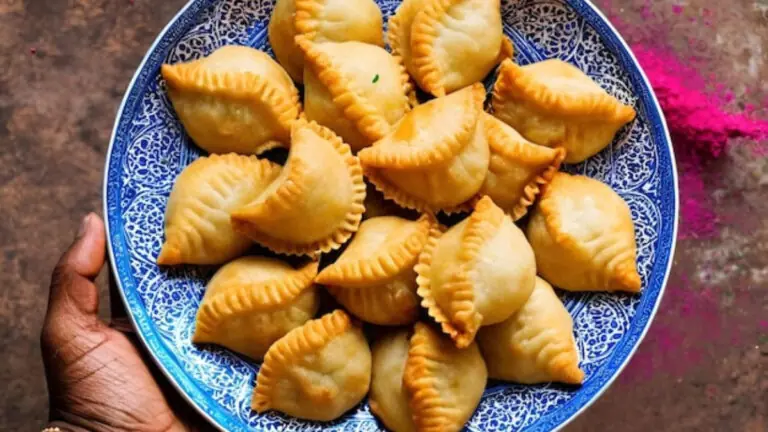
The foundation of great Holi Recipes starts with the dough. Sift the flour into a large bowl and add the melted ghee. This fat acts as the moyan or shortening. Rub the ghee into the flour using your fingertips until the mixture resembles breadcrumbs and holds its shape when pressed in your palm. This is the most crucial step in how to make gujiya if you want a flaky, khasta texture that melts in the mouth. Slowly add chilled water to knead a firm dough. It should be much stiffer than a standard roti dough. If the dough is too soft, the crust will be oily and limp. Cover it with a damp cloth and let it rest for at least thirty minutes. This resting period allows the gluten to relax, making it easier to roll out later. Many people overlook this step, but it is essential for a professional finish.
Preparing The Mawa Filling
While the dough rests, focus on the filling, which distinguishes the best Holi Dishes from the mediocre ones. In a heavy bottomed pan, crumble the khoya and roast it over a medium flame. Stir continuously until it turns a light golden brown and starts releasing a nutty aroma. This roasting process increases the shelf life of your Holi Recipes. If you are using semolina, roast it separately in a teaspoon of ghee until it smells toasted and mix it with the khoya. The semolina helps in absorbing any excess moisture from the mawa. Let the mixture cool down completely before adding the sugar and cardamom. Adding sugar to hot khoya will cause it to melt, resulting in a soggy filling that is difficult to work with. This attention to detail is essential for anyone learning how to make gujiya successfully.
Shaping And Sealing
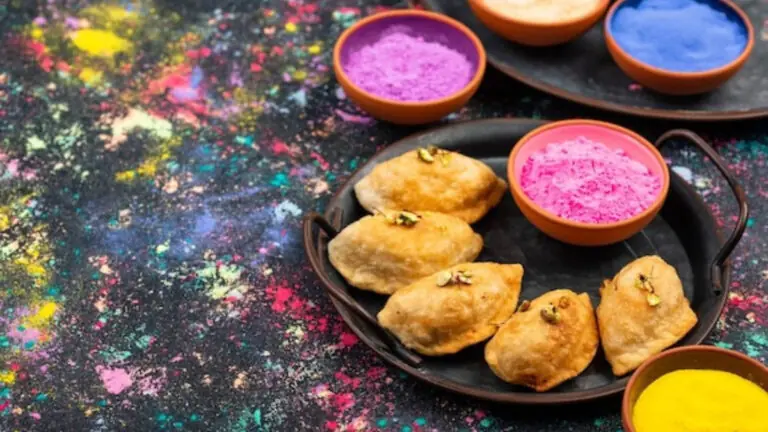
Divide the rested dough into small, equal sized balls. Roll each ball into a small circle of even thickness. If the edges are too thick, they will not fry properly and will remain chewy. Place a spoonful of the filling in the centre. Moisten the edges with a little water or a milk and flour paste. Fold the circle over to form a semi-circle. You can use a gujiya mould for a uniform look, which is a popular choice for those learning how to make gujiya for large gatherings. Alternatively, you can use the traditional thumb and finger twisting method to create a braided edge known as the goth. Ensure there are no air bubbles trapped inside, as they might cause the pastry to burst in the hot oil. A burst gujiya will ruin the entire batch of oil with burnt sugar and khoya particles.
The Frying Masterclass
The frying stage is where many Holi Recipes can go wrong if you are impatient. Heat a generous amount of ghee or oil in a kadhai. The temperature should be medium-low. To test the heat, drop a tiny piece of dough into the oil; it should rise slowly to the surface rather than sizzling instantly. When you learn how to make gujiya, you quickly realise that slow frying is the key to that golden, crisp exterior. Add a few pieces at a time, being careful not to overcrowd the pan. Fry them until they turn a beautiful golden hue on both sides. Remove them with a slotted spoon and drain on kitchen paper. Among all Holi Dishes, the visual appeal of a perfectly fried gujiya is unmatched.
Modern Variations For Holi Recipes 2026
As we look toward the future of traditional cooking, Holi Recipes might involve some healthier or more exotic twists. These variations allow you to maintain tradition while surprising your guests with new flavours.
- Baked Gujiya: For those who are health conscious, you can brush the pastries with ghee and bake them at 180 degrees Celsius until they turn golden.
- Chocolate Filling: A hit with the younger generation, adding cocoa powder or dark chocolate chips to the khoya mixture turns this into a modern delight.
- Nut Butter Fillings: Using pistachio butter or hazelnut spreads can give these Holi Dishes a gourmet feel that stands out from the rest.
- Sugar-Free Options: Using dates, figs, or high quality jaggery instead of refined sugar is becoming a staple in many modern Holi Recipes.
Understanding how to make gujiya with these variations allows the family cook to cater to everyone’s dietary needs without compromising on the festive spirit.
Storing Your Holi Dishes
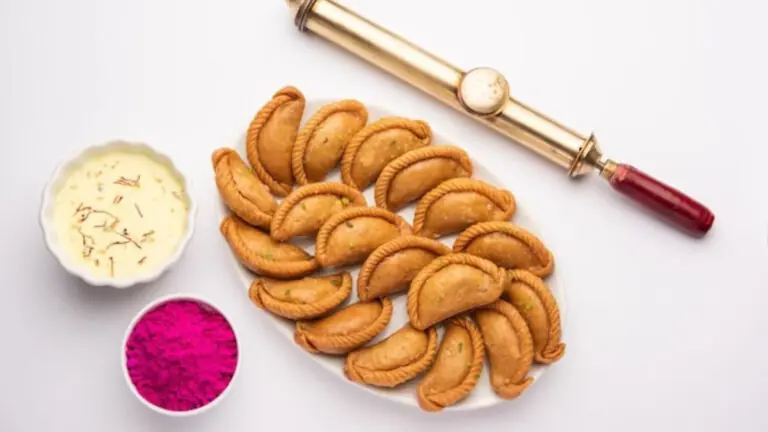
Once your masterpieces have cooled down completely, store them in an airtight container. They should remain fresh for up to two weeks, though they rarely last that long in a festive house. When serving these Holi Dishes, you can garnish them with a silver leaf or a drizzle of saffron-infused sugar syrup for extra decadence. For your Holi Recipes spread, consider serving the gujiya alongside savoury snacks like namak pare or spicy mathri to balance the sweetness. The contrast of flavours is what makes Indian festive meals so memorable. Many households also serve them with a cold glass of thandai, which complements the richness of the fried pastry.
Final Thoughts For The Home Cook
Mastering how to make gujiya is a rite of passage for many home cooks. It connects us to our heritage while allowing us to put our own stamp on the celebrations. As you prepare your kitchen for the upcoming festivities, remember that the best Holi Recipes are the ones made with love and shared with friends and neighbours. These Holi Dishes are more than just food; they are memories in the making. Whether you are sticking to the classic mawa filling or experimenting with new trends for Holi Recipes, the joy of creating something from scratch is unparalleled. The process might seem daunting at first, but once you see the golden brown pastries cooling on your counter, the effort feels entirely worth it. Dust off your rolling pins and get ready to create a sweet legacy this year.