Biryani Origin: From Persian Pilaf To India’s Favourite Feast
Biryani Origin: From Persian Pilaf To India’s Favourite Feast
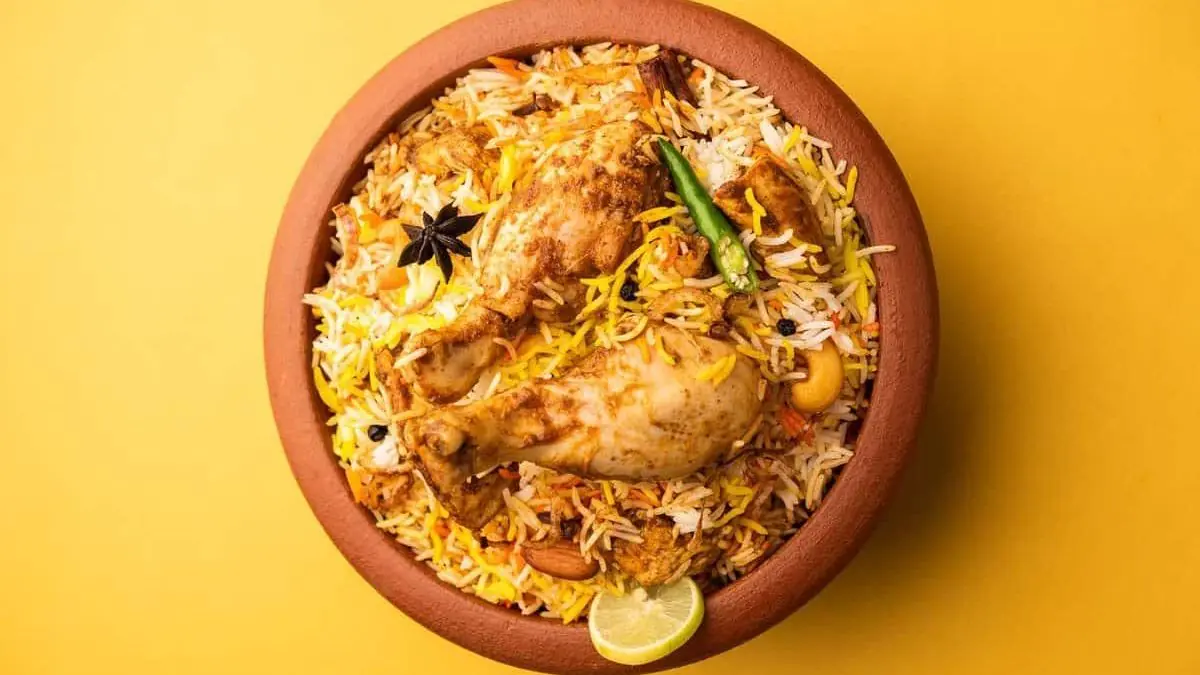


Rice pilaf, also known as 'kabuli palaw,' is an Afghan national dish in which rice is cooked with vegetables and the meat of choice in a stew or broth. It's also sometimes topped with dried fruits. Whereas in the case of biryani, the delicious rice dish is very different from both the usual rice dishes in terms of ingredients, cooking time of the ingredients and method of preparation too. The dish is more complicated on all grounds than the other pulao. The preparation is more time-consuming and laborious.
There has to be a reason why biryani has been the most ordered delicacy for years in a row as per various food aggregators. According to a PTI report, biryani was officially the most ordered food item during the lockdown in 2020. And well, let’s agree we aren’t surprised! The aromatic one-pot rice dish has a true-blue royal delicacy that has been ruling the hearts for more than 300 years. While there are several stories about the origin of the dish, many believe that it was born in Persia and was brought to India by the Mughals, further developed with the Indian spices.
Biryani is derived from Persian, where Birina means ‘fried before cooking’, and Birinj is the Persian word for rice. The royal Mughal kitchens made scrumptious varieties of biryanis ranging from the most popular Dum Biryani to irresistible Hyderabadi Biryani. While the biryanis that we feast upon today on every occasion are a refined version, the royals feasted on the most authentic ones made with about hundreds of aromatic spices, finer rice granules and fresh succulent mutton layered in between.
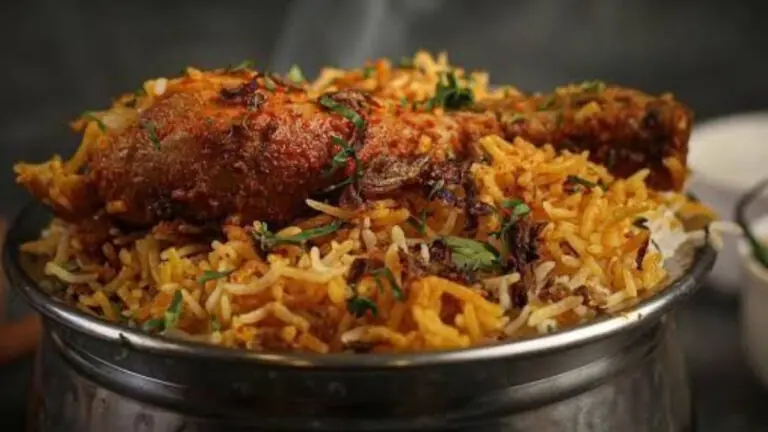
Today we have a special biryani in each state, be it Lucknow’s mutton biryani, Bengal’s Kolkata biryani, South’s Coorgi mutton biryani or the legendary Awadhi mutton biryani. The flavours, cooking styles, and spices all differ in north Indian compared to the south, and without a matter, it is always a treat. Among this, there is also two categories–kacchi biryani and pakki biryani.
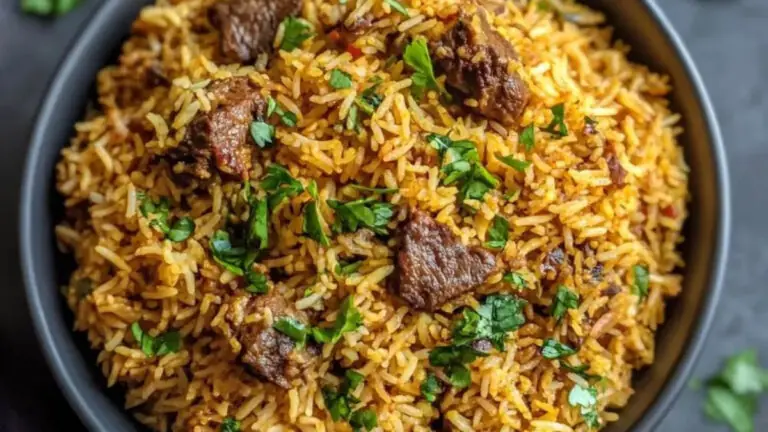
Kacchi means ‘raw’ and pakki means ‘cooked’ in Hindi. So, do they serve you uncooked biryani in the name of ‘kachhi biryani’ technique? Not at all. Kacchi biryani is a biryani preparation that involves cooking rice and marinated pieces of meat together in one sealed pot or cookware. Hyderabadi Dum biryani is a style of kacchi biryani; Sindhi Biryani is also another example. Whereas pakki biryani refers to a technique, where the meat is cooked separately, and added to rice, both of which are cooked again together in one pot. Lucknowi Biryani is a fine sample of pakki biryani.
Needless to say, kachhi biryani is a slightly longer preparation, but people say that your biryani seems like one whole unit when it is served on the plate. Whereas, the upside of pakki biryani is that the meat always comes out to be super tender and soaked in spices. Therefore, we, for one, cannot pick sides.
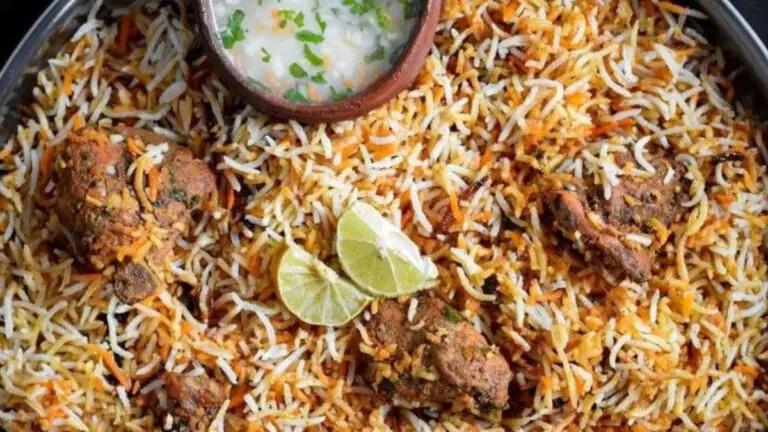
Since biryani, as you know it now, is a blend of flavours and cooking techniques taken from many parts of the nation, it is difficult to pinpoint its origins. It’s safe to claim that the flavourful friendship between Persia and India gave rise to biryani. According to numerous beliefs, biryani was first established as a simple dish to prepare for sizable workforces or armies. It is a very easy and low-labour process. It’s reasonable to say that biryani is a relatively easy recipe that cooks utilise to cut down on lengthy and labour-intensive cooking times.
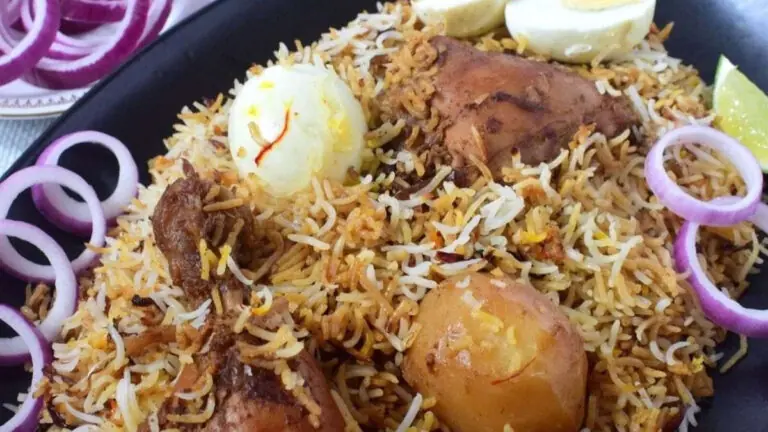
Biryani’s popularity eventually increased once it was discovered that everyone loved it. It’s crucial to use aromatic herbs and spices with buttered onions. Many times, tomatoes are also included to give the biryani its sour flavour. Accessing your layering game is another key to creating the perfect biryani. Layering all the components requires incredible precision. Rice is frequently just partially cooked or left raw when making biryanis. It is then mixed with other ingredients and layered, after which it is properly cooked.