For millions of people, food is not simply a fuel for sustenance. It’s an expression of devotion and faith. Whether it’s avoiding certain grains while fasting or completely abstaining from certain foods, Indian cuisine is diversely divided into recipes for every community. When it comes to the Jain community, they’re known for their strict adherence to non-violence and the abstinence of not only meat and eggs but also root vegetables like onion, ginger and garlic.
If you are a Jain or hosting the community, it’s important that you know how to substitute the root vegetables to make the dishes just as delicious as their vegetarian counterparts. Just like how you would make vegetable biryani, filled with spices, layers of rice, and a generous amount of dry fruits and nuts, you can follow a similar process for the Jain version. All you need to do is follow this step-by-step guide, learn the tricks to moderately add whole spices, and you’ll not be able to tell that the Jain vegeta
For millions of people, food is not simply a fuel for sustenance. It’s an expression of devotion and faith. Whether it’s avoiding certain grains while fasting or completely abstaining from certain foods, Indian cuisine is diversely divided into recipes for every community. When it comes to the Jain community, they’re known for their strict adherence to non-violence and the abstinence of not only meat and eggs but also root vegetables like onion, ginger and garlic.
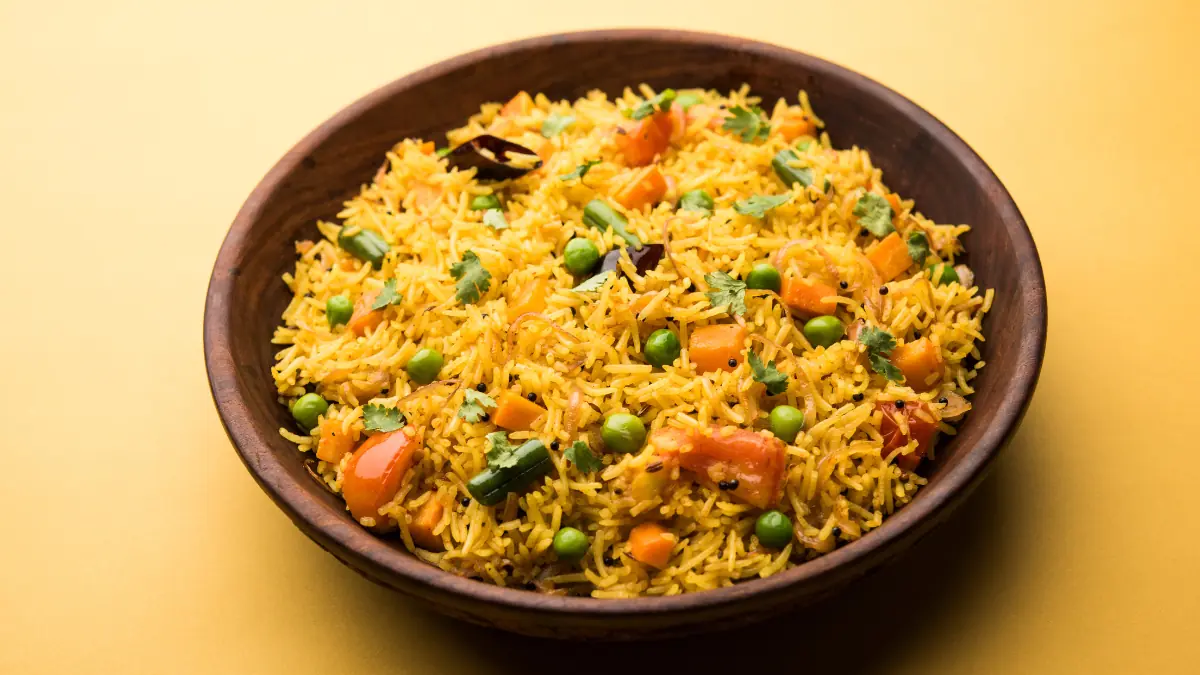
If you are a Jain or hosting the community, it’s important that you know how to substitute the root vegetables to make the dishes just as delicious as their vegetarian counterparts. Just like how you would make vegetable biryani, filled with spices, layers of rice, and a generous amount of dry fruits and nuts, you can follow a similar process for the Jain version. All you need to do is follow this step-by-step guide, learn the tricks to moderately add whole spices, and you’ll not be able to tell that the Jain vegetable biryani is missing the meat or even root vegetables.
Read More