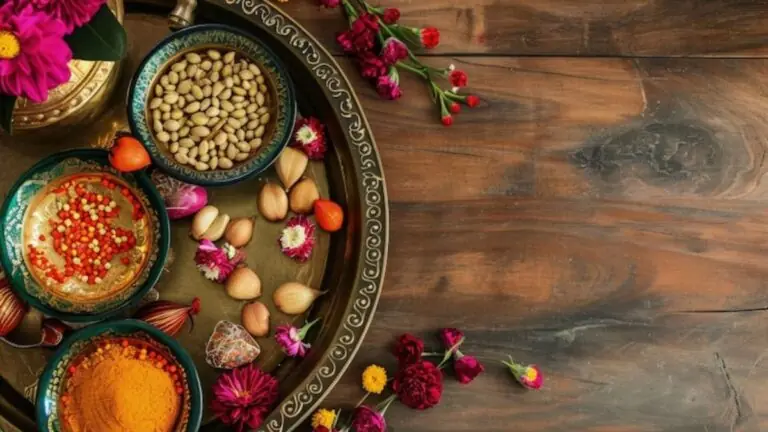
Traditional Ingredients Used In Dussehra Prasad & Their Symbolism
Traditional Ingredients Used In Dussehra Prasad & Their Symbolism


Dussehra prasad is prepared with ingredients that hold religious meaning. Each one represents values of prosperity, devotion, and gratitude.
Dussehra, which is also called Vijayadashami, comes at the end of the nine days of Navratri and holds a very special place in the calendar of Hindu festivals. The day symbolises the triumph of good over evil, and this victory is remembered through rituals, gatherings, and food that is shared among families and communities. The festival is celebrated in different ways across regions. In some places it is connected with the story of Goddess Durga defeating Mahishasura, and in others it is linked with Lord Rama’s victory over Ravana. No matter the story told, the heart of the day is about strength, renewal, and gratitude.
Prasad plays a central role in how the day is observed. It is not only a meal prepared for the family but an offering made to the divine before it is distributed. What makes prasad unique is that the ingredients are never chosen by chance. There is always a purpose behind them, shaped by centuries of belief and practice. Families may prepare simple dishes, but the meaning behind the food gives it a special place in memory and faith. The act of preparing prasad itself becomes a ritual, where each item on the plate represents values people hold on to.
The ingredients are drawn from what is available in the season, but they also hold connections with older traditions that link food with faith. Rice, jaggery, sugarcane, coconut, fruits, and pulses continue to appear year after year, because they are tied with both spiritual symbolism and daily life. Through these foods, generations remain connected to the stories, the harvest, and the customs that shape Dussehra. Prasad is not only eaten as sacred food, it also carries with it a sense of belonging to a larger cultural and religious history.
Grains And Rice As Prosperity
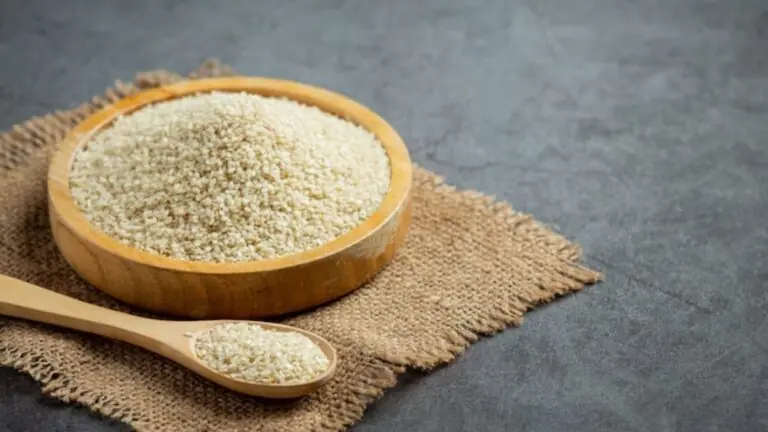
Rice and other grains are often the base of Dussehra prasad. Some families cook sweet rice, while others prepare khichdi or plain rice. Rice is linked with purity and abundance and is offered in rituals as akshata, uncooked grains coloured with turmeric. It symbolises blessings that remain and do not diminish. Grains in prasad express the wish for stability, harvest, and financial well-being. Their place on the festive plate also shows how closely Indian festivals are tied with farming and harvest cycles.
Jaggery And Sugarcane For Sweetness
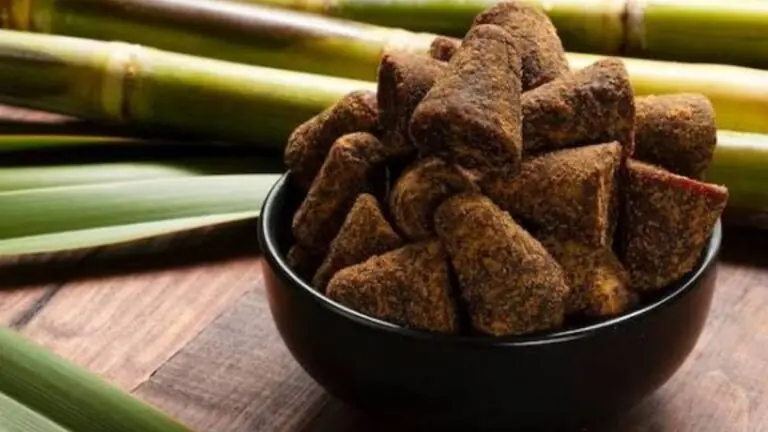
Jaggery is used in many prasad dishes, from laddus to payasam. It is considered to carry positive energy and warmth. The golden colour is seen as auspicious and offering it is thought to bring sweetness into life. Sugarcane is also placed as an offering in some regions. It stands for fertility and joy. The sharing of sweets after puja is about more than taste. It is about passing on happiness and ensuring that blessings are spread among everyone.
Coconut And Its Sacred Role
Coconut is broken at the start of rituals and the act itself is seen as meaningful. The hard outer shell is believed to represent ego, and breaking it is an act of surrender. Coconut water is linked with purity, and the white kernel with selflessness. In prasad, coconut is grated into sweets or used with jaggery in fillings. Its role is both symbolic and practical. It shows humility and purity while also adding richness to festive food.

Fruits As Nature’s Gift
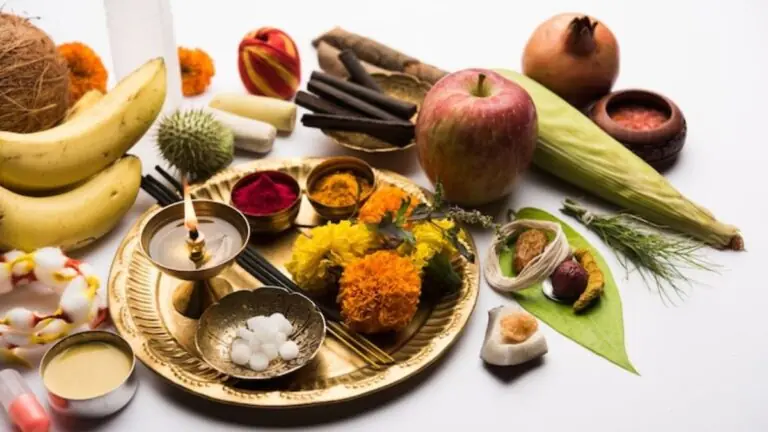
Fruits are an important part of the prasad thali. Seasonal fruits like bananas, guavas, pomegranates, and apples are usually offered. Each fruit has a meaning. Bananas are linked with fertility, pomegranates with prosperity, and apples with health and nourishment. Fruits are also a direct reminder of the earth’s generosity. By offering them to deities, families acknowledge nature’s role in sustaining life. Eating these fruits as prasad is both spiritual and nourishing.
Pulses And Legumes As Strength
Legumes and pulses such as green gram, Bengal gram, or black gram are also used in prasad. They may be prepared simply or cooked with jaggery in sweet dishes. Pulses represent strength, resilience, and balance. Their presence on the prasad plate shows the link between faith and nutrition. They provide protein and energy, which makes them food for the body as much as food for devotion. The use of pulses reflects a belief that offerings should be wholesome and complete.