Induction Stove Maintenance Guide: How To Make Your Cooktop Last 5+ Years
Induction Stove Maintenance Guide: How To Make Your Cooktop Last 5+ Years



Are you too not being able to get your LPG cylinder refilled or book a new one due to the panic buying? Don’t worry, you can rely on an induction stove and prepare all your meals even faster. To make sure you use the modern appliance correctly, here are some tips to maintain the cooktop and increase its longevity.
Forget standing in queues to get your LPG cylinder refilled. Amid the tense geopolitical global shortage of domestic gas cylinders, many households are turning towards induction cooktops. While it might have been on the back burner, now is the perfect time to get your cooktops out and start saving the kitchen gas supply.
However, more often than not, people who are not used to cooking on an induction cooktop might treat it just like a gas stove. From spill stains to dragging the cookware on the glass surface of the induction cooktop, there are many factors that could hamper the life of your appliance. So, to make your induction stove last for at least more than five years, here are some tips to protect its sensitive glass-ceramic top and the electromagnetic technology.
Invest In Induction Safe Cookware

The first and foremost step to using an induction stove is to invest in high-quality cookware that is compatible with the cooktop. Since induction cooktops rely on magnetic heating, you’ll need cookware that has a magnetic base. Note that while shifting from LPG cooking to getting acclimated with an induction stove, this is the most common mistake made by most people. If your cookware is not induction-safe, it will not be heated, thus the food will remain uncooked.
Clean After Every Use
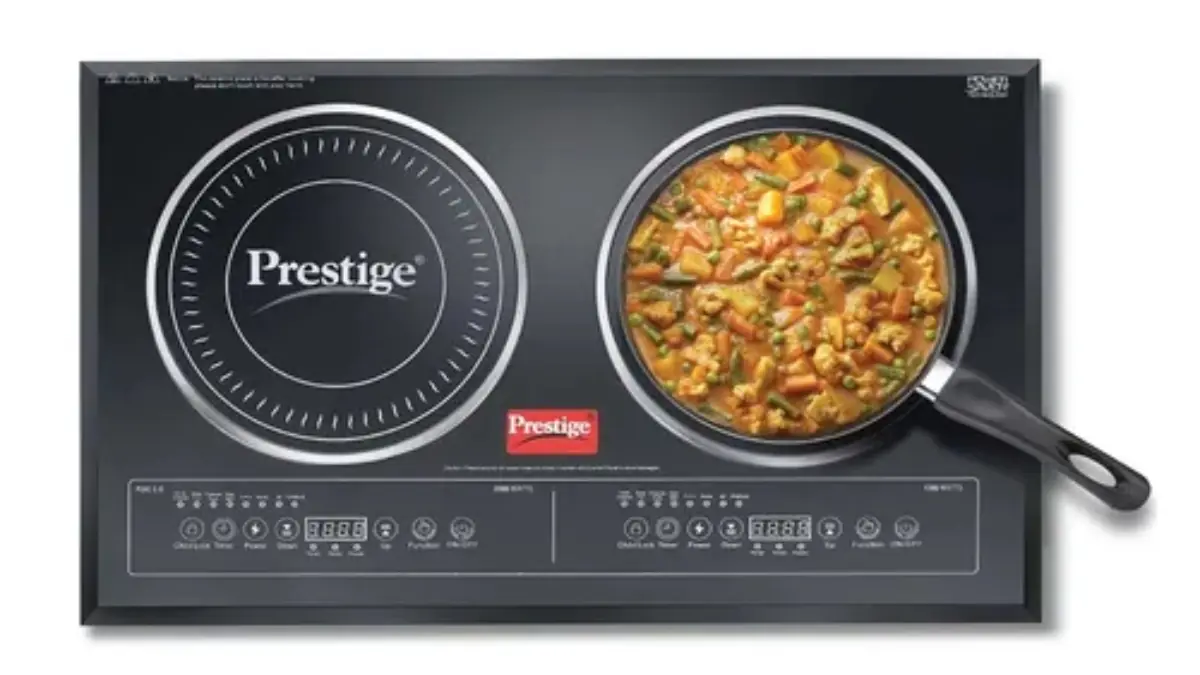
No matter what you’re cooking, a few spills and splashes are inevitable, and you shouldn’t have to be stressed about them. All that’s required when cooking on an induction cooktop is to clean the surface once it cools down. As soon as you’re done setting up your plate, quickly wipe the induction stovetop with a damp cloth, don’t allow the spills to harden, and avoid rigorous cleaning of the residues.
Don’t Slide The Cookware On The Surface
Out of habit, a lot of people slide the cookware while cooking. While it might have been okay on a gas stove, since the top of an induction stove is made with glass and ceramic, a few scratches can ruin the surface, thus affecting the heating power of the appliance. So, instead of sliding, always pick up the cookware and move it. Also, before placing a vessel on an induction cooktop, clean its bottom. If there are some dirt or salt particles trapped on the bottom of it, they can also scratch the glass surface.
Prevent Spills And Boil-Overs
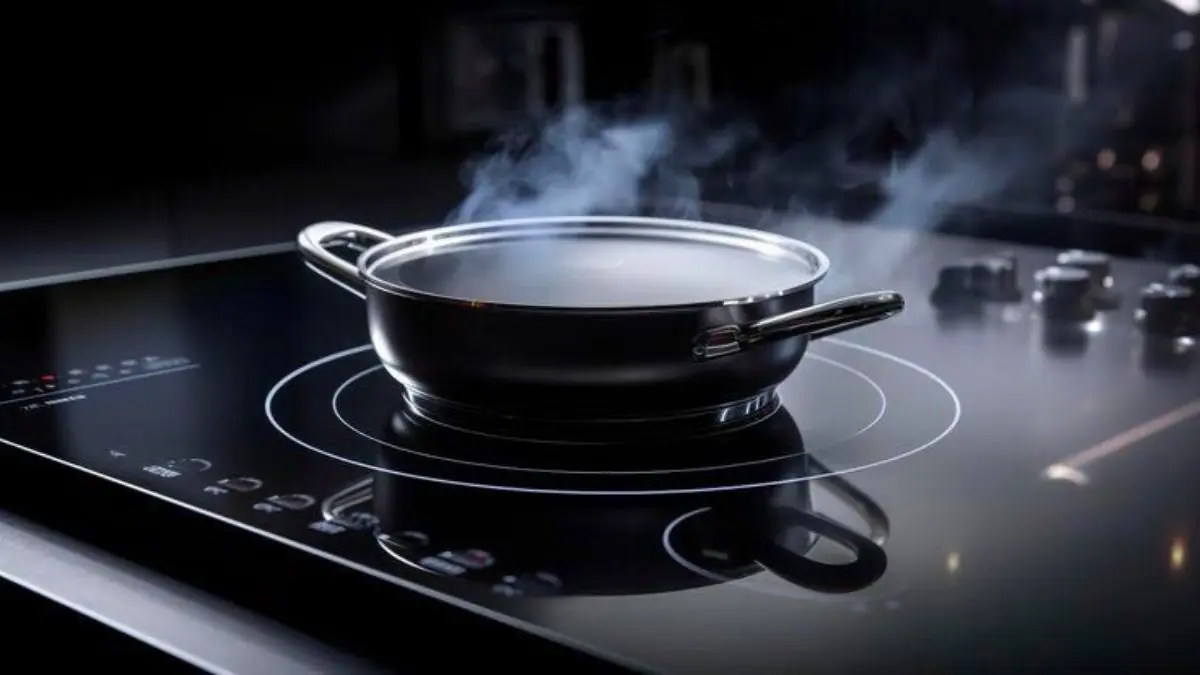
How many times have you left your milk on a gas stove to give it a boil and returned with a droopy face? While a boil-over on a gas stove is disappointing, it is easier to clean and has no aftereffects. If there are frequent spills and boil-overs on the induction cooktop, it can leave a messy buildup on the heating zone as well as the control panel. So, be vigilant while cooking on an induction stove, set the timer if you’re going to be away for a while and avoid the spills.
Use Cream Cleaners Every Week
Even though you might be wiping the surface of the cooktop after every use, deep cleaning on a weekly basis can help to increase the life of the appliance to more than five years. After regular use, it is pretty common for a thin, greasy layer to deposit on the cooktop. This layer can bake in the heating zone, thus creating a cloud-like patch. To avoid affecting the heating capacity of your appliance, take a cream-based cleaner and spread it on the surface as well as on the control panel. It helps to make the surfaces scratch-resistant by adding a silicone coating to the top. Let the cream dry and then scrape it off with a dry cloth. Repeat this process every week, and your induction stove will look shiny and good as new for years.
Keep The Ventilation Vents Clear
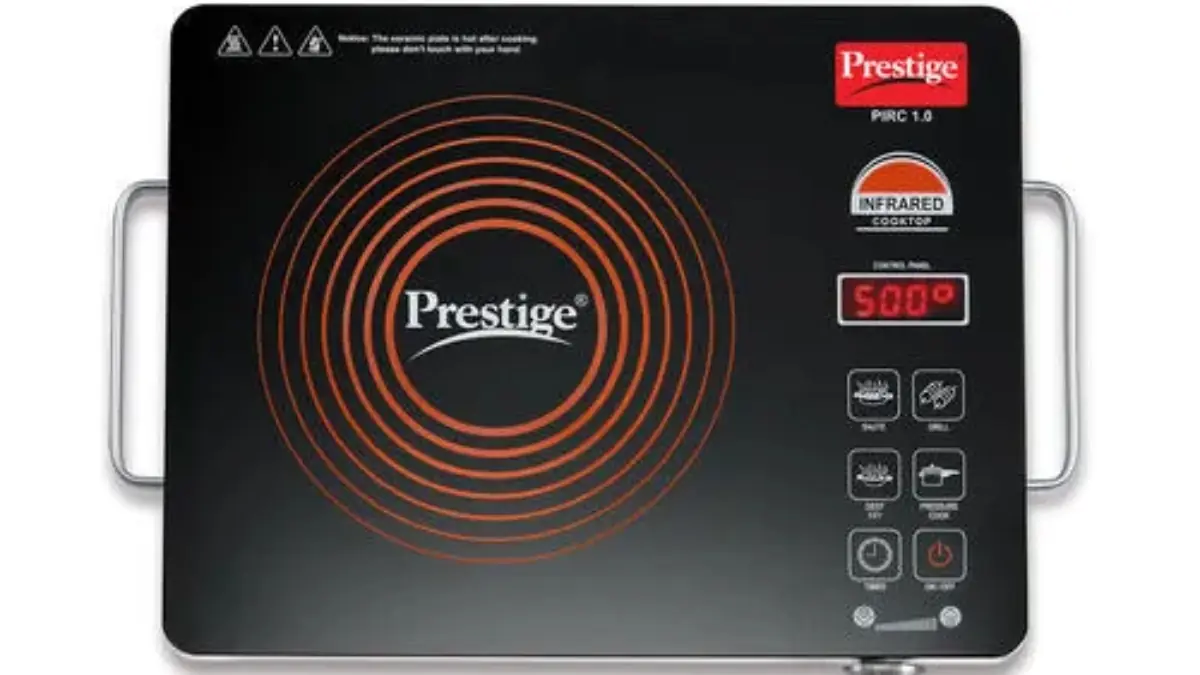
One of the most commonly forgotten part of an induction stove are the ventilation vents. Due to the LPG shortage, you might have switched from using a gas stove to an induction cooktop, but don’t forget that while it mimics the results, it is still an electronic appliance. Since the gadget has a high-powered computer with a heating element, the induction stove has internal fans to keep itself cool. So, to ensure a proper flow of air, pay attention to the cabinets under the cooktop. They shouldn’t be stuffed with bags or towels that can block the ventilation of the cooling fans. Also, after four to six months, you can vacuum clean the cooling component and get rid of any dust buildup and ensure that the appliance is working to its maximum potential.
Take Care Of The Control Panel
The control panel is the brain of every induction cooktop. With the advanced touch-sensitive technology, it becomes all the more important to protect the control panels from spills, grease, and any food residue. If the control panel becomes dirty, the buttons may stop responding to touch. So, regularly wipe the panel with a damp cloth after every use. You might already be wiping the glass surface, but mindfully wipe the control panel as well. Also, in case of any spills, clean the control panel immediately and protect it from any moisture. Another important tip is to not use the panel with wet hands as it can too hamper the functioning of the appliance.