How Butter Chicken Became A Global Favourite: Its Origin Tale
How Butter Chicken Became A Global Favourite: Its Origin Tale
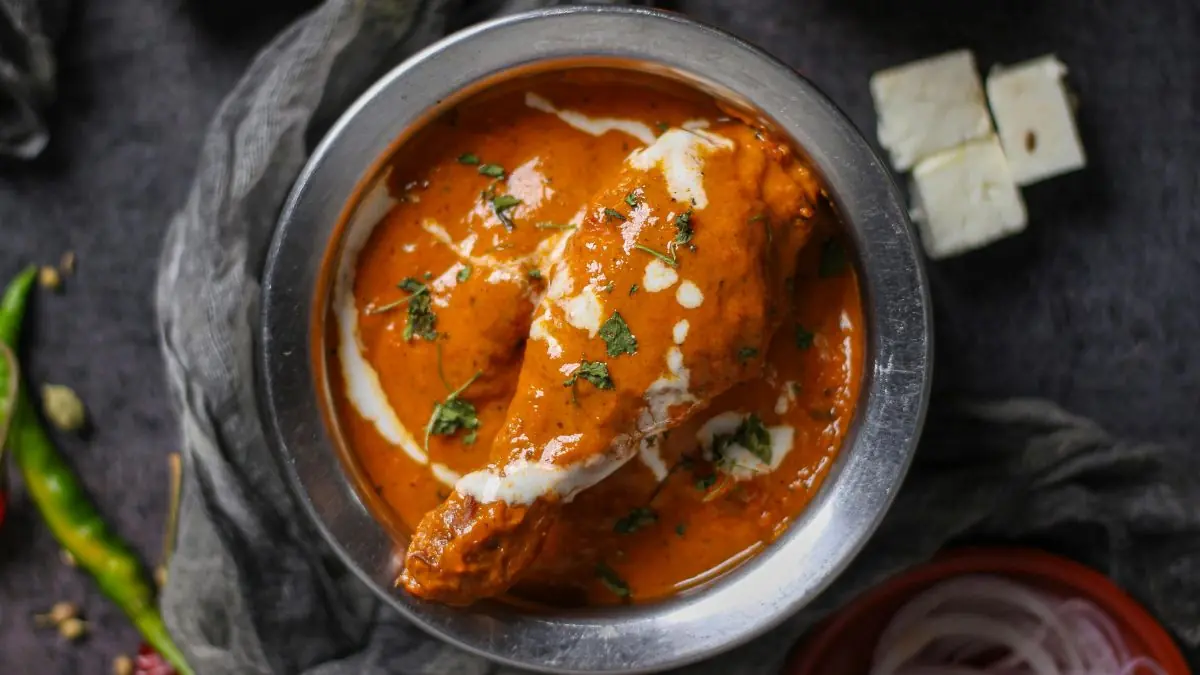


One among many diverse Indian preparations which epitomises the culinary prowess of this region’s cuisine, butter chicken enjoys immense popularity, both within the subcontinent and on a global level. Yet, the origins of butter chicken are actually quite unassuming. Butter chicken was in fact a recipe shaped as a solution to a kitchen difficulty.
Of the many different flavourful dishes that define Indian cooking on a global scale, butter chicken is one which stands out for its rich flavours and deeply comforting textures. For the restaurant-food enthusiast, diving deep into the origins of butter chicken can be quite a fascinating tale. That’s because although butter chicken is all about luxe and creamy flavours, this crowd-favourite in fact originated in the most unassuming ways, as a solution to a kitchen challenge. Now, restaurant-style butter chicken can be found everywhere from the dhabas of northern India to the most high-end fine dine place serving Indian food across the oceans. Yet the humble origins of butter chicken begin in the kitchens of Daryaganj in the Indian capital.
Post-Partition Origins
Before it started gaining popularity around the Indian subcontinent and the world, butter chicken as it is prepared in a cast-iron kadai or fry pan today, was originally called murg makhani. As the name suggests, it was a chicken preparation cooked in a creamy gravy. This creamy curry was born as a result of sheer culinary imagination and inventiveness.
The kitchens of the Moti Mahal restaurant in Delhi were operated by three experts in preparing tandoori chicken: Kundan Lal Gujral, Kundan Lal Jaggi and Thakur Dass. They brought this recipe of smoking the bird in the tandoor from Peshawar to Delhi when they migrated to the capital city in the aftermath of the 1947 partition. Experts in all tandoori preparations, they were particularly skilled at crafting tandoori chicken which quickly became a favourite here. Today home cooks experiment with tandoori chicken recipes, crafting it in the griller, convection and even the air fryer.
In those early days, leftover tandoori chicken would become dry the next day making it difficult to serve day-olds to customers. Instead of letting the unsold tandoori chicken go to waste, Gujral began experimenting with it, to figure out how it could be repurposed.
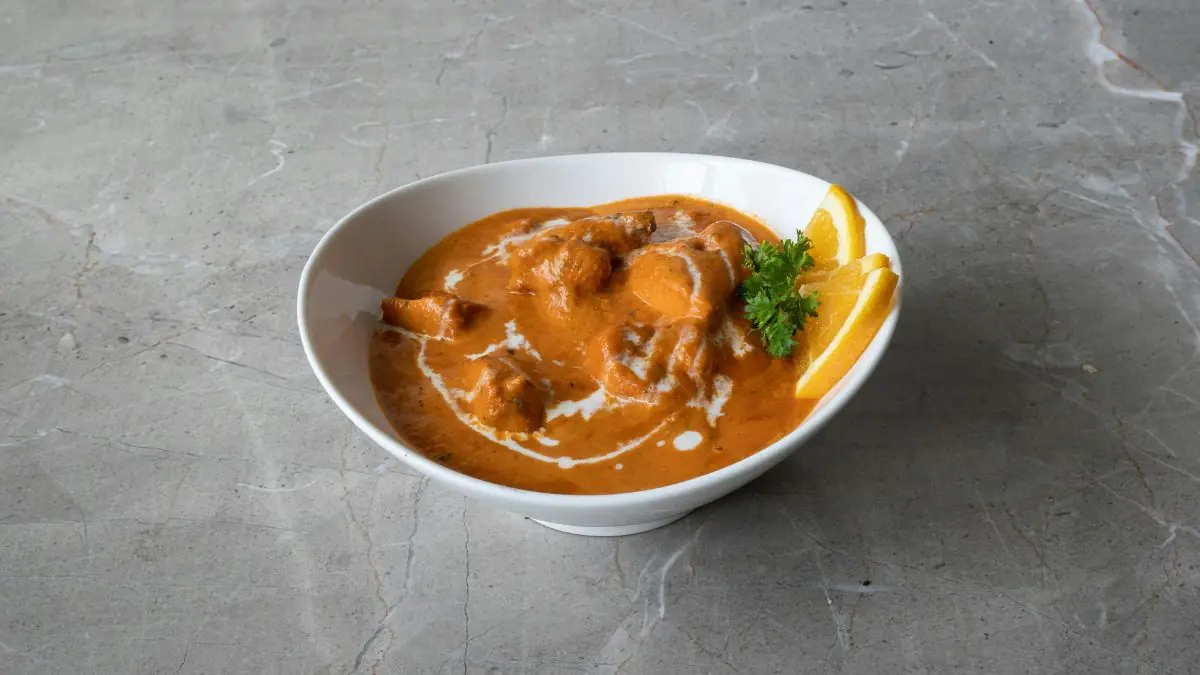
The Butter Chicken Invention
These experimentations involved simmering the pieces of cooked, dry chicken in tomatoes, cream, butter and mild spices. As the chicken and all other ingredients simmered on the flame, it led to the creation of a gravy that was silky and rich and converted the chicken into a completely new dish. Eventually, this recipe was honed and refined again and again, so that what was initially an attempt at reviving dried chicken led to the nascent beginnings of a gravy that would soon become an inseparable part of Indian culinary traditions.
Butter chicken became a signature recipe for several reasons. One of them was its tomato-forward base which made the gravy stand out from others that used robust notes of onions or the density of coconut as their grounding flavours. As well, this was a chicken recipe that was mildly sweet, densely creamy, texturally smooth yet so subtly spiced that it came together in a fine balance of different inspired tasting notes. More and more diners eventually began gravitating towards butter chicken as the go-to gravy option.
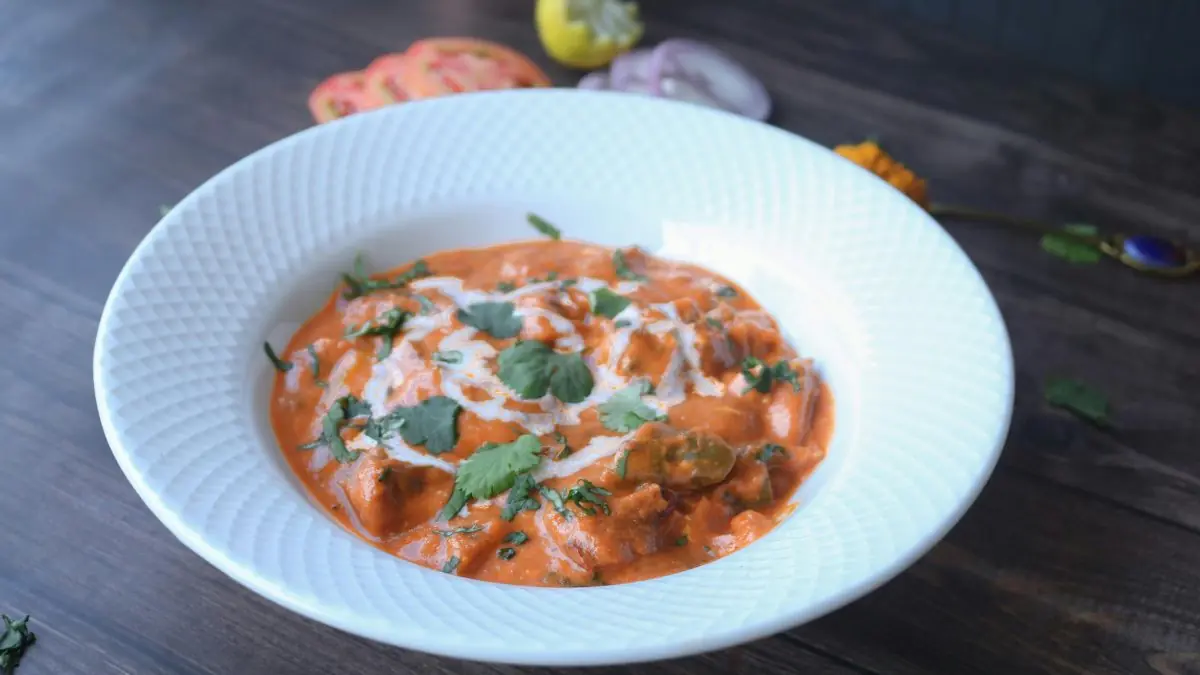
Why Butter Chicken Stands Out From Other Curries
Its humble origins and dense flavours notwithstanding, butter chicken was also a special dish at a time when Indian food was largely influenced by bold spices and oil-based gravies. Here was a recipe that offered sweeter flavours without the gravy itself being classically ‘sweet’ or too subtly flavoured. It was adequately filled with delicious taste, was infused with just the right amount of spices and carried a rich and dense appeal that made the dish slightly more approachable.
Perhaps that is one of the reasons that butter chicken and naan became such a favourite combination among foreigners who were visiting Indian shores. With this dish, they could dip into the luxury and vibrancy of Indian cuisine without feeling overwhelmed with the spiciness and heat that characterises this cuisine. Here was a flavour-forward curry that showed a glimpse of Indian food without burning the tongue of those who were more attuned to mildly spicy dishes.
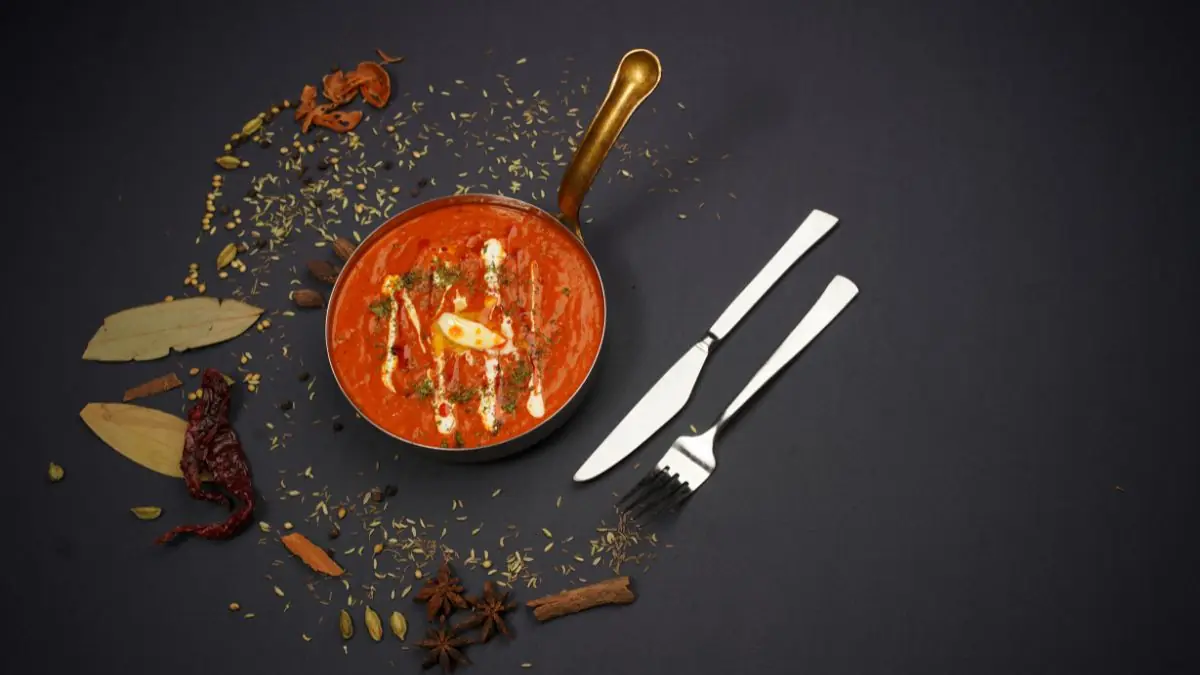
Butter Chicken Vs Murg Makhani
The regular restaurant-goer would be quick to notice the difference between the two names on a food menu. And rightly so, for there exist subtle differences between the original murg makhani and the butter chicken that has become popular today.
Murg makhani is a slightly more tomato-forward gravy and in the traditional kitchens of Delhi, it was a preparation less sweet than the modern-day butter chicken. If that’s not enough, the murg makhani also carried a slightly more pronounced tandoori, smoky flavour as it was after all a dish which repurposed tandoori chicken. Cream was used, but sparingly and the dish did carry some intense flavours.
Butter chicken for its part has evolved into a global favourite that represents a richer, more indulgent version of dairy-based Indian cooking. It epitomises comfort food and for Indians living abroad, provides a slice of home. When home chefs try to prepare this dish in their kitchens, it promises glamour and an irresistible, luxurious restaurant-style flair.
Evidently, what makes the origin story of butter chicken quite legendary is that it was never meant to be iconic. This was a simple dish in its nascent stages born out of sheer ingenuity and culinary curiosity. The way it was birthed is simply testament to the remarkable resourcefulness of a kitchen owned and run by refugees.
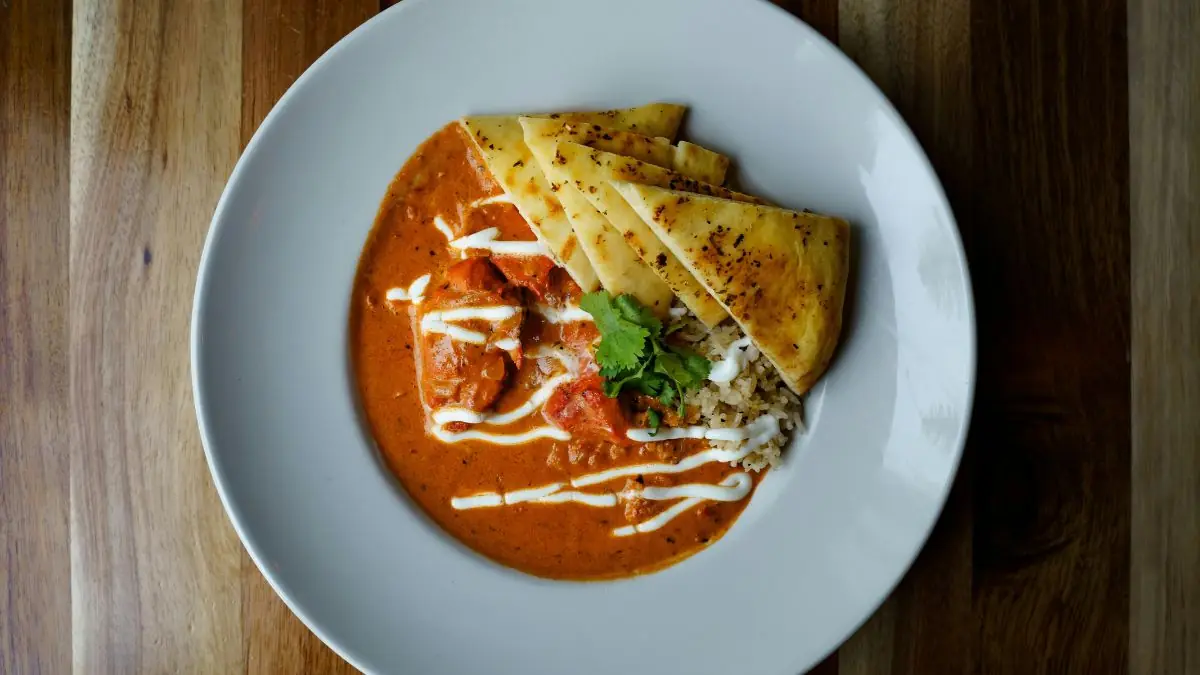
The journey of butter chicken, from post-partition refugee kitchens to a popular dish on global Indian menus spread across several continents is a constant reminder that great food comes out of the simplest ideas, that every day kitchen improvisation might just hold the key to preparing something worthy of becoming a global phenomenon.