Haryana State Food: Rustic Flavours From India’s Breadbasket
Haryana State Food: Rustic Flavours From India’s Breadbasket


Traditional Haryanvi cuisine is a regional delight that offers much in terms of a food culture that revolves around agricultural bounty, rustic cooking techniques, open flames and wholesome preparations. For the northern Indian home cook, the flavours of Haryana’s food inspire a nostalgia for such simple, traditional meals brimming with homely flavours.
Rustic, nourishing and deeply connected to the agricultural land where it is cooked, Haryana’s local food is a generous repository of tradition and abundance. Home cooked food from what is known as India’s breadbasket inspires sheer nostalgia in the heart of the northern Indian home chef hankering for nourishment, sustenance and a celebration of seasonal produce. The flavours from this region are laced with the subtle sweetness of nutrient-rich grains that go into making the different rotis or flatbreads prepared on open flames and grounded curries and sabzis carrying subtle tasting notes. A handful of everyday spices and green chillies build simple flavours into Haryana’s regional recipes, most often than not served with a thick, rustic roti that is lathered with homemade ghee.

Bajra Roti And Missi Roti: The Heart Of A Haryanvi Meal
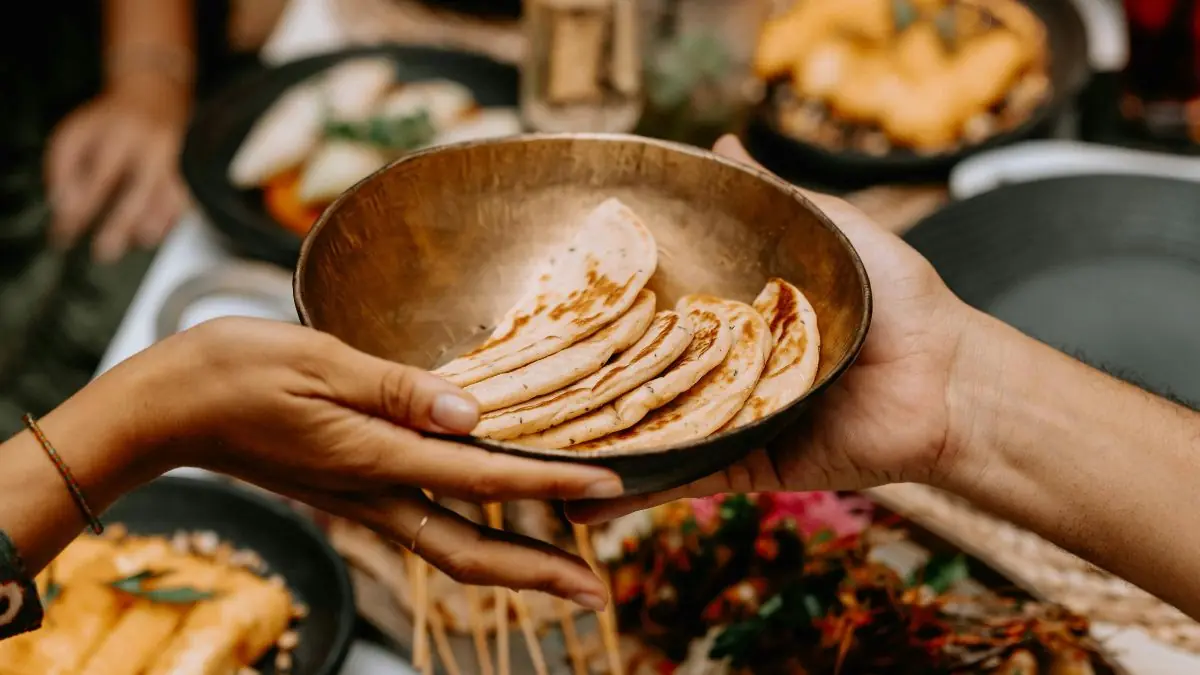
Haryanvi cuisine is largely recognised as India’s breadbasket because of the central presence of rotis or flatbreads in its wholesome, familial kitchens. In fact, two main types of flatbreads are produced aplenty within this cuisine, using millets like bajra and gram flour.
Deeply nostalgic, the bajra roti is reminiscent of the chilly winter weather in the agrarian lands of Haryana. The climate here necessitates the making of warming foods such as the bajra roti, accentuated with just a little bit of sesame. This is a dense, earthy and quite filling flatbread that can be recreated on the cast-iron tawa in a modern kitchen whenever the northern Indian cook has a hankering for this cuisine.
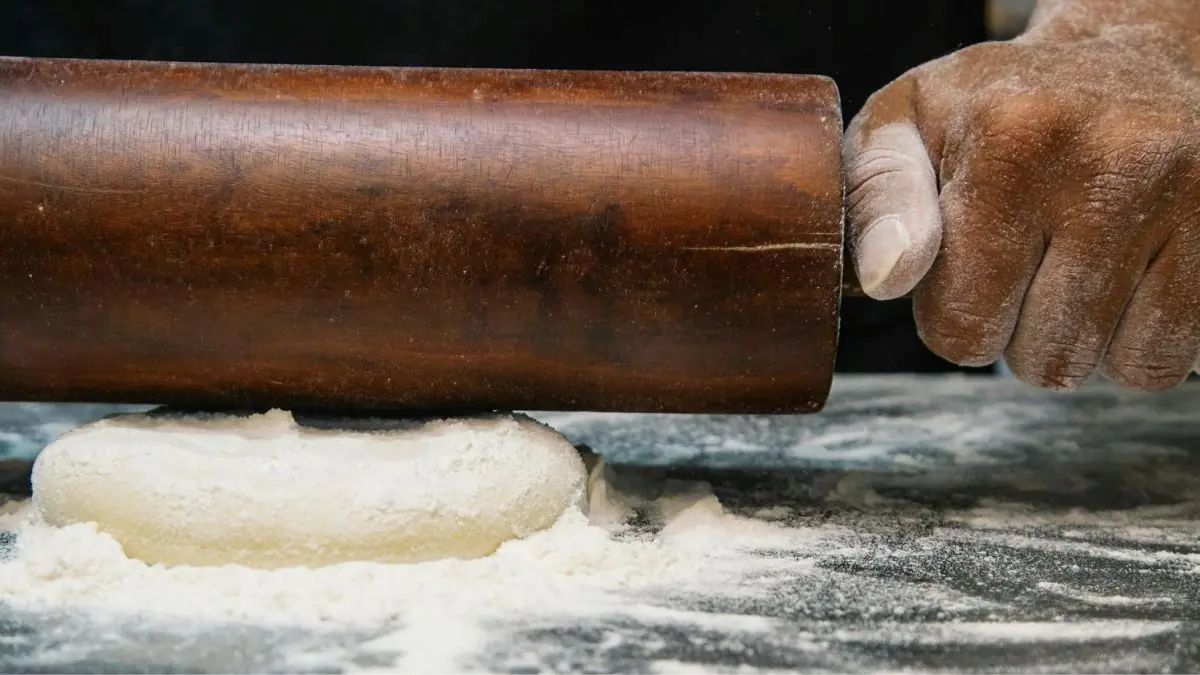
The other is the gram flour roti or the missi roti traditionally served with generous dollops of butter, put onto the plate straight from the pan. Missi roti is generally made with a dough that carries the subtle flavours of everyday spices like turmeric, red chilli powder, hing and of course the digestive goodness of ajwain or carom seeds. Inspiring sheer nostalgia, these are rotis that would remind one of chilly winter mornings when dough was kneaded by hand, seasoned generously with spices and infused with add-ons like coriander and chopped onions that flavoured the missi roti roasting on a warm tawa.
Another flatbread which is quite popular within Haryanvi cuisine is the besan masala roti prepared on a flat pan: a one-dish meal that can be packed and returned to, for several days after it is prepared. This roti is made with gram flour and laced with different spices like ajwain and cumin. It is traditionally served with curd and a pat of butter.
Traditional Sabzis
The flavour quotient in Haryanvi cuisine comes from different sabzis which accompany the bajra roti or the missi roti or even the simple wheat roti prepared in traditional kitchens. These vegetables are flavoured subtly and cleverly, and cooked in sturdy kadais in simple ways that accentuate their inherent tasting notes.
– The hara choliya sabzi or the winter staple vegetable made from fresh green chickpeas is a Haryanvi delight. A seasonal delicacy, it is lightly spiced and sautéed in a deep-bottomed kadai to bring forth the natural sweetness of the fresh chickpeas.
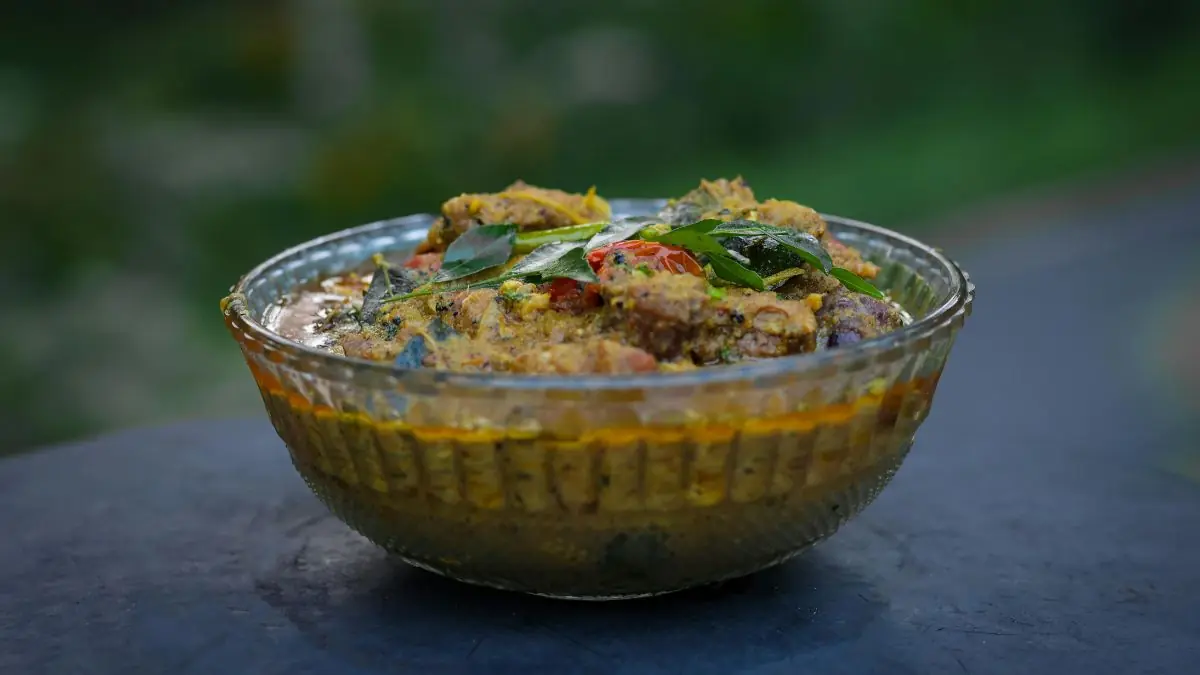
– Haryanvi style kadhi is another traditional recipe. This is slightly thicker and more subtly flavoured than the kadhi popular in Punjabi or western Indian cuisine. Comforting and easy on the stomach, it is adorned simply with chillies and coriander and served with warm rice or freshly made rotis.
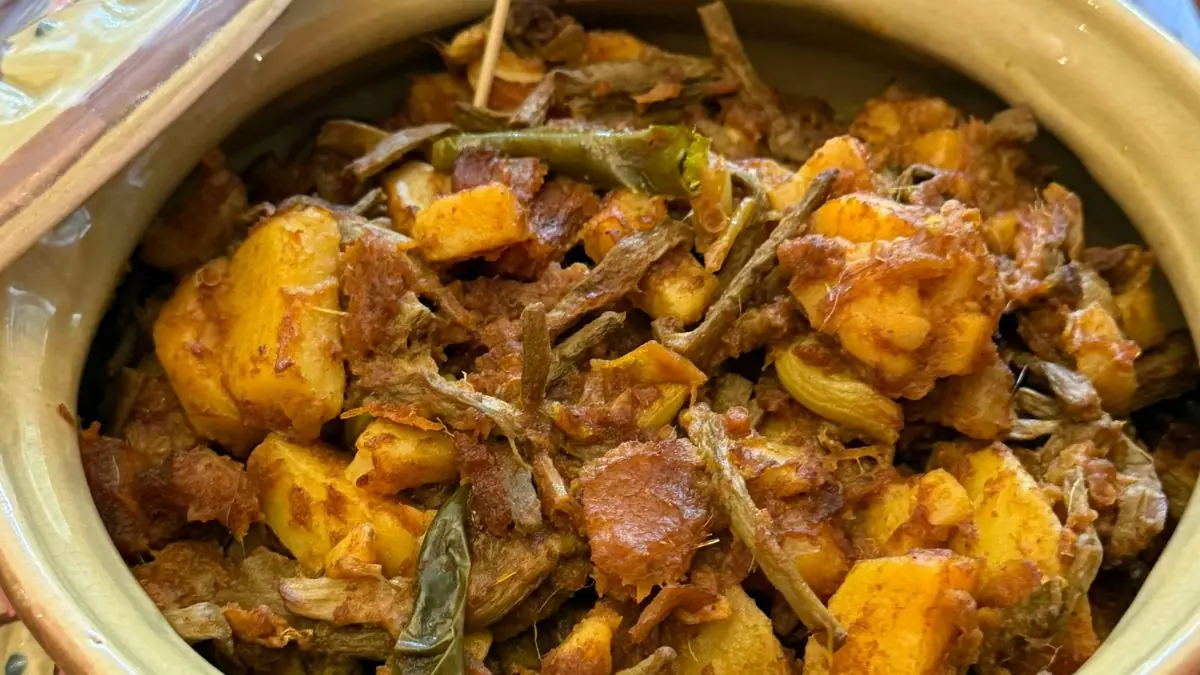
– Another staple from this cuisine is the kachri ki sabzi made using a wild melon found in Haryanvi provinces. This is a tangy vegetable curry, prepared in a tempering of mustard, cumin, turmeric and red chilli powder. Simple and wholesome, this nourishing sabzi can be recreated in the modern kitchen and paired with warm phulkas or wheat rotis on days that invoke a nostalgia for regional delicacies.
Comforting Rice Dishes
Although Haryanvi cuisine is known primarily for its flatbreads, certain rice dishes are also crafted in its traditional spaces, which provide sheer comfort in cold weather. One such dish is the bajra khichadi. This usually appears during the colder months when bajra is soaked in water before cooking it in a tempering of red chilli powder, turmeric and hing. Rice and dal khichadi is also prepared in the traditional style, yet it is the bajra variation which dominates Haryana’s kitchens.
Another interesting dish to emerge out of this northern Indian cuisine is the classic Haryanvi pulao. In a culture where biryanis and other forms of aromatic rice dominate, the Haryanvi pulao often remains understated. However, this is a delightful culinary preparation, laced with the subtle flavours of finely diced seasonal vegetables, cumin and ghee. To prepare a truly traditional Haryanvi meal, one must find a way to incorporate the classic pulao without which such a repast would be incomplete.
A Sweet Finish
Seldom overly sweet, yet packed with the nourishing goodness of jaggery, Haryanvi desserts are simple yet charming. They are rustic treats that invoke the agricultural spirit of this land, and the sheer homeliness of its traditional kitchens. Simple dishes like the churma, which essentially brings together crushed rotis with jaggery and ghee is a sweet treat associated with wholesome celebrations. Borrowing from the neighbouring province of Rajasthan, this cuisine also prepares the ghewar, with white flour and ghee, especially on festive days. Kheer is another staple sweet dish prepared in this cuisine, sweetened simply with jaggery or sugar.
For the nostalgic home cook keen on recreating repasts from this nourishing repository, a full meal would then comprise a bajra roti accompanied with a simple vegetable sabzi, finished off with kheer or churma.